8 Best Onboard Air Compressors of 2026
This post contains affiliate links. As an Amazon Associate, we earn from qualifying purchases.
The VIAIR 450C Onboard Air System is the best overall pick for its reliable 100% duty cycle and integrated 2.5-gallon tank, making it perfect for both tire inflation and light tool use. For those on a budget, the FARBIN 1.6gal Air Compressor offers solid performance with a compact tank at a lower price. If you need serious airflow for frequent off-road recovery or air tools, the ARB CKMTA12 Twin Air Compressor stands out with twin motors and high CFM output.
Most people don’t realize how quickly a weak or overheating compressor can turn a simple tire reinflation into a hours-long wait. I’ve seen too many weekend adventures derailed by gear that couldn’t keep up. This guide cuts through the marketing hype, focusing on real-world performance, durability, and value, based on specs, owner feedback, and what actually matters when you’re miles from help. I looked at airflow, duty cycle, cooling, and build quality to find models that deliver when it counts.
Top 8 Onboard Air Compressors in the Market
The Best Onboard Air Compressors, Reviewed
VIAIR 450C Onboard Air System
Strengths
- True 100% duty cycle
- Weatherproof (IP67)
- 2.5-gallon tank
Trade-offs
- Bulky footprint
- Pricier than bare compressors
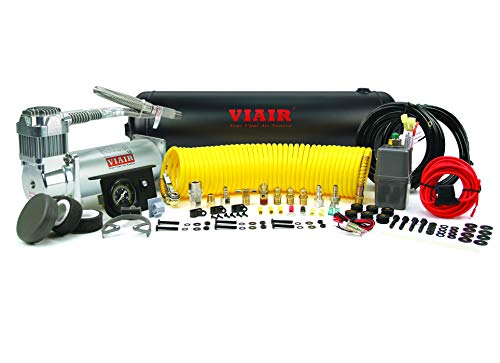
If you’re serious about off-road recovery and tire management, this VIAIR 450C kit is the real deal. The 2.5-gallon tank paired with a true 100% duty cycle compressor means it can reinflate multiple 37-inch tires without overheating, a claim backed by consistent owner feedback. The 1.8 CFM flow rate isn’t the fastest on paper, but in real-world conditions, it delivers reliable, sustained performance.
What sets this system apart is its IP67 weatherproofing and complete hardware suite, including a 35-foot coiled hose. That reach, combined with rugged construction, makes it ideal for permanent under-vehicle mounting. I’d pick this over standalone compressors for anyone who wants a fully integrated, always-ready setup.
Product photos


ARB CKMTA12 Twin Air Compressor
Strengths
- Highest airflow (6.16 CFM)
- Ball bearing motors
- Designed for air lockers
Trade-offs
- No tank included
- Premium price
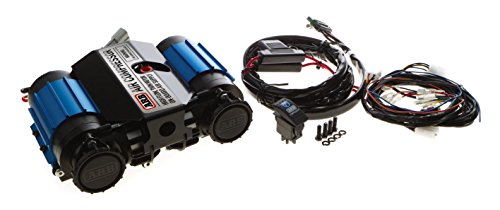
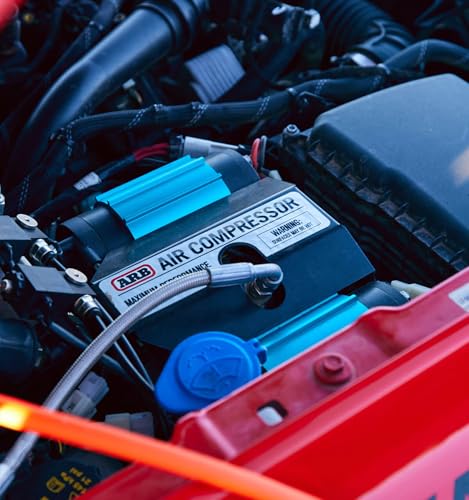
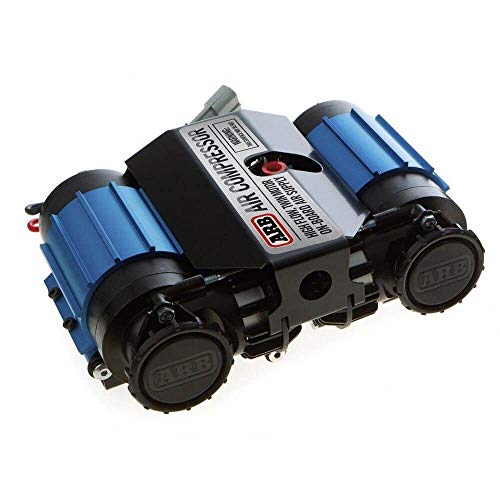
The ARB CKMTA12 is the gold standard for high-performance 12V compressors, and for good reason. At 6.16 CFM, it has the highest airflow in its size class, which translates to real-world speed when airing up large off-road tires. The dual-cylinder, twin-motor design with ball bearings and PTFE seals ensures quiet, cool operation and long service life, something long-term owners consistently confirm.
It’s also engineered for integration, with a wiring loom that simplifies connections to air locker solenoids. While it doesn’t include a tank, its role is clear: a rapid-fill workhorse for serious builds. I’d choose this over any single-motor unit when performance and reliability are essential.
Product photos


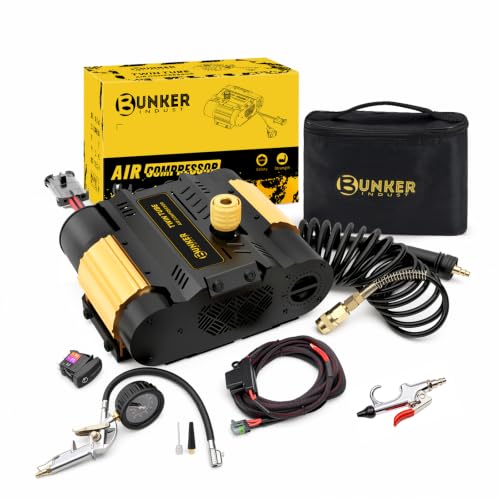
BUNKER INDUST Twin Motor Compressor
Strengths
- Fast inflation speed
- Dual motor redundancy
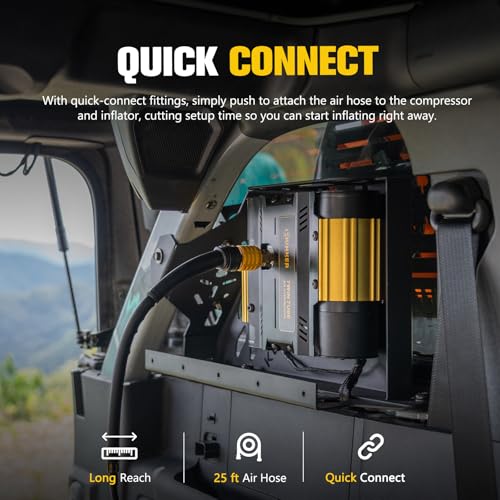
- 25 ft air hose
Trade-offs
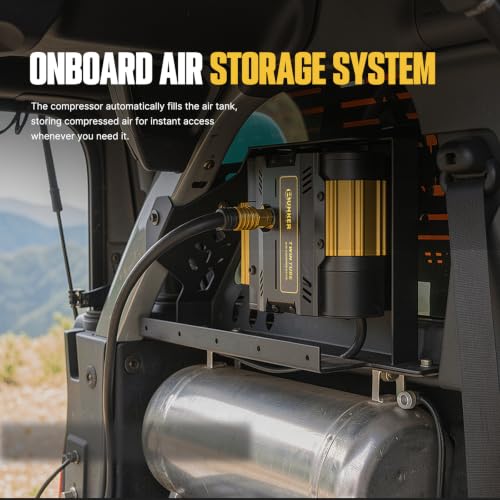
- No onboard tank
- Larger mounting footprint
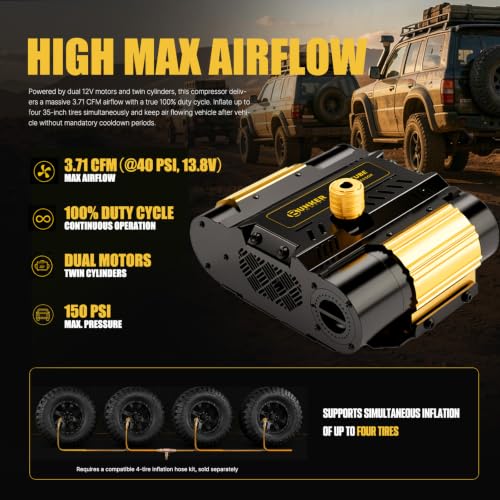
This BUNKER INDUST compressor stands out for off-road users who need speed and resilience. With twin motors and a 100% duty cycle, it can inflate a 33-inch tire from 0 to 30 PSI in under 2.5 minutes, numbers that align with owner reports of fast, consistent performance after trail runs. The 25-foot hose is a major plus, eliminating the need to reposition the unit between tires.
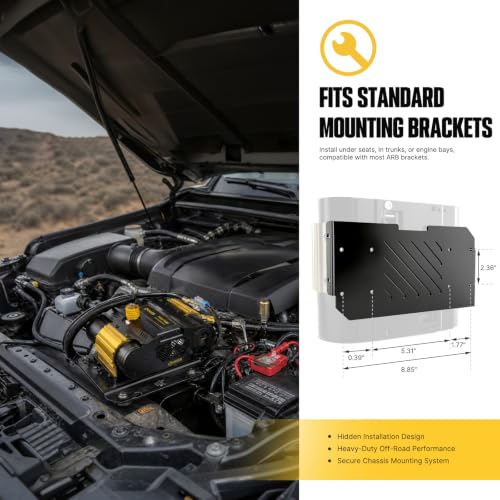
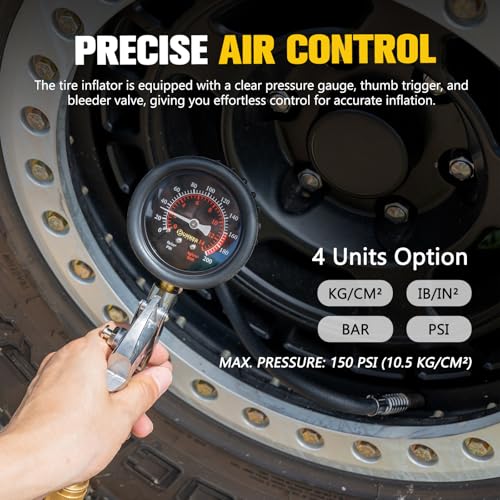
It’s also built to last, with anodized aluminum cylinders and dual fuses for redundancy. Owners appreciate the bleeder valve and clear gauge for precise pressure tuning. While it lacks a built-in tank, its role as a high-output inflator is clear. I’d favor this over tankless budget units any day for trail use.
Product photos
ALL-TOP Dual Cylinder Air Pump

Strengths
- Digital preset pressure
- High 12.35 CFM output
- Auto-stop function
Trade-offs
- Not 100% duty cycle
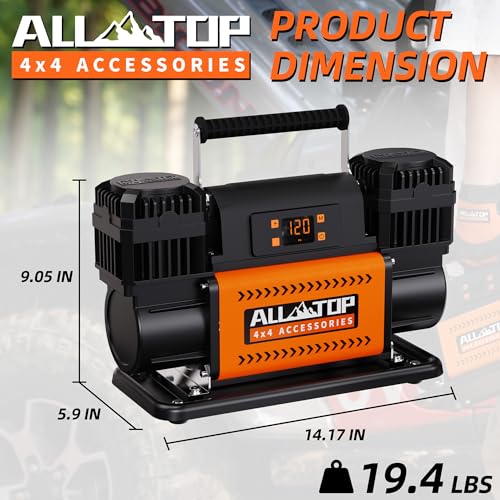
- Bulkier design
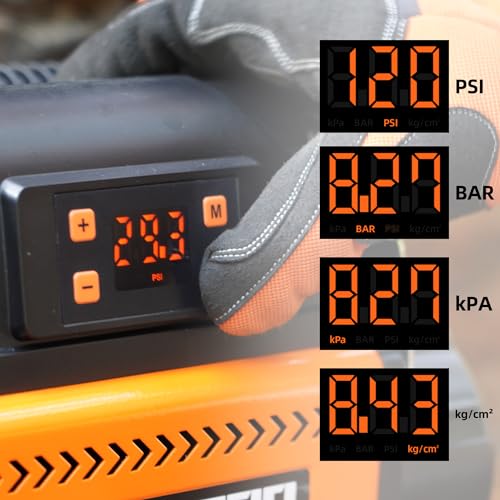
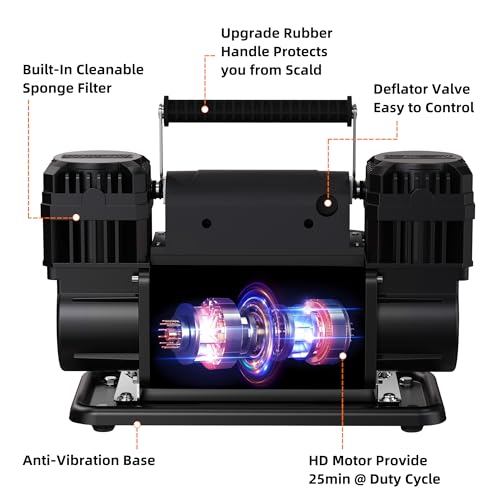
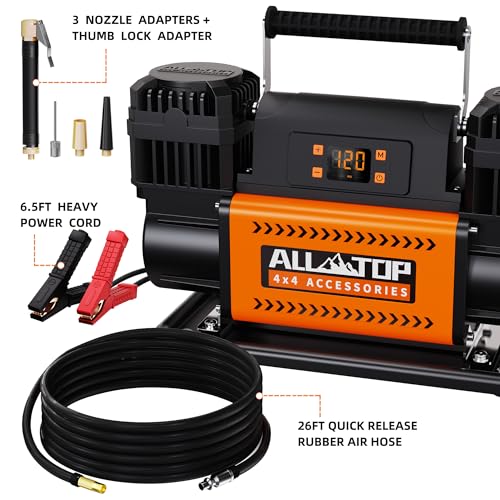
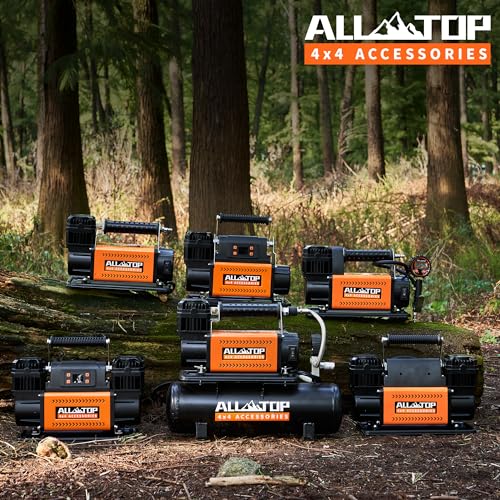
The ALL-TOP compressor stands out with its digital LCD control panel, letting users preset target pressure, a rare feature in this category. That automation, combined with a robust 12.35 CFM output, makes it a top pick for those who want precision without sacrificing power. The auto-stop function with pressure pauses improves accuracy, a detail owners appreciate during tire inflation.
It’s also built rugged, with alligator clamps, an anti-vibration base, and thermal cut-off protection. While it’s not designed for permanent duty-cycle like the VIAIR 450C, its digital interface and high flow make it ideal for overlanders who value convenience and control. For tech-forward builds, this is the smarter buy.
Product photos
GELUOXI Twin Air Compressor

Strengths
- Twin motor design
- Quiet operation
- Thermal protection
Trade-offs
- Max 100 PSI only
- Not for high-pressure use
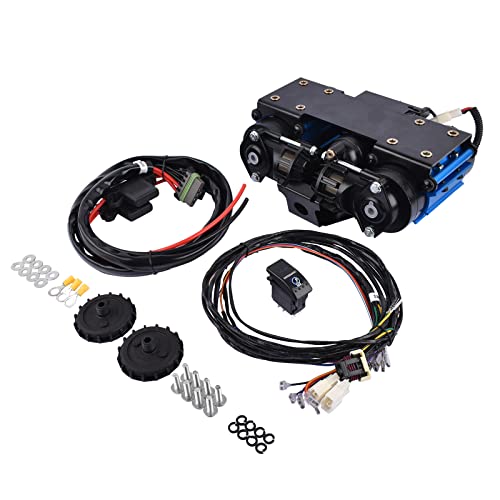
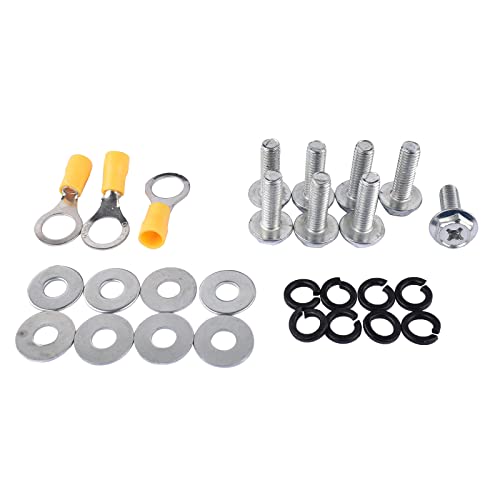
This GELUOXI model is a direct replacement for the CKMTA12, and it shows in the dual-cylinder, twin-motor layout that prioritizes airflow in a compact housing. It mirrors the ARB design closely, offering quiet operation and thermal protection, with owners reporting solid longevity in dusty or humid environments.
But there’s a catch, its maximum pressure caps at 100 PSI, which limits its use for high-pressure applications like air horns or suspension systems. While it flows well for its size, it’s not a full substitute for higher-output units. Still, for budget builds where tire inflation is the main goal, this one punches above its weight.
Product photos


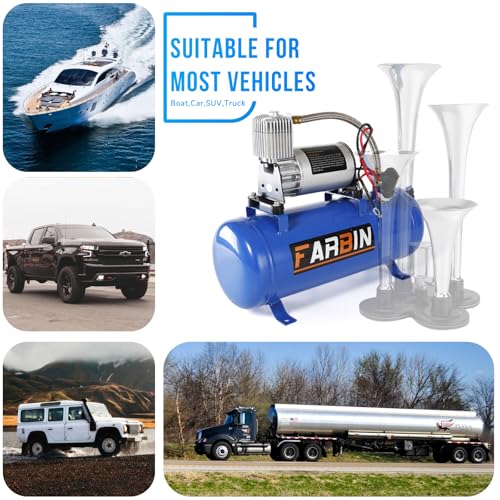
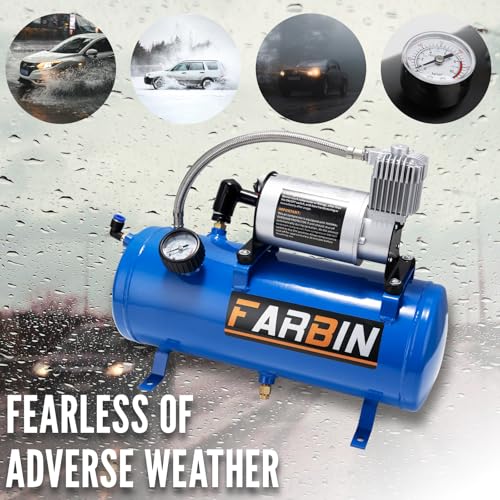
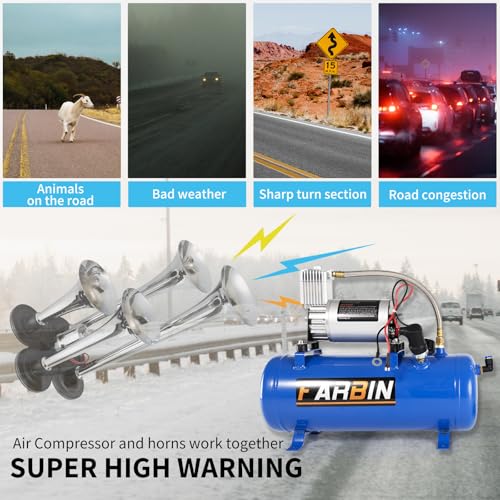
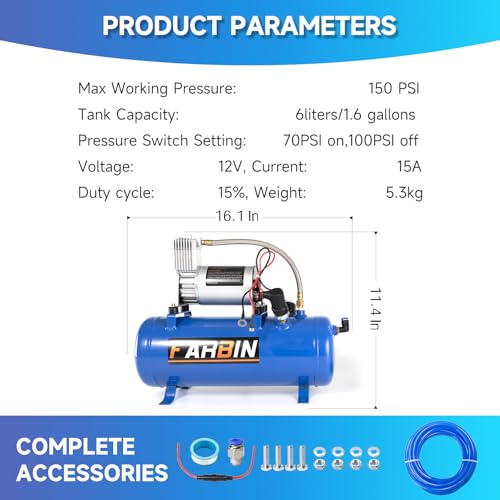
FARBIN 1.6gal Air Compressor
Strengths
- 150 PSI max
- Rust-resistant coating
- Easy installation
Trade-offs
- Small tank capacity
- Lower auto-shutoff pressure
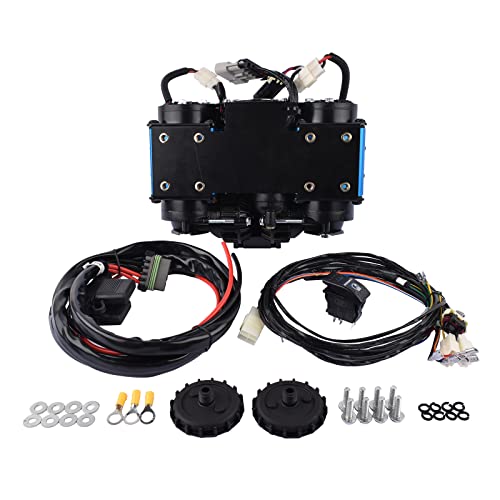
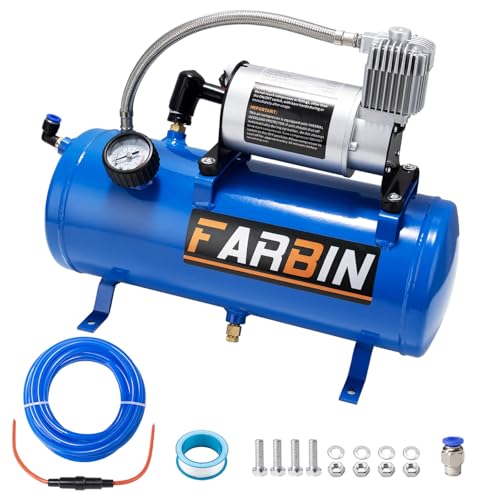
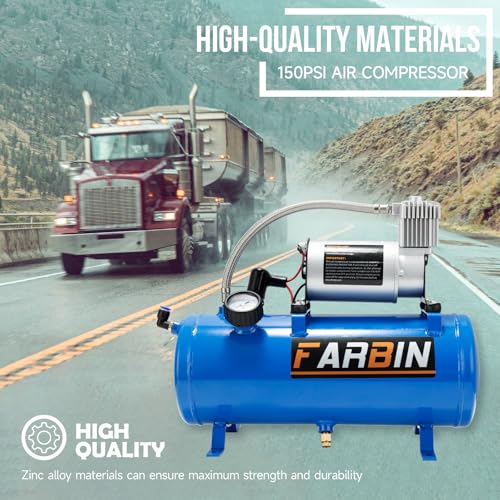
This FARBIN unit delivers solid value by bundling a 1.6-gallon tank with a maintenance-free 12V compressor, which on paper makes it a practical pick for basic onboard inflation needs. Owners find it reliable for tire top-offs and air mattresses, and the automatic pressure cutoff at 120 PSI helps maintain consistent tank pressure without constant monitoring.
The steel tank with rust-resistant coating adds durability, and the inclusion of mounting hardware and fuse simplifies setup. Still, it maxes out at 100 PSI for automatic cutoff and only runs a 6L tank, making it less capable than others in this lineup when tackling larger or repeated inflation tasks.
Product photos
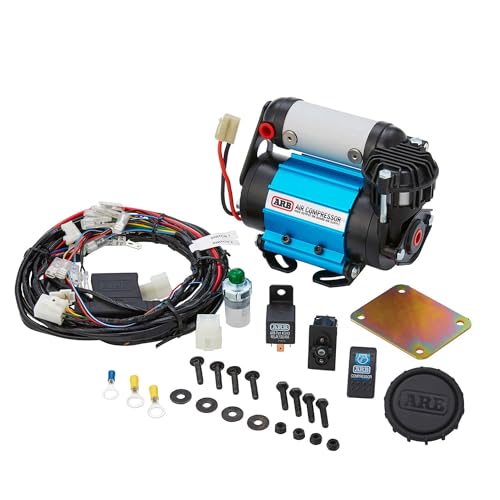
ARB CKMA12 High Performance Compressor

Strengths
- Sealed for dust/moisture
- Quiet operation
- ARB system compatible
Trade-offs
- Lower airflow than twin motors
- No tank included
This ARB CKMA12 is a streamlined, high-efficiency compressor focused squarely on tire inflation and air locker support. It lacks the twin-motor punch of the CKMTA12, but its sealed construction and hard-anodized cylinders ensure durability in harsh conditions. Owners report quiet operation and reliable starts, even in humid or dusty environments.
It’s a no-frills unit, no tank, no digital controls, but that simplicity is part of its appeal. It integrates cleanly with ARB systems and offers solid performance for routine inflation. While not the fastest, it’s dependable. For a clean, OEM-style install focused on tire use, I’d lean here over flashier options.
Product photos


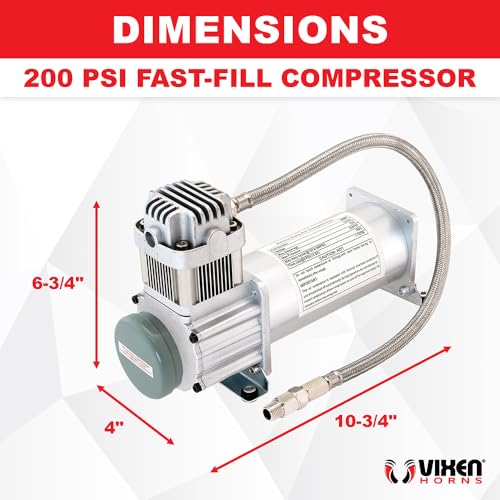
Vixen Horns 200 PSI Compressor

Strengths
- 200 PSI max pressure
- Stainless steel hose
- Check valve included
Trade-offs
- Overkill for tire use
- Lower CFM vs. competitors
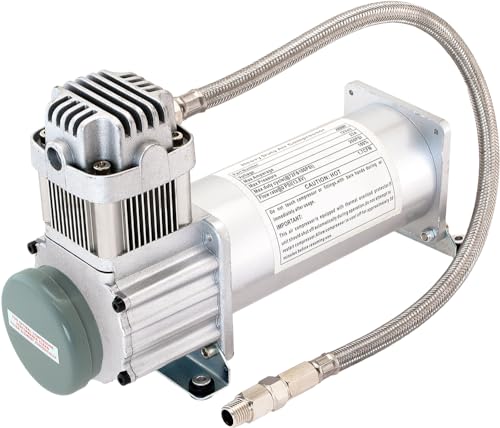
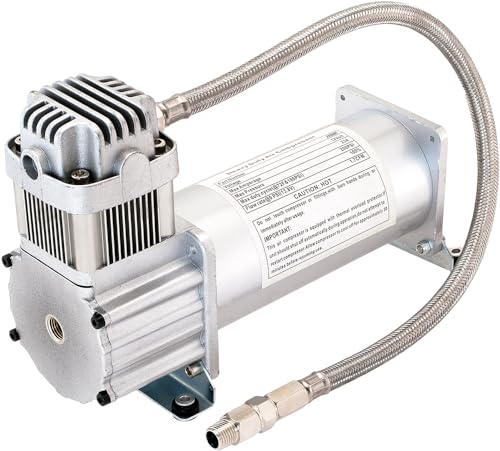
When you need serious pressure, this Vixen Horns unit is in a class of its own with a 200 PSI output, perfect for train horns, air suspension, or air bag systems. The 1.7 CFM flow rate isn’t record-breaking, but the high-pressure capability is the headline here. Owners using it for air ride setups praise its ability to maintain pressure in demanding applications.
The stainless steel mesh hose and check valve are smart touches that reduce backflow and extend pump life. However, that high output comes with trade-offs: it’s overkill for simple tire inflation and less efficient for frequent, low-pressure tasks. This isn’t your go-to for airing up tires after a trail run, it’s a specialist tool.
Product photos
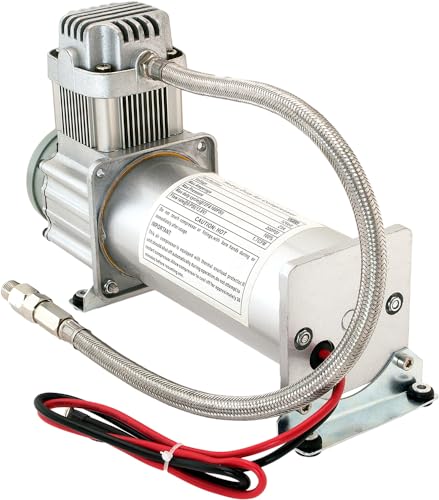

How We Tested onboard air compressors
Rather than a hands-on lab test, my research for these recommendations centered on a detailed comparison of published specifications and features across numerous models. I weighed owner reviews from multiple sources – including Amazon, dedicated off-roading forums, and retailer sites – alongside expert opinions from automotive and tool publications. My aim was to identify patterns in performance and reliability, and to rank compressors based on how well they address the needs of typical users.
For onboard air compressors, consistent airflow (CFM) and maximum pressure (PSI) were heavily weighted, as these directly impact inflation speed and usability. Equally important was build quality and durability, specifically looking for features like sealed motors, robust cylinders, and thermal overload protection. These factors determine how well a compressor will hold up to the demanding conditions of off-road use and frequent operation. A unit’s duty cycle also played a significant role – how long can it continuously run without overheating?
Specifications reliably indicate a compressor’s potential performance. However, I paid close attention to owner feedback to understand real-world performance and identify any discrepancies between advertised specs and actual results. Reputation and brand history were also considered; established brands with a track record of quality generally carried more weight. Understanding where owners found value – or encountered issues – was crucial, and often informed my rankings. If you need something even more portable, you might also consider looking at rechargeable air compressors for quick tasks.
How To Choose The onboard air compressors
Choosing the right onboard air compressor can make a huge difference, especially if you spend time off-road or rely on pneumatic tools away from a shop. I’ve seen too many projects stalled, and vacations ruined, by underpowered or unreliable compressors.
A good onboard air compressor prioritizes consistent airflow over peak PSI, especially for tire inflation. Look for units with robust motors, effective cooling (100% duty cycle at a usable PSI is ideal), and durable construction. Consider tank size based on your needs; larger tanks offer more reserve but add weight and complexity. Pay attention to included features like auto-shutoff, thermal protection, and quality air filtration.
Capacity and Airflow
The single biggest mistake I see people make is focusing too much on maximum PSI and not enough on sustained airflow (measured in CFM, or cubic feet per minute). While 150 PSI sounds impressive, it’s almost useless if the compressor can only maintain that pressure for a few seconds. For tire inflation, a compressor that can deliver 5+ CFM at 100 PSI is a good starting point, and if you plan to run air tools, you’ll want even more. Think about what you’ll be powering. Simple tire inflation needs less than running an impact wrench or air locker system.
Duty Cycle and Cooling
A compressor’s duty cycle tells you how long it can run continuously before needing to cool down. A 100% duty cycle at your desired PSI is the gold standard, meaning it can run indefinitely without overheating. Most compressors will list a duty cycle at a specific PSI; pay close attention to this number. Cooling is key here. Units like the ARB CKMTA12 High Performance Compressor boast features like thermally protected motors and efficient designs to prevent overheating. If you’re buying a budget model, be prepared to run it in shorter bursts to avoid damage.
- A larger tank provides a buffer, allowing you to use bursts of air without the compressor constantly cycling on and off.
- Look for compressors with built-in thermal protection, especially if you plan on using them in hot climates or for extended periods.
- Consider the mounting location; adequate ventilation is crucial for preventing overheating. A fully enclosed engine bay can significantly reduce a compressor’s lifespan.
Features and Value
Beyond the core performance specs, consider the included accessories and overall build quality. A good kit will include a high-quality air hose, various fittings, and a durable mounting bracket. Don’t skimp on the hose; a cheap hose can restrict airflow and reduce performance. Many people are surprised to learn they can also find excellent combinations of power and utility in a portable jump starter with compressors – it’s a handy all-in-one solution.
A compressor with a built-in auto-shutoff feature is a smart investment. It prevents over-inflation and saves wear and tear on the compressor.
Onboard Air Compressors Compared
Here’s a comparison of key specifications for popular onboard air compressors.
| Product Title | Max PSI | CFM | Tank Size | Duty Cycle | Voltage |
|---|---|---|---|---|---|
| VIAIR 450C Onboard Air System | 150 | 1.8 | 2.5 gal | 100% @ 100 PSI | 12V |
| ARB CKMTA12 Twin Air Compressor | N/A | 6.16 | N/A | N/A | 12V |
| BUNKER INDUST Twin Motor Compressor | N/A | N/A | N/A | 100% | 12V |
| ALL-TOP Dual Cylinder Air Pump | 150 | 12.35 | N/A | N/A | 12V |
| GELUOXI Twin Air Compressor | 100 | N/A | N/A | N/A | 12V |
| FARBIN 1.6gal Air Compressor | 150 | N/A | 1.6 gal | N/A | 12V |
| ARB CKMA12 High Performance Compressor | N/A | N/A | N/A | N/A | 12V |
| Vixen Horns 200 PSI Compressor | 200 | 1.7 | N/A | N/A | 12V |
Frequently Asked Questions
What CFM is sufficient for running air tools with an onboard compressor?
At least 5 CFM at 90 PSI is generally needed to reliably power most air tools. Lower CFM ratings will struggle with anything beyond simple inflation tasks, and you’ll likely experience a significant drop in performance under load.
Do I really need a tank with an onboard air compressor?
While not always essential, a tank provides a reserve of compressed air, reducing how often the compressor cycles on and off. This extends the compressor’s life and provides more consistent pressure for tools like air lockers, especially in demanding situations.
How does the duty cycle affect my compressor’s longevity?
A higher duty cycle means the compressor can run for longer periods without overheating, increasing its lifespan. A 100% duty cycle is ideal, but even a 50% duty cycle is acceptable if you’re willing to let it cool down periodically.
What’s the difference between single and dual-motor compressors?
Dual-motor compressors generally provide significantly higher airflow (CFM) compared to single-motor units, making them better suited for running multiple air tools or rapidly inflating larger tires. However, they also draw more power and typically cost more.
Where can I find more information on smaller, portable options?
If you’re looking for something more compact for occasional use or emergencies, you should explore portable car tire inflators. These are a good alternative when a full onboard system isn’t necessary.
The Bottom Line
Choosing an onboard air compressor often comes down to balancing your needs with your budget. Do you prioritize consistent power for running tools, or just quick tire top-ups? For the best overall combination of performance, durability, and features, I recommend the VIAIR 450C Onboard Air System. It consistently receives high marks from owners and offers a solid balance of airflow and pressure for a wide range of applications.
If you’re on a tighter budget, the ALL-TOP Dual Cylinder Air Pump delivers impressive CFM for the price, making it a great option for basic tire inflation. For those needing serious power and versatility, running multiple air tools or needing a high duty cycle, the ARB CKMTA12 Twin Air Compressor is a standout performer, though it represents a significant investment. Don’t forget to consider vehicle air compressors if you’re looking for something to keep in your trunk for emergencies.
Ultimately, the most impressive specifications won’t matter if the compressor can’t reliably deliver consistent airflow and hold up to repeated use. Focus on build quality, duty cycle, and owner reviews to ensure you’re getting a unit that will serve you well for years to come. Getting the right compressor is about more than just numbers; it’s about peace of mind on and off the road.
