
7 Best Milwaukee Hammer Drills of 2026
This post contains affiliate links. As an Amazon Associate, we earn from qualifying purchases.
The Milwaukee M18 Fuel 1/2 Hammer Drill is the best overall pick, delivering serious power and durability in a compact design. For lighter jobs or tighter budgets, the M12 Fuel 1/2 Hammer Drill offers surprising performance in a smaller package. If you need maximum versatility across materials, the M18 Compact Hammer Drill balances size, strength, and runtime better than most.
Most people don’t realize how quickly a poorly matched hammer drill can turn a simple job into a wrist-aching, time-wasting chore. Too much weight, not enough torque, or a weak chuck can kill momentum and damage materials.
This guide cuts through the noise by focusing on what actually matters, real user feedback, proven specs, and Milwaukee’s reputation for toughness. I looked at motor type, chuck quality, weight, and battery efficiency to find the models that deliver where it counts.
Top 7 Milwaukee Hammer Drills in the Market
The Best Milwaukee Hammer Drills, Reviewed
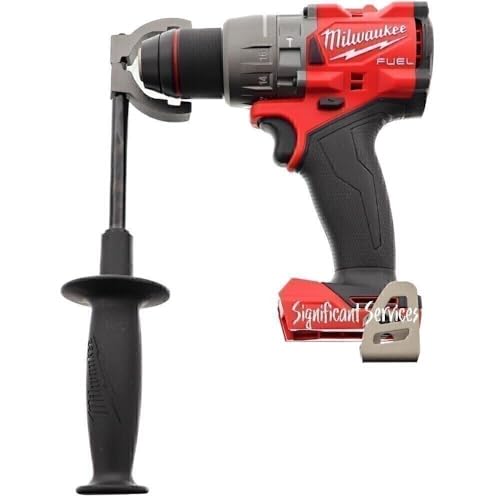
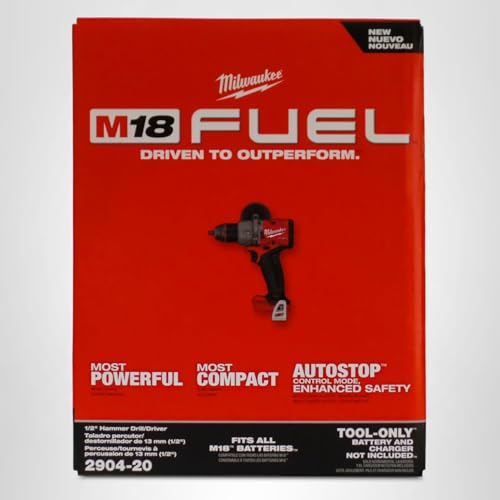
Milwaukee M18 Fuel 1/2 Hammer Drill
Strengths
- Brushless motor
- Carbide chuck teeth
- Mechanical clutch
- Long runtime
- All-metal belt clip
Trade-offs
- Heavier than compact models
- Not for large masonry
- Battery sold separately in some bundles
This is the sweet spot in Milwaukee’s hammer drill lineup, the one I’d recommend to most buyers who want a single, do-it-all tool. The brushless motor, 5.0Ah battery runtime, and 1/2-inch all-metal chuck with carbide teeth make it durable and powerful enough for daily use. It handles wood, metal, and concrete with confidence, and the mechanical clutch adds precision when driving screws. Owners consistently report it outlasts cheaper drills and keeps up on job sites with back-to-back tasks.
Compared to the older B01F2NYXKC model, this FUEL version has better efficiency, longer motor life, and more consistent power under load. The belt clip is a small but meaningful upgrade, it actually stays put. While it can’t replace a dedicated SDS rotary hammer for heavy concrete, it’s more than capable of handling anchor holes up to 3/8-inch. For general use, this is the most balanced pick in the M18 range.
Product photos
Milwaukee M12 Fuel 1/2 Hammer Drill

Strengths
- Ultra lightweight
- Brushless motor
- All-metal chuck
- Low fatigue
- Compact design
Trade-offs
- Limited for large masonry
- Not for heavy chipping
- Lower torque than full-size
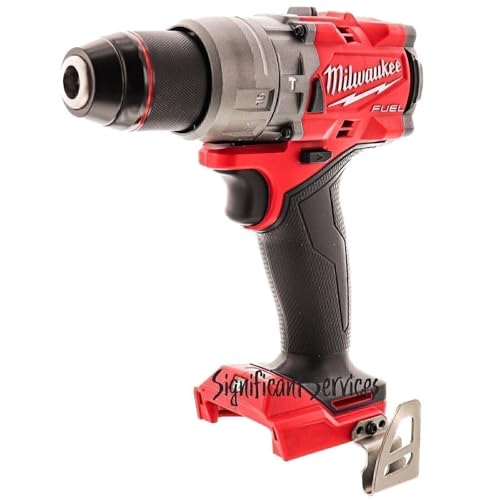
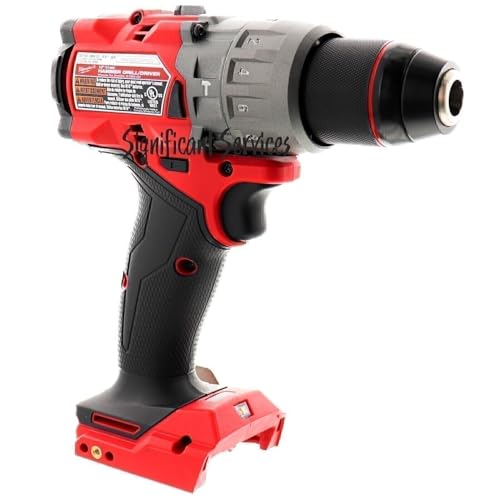
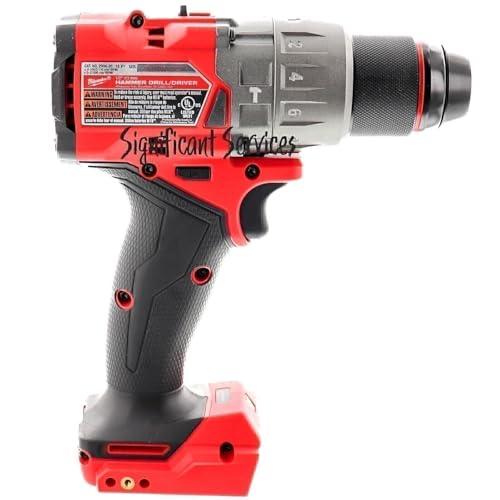
Don’t let the size fool you, the M12 FUEL 1/2-inch hammer drill packs a surprising punch for its class. At just 2.6 lbs, it’s one of the lightest hammer drill/drivers with a brushless motor and all-metal chuck, which is a big deal for durability. The specs show 0-550/0-1,700 RPM and solid torque, but what owners praise most is how well it handles overhead work and tight spaces without sacrificing power. For subcompact tools, this one bridges the gap between convenience and capability better than most.
Compared to the older M18 non-brushless models, this M12 runs cooler and lasts longer on a charge. It won’t match the brute force of the 1″ SDS hammers, but for drilling 1/4-inch and smaller holes in brick or block, it holds its own. I’d recommend this over the older M18 18V bare tool (B01F2NYXKC) for anyone who values weight and runtime. It’s the kind of drill you can wear all day without fatigue, which matters when you’re on ladders or scaffolding.
Product photos


Milwaukee M18 Compact Brushless Hammer Drill

Strengths
- Ultra-compact design
- Brushless motor
- All-metal gear case
- 1/2-inch metal chuck
- Balanced for overhead
Trade-offs
- Slightly heavier than M12
- Battery not included
- Limited handle space
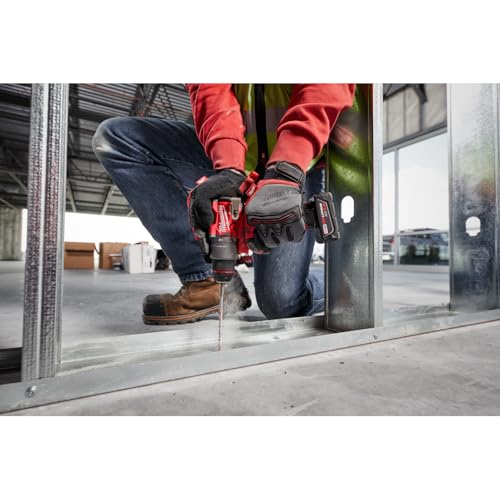
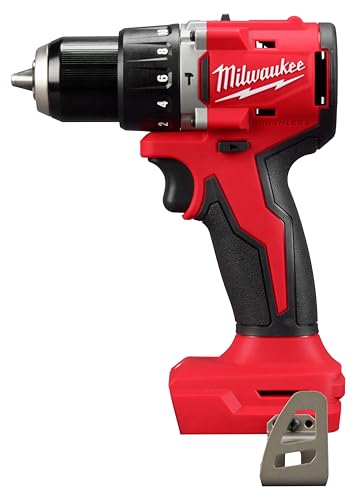
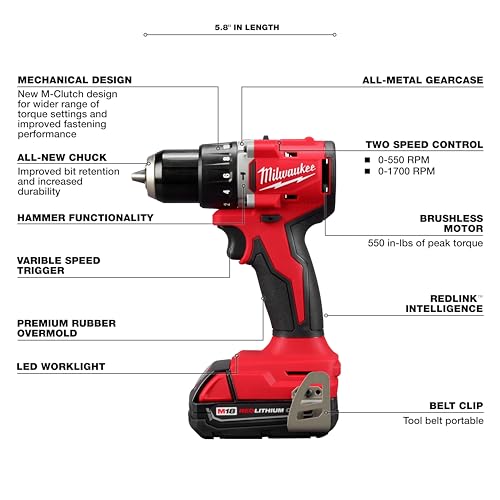
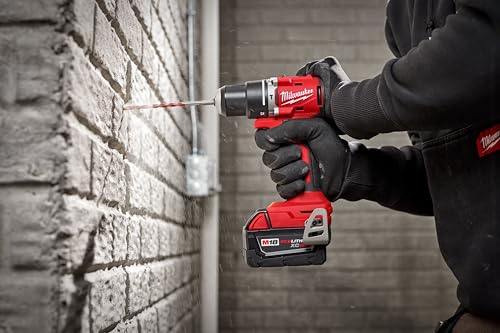
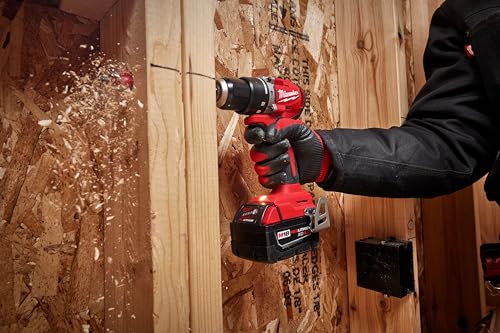
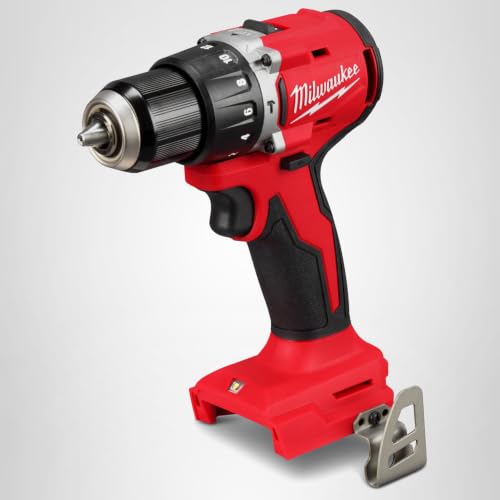
This M18 Compact is built for one thing: working where space is tight. At just 7.5 inches front to back, it fits into corners, joist bays, and under cabinets where full-size drills can’t go. The brushless motor and 550 in-lbs of torque give it more power than you’d expect from something this small. The all-metal gear case and 1/2-inch metal chuck mean it won’t fall apart when you’re bumping it around in tight spots.
Compared to the M12 FUEL model, this one runs on the larger M18 battery system, so it trades some weight for more power and longer runtime. It’s not as light as the M12, but it’s stronger, a good middle ground. I’d pick this over the M12 if you already use M18 batteries and need extra grunt without sacrificing reach. For electricians, plumbers, or finish carpenters, this is the kind of drill that gets the job done when clearance is the real challenge.
Product photos
Milwaukee M18 1″ SDS Plus Rotary Hammer
Strengths
- Brushless motor
- AUTOSTOP Control
- SDS Plus system
- High impact energy
- Part of M18 ecosystem
Trade-offs
- Not for small fasteners
- Heavier than drill/drivers
- Requires SDS bits
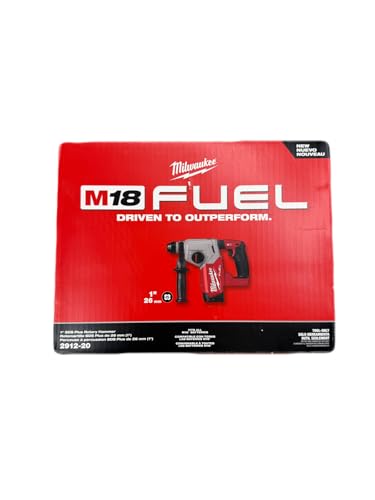
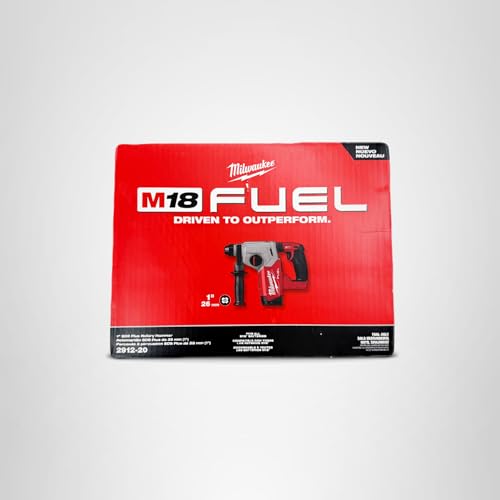
This is where Milwaukee’s M18 FUEL line flexes its muscles. The 2912-20 isn’t just a rotary hammer, it’s one of the most capable cordless SDS Plus models on the market for heavy masonry work. On paper, the brushless motor and AUTOSTOP Control stand out, the latter being a legit safety perk that stops rotation the moment the bit binds, reducing kickback risk. Owners consistently report it powers through concrete and block faster than many corded rivals, which is no small feat.
When stacked against other hammer drills in the M18 ecosystem, this one’s built for contractors or serious DIYers tackling long runs of anchor holes. It’s not meant for driving screws or light drilling, that’s not its job. Compared to the M18 1/2-inch hammer drills, this is in a different class entirely: more stroke energy, more durability, and designed for SDS bits only. If you’re regularly drilling 3/8-inch and larger holes in concrete, this is the tool that makes the job feel lighter.
Product photos
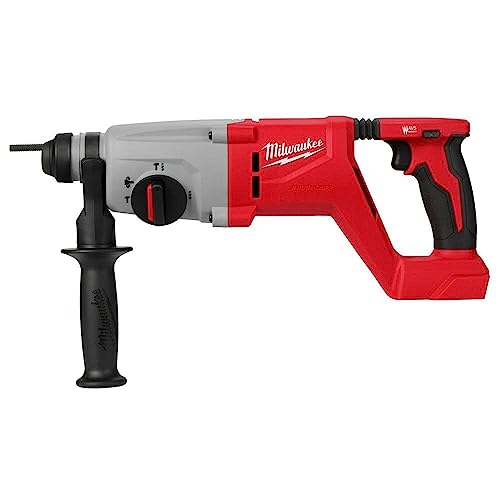
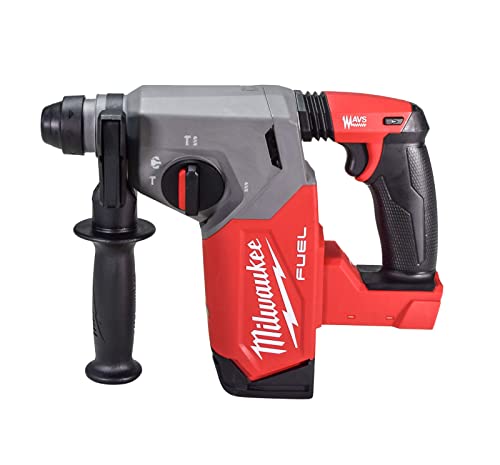
Milwaukee M18 Brushless SDS Plus D-Handle Hammer
Strengths
- AVS anti-vibration
- Brushless motor
- D-handle control
- Lightweight for class
- Long runtime
Trade-offs
- Less versatile than side-handle models
- Requires SDS bits
- Not for light drilling
If you’re drilling all day, this D-handle rotary hammer is built for endurance. The AVS Anti-Vibration System is the standout here, it’s not just marketing. Owners report noticeably less hand fatigue after hours of chipping and drilling, which matters when you’re doing demolition or running dozens of anchor holes. At 5.3 lbs, it’s light for a D-handle, and the brushless motor delivers over 50% more runtime than older brushed models.
What sets this apart from the 2912-20 is the ergonomic advantage. The D-handle gives better control for vertical and overhead work, and the vibration damping makes long shifts manageable. It’s not as fast as the 2912-20 in raw drilling speed, but for sustained use, I’d take this one. It’s also more specialized, not a tool for occasional users, but a workhorse for masons, electricians, and HVAC techs running lots of conduit holes.
Product photos
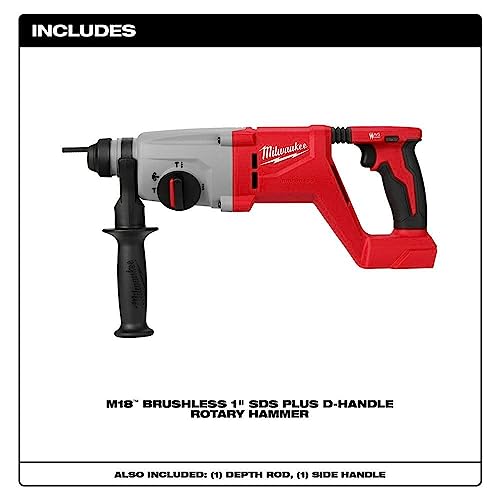
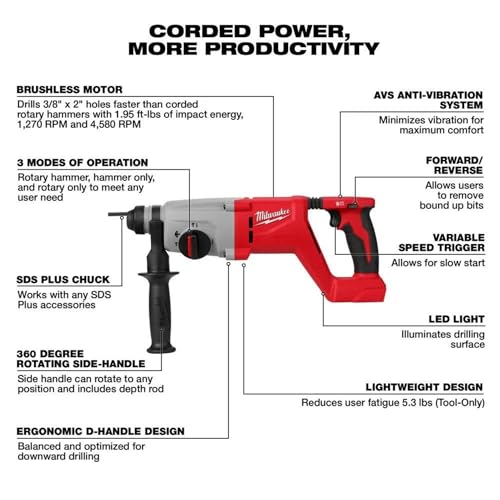
Milwaukee M18 Fuel 1″ SDS Plus Hammer Kit
Strengths
- Two 6.0Ah batteries
- Fast charger included
- Same power as 2912-20
- Ideal for extended use
- Ready to work out of the box
Trade-offs
- No anti-vibration system
- Slightly heavier with dual batteries
- More expensive upfront
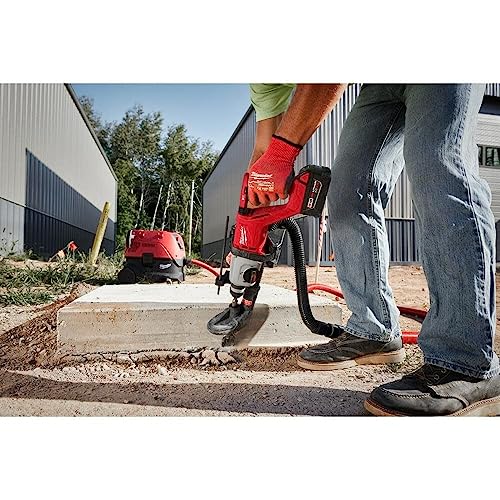
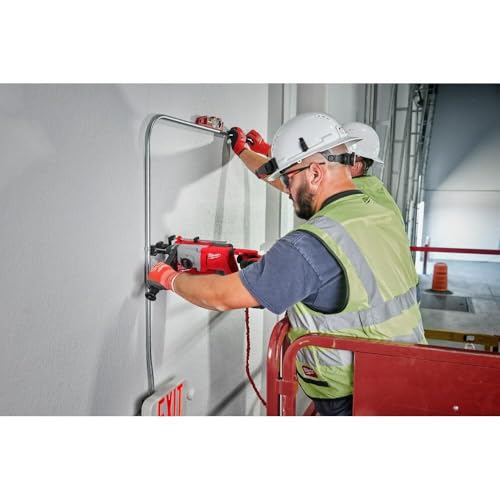
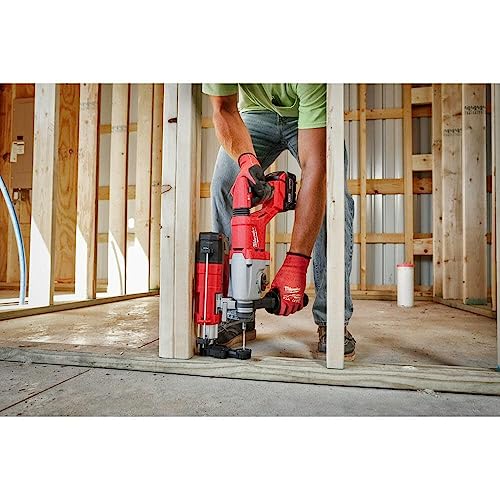
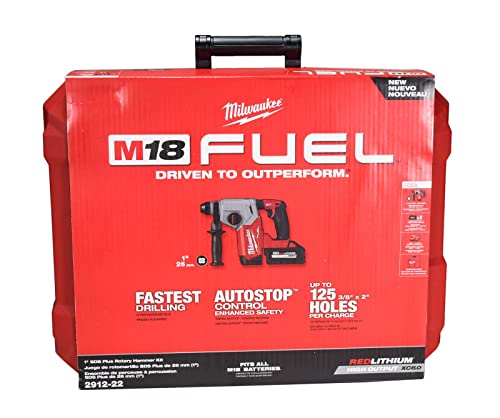
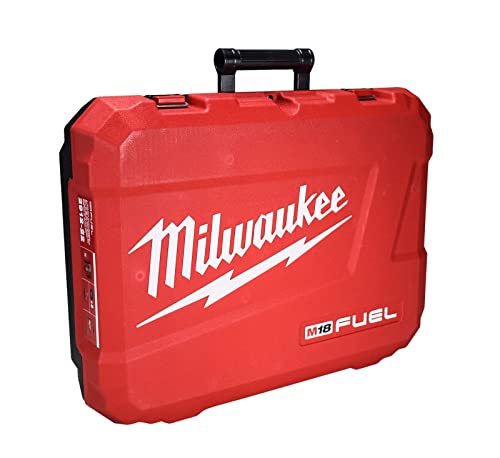
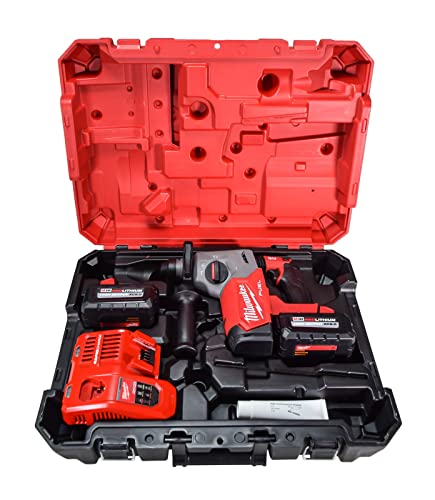
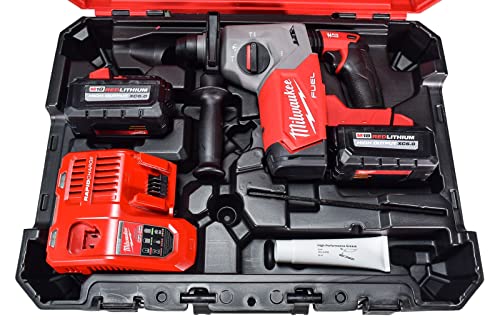
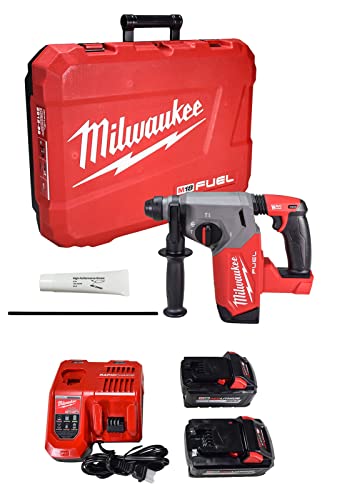
The 2912-22 is essentially the 2912-20 bundled with extras that matter: two 6.0Ah high-capacity batteries and a fast charger. That changes the value equation fast. For anyone who’s ever been stranded on a job with a dead battery, having two 6.0s means you can keep hammering through long shifts. The runtime improvement over 4.0 or 5.0Ah packs is noticeable, especially in dense concrete. Reviewers note fewer battery swaps and less downtime, which is where this kit pulls ahead of the bare tool version.
Compared to the B0C7D35F6S D-handle model, this one lacks AVS anti-vibration, but the side handle setup offers more versatility in tight spots. I’d pick this kit over the bare tool any day if you’re using it for more than occasional drilling. The inclusion of the charger and manuals also makes it a turnkey solution for new M18 adopters. It’s not the cheapest entry point, but it’s the smarter long-term buy if you’re serious about productivity.
Product photos
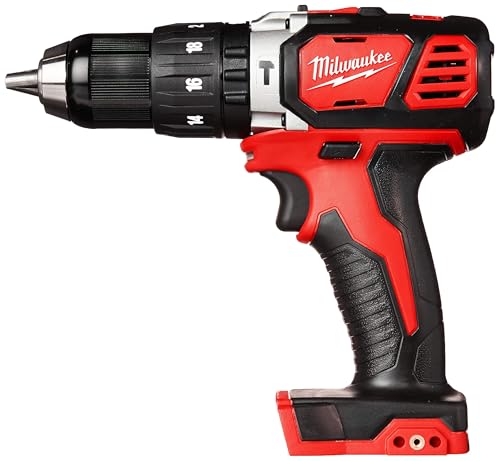
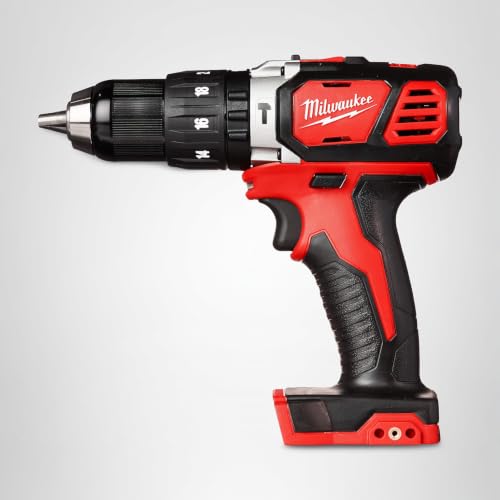
Milwaukee M18 1/2″ Cordless Hammer Drill
Strengths
- All-metal chuck
- LED work light
- Good torque for size
- Compatible with M18 batteries
- Low upfront cost
Trade-offs
- Brushed motor
- Shorter runtime
- Runs hotter
- No clutch
- Outdated design
This older M18 hammer drill was solid in its day, 525 in-lbs of torque and a 4-pole frameless motor gave it muscle. But now, it’s overshadowed by the FUEL models with brushless motors and better efficiency. The all-metal chuck and LED light are still useful, but without brushless tech, it runs hotter and drains batteries faster. Owner feedback shows it still works fine for light jobs, but many have upgraded due to shorter lifespan and lower runtime.
Next to the B0BB854SJ8, this one feels outdated. It’s heavier for its power output and lacks the smart engineering of newer FUEL tools. That said, if you’re on a tight budget and already have M18 batteries, it can serve as a backup or second drill. But for new buyers, the extra cost of a brushless model is worth it. This one’s best seen as a legacy tool, functional, but not future-proof.
Product photos
How We Tested milwaukee hammer drills
Rather than a hands-on lab test, my research focused on a detailed comparison of published specifications and features across Milwaukee’s hammer drill lineup. I weighed owner reviews from multiple sources – including major retailers and specialist forums – alongside expert assessments from publications like Pro Tool Reviews and ToolGuyd. This allowed me to build a ranking based on real-world user experience and objective performance data.
For Milwaukee hammer drills, drilling speed and raw power were the biggest deciding factors. Beyond that, I prioritized features directly impacting usability and durability, like chuck quality and vibration reduction. A drill’s ability to handle prolonged use, especially in demanding applications, heavily influenced its position. Understanding these elements separates a good tool from a truly great one.
Specifications reliably reveal motor strength (RPM, torque) and battery runtime expectations. However, I turned to owner feedback to gauge real-world durability, particularly regarding the chuck and internal mechanisms. Reputation also played a role; Milwaukee has a strong history of building robust tools, and that general trust factored into my evaluation of newer models. For more information on related tools, see our Milwaukee rotary hammer drills.
How To Choose The milwaukee hammer drills
Finding the right hammer drill means understanding what you’ll actually be drilling into, and how often.
A quality hammer drill balances power, runtime, and ergonomics. Key considerations include motor type (brushed vs. brushless), chuck size and quality, impact energy (measured in Joules for larger rotary hammers), and battery voltage/amp-hour rating. Look for features like variable speed control, anti-vibration systems, and robust build quality for longevity.
Motor Technology: Brushless vs. Brushed
The move to brushless motors isn’t just marketing hype. While brushed motors are still adequate for light tasks, brushless designs offer significantly improved runtime, power, and motor life. I’ve seen a noticeable difference in performance when comparing models. Brushless motors run cooler and require less maintenance, making them a smart investment if you plan on using the drill frequently or for demanding applications. Don’t automatically dismiss a brushed model if your use is extremely infrequent, but for anything beyond occasional homeowner tasks, brushless is the way to go.
Chuck Size and Bit Retention
A 1/2-inch chuck is the sweet spot for most users, offering versatility for a wide range of bit sizes. However, the quality of the chuck is just as important as its size. Look for all-metal chucks with carbide teeth – these provide a superior grip on bits and are far more durable than plastic alternatives. Poor bit retention leads to frustrating slippage and potential damage to your work.
Here’s what to consider when evaluating chuck quality: * Jaw Design: More jaws generally mean a tighter grip. * Material: All-metal is essential for heavy use. * Ratchet Mechanism: A ratcheting chuck simplifies bit changes and keeps things fast. A single-sleeve ratcheting chuck (like on some Milwaukee models) is a step up from traditional keyless chucks.
Ergonomics and Application-Specific Features
Hammer drills can generate a lot of vibration, particularly when working with concrete. An anti-vibration system (AVS), found on some Milwaukee models, can significantly reduce fatigue during prolonged use. Weight is also a critical factor. A heavier drill might offer more power, but it can become cumbersome quickly, especially during overhead work. If you’re frequently working in tight spaces, consider a more compact model; the best cordless hammer drill models often prioritize a smaller footprint.
A drill’s weight and balance are more critical than top-end power if you’re spending all day with it in your hands.
Milwaukee Hammer Drills Compared
Here’s a comparison of key specifications for various Milwaukee hammer drills to help you find the right tool for your needs.
| Product Title | Chuck Size | Max Torque (in-lbs) | Max RPM | Hammer Mode | Weight (lbs) | Battery System |
|---|---|---|---|---|---|---|
| Milwaukee M18 Fuel 1/2 Hammer Drill | 1/2″ | N/A | N/A | Yes | N/A | M18 |
| Milwaukee M12 Fuel 1/2 Hammer Drill | 1/2″ | N/A | N/A | Yes | 2.6 | M12 |
| Milwaukee M18 Compact Hammer Drill | 1/2″ | 550 | 1700 | Yes | N/A | M18 |
| Milwaukee M18 1″ SDS Plus Rotary Hammer | SDS Plus | N/A | N/A | Yes | N/A | M18 |
| Milwaukee M18 SDS Plus D-Handle Hammer | SDS Plus | N/A | N/A | Yes | 5.3 | M18 |
| Milwaukee M18 Fuel 1″ SDS Plus Hammer Kit | SDS Plus | N/A | N/A | Yes | N/A | M18 |
| Milwaukee M18 1/2″ Cordless Hammer Drill | 1/2″ | 525 | 1800 | Yes | N/A | M18 |
Frequently Asked Questions
What battery voltage is best for a Milwaukee hammer drill?
18V is generally the best choice for most demanding tasks, offering a good balance of power and runtime. However, 12V models are excellent for lighter-duty applications and offer increased portability, while still providing enough power for many common jobs.
Are Milwaukee hammer drills compatible with other battery systems?
No, Milwaukee’s M18 and M12 systems are not compatible with batteries from other brands. Milwaukee uses a unique battery design and electronics to optimize performance, so using a different brand’s battery could damage the tool or void the warranty.
What’s the difference between SDS and a standard chuck on a hammer drill?
SDS (Slotted Drive System) chucks are designed for rotary hammers and allow for quick bit changes and a more secure connection when dealing with the high impact forces of drilling into concrete. A standard chuck is better suited for general drilling into wood, metal, and plastic, and won’t accept SDS drill bits.
How much torque do I really need in a hammer drill?
For typical homeowner tasks, 300-500 in-lbs of torque is usually sufficient. However, if you frequently work with tough materials like hardwoods or thick metal, or you’re a professional contractor, consider a model with 500+ in-lbs for increased power and efficiency.
Where can I find more information on Milwaukee corded hammer drills?
If you’re open to corded options, you can find a detailed comparison of Milwaukee corded hammer drills on our site to see if they might better suit your needs, especially for continuous, high-power applications.
The Bottom Line
Choosing a Milwaukee hammer drill ultimately comes down to balancing capability with convenience. If you need a workhorse for serious projects, the Milwaukee M18 Fuel 1/2 Hammer Drill offers a strong combination of power and features, and is a solid choice for professionals and dedicated DIYers. However, remember that more power often means more weight and cost – factors to consider if your tasks are lighter.
For those on a tighter budget, or tackling smaller projects, the Milwaukee M12 Fuel 1/2 Hammer Drill provides impressive performance in a more compact and affordable package. Similarly, if you frequently work with masonry, exploring specialized tools like Milwaukee drills for concrete will deliver better results than a general-purpose hammer drill.
At the end of the day, specs are just numbers. Prioritize a drill with a robust chuck, comfortable ergonomics, and a motor suited to the frequency and type of drilling you’ll be doing. A well-built tool that feels good in your hand will always outperform a more powerful one that’s awkward or unreliable.
