7 Best Jewelry Making Tools of 2026
This post contains affiliate links. As an Amazon Associate, we earn from qualifying purchases.
The WORKPRO 7-Piece Jewelry Pliers Set stands out as the best overall choice, offering solid carbon steel construction and a well-rounded selection for most tasks. If you’re watching your budget, the vouiu 10-Piece Set delivers strong value without sacrificing too much quality. For precise wire work, the KATA Mini Flush Cutters are the clear winner.
I’ve seen plenty of hobbyists waste time and wire because their tools couldn’t keep up. Jewelry making demands precision, repetition, and control, and the wrong pliers or cutters can turn a relaxing project into a frustrating mess. After comparing the field and weighing specs against real owner feedback, I focused on tools that deliver consistent performance, durable builds, and comfortable handling.
This guide breaks down what actually matters when choosing pliers, loopers, and cutters, from steel quality to ergonomic design, and highlights top picks based on how they perform across common jewelry-making techniques.
Top 7 Jewelry Making Tools in the Market
The Best Jewelry Making Tools, Reviewed
WORKPRO 7-Piece Jewelry Pliers Set

Strengths
- Nylon jaw pliers
- Well-organized pouch
- Balanced tool selection
Trade-offs
- No multi-size looper
- Crimper slightly stiff
- Pliers slightly heavier
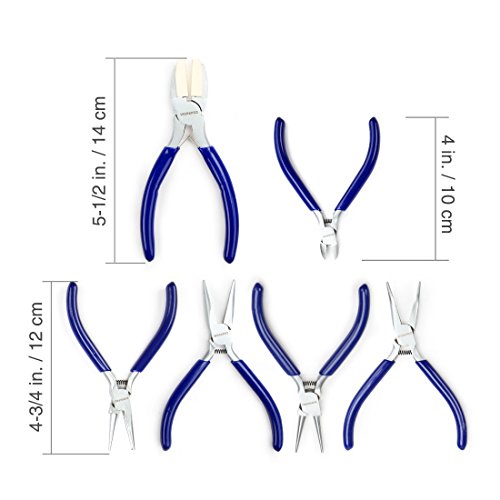
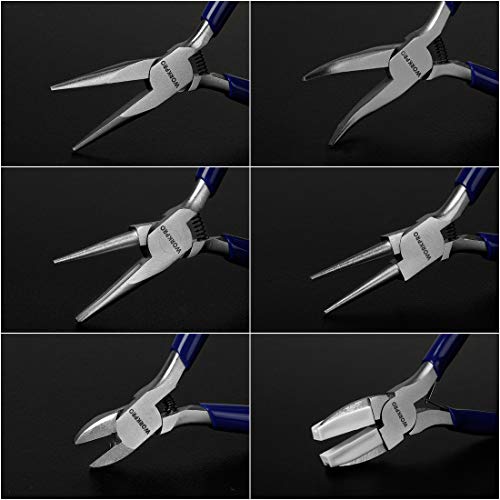
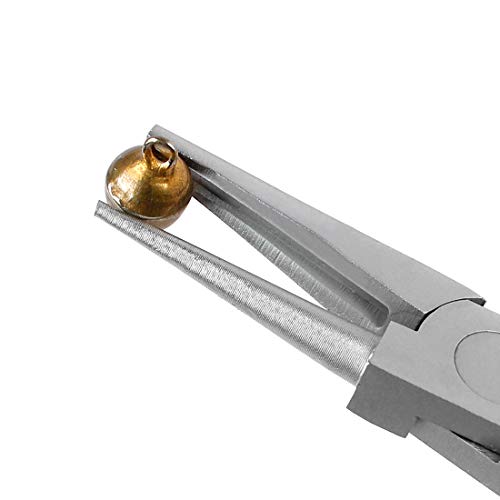
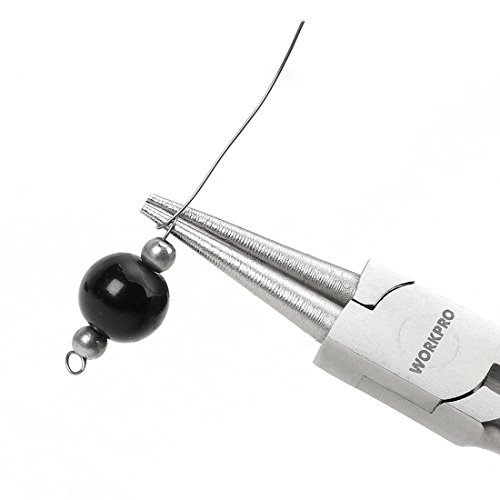
This is the kind of set I’d suggest as the default starting point for most people. It doesn’t go overboard with gimmicks, but it delivers well-made, functional tools in a thoughtful layout. The inclusion of nylon jaw pliers is a standout, owners consistently praise them for gripping without marring delicate wires or finished pieces. The round nose and bent nose pliers have smooth action, and the wire looping plier helps maintain consistent curve sizes, which matters when you’re making multiples.
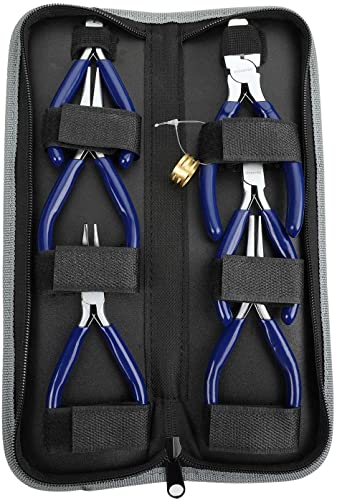
The zippered pouch with elastic loops keeps everything in place, making it easy to take to classes or store neatly. Compared to the shynek kit, this set trades sheer volume of findings for better tool quality. And unlike the vouiu set, the fit and finish here are more reliable. For most buyers, this is the smarter buy right out of the gate.
Product photos
vouiu 10-Piece Jewelry Pliers Set

Strengths
- Affordable 10-piece set
- Decent steel build
- Good grip comfort
Trade-offs
- Inconsistent jaw alignment
- Crimpers less precise
- No storage pouch
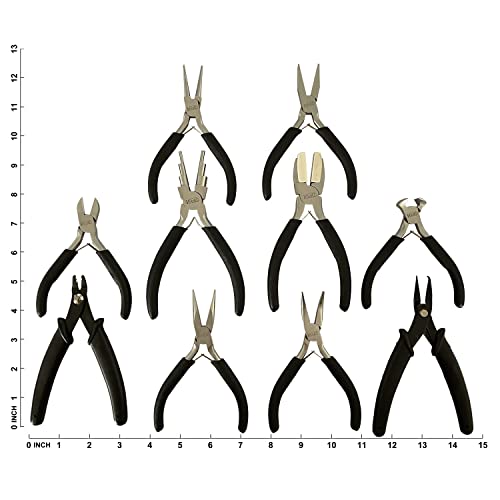
Ten tools in one set sounds impressive, and on paper, this covers most bases: round nose, bent nose, flat nose, cutters, crimpers, even split ring pliers. For the budget-friendly label, it’s hard to argue with the spread. The high-carbon steel construction is a plus, and owners report these hold up reasonably well for light to moderate use. The anti-slip grips help, especially if you’re working for longer stretches.
But here’s the catch, while it’s a great value, some users mention the jaw alignment isn’t perfect out of the box, which can lead to uneven bends or crushed crimps. It’s not a dealbreaker, but it means you might need to tweak or file edges. Compared to the WORKPRO set, it’s close on price but falls short in finish and consistency. Still, if you’re building a toolkit on a tight budget, this gets you moving.
Product photos

shynek 1857 Pcs Jewelry Making Kit
Strengths
- Beginner-friendly
- Well-organized
- Thorough findings
Trade-offs
- Pliers lack precision
- Plastic pouch zippers weak
- Some wire low quality
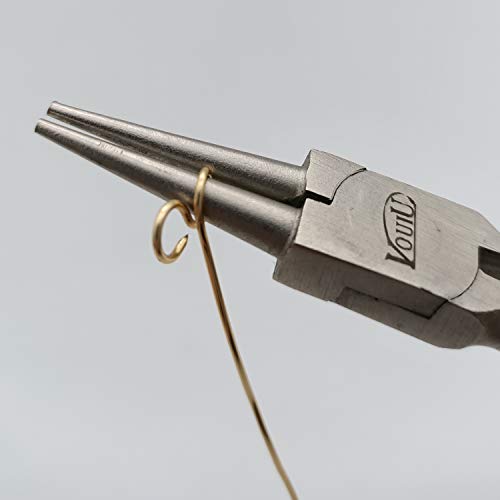
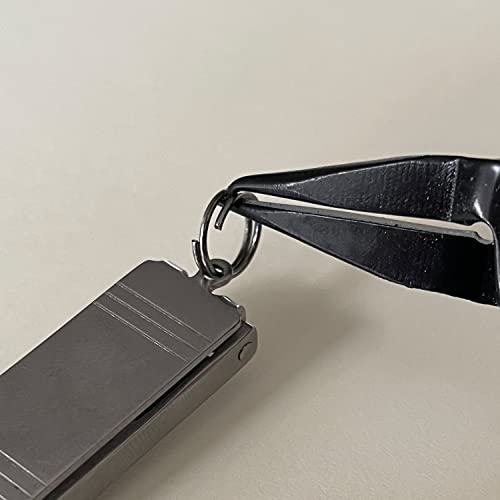
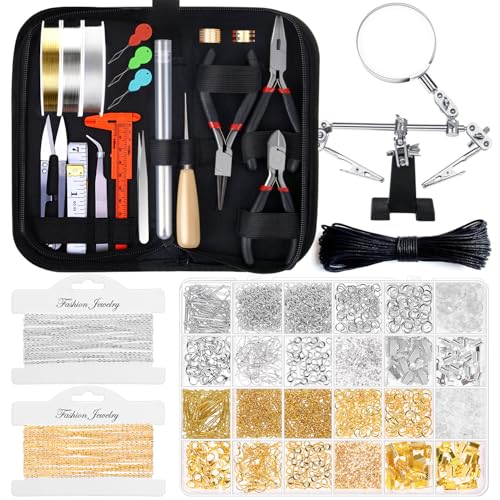
This kit throws everything at the wall, and for a beginner, that’s exactly what works. On paper, the sheer volume of components, from jump rings to earring hooks and multiple wire types, makes it a solid launchpad for someone just dipping into jewelry making. Owners consistently report that the included tools, especially the round nose, chain nose, and wire cutters, are functional enough to start shaping wire and assembling basic designs without frustration.
The helping hands tool and zip pouch add real organizational value, which reviewers highlight as a win for small workspaces. But let’s be clear, this isn’t a pro-grade toolkit. The pliers are serviceable but lack the precision forging and refined spring action you’d expect in higher-end sets. Still, for the scope of what it promises, it delivers. I’d recommend this over pricier starter kits that skimp on findings just to charge more.
Product photos


The Beadsmith Original One Step Looper

Strengths
- One-step loop and trim
- Consistent 1.5mm loops
- Reduces hand fatigue
Trade-offs
- Single loop size
- Not for thick wire
- Upper jaw hole small
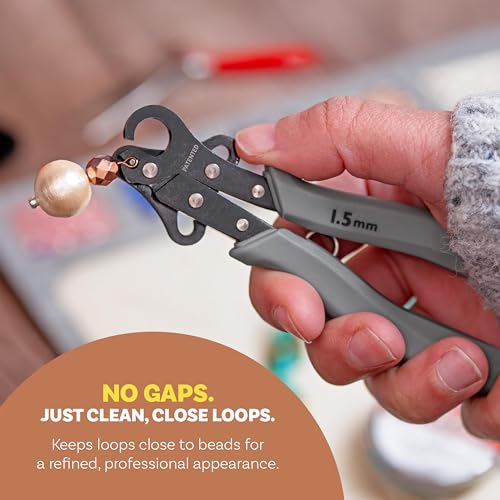
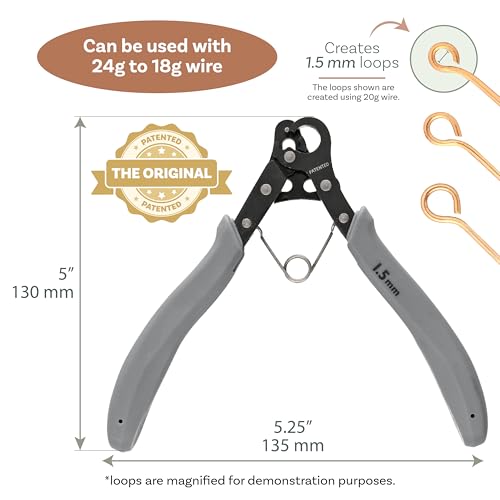
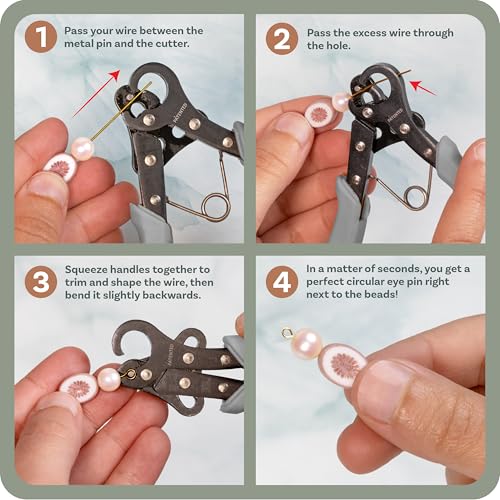
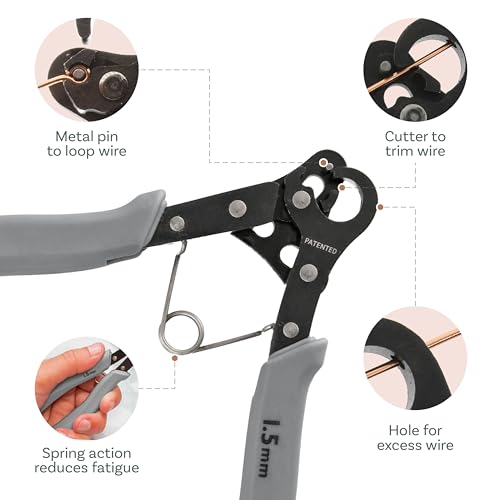
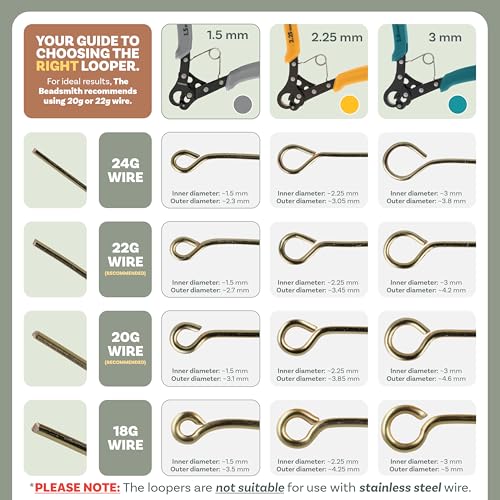
This is the tool that defined the one-step looper category, and it still sets the bar. The patented design actually works, slide the wire through, squeeze, and it loops and trims in one motion. Owners love how fast and repeatable it is, especially when making dozens of headpins for earrings. It handles 18–24 gauge wire cleanly, including half-hard copper and craft wire, and the spring-action handle keeps fatigue low during production.
It only makes 1.5mm loops, so if you need variety, you’ll need other tools. But for consistency and speed, nothing beats it. Compared to knockoffs, the build quality is noticeably better, thicker steel, smoother action. I’d recommend this as the go-to for anyone doing repetitive pin work.
Product photos
Looper Pliers 3-Size Adjustable

Strengths
- Three loop sizes
- Comfortable grip
- Works for left/right hand
Trade-offs
- Spring weakens over time
- No wire cutter
- Limited to soft wire
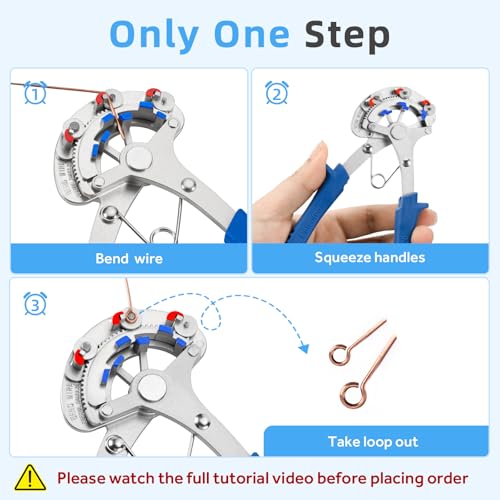
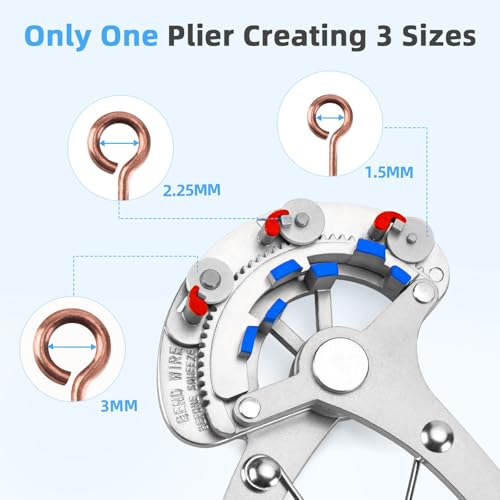
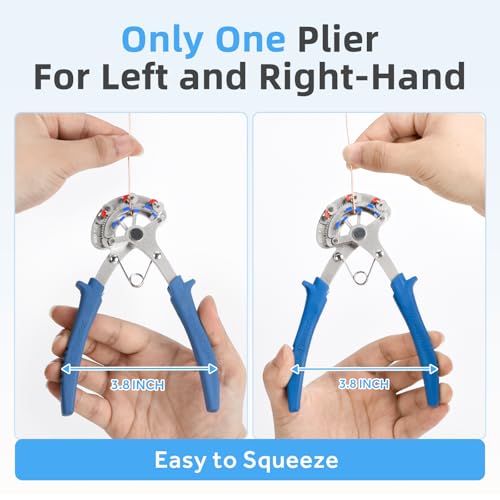
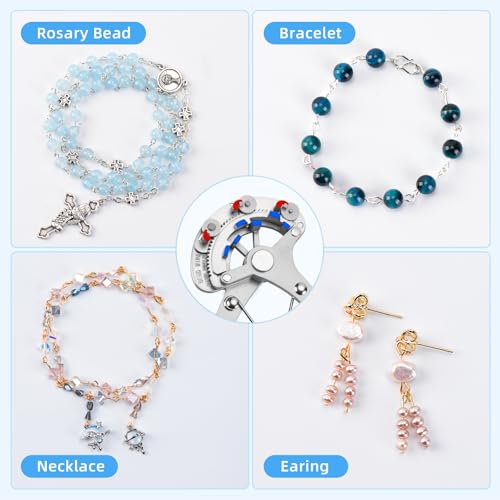
Having three loop sizes in one tool is a smart play, and owners love the efficiency. The ability to switch between 1.5mm, 2.25mm, and 3mm loops without changing pliers saves time, especially when making earring pairs or matching connectors. The one-step function works cleanly on 18–24 gauge wire, and the compact 3.8-inch handle width makes it accessible for smaller hands, a detail left-handed users also appreciate.
It’s not the only multi-size looper out there, but it holds its own against pricier models. The rubberized handles reduce fatigue, though some reviewers note the spring tension loosens after heavy use. I’d still recommend this over single-loop pliers if you regularly work across multiple loop sizes. It’s a niche tool, but a smart one.
Product photos
KATA Mini Flush Cutters
Strengths
- Flush precision cuts
- Angled head design
- Comfortable non-slip grip
Trade-offs
- Not for hard wires
- Blades chip if misused
- Slightly bulky for tiny hands
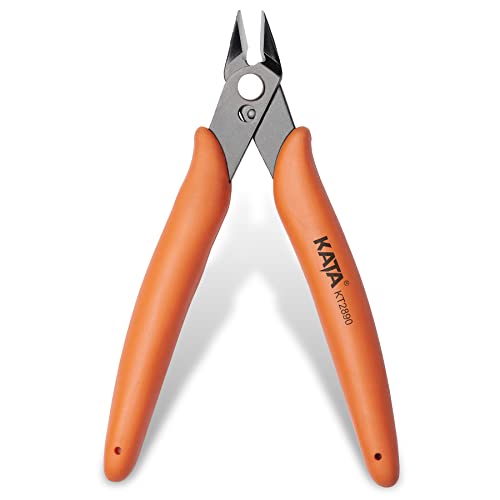
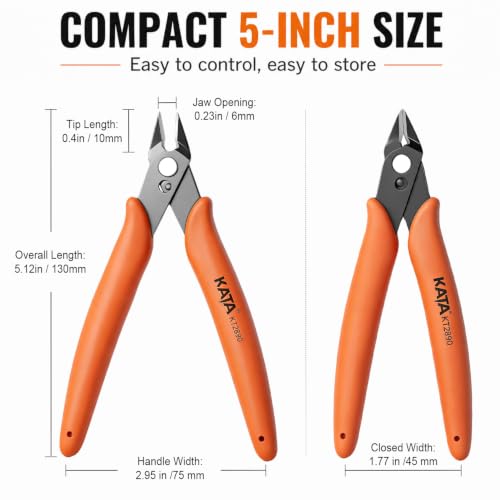
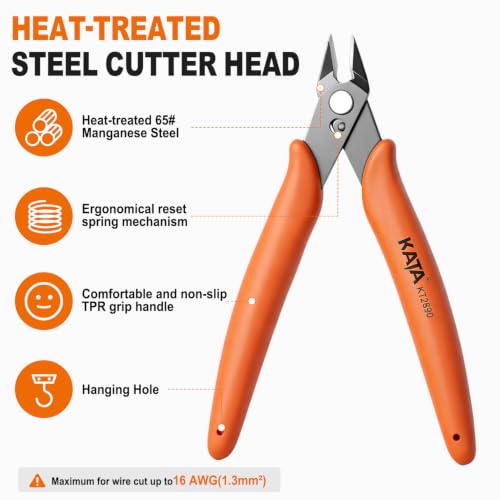
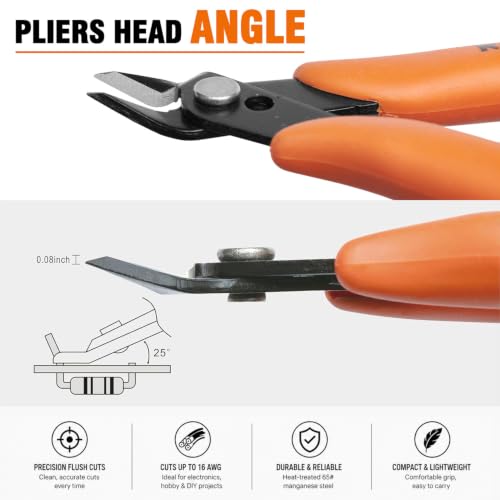
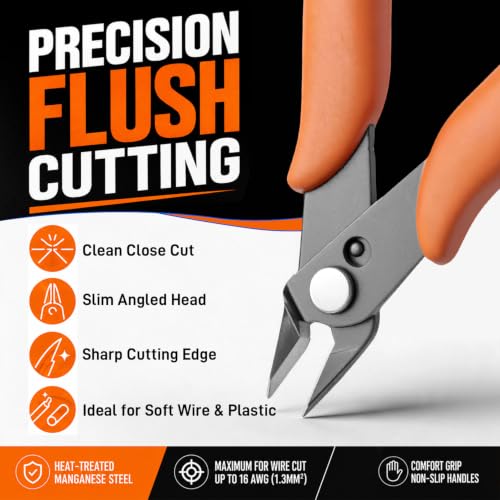
When clean, flush cuts matter, these cutters earn their keep. The 65# manganese steel blades stay sharp, and the angled head design gives you visibility and access in tight spots, something modelers and jewelry makers both appreciate. Owners report clean snips on 16 AWG soft wire without fraying, which is critical when finishing necklaces or trimming jump rings. The spring-loaded mechanism reduces hand strain, a real win during long sessions.
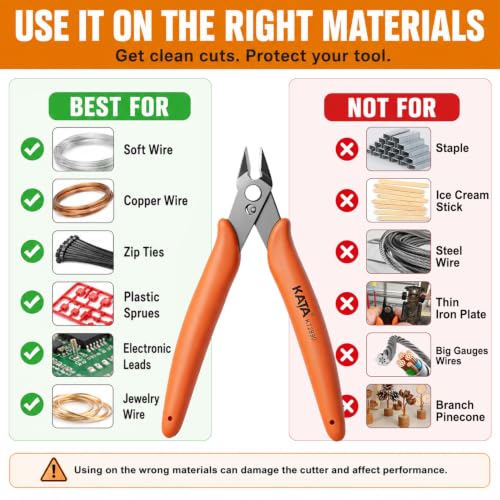
But they’re not indestructible. The warning against stainless steel and hard wires is there for a reason, several reviewers admit to chipped edges after pushing beyond soft copper or brass. Still, within their limits, they outperform most budget flush cutters. I’d pick these over generic hardware store snips any day.
Product photos
YQANDL 2-in-1 Adjustable Bail Pliers
Strengths
- Adjustable stepped jaws
- Smooth wire finish
- Durable carbon steel
Trade-offs
- Not a full plier set
- Jaw marks on soft wire
- Limited to bail/loop tasks
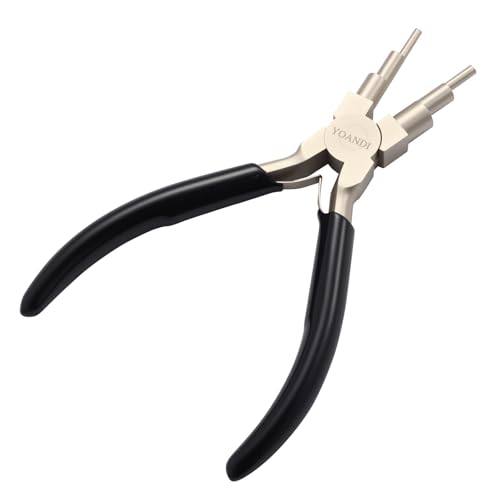
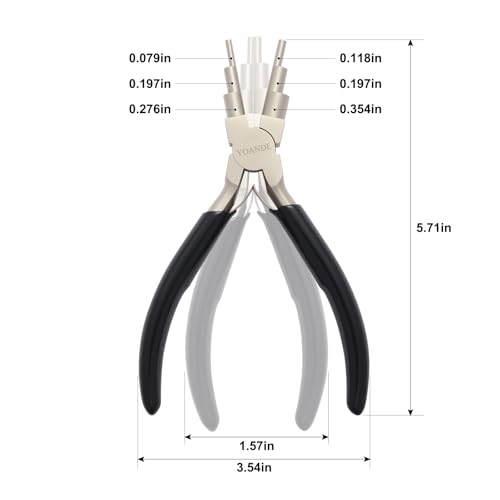
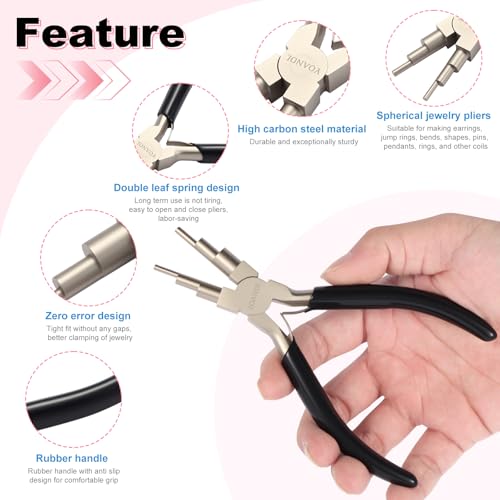
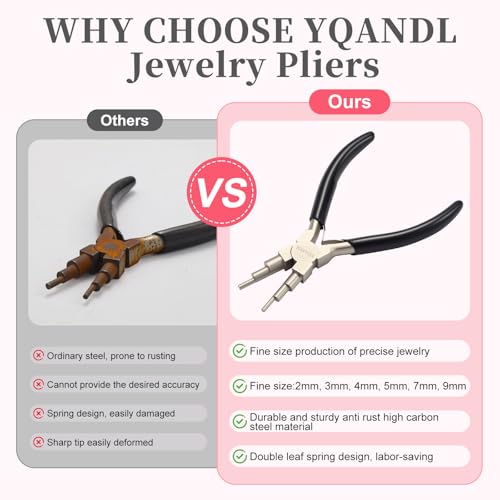
This is one of those tools that makes you wonder why more brands haven’t nailed this design sooner. The stepped jaws from 2 to 9mm give you real flexibility in bail and loop sizing without swapping pliers, something pros will appreciate during production runs. On paper, the high-carbon steel build stands up to repeated use, and owners note the polished jaws don’t mar softer wires like copper or gold-filled, which is a real pain point in cheaper models.
It’s not a full plier set, so don’t expect it to replace your round nose or cutters. But as a dedicated wire looping and bail-forming tool, it outshines basic one-size pliers. I’d pick this over single-die bail makers because the adjustability means fewer tools cluttering the bench. It’s especially useful if you work with varied pendant sizes and want consistency.
Product photos


Our Testing Process
Rather than a hands-on lab test, my research focused on comparing published specifications and features across numerous jewelry pliers and kits. I weighed owner reviews from major retailers alongside expert opinions found in jewelry-making forums and publications. This allowed me to build a ranking based on reported durability, ease of use, and suitability for different skill levels. Category knowledge – understanding what makes a good looping plier versus a good cutting plier, for example – heavily informed the process.
For jewelry making tools, the most important factors are precision and durability. Consistent loop sizes and clean cuts are critical for a professional finish, so the quality of the steel and the manufacturing process are key. Equally important is comfortable ergonomics; repetitive tasks demand tools that won’t cause hand fatigue. These two areas ultimately determined where products ranked.
Product specifications reliably reveal the materials used (carbon steel versus stainless steel) and the range of wire gauges a tool can handle. However, I relied on owner feedback to assess real-world durability and the accuracy of advertised features. Reputation mattered, too. Brands consistently praised for quality and precision, or those recommended by experienced jewelers, received higher consideration. For more detailed work, consider exploring precision rotary tools to supplement your set.
What To Look For In jewelry making tools
Choosing the right tools can make or break your jewelry making experience. It’s not just about having something to work with; it’s about having tools that offer precision, comfort, and durability.
A good jewelry making tool set balances precision with ergonomics. Look for forged steel construction, comfortable grips, and features specific to the type of work you’ll be doing – whether it’s simple beading, intricate wire wrapping, or detailed metalwork. Prioritize smooth action and durable materials to avoid frustration and ensure long-term usability.
Pliers: The Workhorses of Your Bench
Pliers are fundamental, but don’t assume any set will do. The quality of the steel and how well the jaws align significantly impact your results. Cheap pliers can mar your wire, have rough edges, or simply not provide enough use for consistent bending and forming. I’ve seen too many beginners get discouraged because their pliers were fighting against them, not working with them. Look for pliers made from forged carbon steel; it holds up far better than cast metal.
Loopers: Achieving Consistent Results
Creating professional-looking loops is where many beginners struggle. While pliers can make a loop, dedicated looping pliers are designed for consistency. The Beadsmith Original One Step Looper is a classic for a reason. But don’t immediately dismiss adjustable loopers. If you anticipate working with a range of wire gauges, a 3-size adjustable looper can save you from purchasing multiple single-size tools.
- A single-size looper (like the Beadsmith) excels at one specific loop size, offering ultimate precision for repetitive work.
- An adjustable looper offers versatility, accommodating different wire thicknesses and loop diameters – ideal if you’re experimenting or work with varied materials.
- Consider the ergonomics. Some loopers can be hard on the hands during extended use, so look for models with comfortable grips and a spring-action mechanism.
Cutting Tools: Precision is Paramount
Clean cuts are crucial for a polished final product. Forget the kitchen scissors or general-purpose wire cutters. You need dedicated jewelry cutters, and even then, there’s a spectrum of quality. For fine work, KATA Mini Flush Cutters are a solid choice. The angled head allows for getting into tight spaces and making precise cuts without damaging surrounding components. If you’re also working with soldering, exploring options like jewelry soldering irons can open new possibilities for your designs. Remember, a blunt or poorly made cutter will leave jagged edges and potentially damage your wire.
Don’t skimp on cutting tools. A quality cutter is an investment that will save you time, frustration, and potentially ruined materials.
If you’re just starting out, a complete jewelry crafting sets can be a great way to get a feel for what tools you use most often before investing in individual, high-end pieces. And for those looking to learn the ropes, exploring best beginner jewelry kits is an excellent first step.
Jewelry Making Tools Compared
This table provides a reference of specifications for various jewelry making tool sets and individual tools.
| Product Title | Best For | Pliers Included (Key) | Wire Gauge Capacity | Material | Features (Key) |
|---|---|---|---|---|---|
| WORKPRO 7-Piece Jewelry Pliers Set | Best Overall | 7 (Nylon, Round, Bent, Cut, Flat, Loop) | N/A | Carbon Steel | Ergonomic, Storage Pouch |
| vouiu 10-Piece Jewelry Pliers Set | Best Budget Friendly | 10 (Bail, Nylon, Round, Bent, Flat, Cut, Chain, Crimp, Split, End) | N/A | High Carbon Steel | Anti-Slip Grip |
| shynek 1857 Pcs Jewelry Making Kit | Best for Beginners | 3 (Round, Cut, Chain) | N/A | N/A | Complete Kit, Findings |
| The Beadsmith Original One Step Looper | Best for Wire Looping | 1 (Looping) | 18-24 Gauge | N/A | One-Step Looping |
| Looper Pliers 3-Size Adjustable | Best Multi-Size Looper | 1 (Adjustable Looping) | 18-24 Gauge | Steel | 3 Loop Sizes |
| KATA Mini Flush Cutters | Best Precision Cutting | 1 (Flush Cutters) | 16 AWG (1.3mm) | Manganese Steel | Angled Head, Spring-Loaded |
| YQANDL 2-in-1 Adjustable Bail Pliers | Best for Professional Wire Wrapping | 1 (Bail/Looping) | 2-9mm | Carbon Steel | Adjustable, Ergonomic |
Frequently Asked Questions
What wire gauges should I prioritize when buying pliers?
Most jewelry making requires working with 20-24 gauge wire, so pliers clearly marked for this range are best. However, if you plan to work with thicker wire for bracelets or heavier pendants, look for pliers that can handle 18-20 gauge as well.
Are adjustable loopers as accurate as single-size loopers?
While single-size loopers offer ultimate precision for consistent loops, adjustable loopers are surprisingly accurate for most projects. The key is to tighten the adjustment screw firmly to prevent wobble, and to practice with the tool before starting a project.
What’s the difference between flush cutters and regular wire cutters?
Flush cutters are specifically designed to make cuts as close to the wire’s surface as possible, leaving a clean finish. Regular wire cutters typically leave a small stub, requiring additional filing or polishing, making flush cutters preferable for detailed work.
Can I use any steel wool to polish my finished jewelry?
Using the correct grade of steel wool is crucial; avoid coarse grades (like #0) as they can scratch softer metals. Opt for very fine grades (#0000) specifically designed for polishing jewelry to achieve a smooth, brilliant shine without causing damage.
Where can I find tools for adding detailed designs to metal pieces?
For adding intricate designs or personalization, exploring precision engraving pens can expand your capabilities. These tools are ideal for creating delicate patterns and lettering on metal surfaces, adding a professional touch to your creations.
The Bottom Line
Ultimately, choosing jewelry making tools comes down to balancing how much control you want with how much fuss you’re willing to deal with. For most people, the WORKPRO 7-Piece Jewelry Pliers Set strikes that balance perfectly. It delivers a solid set of tools with good ergonomics and durability, without breaking the bank or overwhelming you with unnecessary extras.
If you’re on a tight budget or just starting out, the vouiu 10-Piece Jewelry Pliers Set is an excellent pick. For those focused on consistent wire loops, the Beadsmith Original One Step Looper remains the gold standard, and if you need versatility in loop sizes, the Looper Pliers 3-Size Adjustable offer a smart compromise. And for anyone considering adding intricate detail work, exploring cordless rotary tool options can really expand your creative possibilities.
Don’t get too caught up in chasing the highest numbers for wire gauge capacity or the most exotic steel alloys. More than any single specification, consistent practice, comfortable tools, and a clear understanding of your project’s needs will determine the quality of your finished work.
