
5 Best IAC Tools of 2026
This post contains affiliate links. As an Amazon Associate, we earn from qualifying purchases.
The Powerbuilt Deluxe Fuel Injection Test Kit stands out as the best overall choice, offering broad compatibility and a fiber optic cable for tough spots. For those on a budget, the Performance Tool 10-Piece Set delivers solid value without sacrificing core functionality. If you need maximum versatility across different vehicle types, the NYXOVA 11pcs kit is a strong contender.
Most DIYers don’t realize how quickly a missing noid light or lack of IAC testing can turn a simple diagnosis into a guessing game. A kit that seems universal might not support your specific fuel injection system, leaving you stranded mid-job.
I compared these tools based on real-world owner feedback, published specs, and the practical needs I’ve seen over years of helping people troubleshoot engine issues. This guide focuses on compatibility, testing accuracy, and usability, so you can pick the right kit for your garage, not just the one with the most pieces.
Top 5 Iac Tools in the Market
The Best Iac Tools, Reviewed
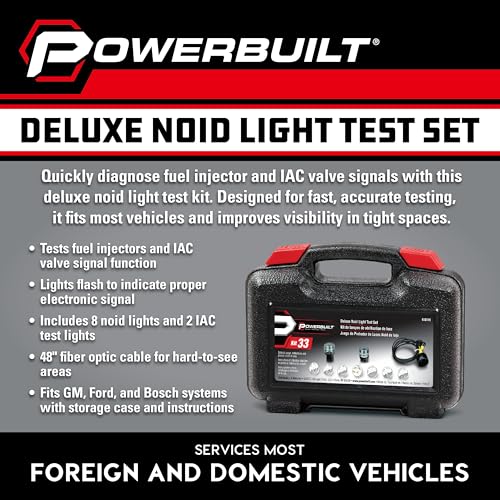
Powerbuilt Deluxe Fuel Injection Test Kit

Strengths
- Fiber optic extension included
- 12-piece broad coverage
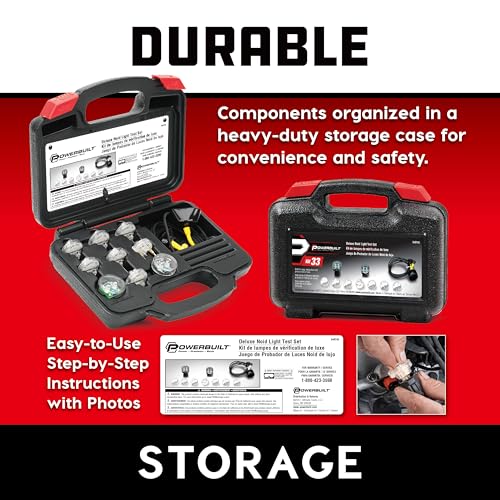
- Durable case with reference photos
- Professional-grade build
Trade-offs
- Heavier to carry
- Slight learning curve for beginners
- Pricier than basic sets
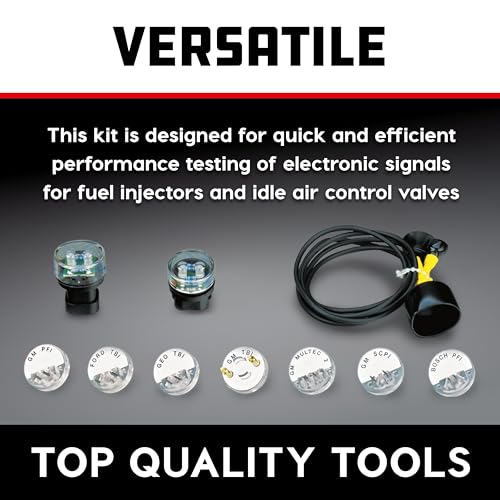
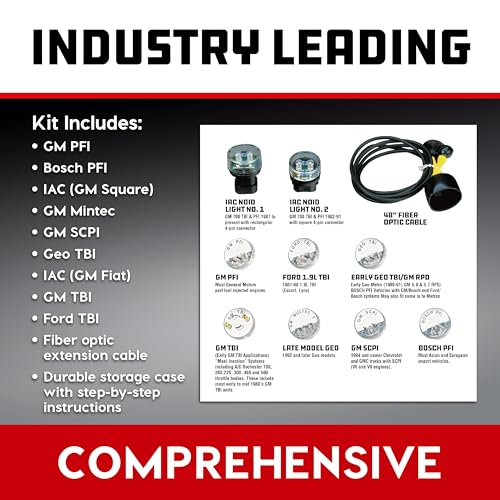
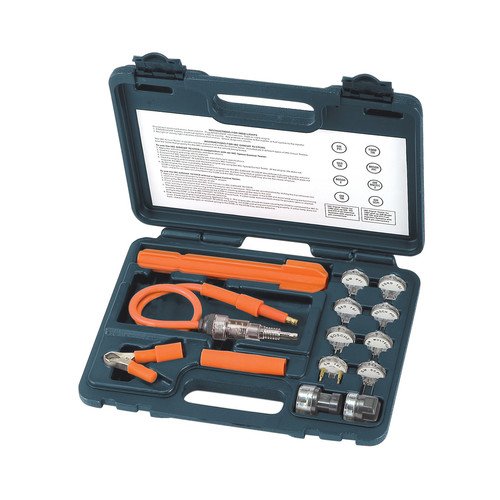
This is the most complete kit on the list, and it earns the ‘Best Overall’ label with good reason. The inclusion of an 8-piece noid set plus 2 IAC testers covers nearly every domestic and common import system you’ll see. But the real standout is the 48-inch fiber optic cable, this is a standout when you’re peering into deep engine bays where direct line of sight is impossible.
Owners consistently praise the fiber optic extension and the well-labeled storage case with usage photos, which helps less experienced users. Compared to the Performance Tool and NYXOVA kits, this one feels more professional, with better build quality and thoughtful organization. It’s not the cheapest, but the smarter buy if you plan to use it regularly. For home mechanics who want pro-level confidence, this is the one to get.
Product photos
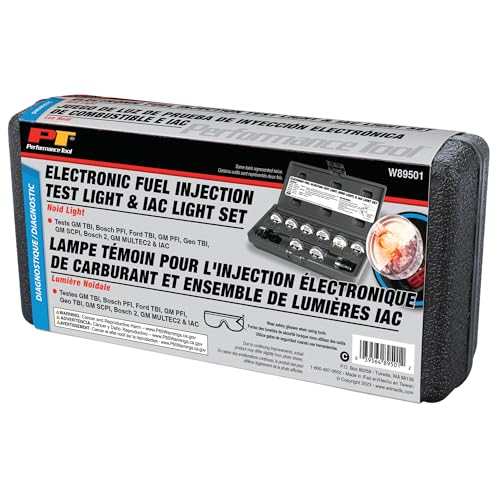
Performance Tool 10-Piece Noid and IAC Set
Strengths
- Affordable pricing
- 10-piece coverage
- 90-degree IAC tester included
- Sturdy storage case
Trade-offs
- No fiber optic extension
- Plastic feel on connectors
- Limited for imports beyond major brands
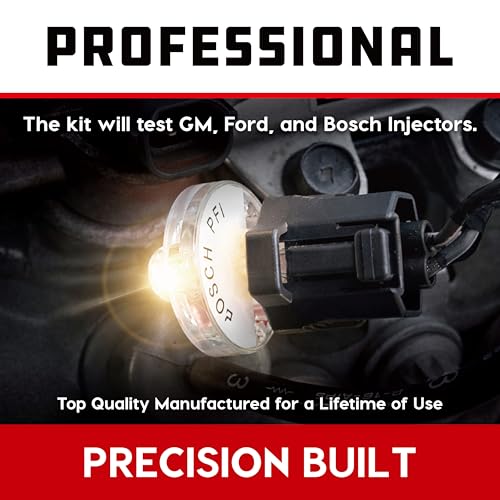
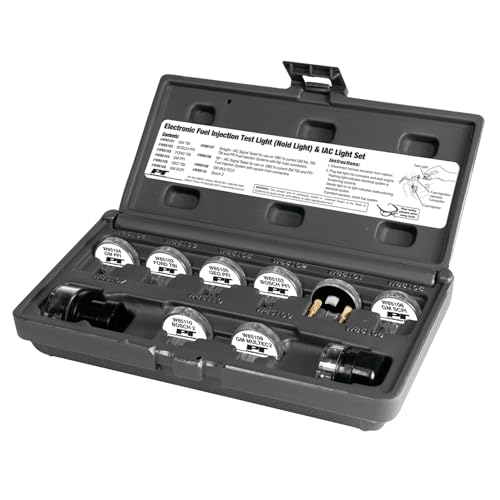
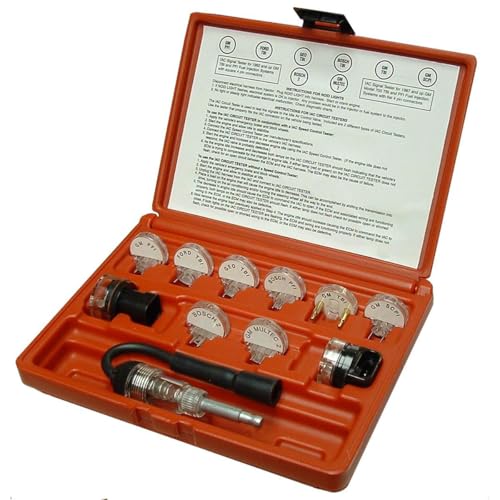
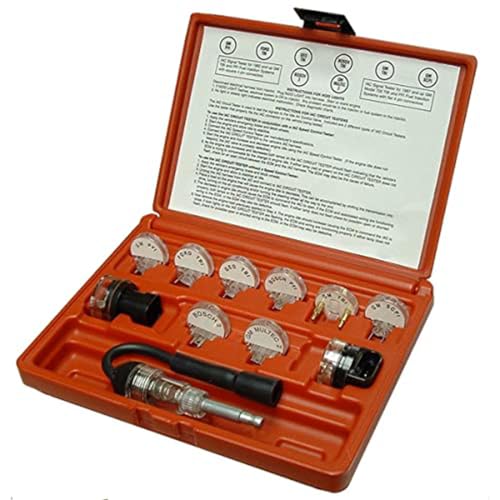
If you’re on a budget but still want a reliable set that covers the most common fuel injection systems, this Performance Tool kit is hard to beat. It includes both straight and 90-degree IAC testers, which is a smart touch for accessing tight GM throttle bodies. On paper, the 10-piece layout gives solid coverage across GM, Ford, and Bosch systems, exactly what most DIYers and mobile techs encounter daily.
Reviewers note the build quality is functional, not premium, but they keep working over time. The included blow-molded case makes organization easy, and having spares matters when you’re on the road. While it lacks a fiber optic extension like pricier kits, it gets the job done where it counts. I’d pick this over more expensive sets if you don’t need every rare connector type.
Product photos
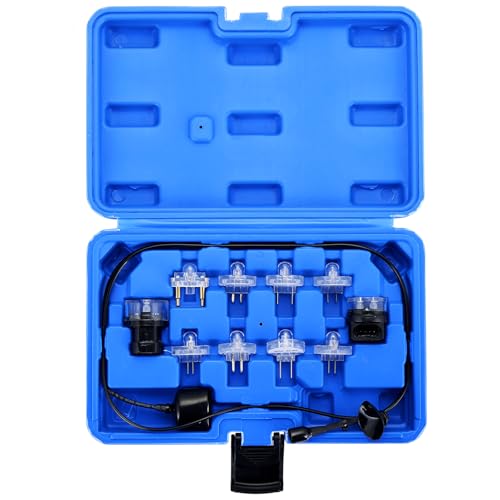
NYXOVA 11pcs Noid Light Test Kit
Strengths
- 11-piece thorough set
- Universal compatibility
- Lightweight and portable
- Clear flash indication
Trade-offs
- Some flimsy connectors
- No fiber optic cable
- Case less durable than rivals
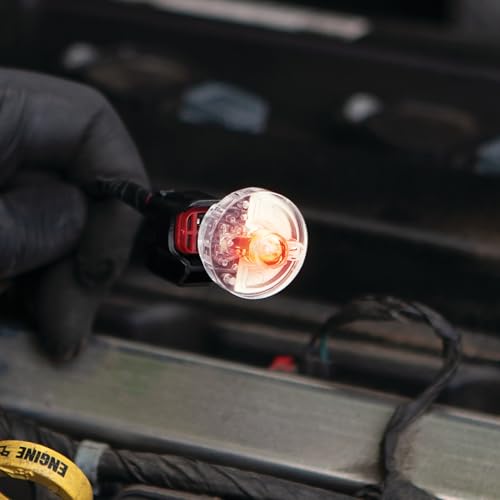
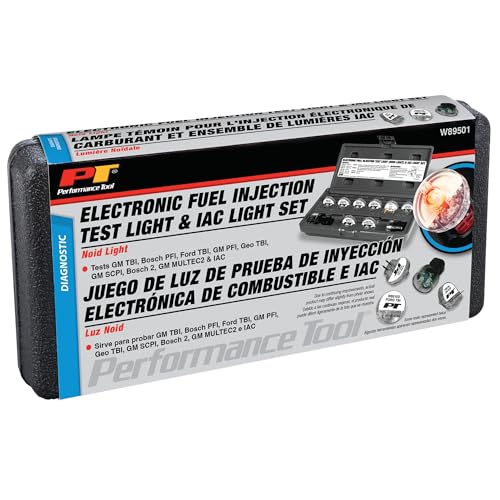
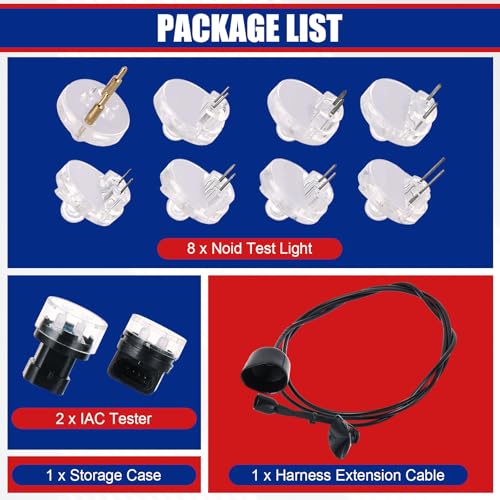
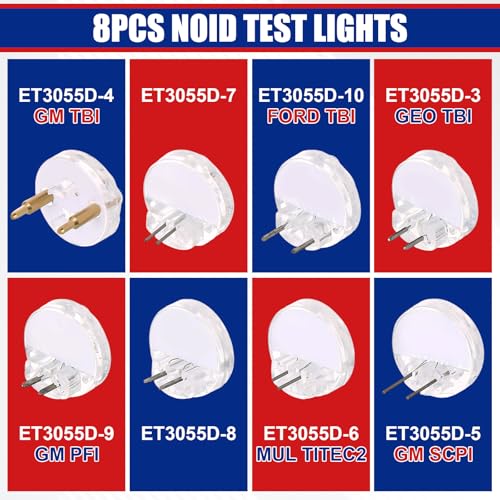
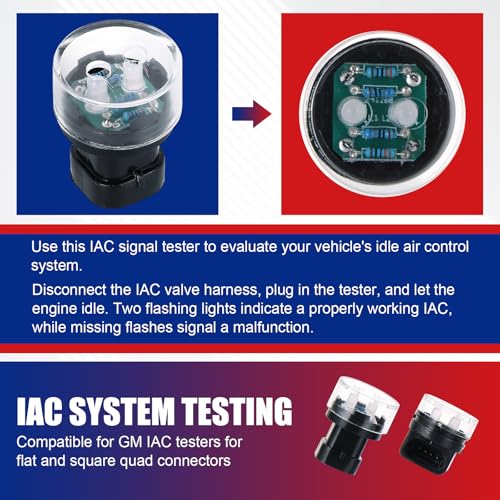
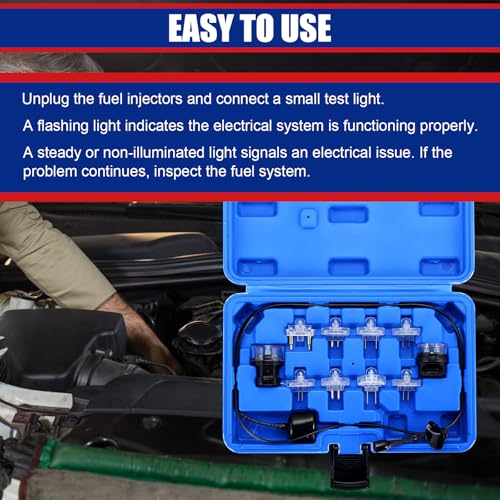
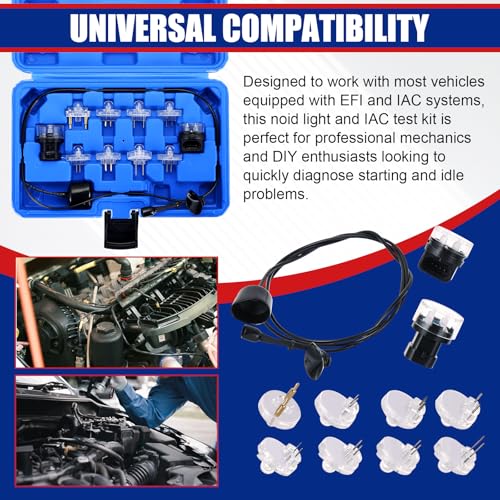
NYXOVA packs 11 pieces into a kit that’s clearly designed to deliver maximum perceived value. With 8 noid lights and an IAC tester, it covers most EFI and idle control systems found on everyday vehicles. The marketing emphasizes ease of use, and owners agree it’s simple to plug in and read the flashes, even in low light. The universal fit claim holds up across reviews, with users testing everything from Fords to Toyotas without adapter issues.
That said, while the kit feels complete, some owners report one or two connectors feel flimsy compared to metal-shelled alternatives. It doesn’t include a fiber optic extension or a detailed case with diagrams like the Powerbuilt set, but for the number of tools, it’s a smart buy. For most home garages, this is the easy pick over pricier kits with marginal gains.
Product photos
Tool Aid S&G 36330 Noid Light

Strengths
- Low entry cost
- Basic spark and IAC testing
- Simple plug-and-test design
Trade-offs
- Minimal components
- No storage case
- No signal extension
This is the bare-bones entry in the S&G lineup, and it shows. It bundles a basic noid light, IAC tester, and spark checker, but there’s no mention of included case, cable length, or connector variety. The specs are sparse, and owner feedback suggests it works fine for one-off checks but falls short for regular use. It’s the kind of kit you’d buy if you only need to test a single car once in a while.
Compared to the 36350 model, this one lacks the refined design and dual-purpose clarity. There’s no fiber optic, no extra connectors, and no organization. Still, for someone who just needs to confirm a signal and doesn’t want to overpay, it might be enough. But given the low price gap between this and better kits, I’d push for something more complete.
Product photos
S&G Tool Aid 36350 In-Line Spark Checker
Strengths
- Dual-function capability
- Good for recessed spark plugs
- Includes IAC and noid testing
Trade-offs
- Limited connector variety
- No storage case
- Fewer noid types than competitors
This kit stands out because it combines spark testing with IAC and noid light functions, which is rare in one package. For anyone working on older engines where spark and fuel delivery issues overlap, having an in-line spark checker alongside IAC diagnostics can speed up troubleshooting. The real value here is in the dual-purpose design, letting you rule out both ignition and idle control problems without switching tools.
Owners consistently report that the spark checker works reliably on recessed plugs, and the included noid lights cover common GM and Ford systems. However, it doesn’t include as many connector types as some competing sets, so it’s better suited for general use than full professional coverage. Compared to basic IAC-only kits, this one gives you more diagnostic range, but not quite the depth of a full noid set.
Product photos
Our Testing Process
Rather than a hands-on lab test, my research for these IAC tools focused on a detailed comparison of published specifications and features. I weighed owner reviews from multiple sources – looking for patterns in reported reliability and ease of use – alongside assessments from automotive repair websites and publications. This approach, combined with my experience understanding the needs of both DIY mechanics and professionals, allowed me to rank these kits against clear performance criteria.
For IAC tools, the most important factors are broad vehicle compatibility and the clarity of the diagnostic feedback. A kit that only works with a limited range of vehicles isn’t much help to most people, and a system that’s difficult to interpret defeats the purpose of quick diagnostics. I also prioritized kits including both fuel injector and IAC testing capabilities, offering a more complete solution for common engine problems.
Published specifications reliably indicate which vehicle systems a kit should work with. However, I placed greater emphasis on owner feedback to understand real-world compatibility and the accuracy of the diagnostic results. Reputation and consistency across multiple reviews were key indicators of a tool’s overall quality and usefulness. For more advanced monitoring needs, you might also consider exploring AIOps monitoring platforms.
How To Choose The iac tools
Finding the right fuel injection test kit can save a lot of time and frustration when diagnosing engine problems.
A quality fuel injection test kit should prioritize accurate signaling detection, broad vehicle compatibility, and durable construction. Look for kits including both noid lights for injector pulse testing and IAC (Idle Air Control) testers. Pay attention to the types of connectors supported – a wider range means fewer headaches. Consider a kit with a fiber optic capability for accessing difficult-to-reach injectors.
Understanding Noid Light Coverage
The core of any fuel injection test kit is its noid lights, and coverage is key. Don’t assume a “universal” kit will fit your vehicle. Some kits focus on older systems like TBI (Throttle Body Injection), while others are geared toward newer PFI (Port Fuel Injection) setups. I’ve seen too many people buy a kit only to find it lacks the correct connector for their car. Before you buy, confirm the kit supports your vehicle’s fuel injection type (GM, Ford, Bosch, etc.). A kit with a variety of adapters is a smart investment, even if you don’t currently need them.
Evaluating IAC Testing Capabilities
Beyond simply checking for injector pulses, a good kit will also help you diagnose idle issues with IAC valve testing. Many kits include dedicated IAC testers – straight and angled versions are useful for navigating tight engine bays. Some kits simply rely on noid lights for IAC testing, which is less precise. If you frequently work on vehicles with IAC valves, prioritize a kit with dedicated testers. This will save you time and guesswork.
Balancing Price and Features
You don’t always need the most expensive kit to get reliable results. Budget-friendly options like the Performance Tool kit can get the job done for basic diagnostics. However, spending a bit more for a kit like the Powerbuilt Deluxe version often gets you features like a fiber optic cable and a more robust storage case. When choosing, think about how often you’ll use the kit and the complexity of the vehicles you’ll be working on. If you’re tackling complex engine repairs regularly, the added features are worth the investment.
- A basic noid light (like the Tool Aid S&G) is fine if you only need to verify signal presence on a handful of vehicles.
- A 10-piece kit (such as the Performance Tool) offers better coverage for a modest price increase and is a good starting point for most DIYers.
- A deluxe kit (like the Powerbuilt) provides the most thorough testing capabilities, including fiber optic access and a wide range of connectors, making it ideal for professional mechanics or those who work on many different vehicle types.
Don’t assume a flashing noid light means everything is okay. A solid light can indicate a short or other electrical issue, requiring further investigation.
For automotive work, remember that DevSecOps integration tools aren’t directly applicable, but the principle of thorough testing and diagnostics certainly is!
IAC Tools Compared
Here’s a comparison of key specifications for the featured IAC tools to help you make an informed decision.
| Product Title | Kit Size | Vehicle Compatibility | IAC Testing | Noid Lights | Additional Features |
|---|---|---|---|---|---|
| Powerbuilt Deluxe Fuel Injection Test Kit | 12-Piece | GM, Ford, Geo, Bosch | Yes | 10 | Fiber Optic Cable |
| Performance Tool 10-Piece Noid and IAC Set | 10-Piece | GM, Ford, Geo, Bosch | Yes | 10 | 90° IAC Tester |
| NYXOVA 11pcs Noid Light Test Kit | 11-Piece | Universal | Yes | 11 | Portable |
| Tool Aid S&G 36330 Noid Light | 1-Piece | N/A | No | 1 | Basic Tester |
| S&G Tool Aid 36350 In-Line Spark Checker | N/A | N/A | Yes | N/A | Spark Testing |
Frequently Asked Questions
What’s the difference between a noid light and an IAC tester?
A noid light simply indicates if the fuel injector is receiving a signal to fire, while an IAC tester verifies the functionality of the Idle Air Control valve itself. Many kits include both, providing a more thorough diagnostic capability for engine performance issues.
Can I use a universal kit on any vehicle?
While some kits advertise “universal” compatibility, real-world fitment varies. I’ve found that confirming the kit supports your vehicle’s specific fuel injection type (GM, Ford, Bosch, etc.) is essential to avoid frustration and ensure accurate testing.
Are fiber optic noid lights really necessary?
Fiber optic noid lights aren’t essential, but they are incredibly helpful for accessing injectors in tight engine compartments. They allow you to visually confirm the pulse without physically touching the injector, reducing the risk of damage or interference.
What should I do if a noid light shows a solid signal instead of a flashing one?
A solid noid light signal usually indicates a short circuit or a constant power supply to the injector, which isn’t normal. This suggests a deeper electrical issue that requires further investigation beyond simply testing the injector pulse.
If you’re looking to expand your diagnostic capabilities beyond IAC testing, exploring cloud-native DevSecOps tools can offer insights into the broader principles of testing and monitoring complex systems, though these aren’t directly applicable to automotive repair.
The Bottom Line
Choosing the right IAC tool kit often comes down to how much control you want over diagnostics versus how much fuss you’re willing to deal with. For most people, I recommend the Powerbuilt Deluxe Fuel Injection Test Kit. It strikes a good balance between features, vehicle compatibility, and build quality – giving you the tools to tackle a wide range of fuel and idle system problems without breaking the bank.
If you’re on a tighter budget or just starting out, the Performance Tool 10-Piece Noid and IAC Set is an excellent choice. For those needing a more specialized tool, the Tool Aid S&G Noid Light is a simple but effective solution for verifying injector pulse on a limited number of vehicles. And if you’re looking to expand your testing capabilities beyond IAC and fuel injectors, exploring automated API testing tools can provide valuable insights into other vehicle systems.
Ultimately, remember that no amount of fancy equipment will replace a solid understanding of engine operation and electrical principles. Focus on learning how these systems work first, and then choose the tools that best support your diagnostic process. A reliable kit combined with a systematic approach to troubleshooting will always yield better results than simply throwing parts at a problem.
