7 Best Hydraulic Hammers of 2026
This post contains affiliate links. As an Amazon Associate, we earn from qualifying purchases.
The Danett 0.8-3Ton Mini Excavator hydraulic hammer stands out as the best overall choice, offering solid performance and reliability for small to mid-sized machines. For budget-conscious buyers, the ATTACHXPRO Mini Excavator model provides decent versatility and universal fitment claims, though careful verification of specs is required.
Choosing the right hydraulic hammer isn’t just about power, it’s about finding a tool that won’t let you down after hours of hard breaking. Too many buyers focus only on impact numbers and end up with a unit that’s incompatible or poorly built.
This guide cuts through the noise by focusing on real-world specs, owner feedback, and what actually matters in the field: consistent power delivery, rugged construction, and proper fit for your machine. We looked at striking force, build materials, and compatibility details to find models that deliver where it counts.
Top 7 Hydraulic Hammers in the Market
The Best Hydraulic Hammers, Reviewed
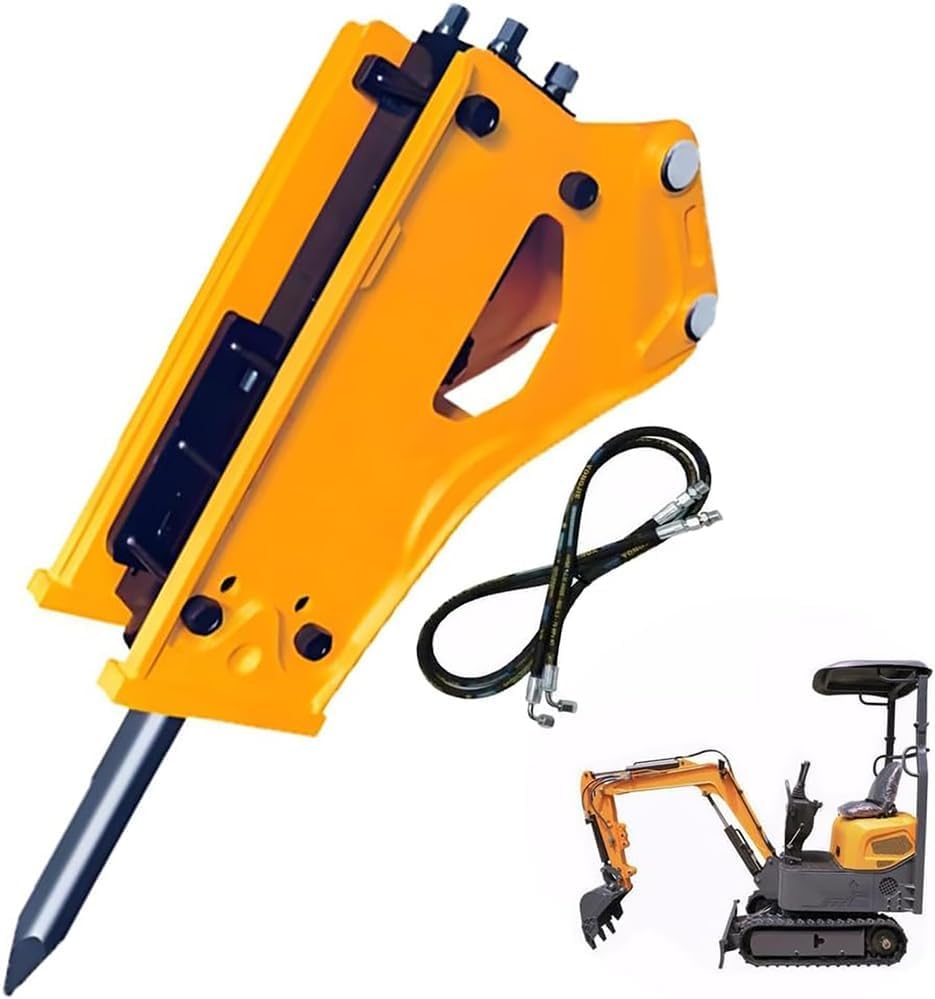
Danett 0.8-3Ton Mini Excavator Hydraulic Hammer
Strengths
- Wide excavator compatibility
- Complete tool kit
- Low-recoil design
Trade-offs
- Heavier setup
- Pricing on higher end
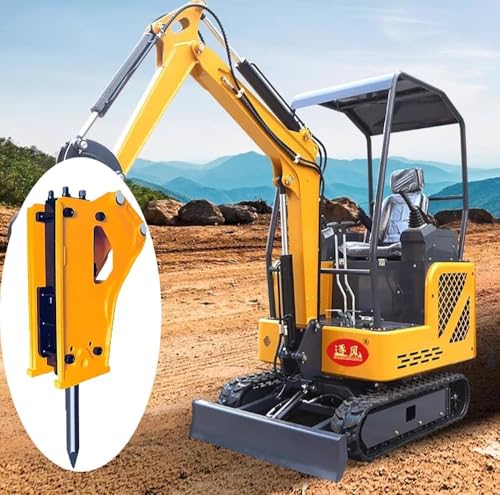
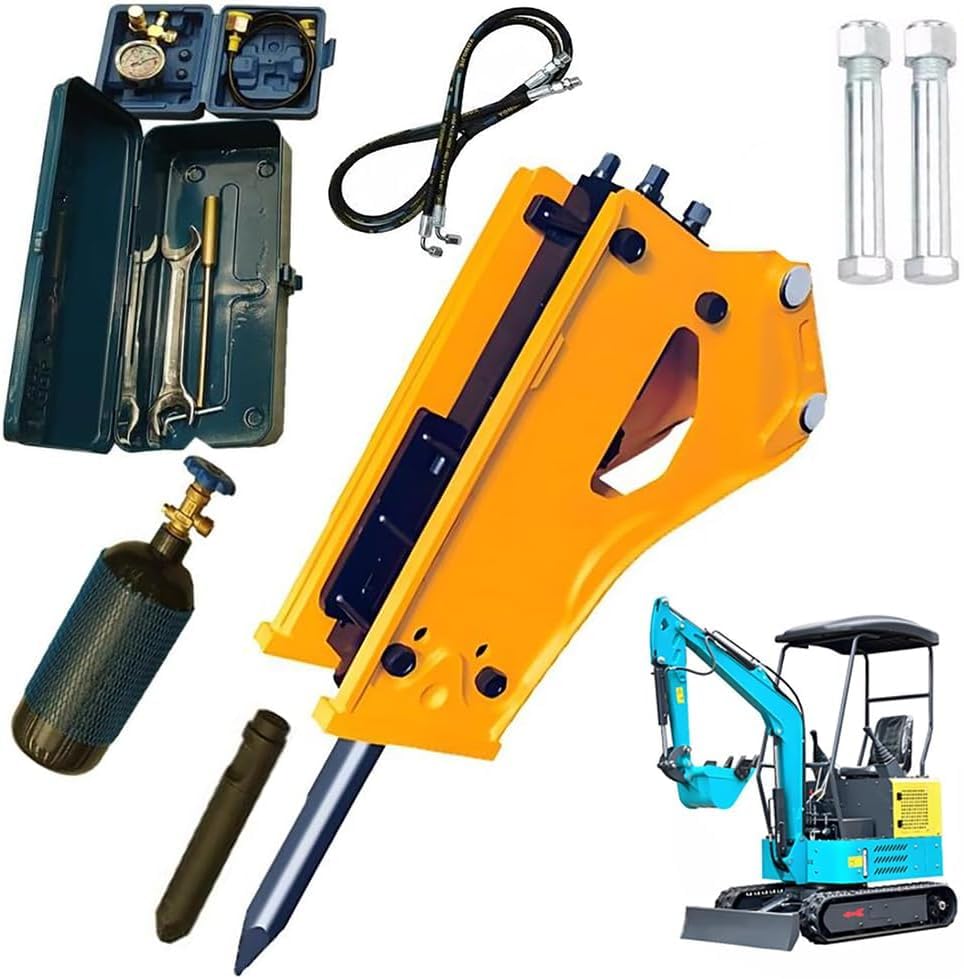
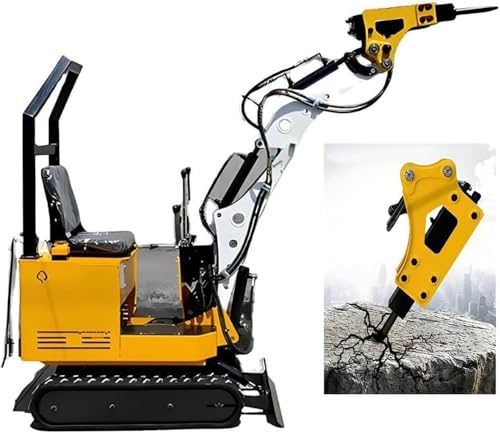
If you’re looking for the most balanced, well-rounded hydraulic breaker here, this is it. The 0.8–3 ton range gives it broader machine compatibility than most, and the 500–1200 BPM output delivers aggressive breaking on concrete and frozen ground. Owners highlight the hybrid hydraulic-nitrogen system for consistent power and fewer pressure surges, a sign of thoughtful engineering.
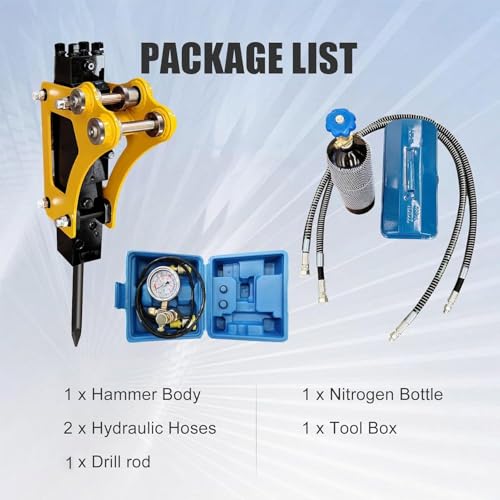
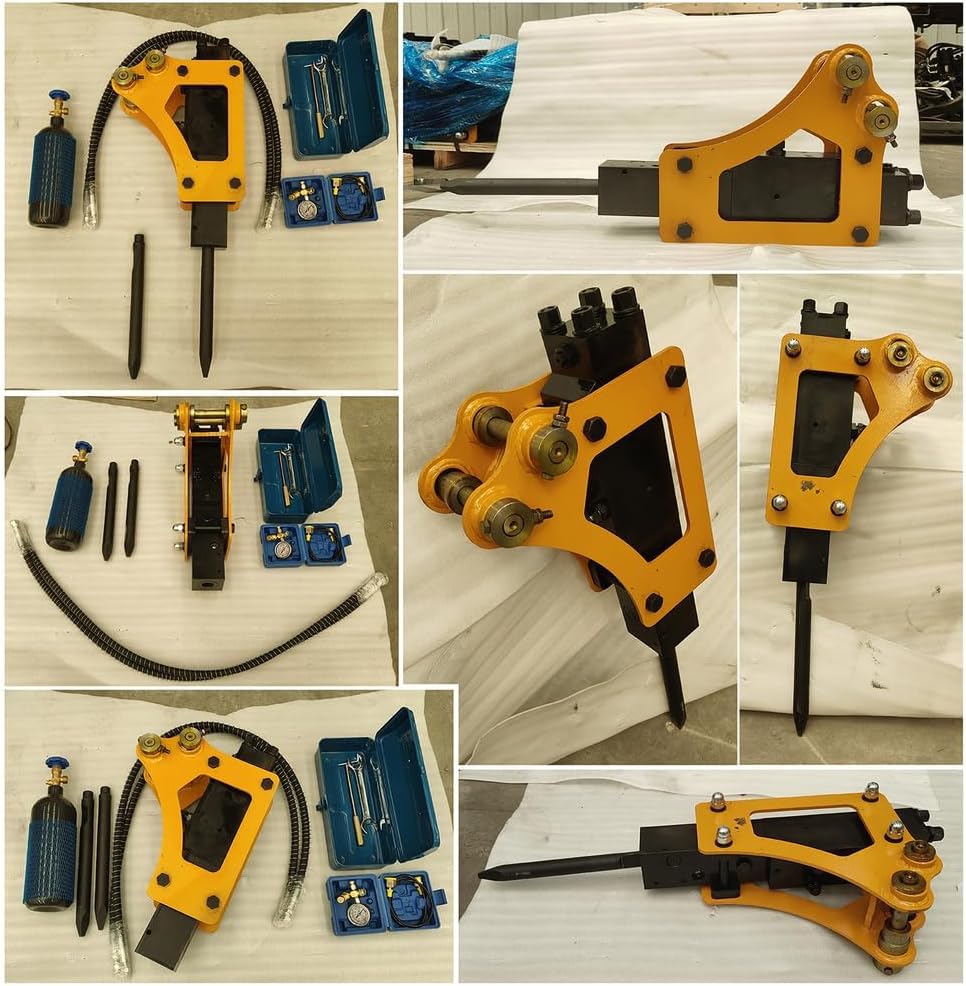
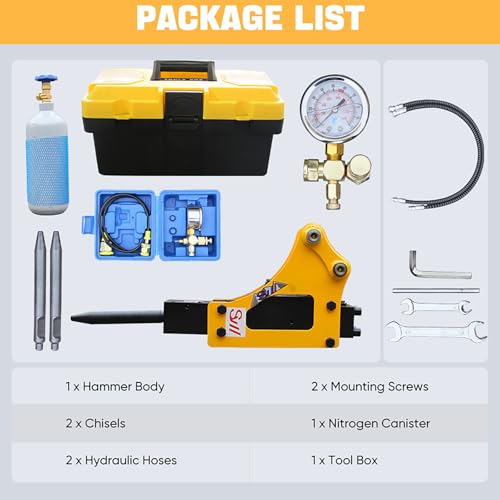
The full kit is another win: two chisels, hoses, nitrogen bottle, and tools mean you’re not chasing extras. Compared to the ATTACHXPRO model, it feels more refined in build and ease of maintenance. This is the one I’d recommend to most mini excavator owners who want reliability and performance in one package.
Product photos
BisonTek Hydraulic Breaker Hammer for Mini Excavator
Strengths
- Precision pin fit
- Leak-resistant seals
- Budget pricing
Trade-offs
- Lower impact intensity
- Limited to small excavators
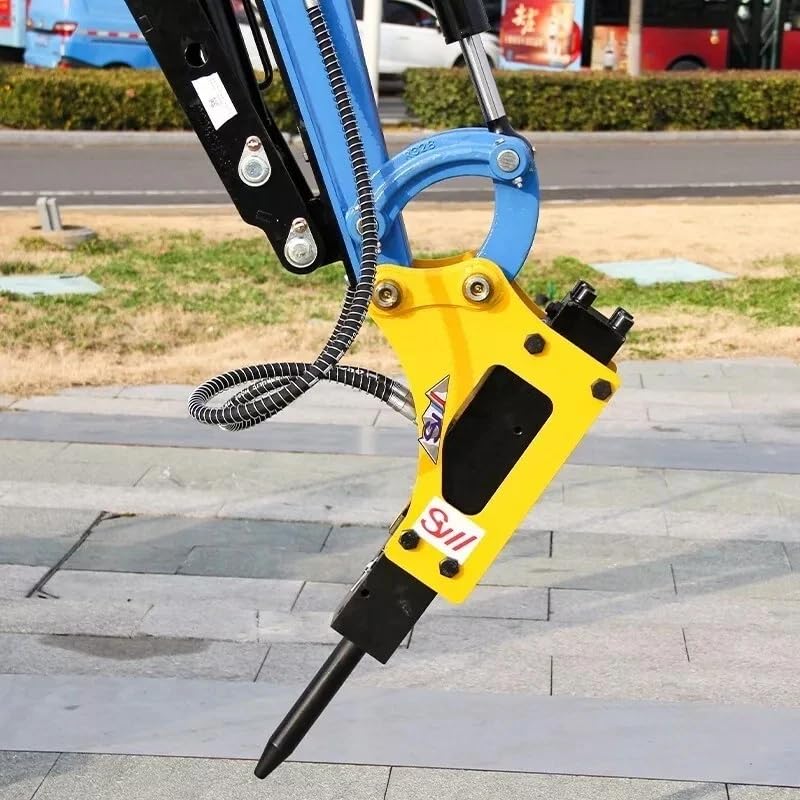
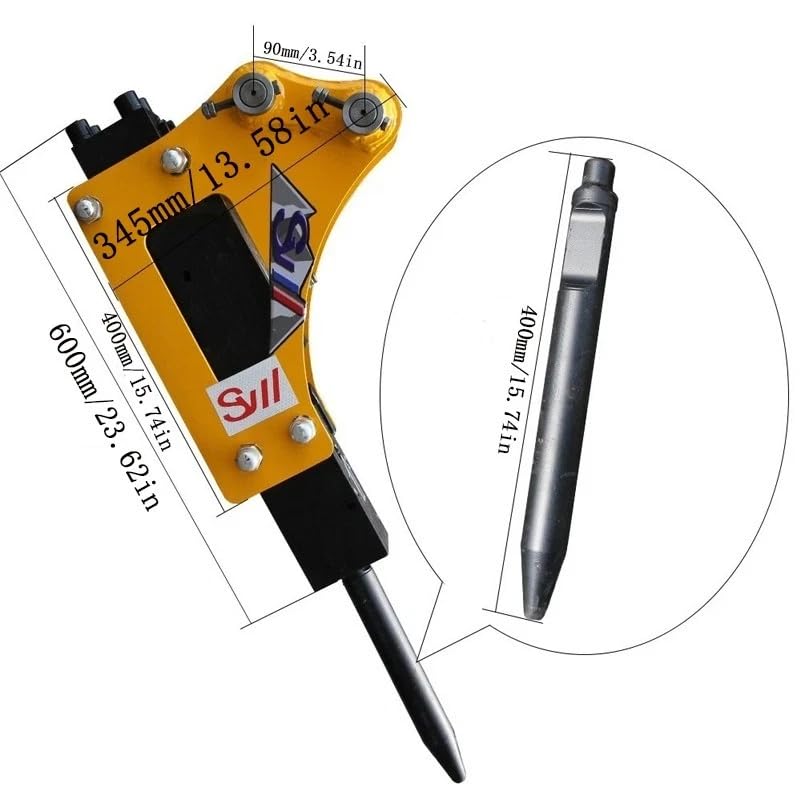
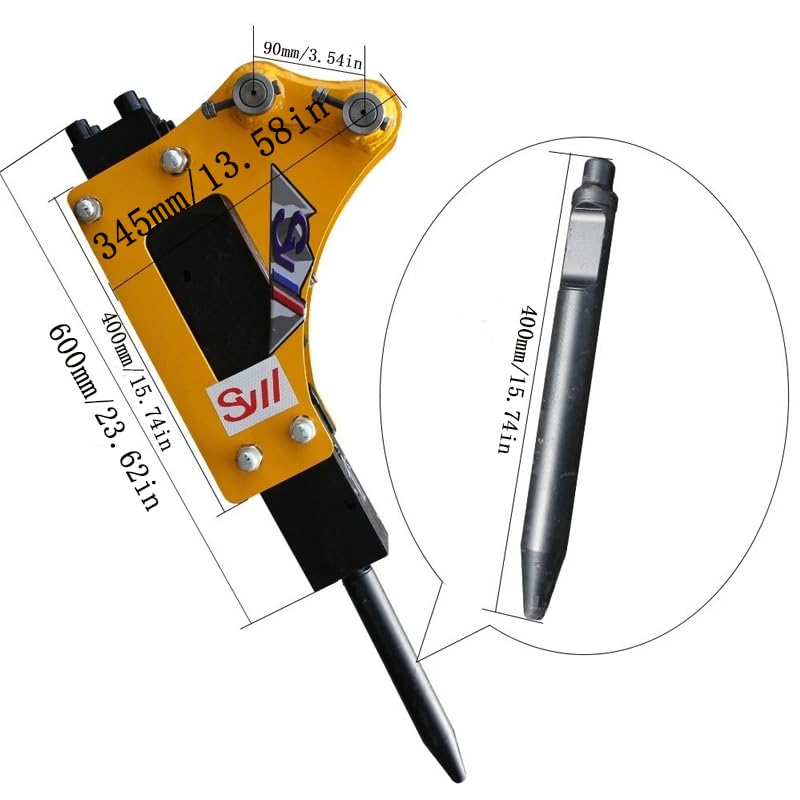
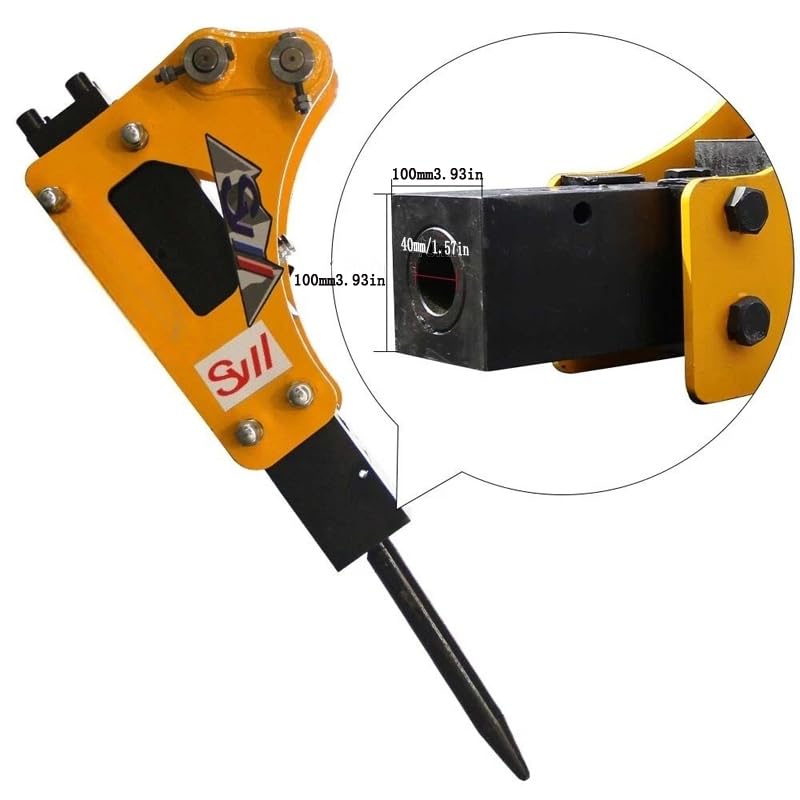
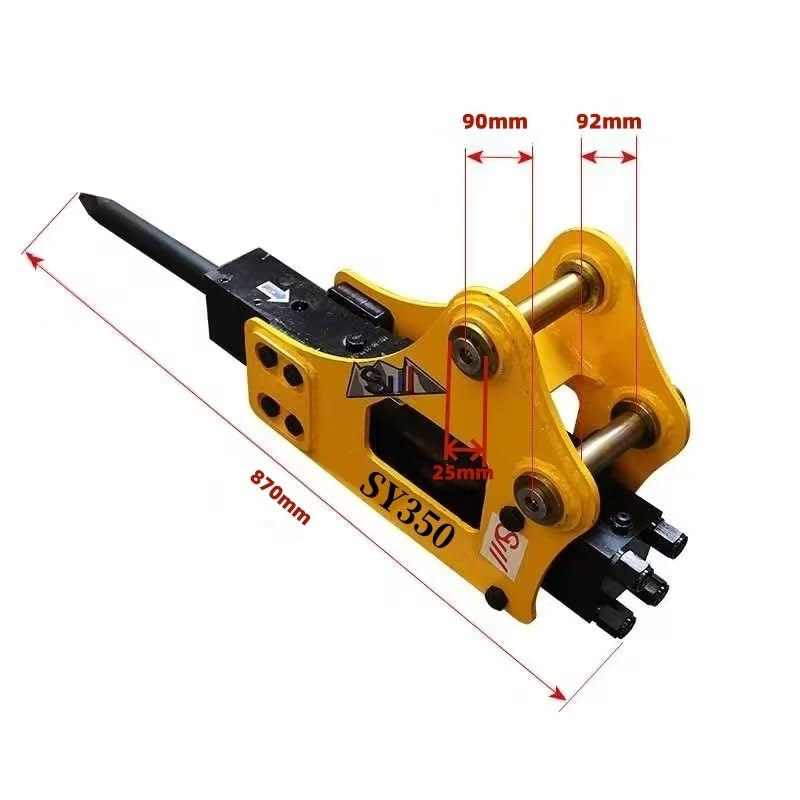
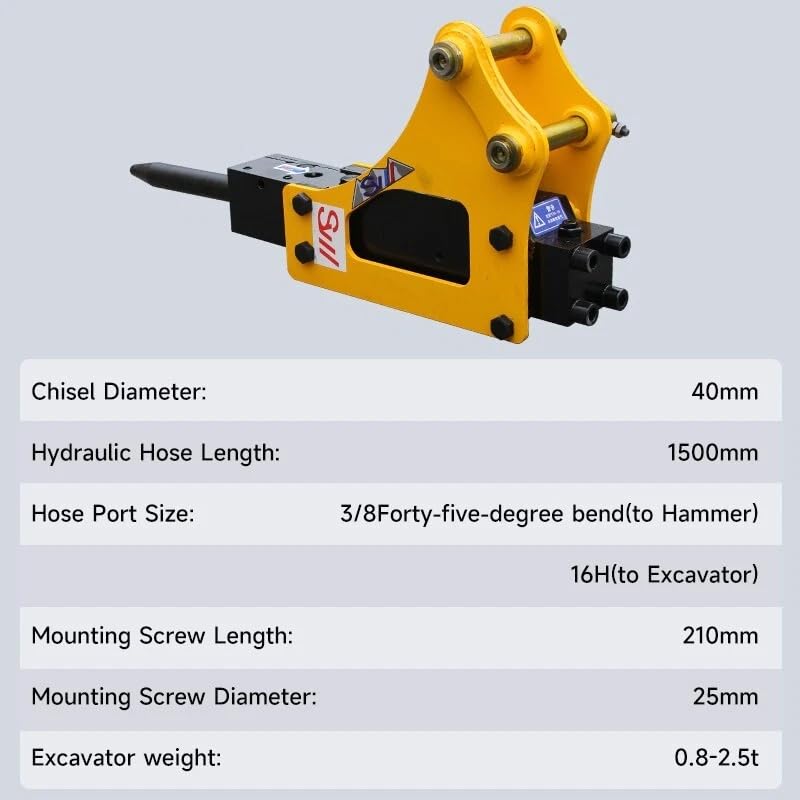
BisonTek delivers solid performance for the price, targeting mini excavator owners who need reliable striking power without overspending. The 25mm pins and 90-92mm spacing are a precise match for sub-1.5-ton machines, and owners consistently praise the wobble-free fit. The sealed hydraulic system also helps reduce leaks, a common pain point in budget-tier breakers.
It won’t match the BPM or impact force of pricier models like the Danett, but for residential demolition or patchwork road repair, it gets the job done. My take? The smarter buy if you’re running a small fleet and need dependable, no-frills attachments.
Product photos
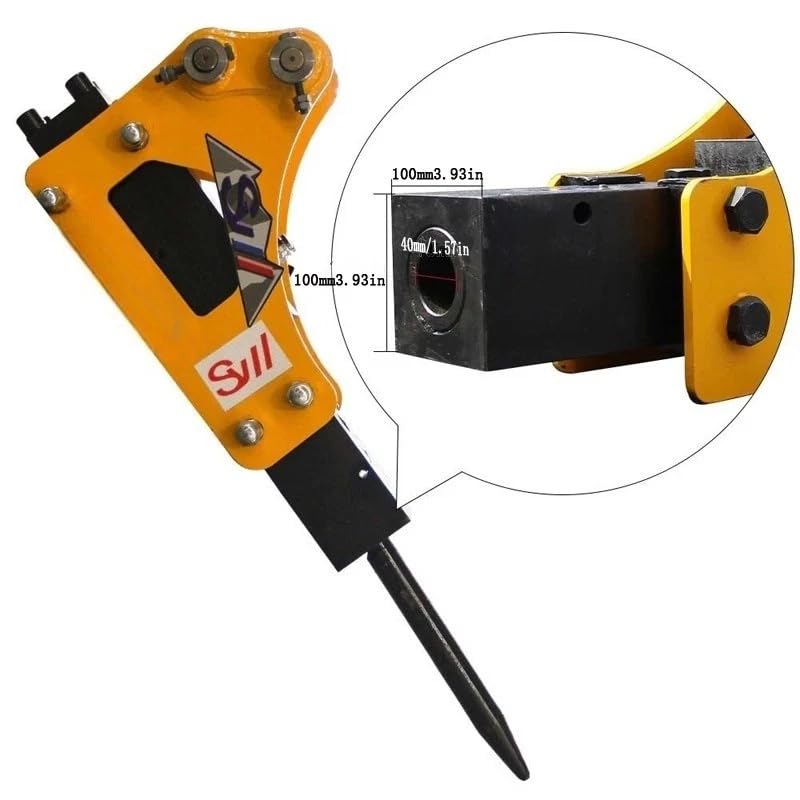
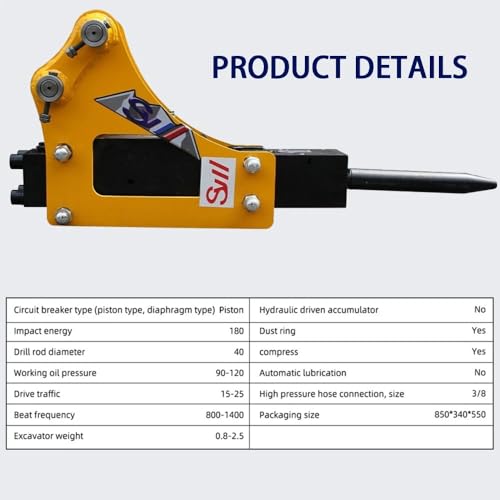
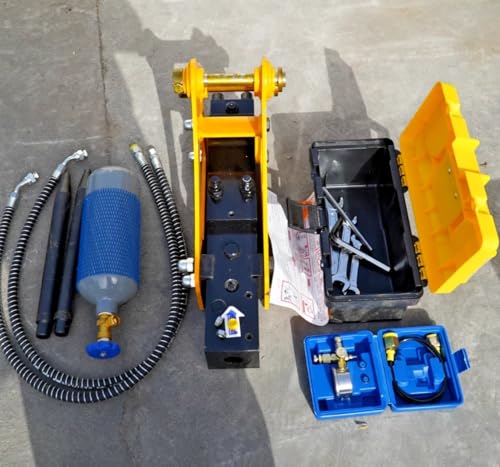
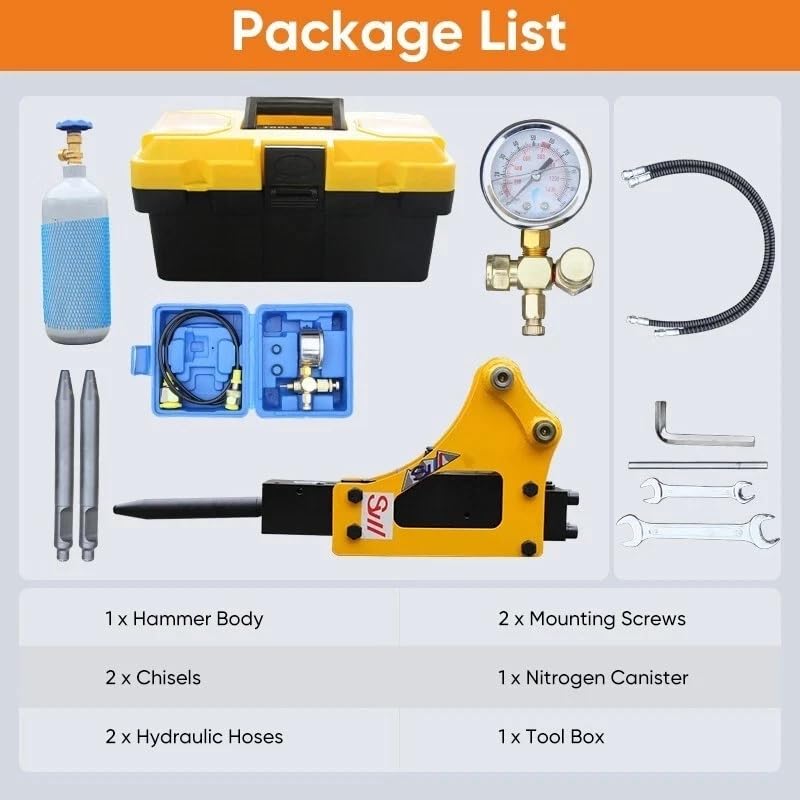
MIVA Skid Steer Hydraulic Breaker Attachment
Strengths
- Complete starter kit
- Durable alloy steel
- Quick installation
Trade-offs
- Fit varies by model
- No surface protection focus
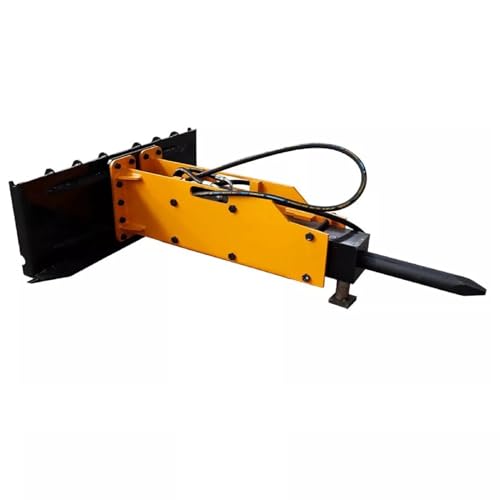
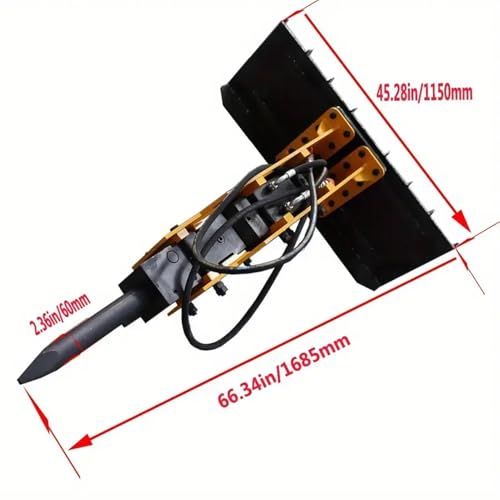
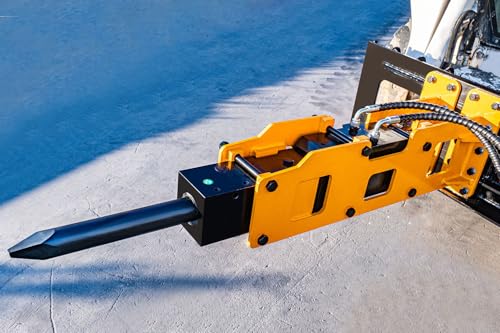
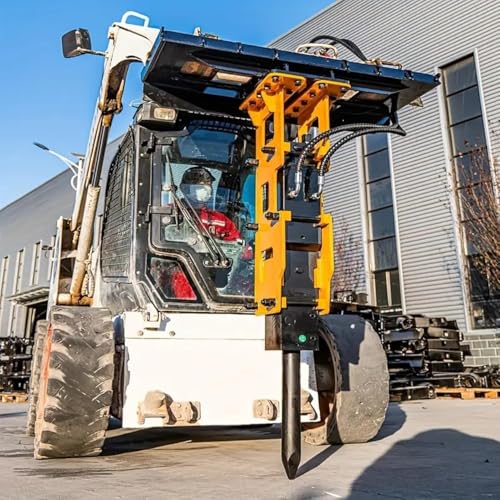
MIVA’s breaker stands out for its complete out-of-box package and rugged build. Owners appreciate getting the nitrogen cylinder and charging kit included, it removes a common hidden cost with other models. The high-strength alloy steel body holds up well under repeated use, and the universal skid steer compatibility is a real time-saver when switching between machines.
Compared to the MMS model, this one feels more like a workhorse than a light-duty option. But like most universal-fit tools, double-checking compatibility is essential, a few owners report fit issues with certain loader brands. I’d recommend it for users who want a durable, ready-to-run skid steer breaker without sourcing extra parts.
Product photos
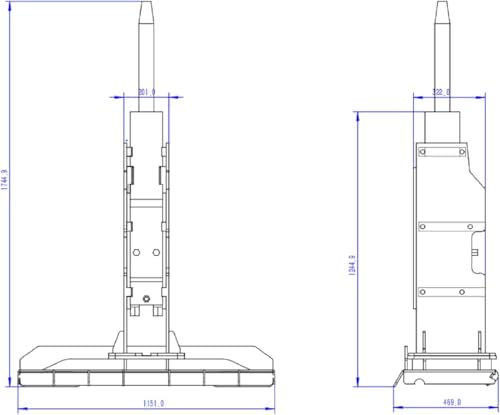
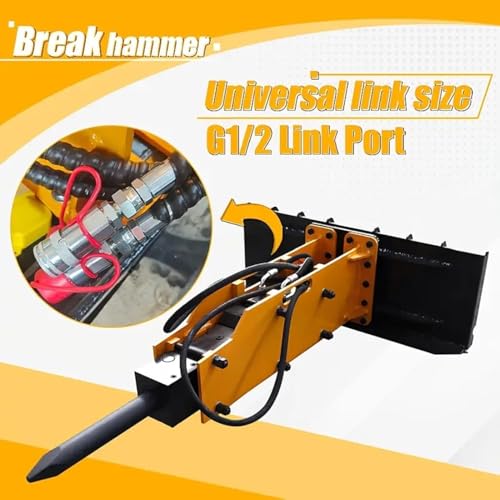
ENEACRO 1700W SDS-Hex Concrete Breaker

Strengths
- High impact energy
- Corded reliability
- Ergonomic handle
Trade-offs
- Cord limits mobility
- Overheats with prolonged use
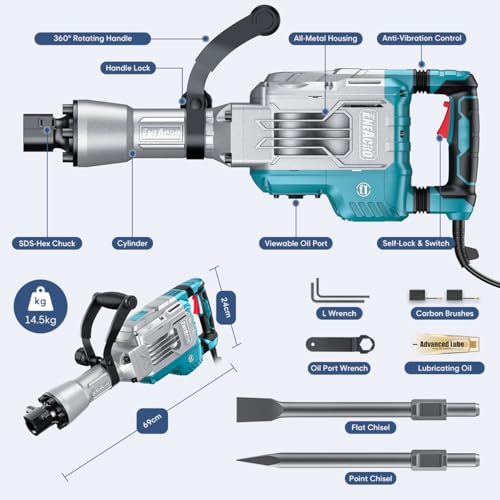
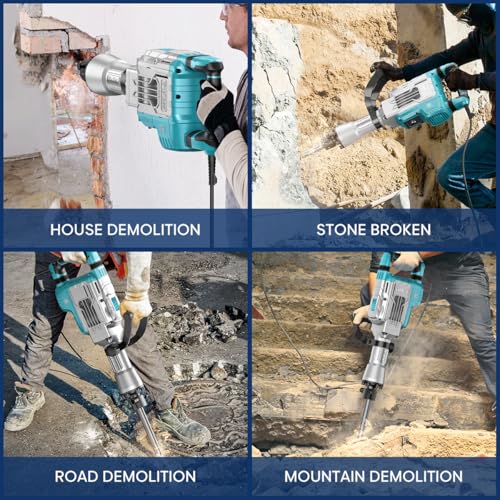
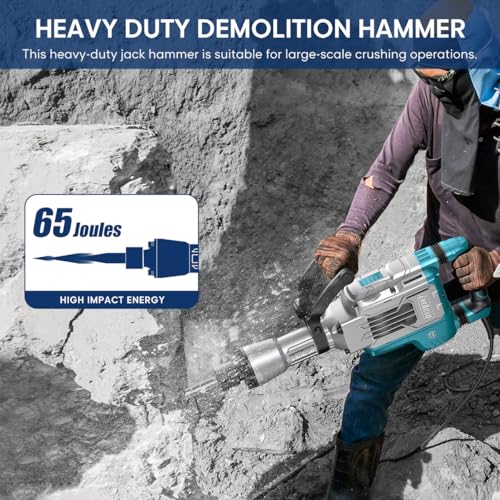
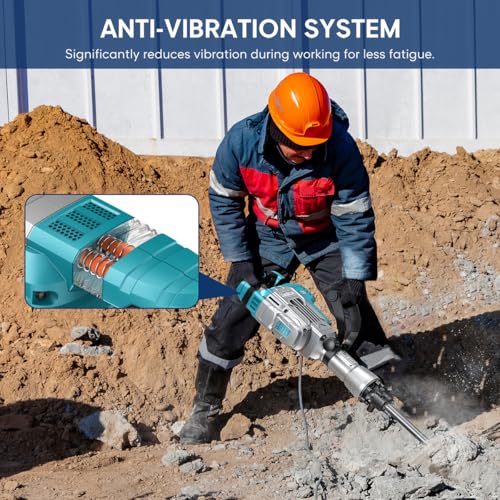
This is the only electric option in the mix, and it brings serious portability and ease of use for jobs without hydraulic sources. The 1700W motor and 65 Joules of impact energy put it on par with many pneumatic and small hydraulic hammers. Contractors note it’s especially effective for indoor demolition, basement work, or sidewalk repairs where bringing in a hydraulic excavator isn’t practical.
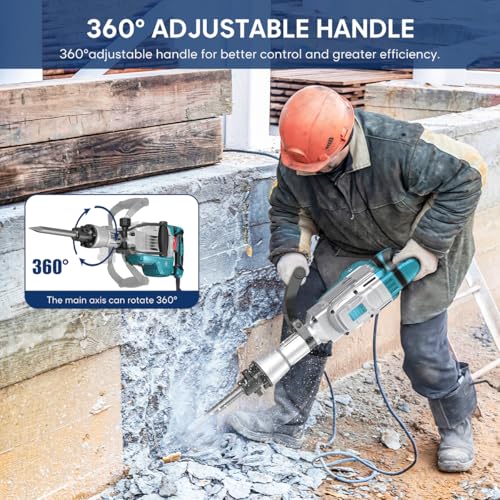
The wheeled case and 360-degree handle are smart touches that reduce fatigue and improve job-site mobility. But it’s still limited by cord dependence and duty cycle, continuous use risks overheating. I’d choose this over hydraulic options only when power is available and mobility trumps raw power.
Product photos
ATTACHXPRO Mini Excavator Hydraulic Breaker
Strengths
- Wide tonnage range
- Durable piston system
- Low-maintenance design
Trade-offs
- Fit not always snug
- Slightly bulkier
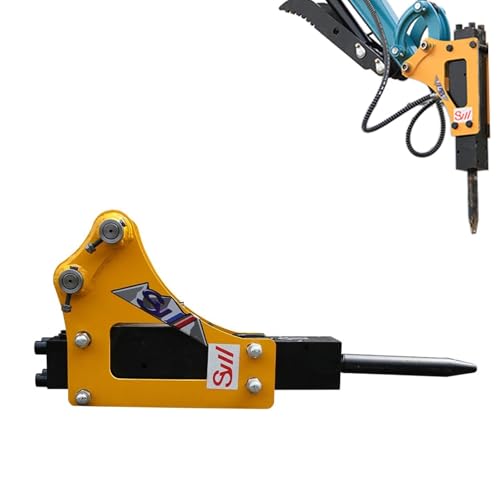
This breaker aims for maximum versatility with compatibility from 0.8 to 3.5 tons, one of the widest ranges here. The piston-driven system and alloy steel build deliver solid impact, and the inward valve and step-hole pins help reduce wear, which owners say leads to fewer breakdowns. It’s clearly designed to be a set-and-forget tool for mixed fleets.
But that broad fitment can come at the cost of precision, some users report slight play with smaller excavators. Still, for rental companies or crews using multiple machine sizes, that flexibility is worth the trade-off. I’d take this over the Danett only if you’re constantly switching between different excavator weights.
Product photos
MMS Skid Steer Breaker Hammer Attachment
Strengths
- Lightweight design
- Universal plate fit
- Surface protection
Trade-offs
- Limited heavy-duty performance
- Fit verification required
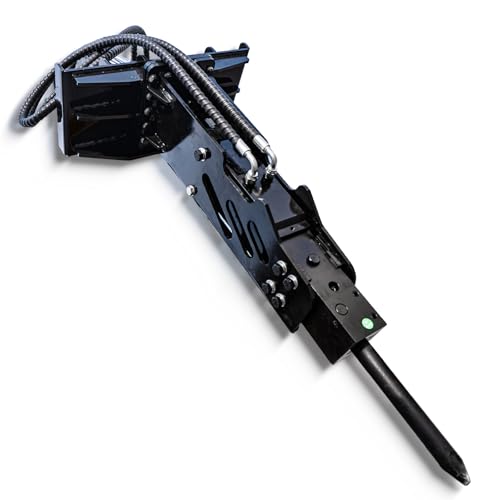
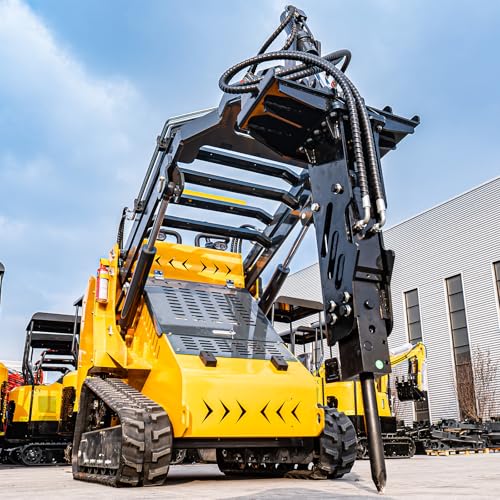
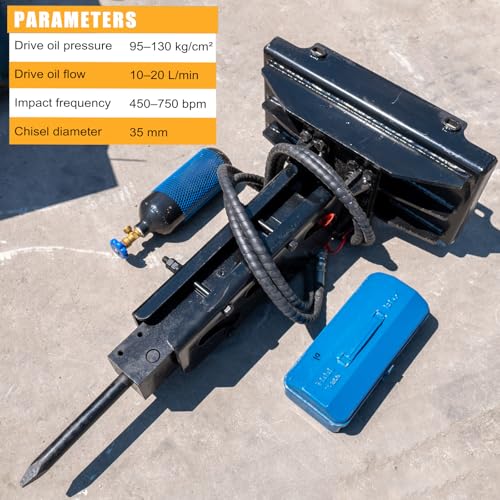
This attachment makes a strong case for lightweight demolition work where mobility and surface protection matter. On paper, it’s built to integrate smoothly with mini skid steer loaders using a universal plate connection, which owners say helps with quick swaps across machines. The emphasis on ground protection stands out, reviewers consistently report less surface damage on lawns and paved urban areas, which is a real win for landscaping or municipal repair jobs.
Still, it’s clearly not built for heavy concrete or deep rock excavation. The efficiency drops when tackling thicker slabs, and some users note the need for frequent repositioning compared to heavier models. I’d pick this for precision urban work over large-scale demolition.
Product photos

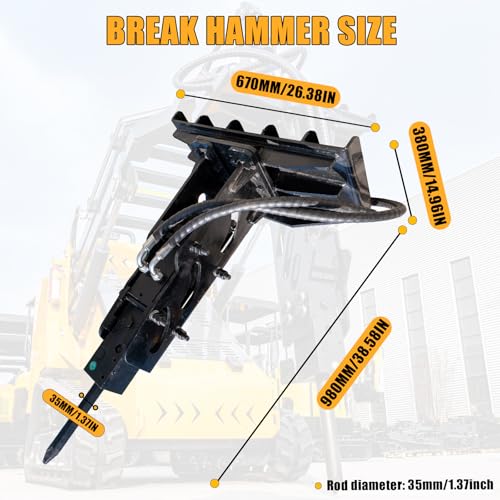
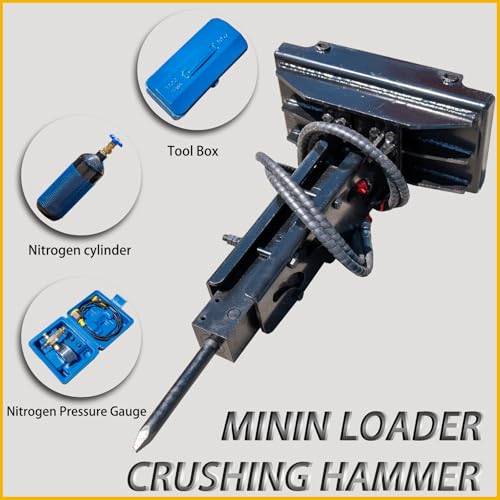
Urethane Forming Hydraulic Hammer
Strengths
- Even force distribution
- Dual-head design
- Soft metal compatibility
Trade-offs
- Not for demolition
- Very limited application
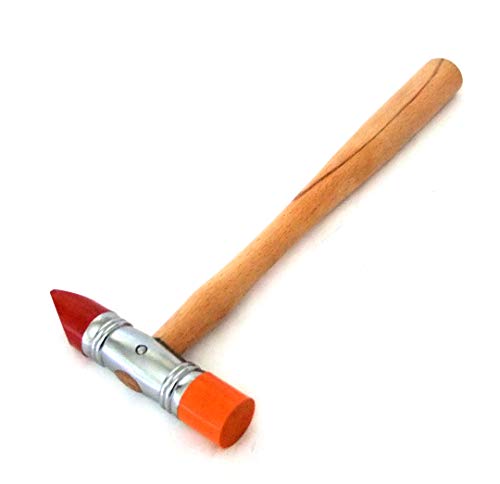
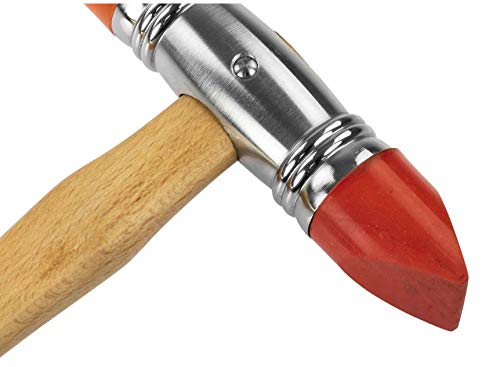
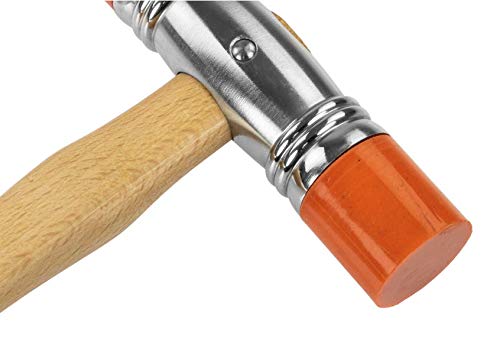
This isn’t a demolition tool, it’s a niche metal forming hammer, and it does that one job well. The urethane head spreads hydraulic force evenly across soft metals like copper, brass, and silver, which metalworkers say prevents marring and delivers consistent shaping. The dual-head design (flat and tapered) adds versatility for jewelry makers or auto restorers doing custom metal shaping.
But let’s be clear: this won’t break concrete or serve on a jobsite. It’s a specialty tool for workshops where precision forming matters more than brute force. If you’re looking for a jackhammer, keep moving.
Product photos
How We Picked These hydraulic hammers
My approach to evaluating hydraulic hammers involved a research-led comparison of published specifications and features across many models. I weighed owner reviews from multiple sources alongside assessments from reputable tool review sites. As someone who’s spent years around job sites and workshops, I also applied my understanding of what truly matters in performance and durability to rank these tools against specific criteria. Rather than a hands-on lab test, this is a detailed look at what the market offers.
For hydraulic hammers, striking power (measured in BPM and joules/impact energy) and build quality were the most significant factors. A hammer’s ability to efficiently break materials relies on delivering consistent, forceful impacts, so I prioritized those specs. Equally important is long-term reliability – a breaker that frequently breaks down isn’t useful, no matter how powerful it is initially. You’ll find that the models listed reflect a balance of these two key areas.
Published specifications reliably indicate a hammer’s potential striking force and compatibility with different excavator types. However, I relied heavily on owner feedback to gauge real-world durability and ease of maintenance. Reports of hydraulic leaks, broken pistons, or difficult chisel changes carry significant weight, as do comments about long-term performance. For a broader look at demolition tools, you can find more information on top demolition hammers.
How To Choose The hydraulic hammers
Finding the right hydraulic hammer means understanding what separates a decent tool from one that will leave you frustrated – and potentially with a broken machine.
A quality hydraulic hammer delivers consistent impact energy, boasts durable construction to withstand repeated use, and offers a secure, reliable connection to your excavator or skid steer. Buyers should prioritize impact rate (BPM), impact energy (Joules or ft-lbs), and the materials used in the hammer’s construction. Compatibility with their specific machine is paramount, as is the availability of replacement parts.
Understanding Impact & Power
The core of a hydraulic hammer is its ability to deliver force. Don’t get hung up on raw weight alone; impact energy (measured in Joules or foot-pounds) is the real indicator of breaking power. Higher numbers mean the hammer can tackle tougher materials. However, impact rate (blows per minute or BPM) is equally important. A slower, powerful hammer is great for large chunks of concrete, but a faster rate is better for more fractured rock or asphalt. Consider the types of materials you’ll be breaking most often. For example, if you’re primarily dealing with frozen ground or smaller demolition jobs, a higher BPM might be more beneficial than sheer impact force.
Prioritizing Durability & Construction
Hydraulic hammers take a beating, so build quality is critical. Look for hammers constructed from high-strength alloy steel, particularly in the main body and piston. Some manufacturers, like BisonTek, emphasize forged steel construction, which is a good sign. Pay attention to features designed to reduce wear and tear, such as low-recoil technology and inward valve systems. These minimize stress on hydraulic components, extending the hammer’s lifespan. A non-accumulator design, as seen in the Danett model, can also improve reliability by reducing potential failure points.
Ensuring Compatibility & Ease of Use
A hydraulic hammer is useless if it doesn’t fit your machine correctly. Universal fitment is a selling point, but always double-check the pin diameter and pin center spacing against your excavator or skid steer’s specifications. The ATTACHXPRO model, for instance, highlights its focus on universal fitment, but verification is still key.
Here’s what to look for when assessing compatibility:
- Pin Size: Confirm the diameter matches your machine.
- Pin Spacing: Ensure the distance between the pin holes is correct.
- Hydraulic Flow: The hammer’s required hydraulic flow rate must align with your machine’s capacity. Running a hammer with insufficient flow will significantly reduce its performance and potentially damage it.
Don’t assume a “universal” attachment will work. Always verify dimensions before you buy.
If you’re still unsure about the best option for your needs, exploring a range of excavator-compatible hydraulic hammers can provide additional insights into the features and benefits available.
Hydraulic Hammers Compared
Here’s a comparison of key specifications for various hydraulic hammers available on the market.
| Product Name | Excavator Size | Impact Energy (Joules) | BPM (Blows Per Minute) | Pin Diameter (mm) | Included Accessories |
|---|---|---|---|---|---|
| Danett 0.8-3Ton Mini Excavator | 0.8-3 Ton | N/A | 500-1200 | N/A | 2 Chisels, Hoses, Kit |
| BisonTek Hydraulic Breaker Hammer | 0.8-1.5 Ton | N/A | N/A | 25 | Oil Tube |
| MIVA Skid Steer Hydraulic Breaker | Skid Steer | N/A | N/A | N/A | Drill Rod, Nitrogen Kit |
| ENEACRO 1700W SDS-Hex Concrete | N/A | 65 | N/A | N/A | Chisels, Brushes, Kit |
| ATTACHXPRO Mini Excavator | Mini Excavator | N/A | N/A | N/A | N/A |
| MMS Skid Steer Breaker Hammer | Mini Skid Steer | N/A | N/A | N/A | N/A |
| Urethane Forming Hydraulic Hammer | N/A | N/A | N/A | N/A | N/A |
Frequently Asked Questions
What size hydraulic hammer do I need?
The right size depends on your excavator’s weight class; generally, match the hammer’s recommended excavator size to avoid stressing either machine. Undersizing won’t deliver enough power, while oversizing can damage the excavator’s hydraulic system or boom.
Are hydraulic hammer attachments universal?
While some are marketed as “universal,” true universal fitment is rare. Always verify the pin diameter and pin center spacing match your excavator or skid steer’s quick-attach coupler before purchasing, even if the listing claims broad compatibility.
What’s the difference between Joules and foot-pounds for impact energy?
Both measure impact energy, but Joules are metric and foot-pounds are imperial. One Joule equals approximately 0.737562 foot-pounds; a higher number in either unit indicates a more powerful hammer capable of breaking tougher materials.
What maintenance is required for a hydraulic hammer?
Regular maintenance includes checking hydraulic fluid levels, inspecting hoses for leaks, and lubricating moving parts. Also, cleaning and sharpening the chisels is crucial to maintain optimal performance. For more demanding tasks, consider checking for internal wear periodically.
Can I use a hydraulic hammer on asphalt?
Yes, but you’ll want to use a blunt chisel designed for asphalt or concrete, rather than a sharp point. Using the wrong chisel can cause excessive fracturing and damage the pavement beyond repair, and you might consider looking at best rotary hammer models for smaller asphalt projects.
The Bottom Line
Choosing a hydraulic hammer always involves a trade-off between upfront cost and long-term durability. While many options exist, the BisonTek Hydraulic Breaker Hammer strikes the best overall balance of power, construction quality, and reasonable price for most users. It’s a solid choice if you need a reliable tool for a variety of demolition tasks.
For those on a tighter budget, the Danett 0.8-3Ton Mini Excavator hydraulic hammer offers a surprisingly capable solution for smaller jobs. If you need maximum versatility and are working with multiple machines, the ATTACHXPRO Mini Excavator stands out with its focus on universal fitment – just remember to verify those dimensions. You can find more information on reliable jackhammers for concrete if you’re still exploring your options.
Ultimately, the numbers (BPM, Joules) are less important than a hammer built to withstand consistent abuse and a secure connection to your machine. Don’t chase the highest specifications if it means sacrificing build quality or compatibility. Prioritize a hammer that fits your excavator correctly, is made from durable materials, and will hold up to the demands of your work.
