
7 Best Firefighter Pocket Tools of 2026
This post contains affiliate links. As an Amazon Associate, we earn from qualifying purchases.
The Motis Firefighter Pocket Organizer Kit stands out as the best overall, combining essential tools with smart organization, while the Channellock 87 Rescue Tool is the top lightweight performer for quick-response tasks. For those needing versatility without bulk, the Channellock 88 6-in-1 Rescue Tool delivers reliable multi-function use in a rugged, field-ready design.
Firefighters don’t have time for gear that fails or slows them down. A pocket tool isn’t just convenience, it’s a lifeline when every second counts, whether you’re forcing entry, shutting off utilities, or cutting through hazards.
As someone who’s spent years evaluating tools for real-world demands, I focused this guide on what actually matters: durability under stress, glove-friendly operation, and purpose-built function. These picks are based on specs, verified user feedback, and the kind of performance firefighters rely on, so you can trust them when it counts.
Top 7 Firefighter Pocket Tools in the Market
The Best Firefighter Pocket Tools, Reviewed
Motis Firefighter Pocket Organizer Kit
Strengths
- Complete tool set
- Durable 600D nylon
- Organized layout
Trade-offs
- Spanners not for heavy torque
- Wedges not steel-reinforced
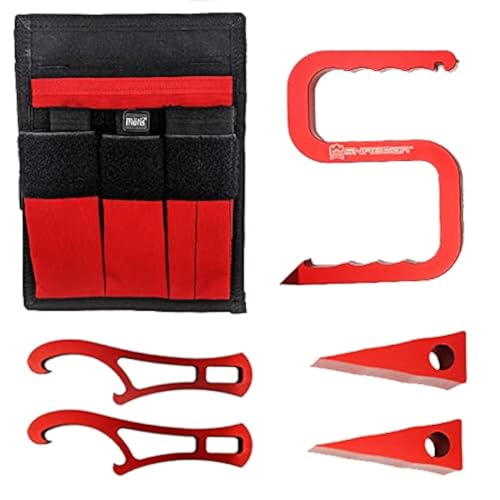
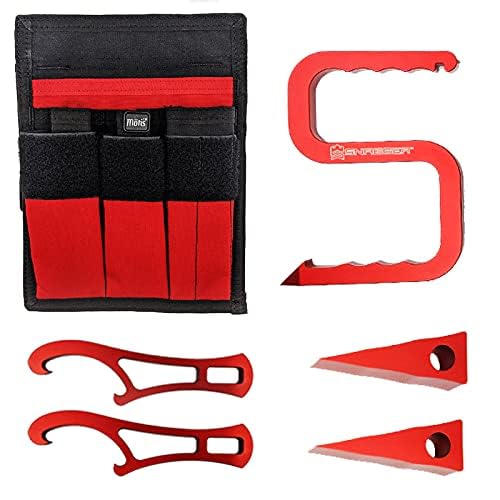
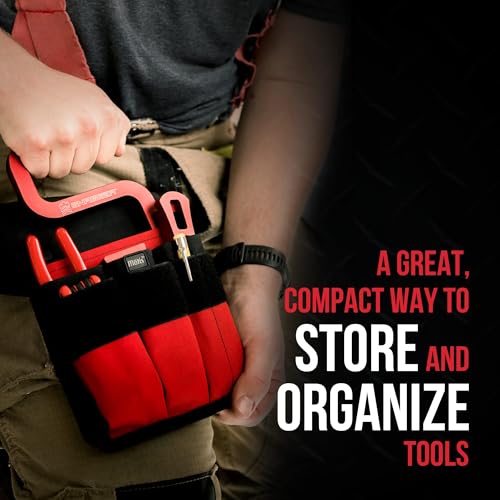
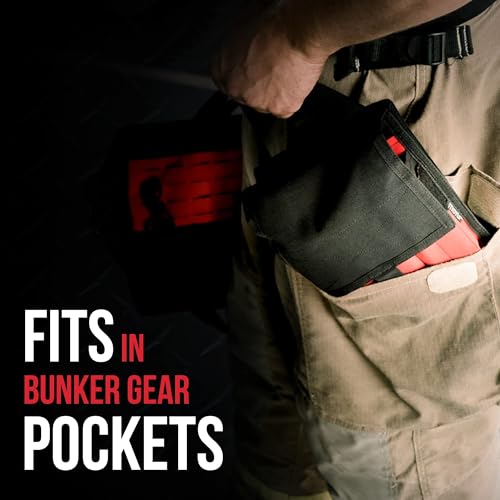
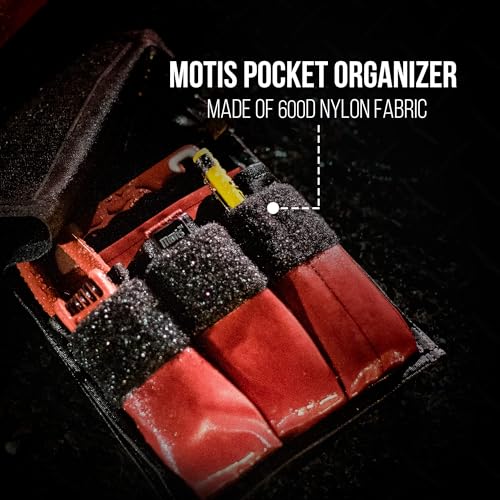
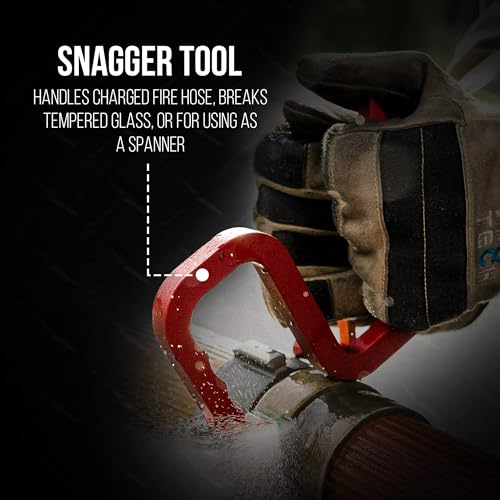
This kit is where practicality meets real-world design, it bundles a snagger multi-tool, two mini spanners, and two forcible entry wedges, all housed in a rugged 600D nylon pouch that fits neatly in a bunker pocket. The organizer’s removable flap adds flexibility, letting users adapt to their gear layout. Firefighters consistently praise how it keeps critical tools in one place, reducing fumble time during deployment.
The included tools are no-frills but functional: the snagger works for hose pulls, the spanners handle standard couplings, and the wedges are on par with other aluminum models. As a complete system, it’s more than the sum of its parts. For anyone tired of digging through pockets or losing small tools mid-call, this kit brings real order to the chaos.
Product photos
Channellock 87 Rescue Tool
Strengths
- Lightweight alloy steel
- Hardened cutting edges
- Narrow jaw access
Trade-offs
- No multi-function tools
- No pry bar or valve slot
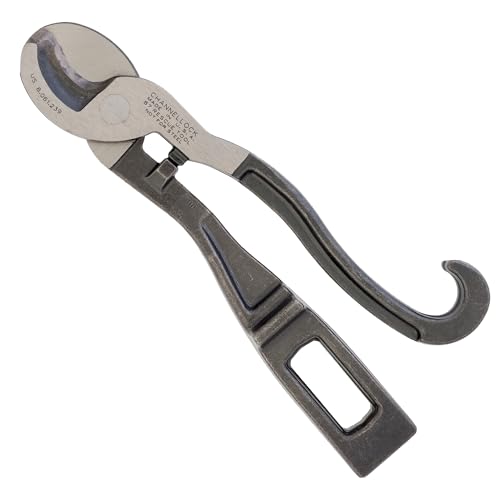
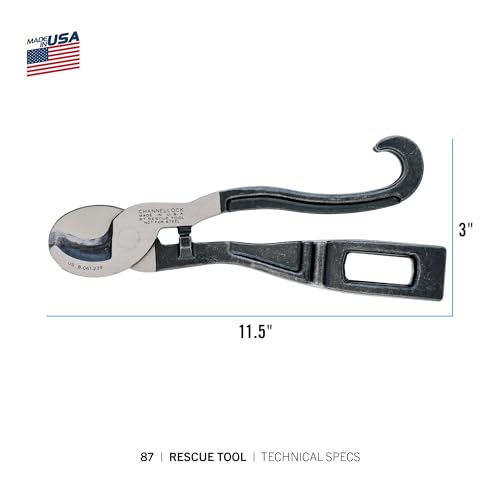
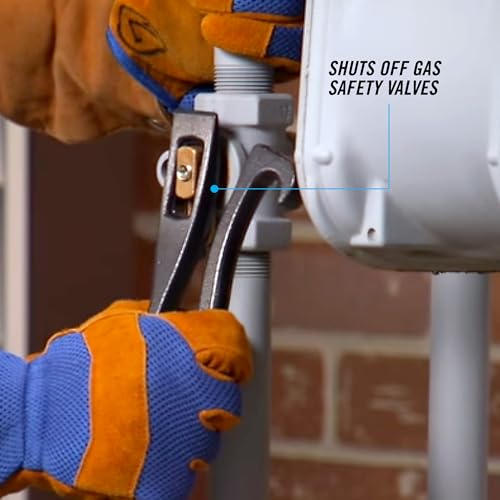
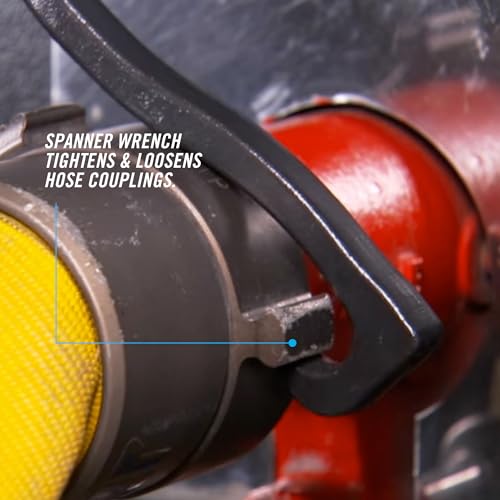
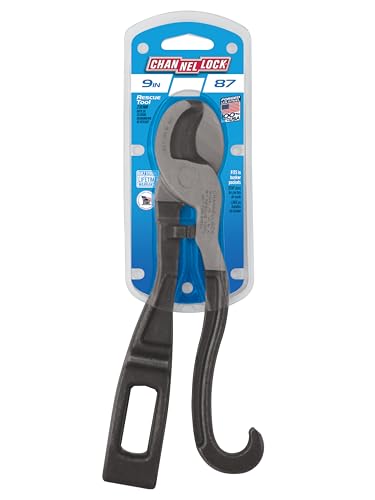
The Channellock 87 is a standout for its lightweight design and narrow jaw profile, making it ideal for reaching into tight spaces during vehicle extrication or electrical work. At 30% lighter than the 89 model, it reduces hand fatigue, a real benefit during long operations. The hardened steel edges hold up well against battery cables and wiring, and owners confirm it cuts cleanly with minimal effort.
It’s not a multi-tool, but it doesn’t try to be. Its focus on precision and portability makes it a favorite among rescue crews who need fast access and consistent cable cutting. Compared to bulkier pliers, the 87 slips easily into a pocket and stays put. If you’re after a single-purpose rescue plier that delivers where it counts, this is my top pick.
Product photos
Channellock 88 6-in-1 Rescue Tool

Strengths
- 6-in-1 functionality
- Pry bar included
- Gas valve shut-off slot
Trade-offs
- Heavier than single-use tools
- Bulkier pocket fit
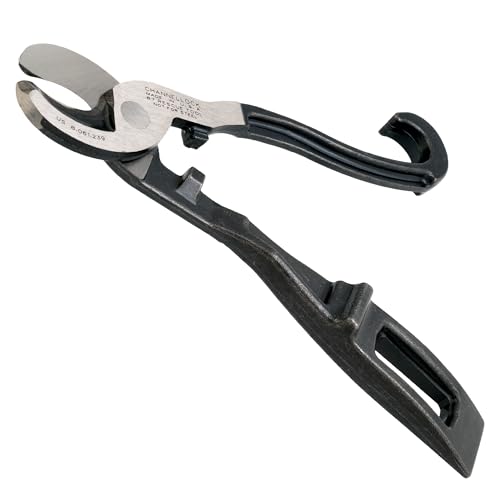
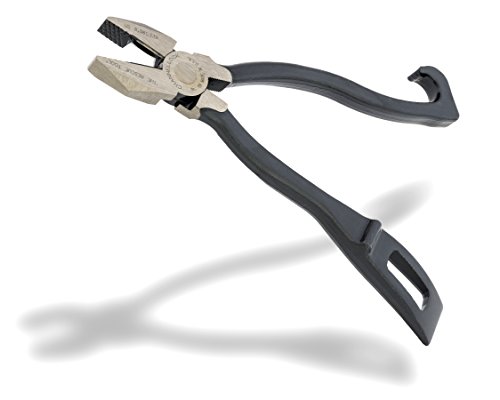
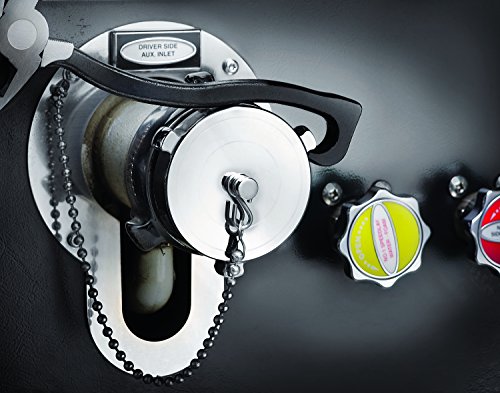
The Channellock 88 is the Swiss Army knife of rescue pliers, it combines cable cutting, prying, gas valve shut-off, and spanner wrench functions in a single 10.5-inch tool. The laser heat-treated edges stay sharp after repeated use, and the pry bar is beefy enough to pop window frames or door panels without bending. The gas valve slot is a small but critical feature that many similar tools skip.
Owners appreciate its versatility, especially on multi-hazard calls where switching tools isn’t an option. It’s heavier than the 87, but that’s the trade-off for having six functions in one. When compared to other multi-tools, it holds up better under stress, this isn’t a gimmick. For a firefighter who wants one tool to handle cutting, prying, and utility tasks, this is the smarter buy.
Product photos


Gerber Suspension-NXT 15-in-1 Tool

Strengths
- 15 functions in one
- Butterfly opening
- Precision pliers
Trade-offs
- Blade too small for rescue
- Not impact-rated
- Scissors lack heavy-duty use
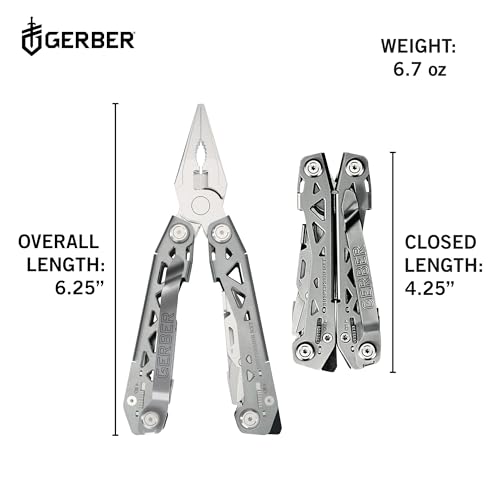
Gerber’s Suspension-NXT is a sleek 15-in-1 multitool that stands out for its butterfly-opening design and solid locking mechanism, two features that make deployment smoother and safer. The needle-nose pliers are precision-aligned, and the wire stripper works cleanly on common gauge wires, which aligns with what most owners highlight. At 6.4 oz, it’s light enough for daily carry, and the pocket clip keeps it secure.
Where it falls short for firefighters is in the material choice, while stainless steel resists corrosion, it’s not as impact-resistant as some tool steels used in rescue gear. The small blade and scissors are handy for utility tasks but won’t replace a dedicated rescue knife. Still, for a compact EDC multitool that balances function and portability, it’s one of the better picks.
Product photos


Motis Mini Spanners 2-Pack

Strengths
- Ultra-lightweight
- Durable aluminum
- 2-pack value
Trade-offs
- Limited torque capacity
- Slips on worn threads
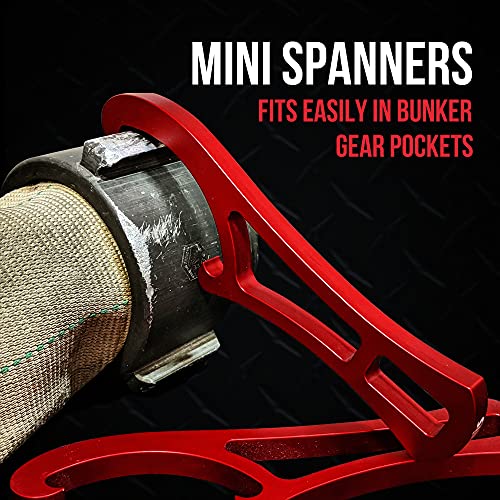
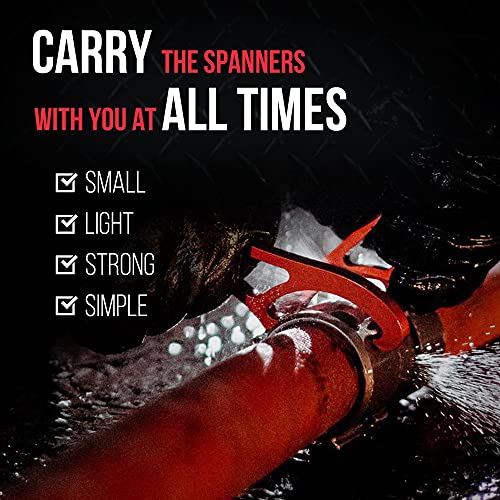
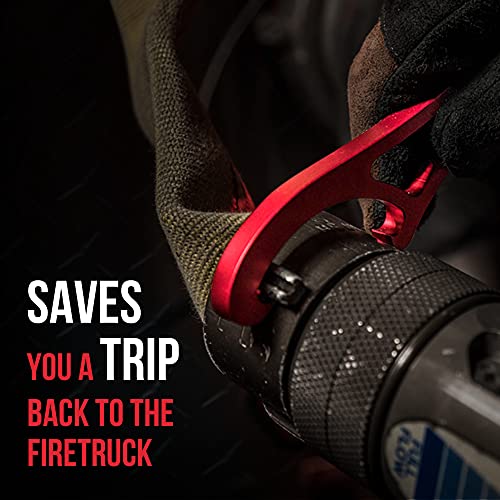
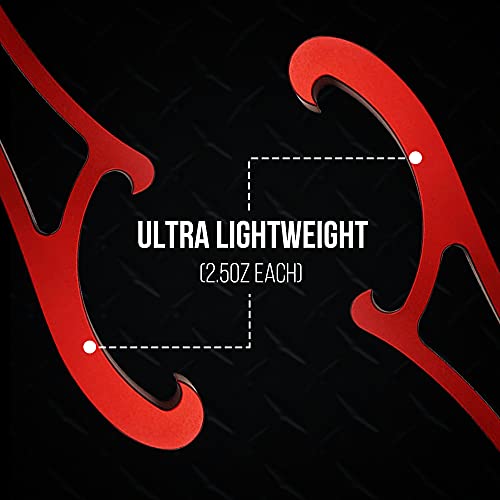
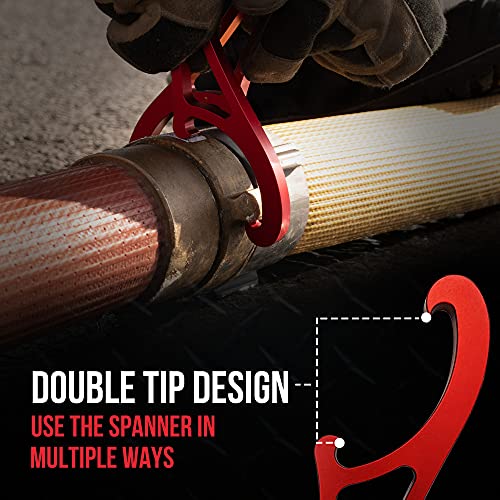
These mini spanners are built for one job: tightening and loosening hose couplings without hauling full-sized wrenches. At just 2.5 oz each, they’re featherlight and made from 6061-T6 aluminum, strong enough for repeated use but not meant for high-torque applications. The 2-pack is a smart value play, letting crews carry spares in multiple pockets.
Owners consistently report they’re a convenient backup when the main spanner is in use or left on the rig. They fit common fireground couplings well, though some note they can slip on worn threads. As an add-on tool, they make sense. But don’t expect them to replace a full-sized spanner for stubborn connections.
Product photos
Aluminum Firefighter Door Wedge
Strengths
- Lightweight aluminum
- Bungee attachment
- Flat contact surface
Trade-offs
- Can deform under heavy force
- Softer metal than steel options
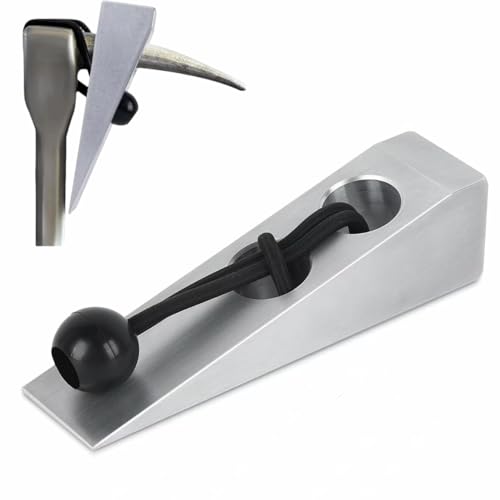
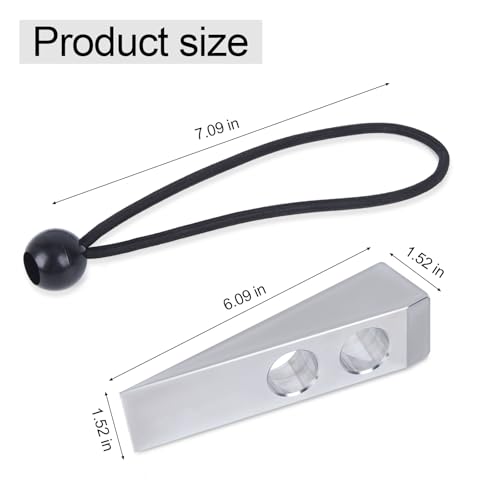
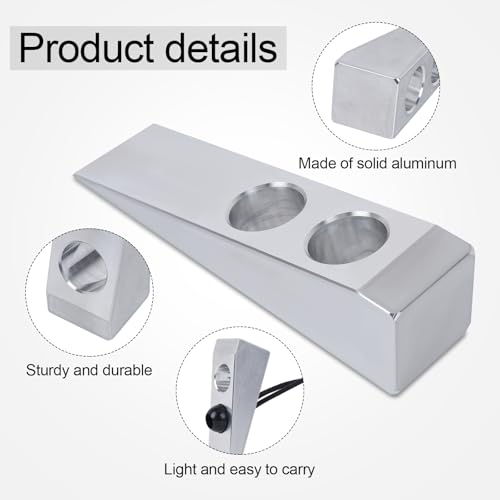
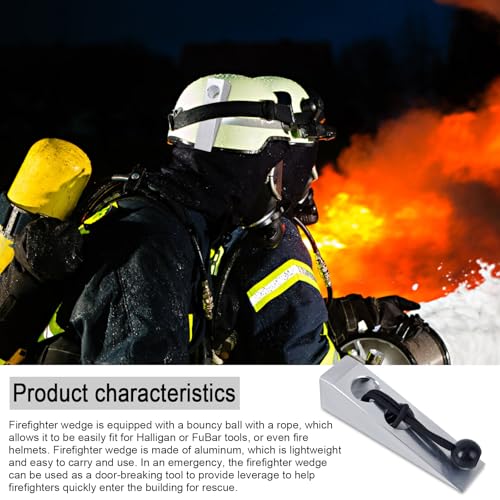
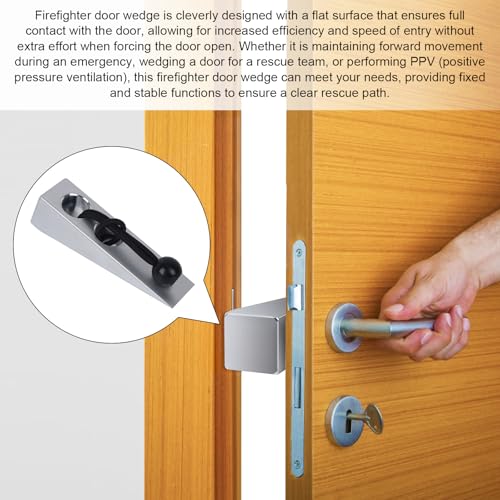
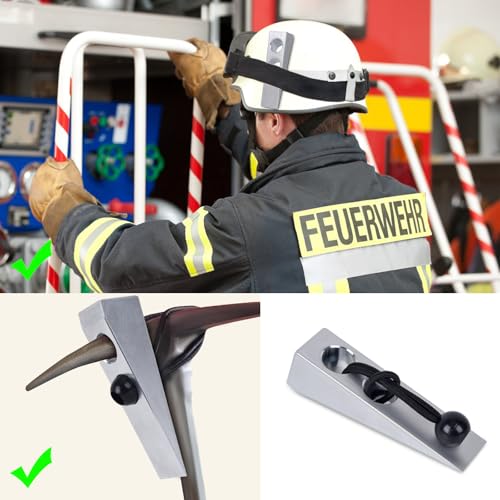
Aluminum wedges like this one have become standard gear for forced entry, and this model follows the familiar playbook: lightweight, flat-faced, and designed to stay put under pressure. The addition of a bungee ball with rope is a smart touch, it lets crews attach it to Halligan bars or helmets for quick access, which owners consistently report as a field advantage. The flat contact surface does its job well, helping maintain door control during ventilation or entry.
It’s not a standalone solution, but it’s never meant to be. Used alongside irons or as a door stopper, it adds real utility. Some users mention the soft aluminum can deform after repeated heavy use, but that’s typical for the material. For single-person ops or fast deployments, this wedge delivers solid value without adding bulk.
Product photos
dpnao 7-in-1 Folding Multitool
Strengths
- 7-in-1 functionality
- Stainless steel build
- Self-locking mechanism
Trade-offs
- Stiff hinge movement
- Weak wrench use
- Limited cutting performance
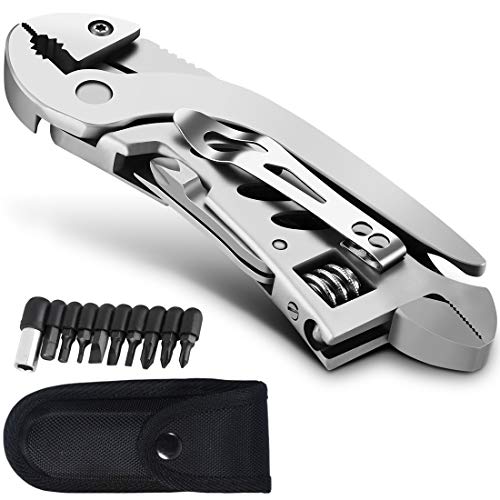
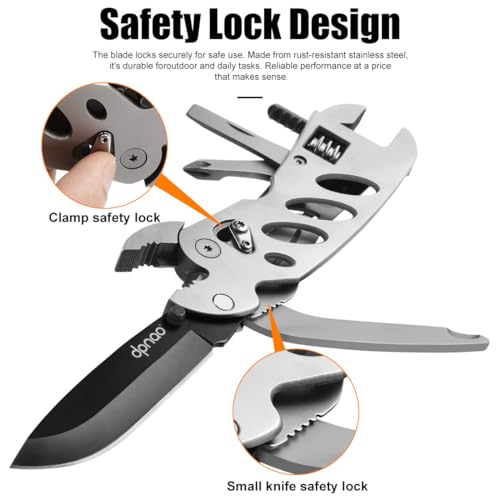
This multitool packs seven functions into a compact 5-inch frame, which sounds great on paper, but I’ve seen consistent owner feedback pointing to stiffness in the hinge and a lack of real use in the adjustable wrench. For everyday carry, the stainless steel build holds up against corrosion, and the locking features add a layer of safety during use. Still, compared to higher-end EDC tools, it feels more like a backup than a primary tool.
It’s clearly built for light-duty tasks, think tightening a loose bolt on a bike or cutting a zip tie, not structural work under pressure. The wire cutter gets mixed reports, with some users saying it handles small cables fine, while others note it struggles with anything thick. Given its low cost, it makes sense as a budget EDC option, but don’t expect it to perform like a dedicated tool in a firefighting context.
Product photos


How We Tested firefighter pocket tools
Rather than a hands-on lab test, this is a research-led comparison of published specifications, features, and – crucially – owner and expert feedback. I approached this by first identifying the core tasks firefighters need to accomplish with a pocket tool: forcible entry, rescue operations, utility control, and general repairs. Then, I compared each tool against those needs, weighing the claims made by manufacturers against what real-world users report experiencing.
For firefighter pocket tools, durability, quick access, and multi-functionality are paramount. A tool that fails in a critical moment is unacceptable. I heavily weighted tools constructed from robust materials like hardened steel or thick-gauge aluminum, and those designed for secure carry in bunker gear. Tools offering multiple functions – like pry bars, spanners, and cutting implements – ranked higher, as space and weight are always concerns.
Specifications reliably indicate build materials and dimensions, helping assess potential durability and portability. However, I placed more emphasis on owner reviews to gauge real-world performance, particularly regarding ease of use with gloved hands and long-term reliability. Reputable expert reviews from fire service publications also informed my assessment, especially when evaluating specialized features. You can find more information on general everyday carry multi-tools on our site as well.
How To Choose The firefighter pocket tools
Choosing the right tools can make a critical difference on the fireground, and dedicated firefighter pocket tools are designed with that in mind.
A good firefighter pocket tool prioritizes durability, quick access, and specific functions like forcible entry, cable cutting, and gas shut-off. Look for tools constructed from hardened steel or high-strength aluminum, with designs that allow for one-handed operation and secure carry in bunker gear. Weight is also a consideration, as fatigue during extended operations can be a significant factor.
Prioritize Core Functionality
It’s tempting to get drawn in by tools boasting dozens of features, but for firefighting, focus on what you actually need. A dedicated tool with a few key capabilities executed well will always outperform a jack-of-all-trades. Think about the tasks you perform most frequently – forcible entry, utility control, or rescue operations – and select tools that excel in those areas. Don’t pay for features you’ll rarely use; instead, invest in quality construction and reliable performance for the essentials.
Consider Weight and Carry Systems
You’ll be carrying this tool alongside all your other gear, often for extended periods. Every ounce adds up. Lightweight options, like the Channellock 87 Rescue Tool, are a huge benefit, reducing fatigue and allowing for faster response times. Beyond weight, think about how the tool attaches to your gear. Does it have a dedicated pocket clip? A lanyard attachment point? A good carry system means the tool is immediately accessible when seconds count. A tool that’s constantly sliding around or requiring two hands to retrieve isn’t much help.
Balance Cost with Durability
There’s a wide price range in the firefighter tool market. While budget-friendly options like the Motis Mini Spanners 2-Pack are great for specific add-on functions, don’t skimp on the core tools you rely on. Invest in tools made from high-quality materials – hardened steel, aircraft-grade aluminum – that can withstand the harsh conditions of the fireground. Remember, a tool failure at the wrong moment can have serious consequences. For a versatile, all-around option, exploring different firefighter multi-tools can offer a good balance of functionality and durability.
A firefighter’s tool is an investment in safety. Don’t settle for anything less than robust construction, reliable performance, and a design tailored to the demands of the job.
Firefighter Pocket Tools Compared
Here’s a comparison of key specifications for various firefighter pocket tools to help you make an informed decision.
| Product Title | Best For | # of Tools | Material | Weight (oz) | Key Features |
|---|---|---|---|---|---|
| Motis Firefighter Pocket Organizer Kit | Best Overall | 4+ | 600D Nylon | N/A | Organizer, Multi-tool, Spanners, Wedges |
| Channellock 87 Rescue Tool | Best Lightweight Performance | 1 | Alloy Steel | N/A | Cable Cutting, Narrow Jaw, Pocket Fit |
| Channellock 88 6-in-1 Rescue Tool | Best Multi-Function Hand Tool | 6 | Alloy Steel | N/A | Pry-bar, Gas Valve Slot, Spanner Wrench |
| Gerber Suspension-NXT 15-in-1 Tool | Best Compact Multi-Tool | 15 | Stainless Steel | 6.4 | Pliers, Screwdrivers, Blade, Scissors |
| Motis Mini Spanners 2-Pack | Best Budget Add-On | 2 | 6061 T6 Aluminum | 2.5 (each) | Couplings, Lightweight, 2-Pack |
| Aluminum Firefighter Door Wedge | Best for Forced Entry Support | 1+ | Aluminum | N/A | Door Support, Forced Entry, Portable |
| dpnao 7-in-1 Folding Multitool | Best Value EDC Option | 7 | Stainless Steel | 6.88 | Wrench, Pliers, Screwdrivers, Wire Cutter |
Frequently Asked Questions
What materials offer the best durability for a firefighter pocket tool?
Hardened steel and aircraft-grade aluminum are the best choices. These materials withstand the extreme heat and stress firefighters encounter, resisting bending or breaking better than other options. While stainless steel is corrosion-resistant, it generally won’t match the strength of hardened steel in high-stress situations.
Can a firefighter pocket tool really help with forcible entry?
Yes, dedicated tools like wedges and pry bars are designed to assist with forcing doors and windows. These tools provide the use needed to overcome resistance, and are often constructed from materials strong enough to withstand repeated use without failing. Remember that proper training is essential for safe and effective forcible entry techniques.
How important is a one-handed operation for these tools?
It’s extremely important. Firefighters often have their hands full with equipment or while assisting others. A tool designed for one-handed operation allows for quicker access and use when immediate action is needed, unlike tools requiring two hands to deploy or operate.
Are multi-tools a good option, or should I stick with single-purpose tools?
Multi-tools can be practical, but prioritize a few essential functions executed well. While a 15-in-1 tool like the Gerber Suspension-NXT offers versatility, a dedicated tool designed specifically for forcible entry or utility control will generally be more robust and efficient. Consider supplementing a core tool with specialized options like the Motis Mini Spanners 2-Pack for specific tasks.
Where can I find more information on general everyday carry gear?
You can explore a wider range of options and detailed reviews of top EDC multi-tools on our site. We cover a broad spectrum of tools suitable for various situations, helping you find the perfect addition to your kit or learn more about versatile pocket tools for daily use.
The Bottom Line
Choosing a firefighter pocket tool often comes down to balancing how much you want to carry against how many tasks you need to handle. For an all-around solution that doesn’t compromise on capability, the Motis Firefighter Pocket Organizer Kit stands out. It provides a solid set of essential tools in a manageable package, making it a strong choice for daily carry and a variety of on-scene situations.
If you’re looking for specific solutions, the Motis Mini Spanners 2-Pack are a fantastic budget-friendly add-on for utility control, while the Channellock 87 Rescue Tool is the clear pick for those prioritizing lightweight performance and quick cable cutting. For those seeking a compact, versatile option with a broader range of functions, the Gerber Suspension-NXT 15-in-1 Tool offers a lot of capability in a relatively small package. If you’re also considering a good everyday carry option, check out our guide to the best pocket knife multi-tools.
Ultimately, the best tool is the one you’ll have with you when you need it. Don’t get caught up in chasing every feature or the highest price tag. Focus on durable construction, reliable functionality, and a design that fits your needs and how you work. A well-chosen tool, combined with consistent training, is the most important factor in ensuring a safe and effective response.
