9 Best Deck Board Removal Tools 2026, Analyzed
This post contains affiliate links. As an Amazon Associate, we earn from qualifying purchases.
The Duckbill Deck Wrecker is our top pick for overall performance, combining smart design with serious use. For budget-conscious DIYers, the Insaga 48″ Pallet Buster delivers solid build quality without the high price. If you’re working on a large or tough deck, the VEVOR 50″ Carbon Steel Pallet Buster offers heavy-duty strength that holds up under constant use.
Pulling old deck boards is exhausting work, and the wrong tool can turn a manageable job into a sore-backed nightmare. Too many people rely on crowbars or makeshift pry bars that slip, bend, or destroy the wood they’re trying to remove.
This guide cuts through the noise. I looked at specs, owner feedback, and real-world usability to find tools that actually work. These picks focus on use, durability, and design that makes removal faster and less punishing on your body.
Top 9 Deck Board Removal Tools in the Market
The Best Deck Board Removal Tools, Reviewed
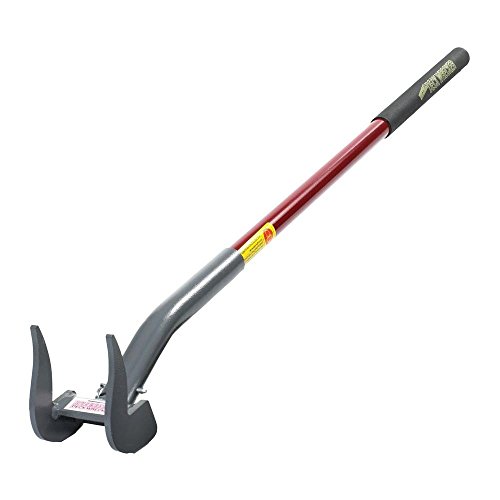
Duckbill Deck Wrecker
Strengths
- Rotating head
- Fiberglass handle
- Heavy-gauge steel
Trade-offs
- Higher price point
- No nail pulling feature
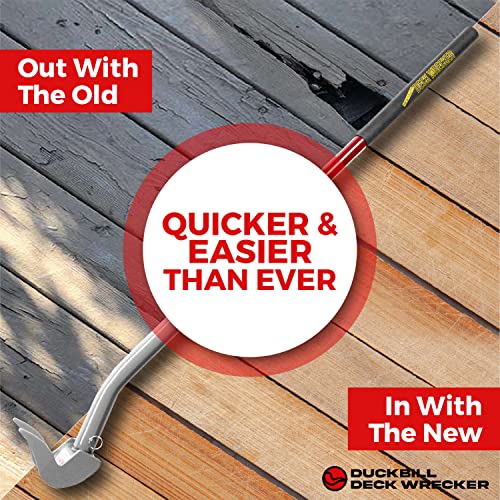
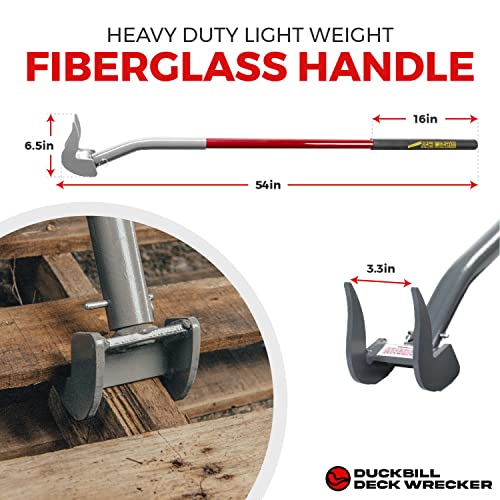
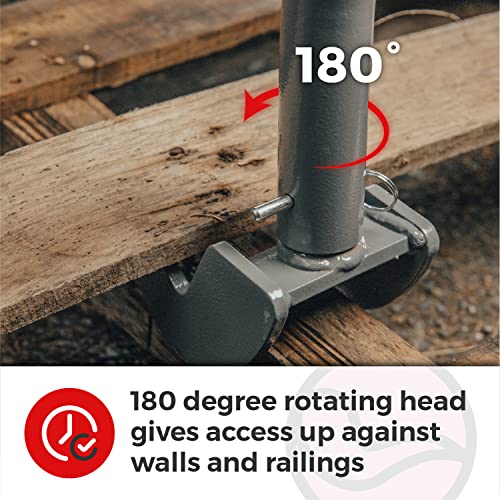
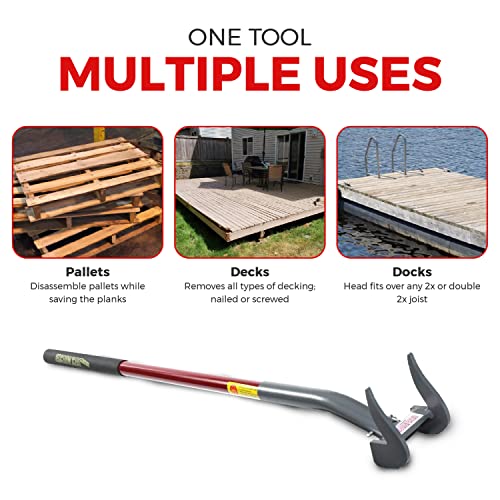
This is the tool I’d reach for if I were leading a deck demo crew and needed reliability above all else. The rotating head design isn’t just a gimmick, owners consistently report it makes switching between push and pull motions intuitive, which matters when you’re prying dozens of boards in a day. On paper, the fiberglass handle stands out for reducing weight without sacrificing strength, and that’s a real advantage when fatigue starts creeping in during long removal sessions.
The 180-degree swivel and heavy-gauge steel head suggest this was built with actual job site ergonomics in mind. Compared to basic pry bars, it delivers cleaner lifts with less need for secondary tools. While it’s not the longest lever in this lineup, its efficiency in positioning and repositioning gives it an edge for precision work. For most serious users, this is the benchmark others are measured against.
Product photos

Insaga 48″ Pallet Buster

Strengths
- Affordable
- One-piece build
- Non-slip grip
Trade-offs
- Shorter handle
- Less refined ergonomics
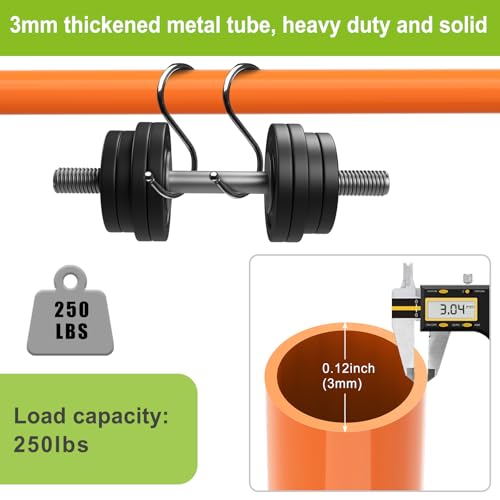
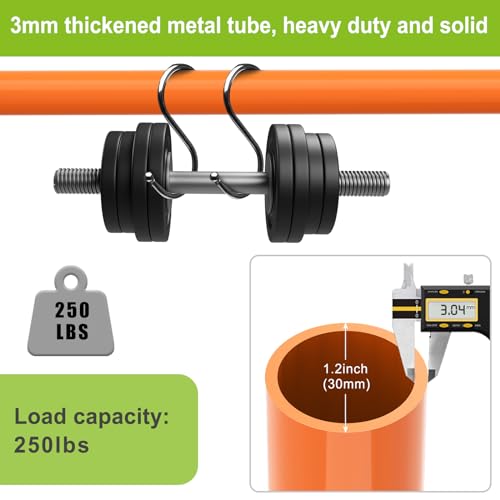
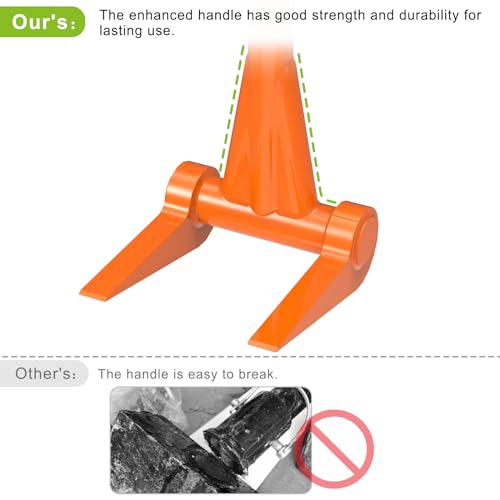
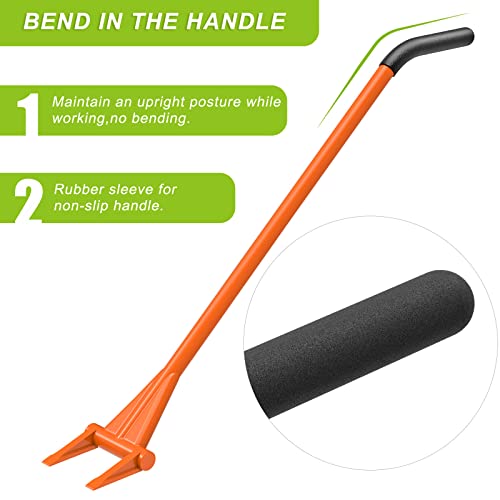
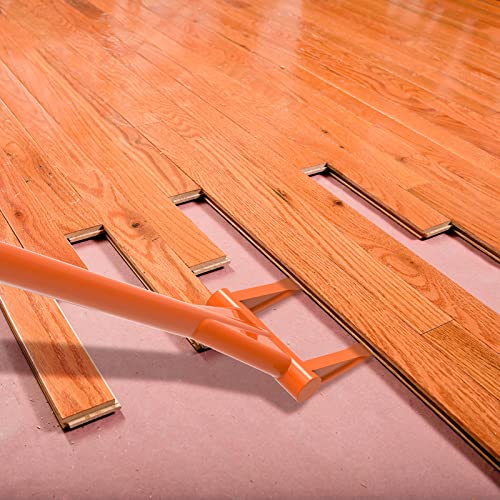
This is the kind of tool that proves you don’t need to spend top dollar for solid performance. At 48 inches, it gives decent use, and the 3mm thick steel handle holds up well under normal use. Owners highlight its no-nonsense build, one-piece welding means no loose parts, and the orange powder coat helps resist rust even after repeated outdoor use.
It won’t outperform the Duckbill in finesse or the VEVOR in raw strength, but for a homeowner tearing down a small deck or breaking apart pallets for a backyard project, it’s more than capable. The non-slip grip is a thoughtful touch, and at this price, it’s hard to fault. My recommendation? Buy this if you need a dependable, low-cost entry point into deck removal tools.
Product photos
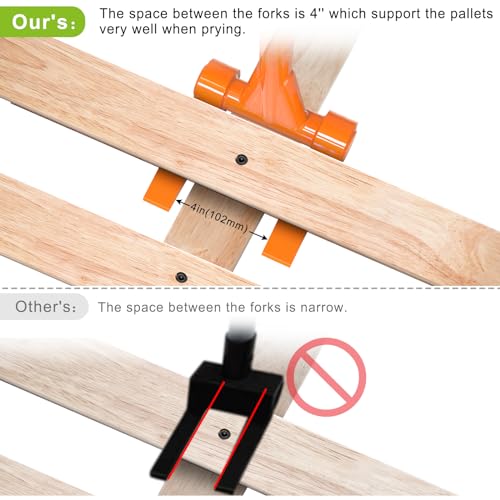
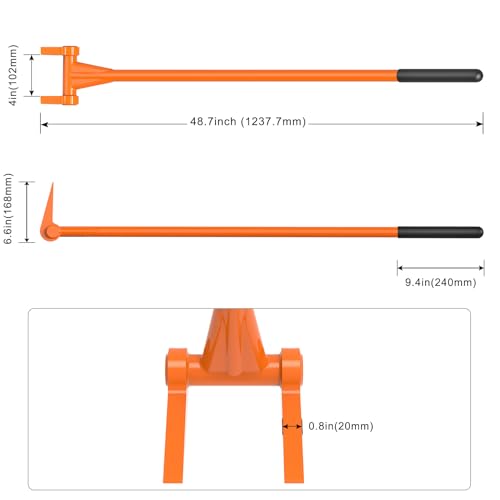
VEVOR 50″ Carbon Steel Pallet Buster
Strengths
- Extreme use
- 2,000 lb capacity
- Heat-treated steel
Trade-offs
- Heavy and stiff
- No articulating head
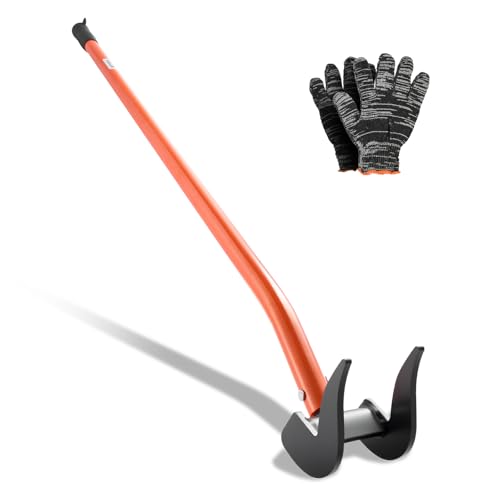
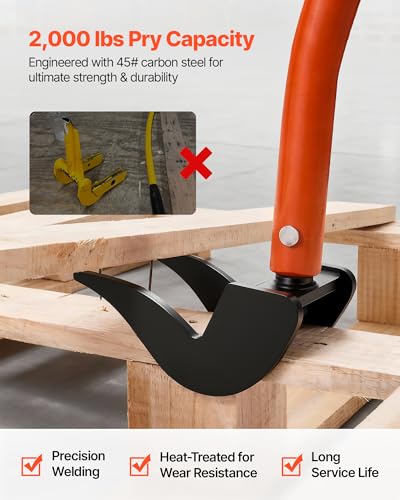
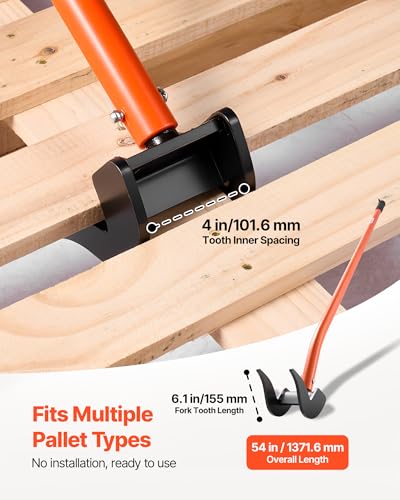
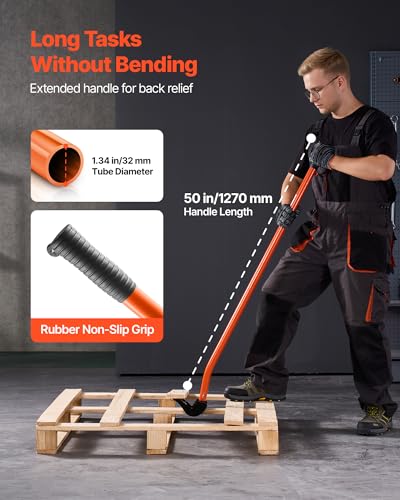
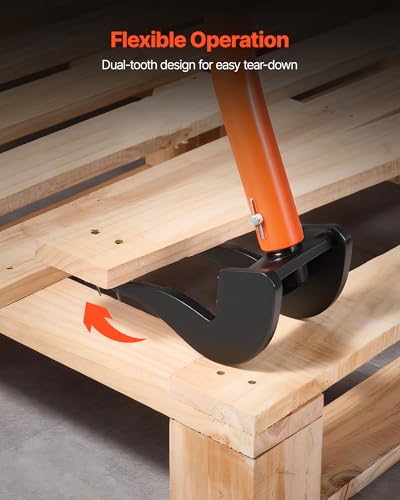
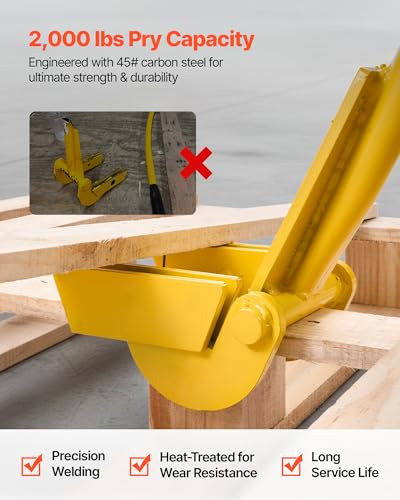
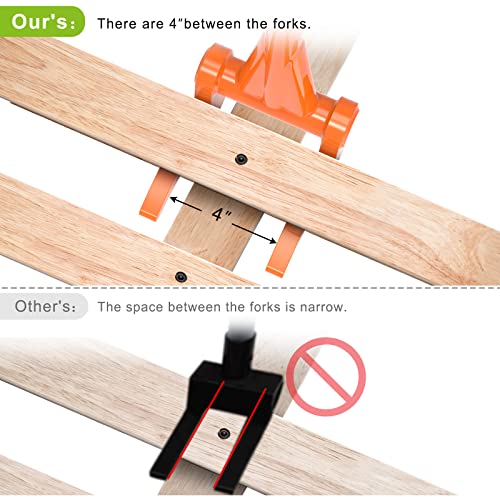
If brute strength and reach are your top priorities, this VEVOR model brings serious power. The 50-inch carbon steel handle delivers exceptional use, and the 2,000 lb rating isn’t just marketing fluff, reviewers confirm it holds up under aggressive use on stubborn, weathered decking. The fixed 4-inch tine spacing works well for standard pallets and deck joists, though it’s less adaptable than adjustable models.
It’s heavier than the Duckbill, no question, but that added mass contributes to durability. The lack of a rotating head means you’ll need to reposition more often, but for straightforward, high-force removal jobs where you’re working fast and hard, that trade-off makes sense. Among heavy-duty options, this is the one I’d pick for teardowns where board reuse isn’t a priority.
Product photos
VEVOR Articulating Head Pallet Buster
Strengths
- Articulating head
- Non-damaging prying
- Carbon steel build
Trade-offs
- Shorter than others
- No rotating option
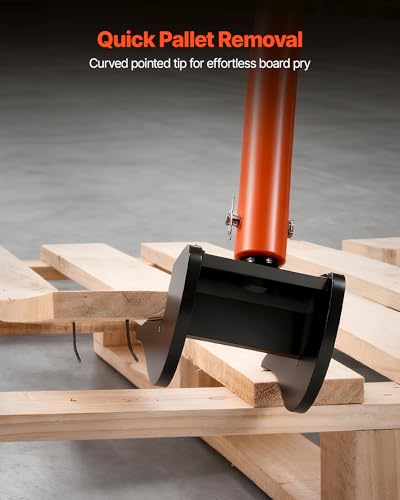
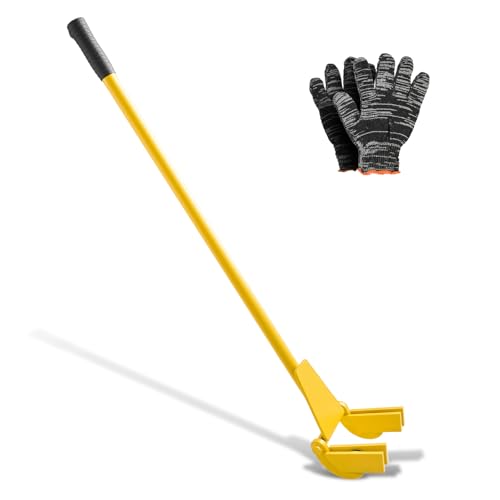
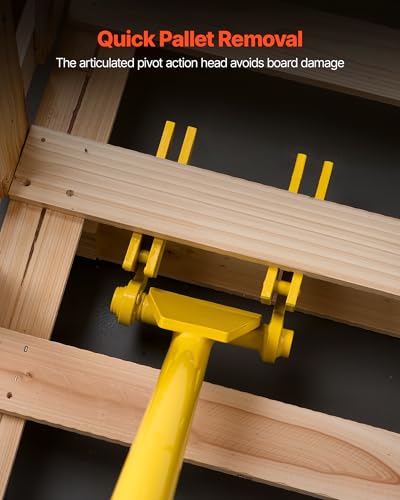
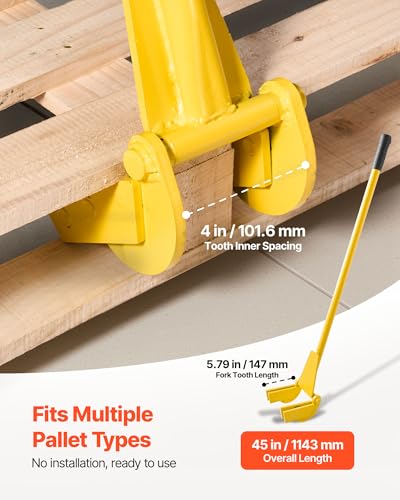
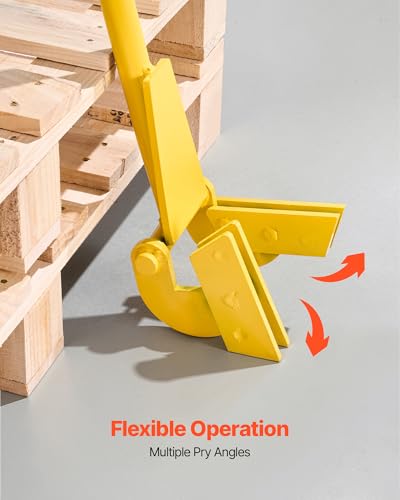
The articulating pivot head is the key selling point here, and it delivers on its promise of non-damaging removal. This design spreads force more evenly, which owners say drastically reduces splitting, a must if you’re reclaiming wood for DIY projects. The 41-inch handle keeps it manageable in tight spaces, and the full carbon steel build ensures it won’t buckle under pressure.
While it doesn’t have the longest reach, the pivot action makes each pry more efficient. Compared to fixed-head models, it requires less repositioning and feels smoother in motion. If preserving boards is your goal, say, for repurposing into furniture or siding, this is the smarter buy over more aggressive tools that sacrifice material integrity for speed.
Product photos
Insaga 50″ All-Steel Pallet Buster

Strengths
- 50-inch steel handle
- Non-slip grip
- One-piece build
Trade-offs
- Heavy and tiring
- No rotating head
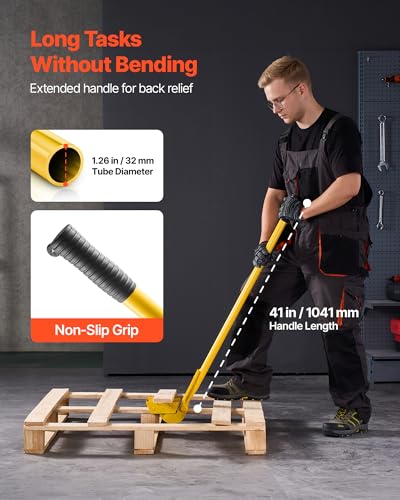
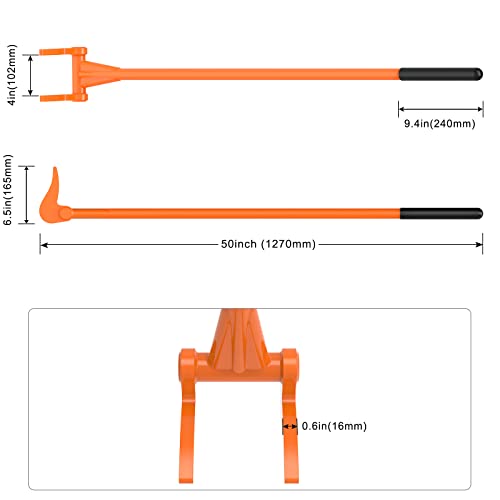
At 50 inches, this gives you serious reach, and that alone makes it a strong value pick. The all-steel handle is heavier than fiberglass, but it’s also indestructible under normal conditions, and the one-piece welding means no failure points. The 9.4-inch non-slip grip is generous and helps maintain control, even when prying wet or greasy boards.
Owners consistently note how well it balances cost and performance, it’s not as high-tech as the Duckbill, but it gets the job done without drama. When compared to other long-handle models, it stands out for being ready to use out of the box and holding up over time. For the price, it’s hard to beat.
Product photos
Dolibest 48″ Demo Bar

Strengths
- Soft rubber grip
- One-piece steel
- Tapered tines
Trade-offs
- Shorter handle
- Less use
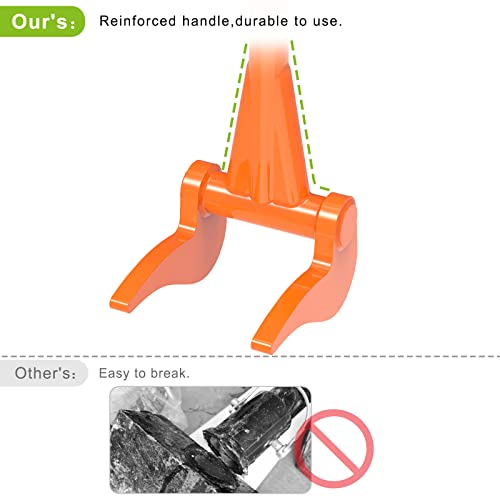
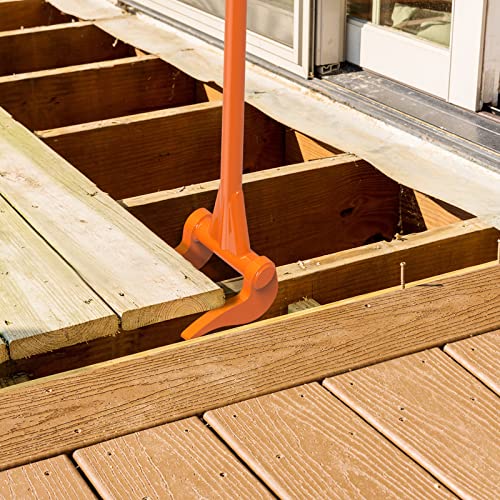
The standout here is the soft rubber grip, it’s noticeably more comfortable than bare steel or basic coatings, and that matters when you’re prying for hours. At 43.1 inches, the handle is shorter than others in this class, but the ergonomic design compensates somewhat by reducing hand fatigue. The one-piece steel construction inspires confidence, and owners report it handles repeated impacts without cracking.
It’s not the longest or strongest tool here, but for users who value comfort and ease of use over maximum use, it’s a strong contender. Compared to the VEVOR or Duckbill, it’s more of a mid-tier option, capable, but not exceptional in any one area. Still, that grip makes it a solid pick for weekend warriors who hate sore hands.
Product photos

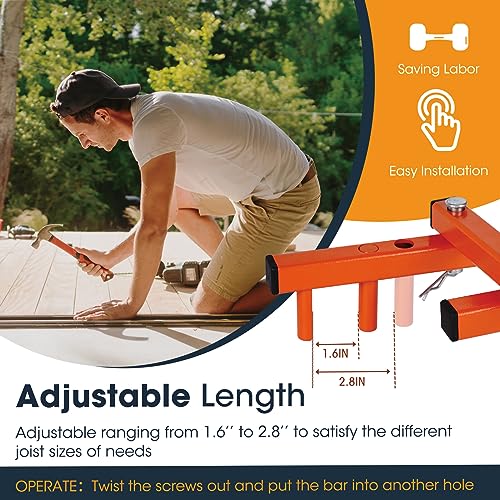
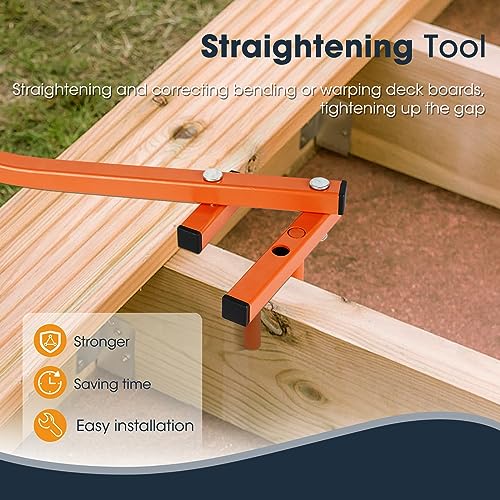
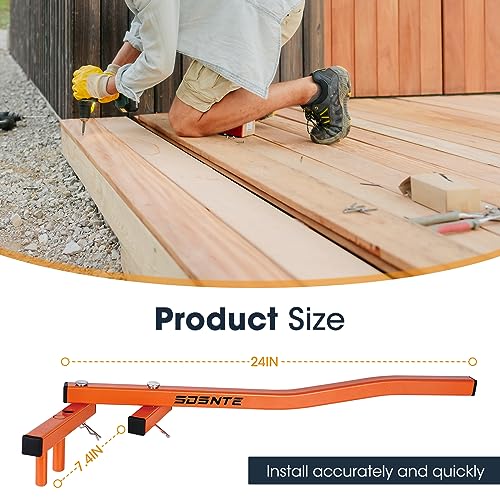
Deck Board Straightening & Removal Tool
Strengths
- One-piece steel
- Straightens and removes
- Lever-lock design
Trade-offs
- Limited reach
- No rotating head
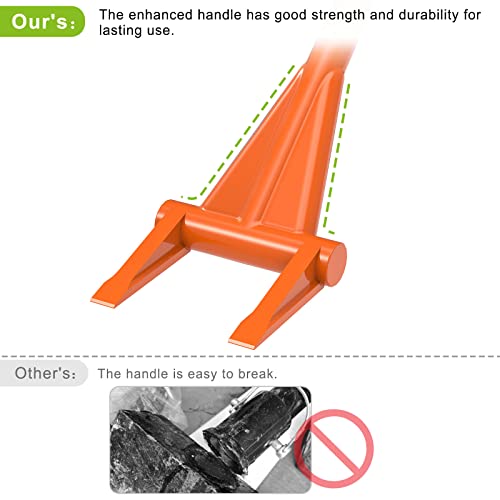
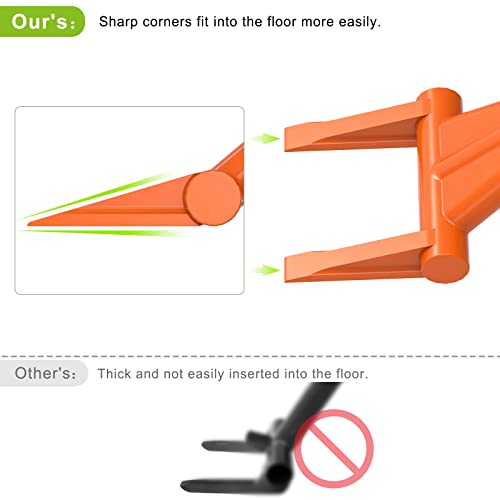
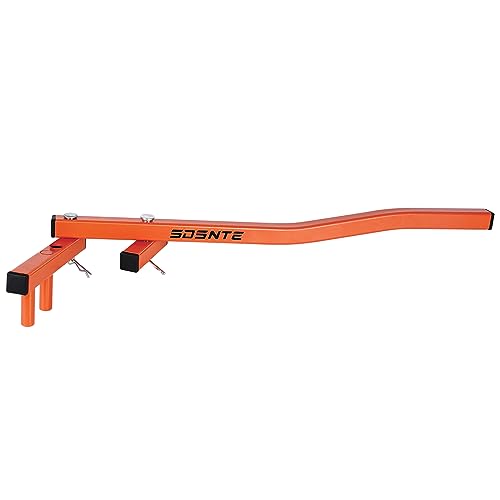
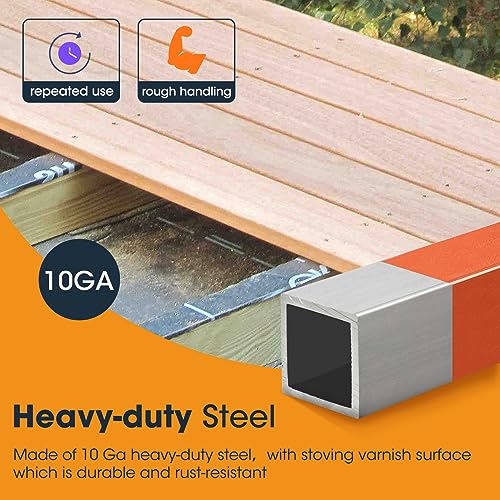
This one surprises me by doing double duty well, it’s not often you see a single tool genuinely effective at both straightening and removal. The 10-gauge one-piece steel construction means no weak points at welds or joints, which aligns with what long-term owners praise: it just doesn’t fail under pressure. The lever-lock mechanism for straightening is smart, freeing up both hands once set, and that’s a real time-saver when aligning boards before fastening.
But where it really stands out is workflow efficiency. If you’re both installing and deconstructing decks, this reduces tool swapping. It’s not as long as some wrecking bars, so pure use isn’t its strongest suit, but for jobs where board alignment is as important as teardown, this is the smarter buy over single-purpose tools.
Product photos
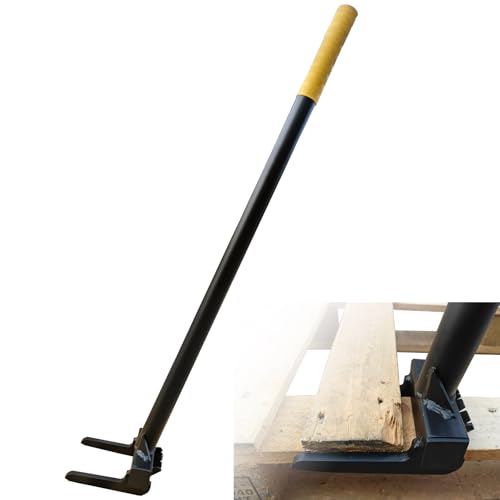
WujinJoy 40″ Pallet Buster with Nail Puller
Strengths
- Integrated nail puller
- Compact size
- Fully welded
Trade-offs
- Limited use
- Shorter reach
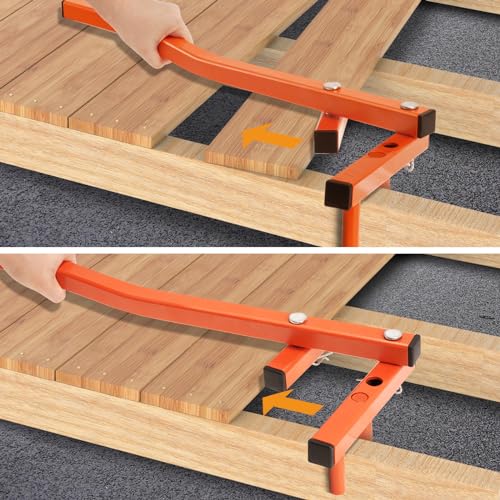
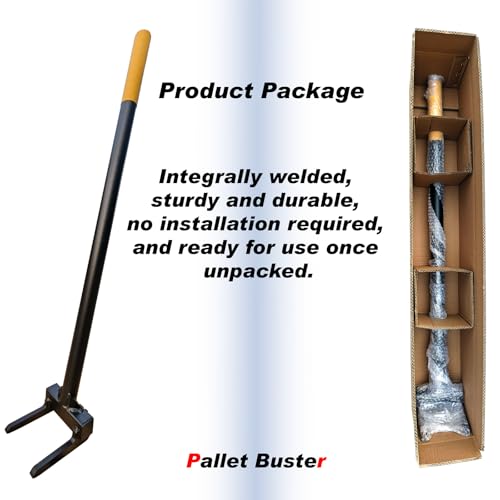
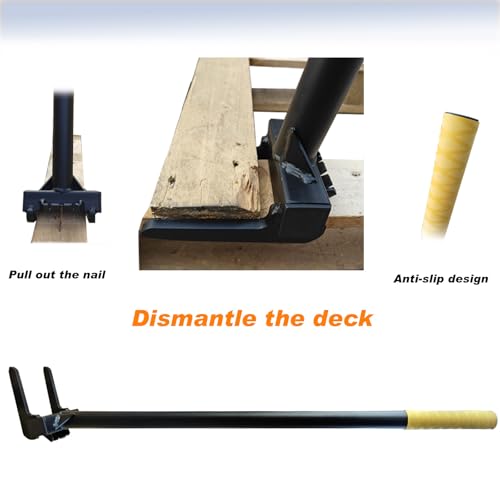
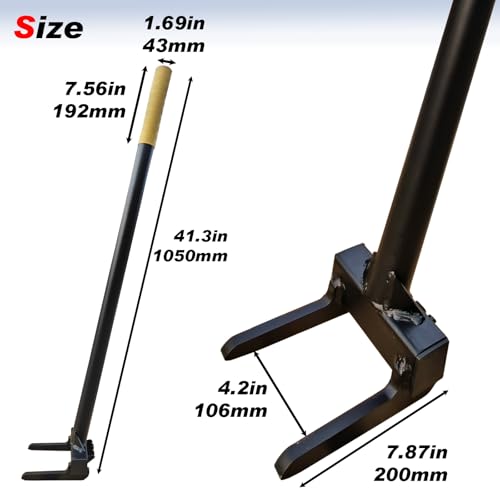
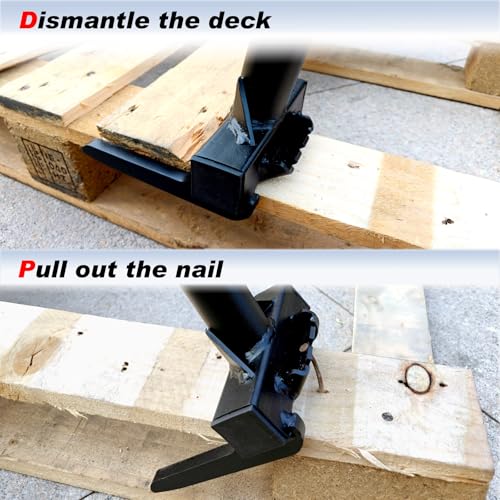
The built-in nail puller is what sets this apart, it’s a small addition, but in practice, it eliminates the need to switch to a claw hammer or pry bar mid-job. The 40-inch handle keeps it compact, and while that means less use, the fully welded steel body holds up well under typical use. Owners appreciate the black powder coat for rust resistance, especially in damp climates.
It’s not the longest or most powerful tool here, but its versatility makes it a practical all-in-one for smaller projects. Compared to the Duckbill or VEVOR models, it trades reach for functionality. If you’re tearing down a small deck and pulling nails regularly, this streamlines the process in a way few others do.
Product photos
Insaga 110 Degree Pallet Buster Head
Strengths
- Customizable handle
- Compact purchase
- Durable steel head
Trade-offs
- Handle not included
- Requires assembly
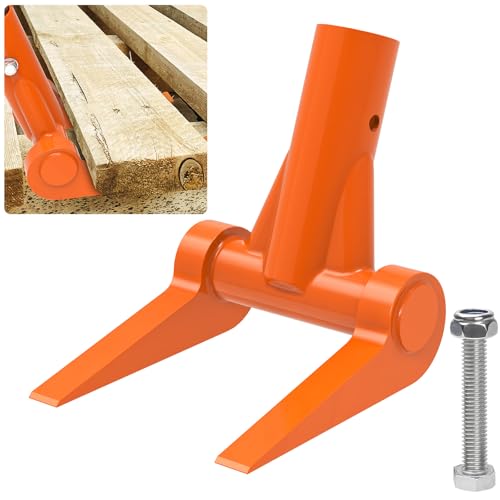
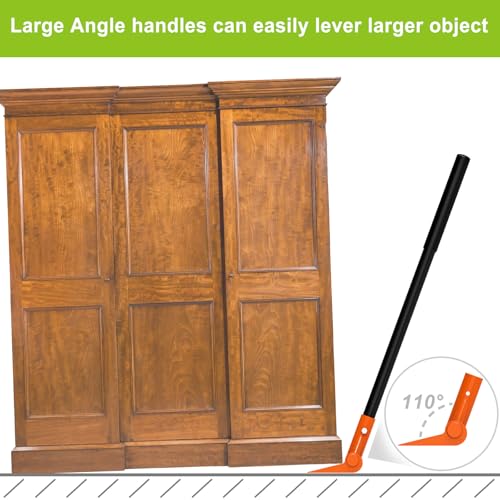
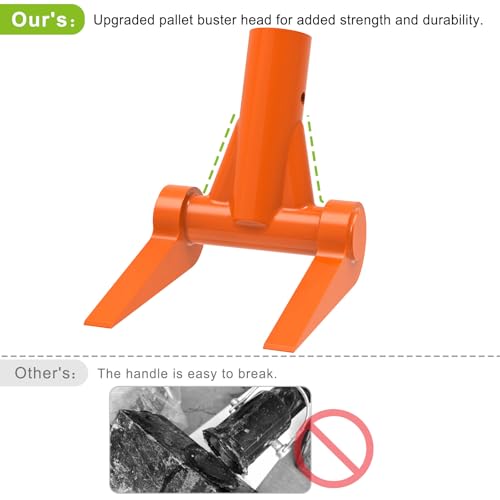
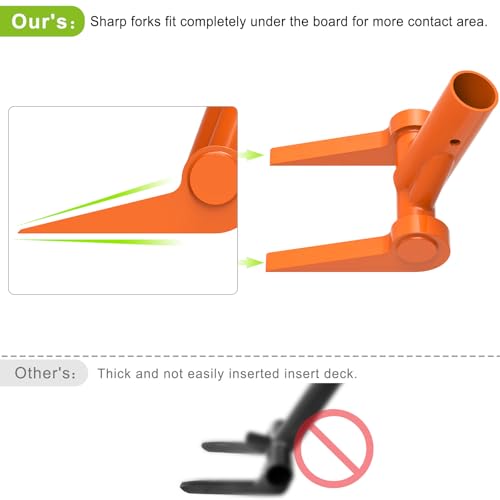
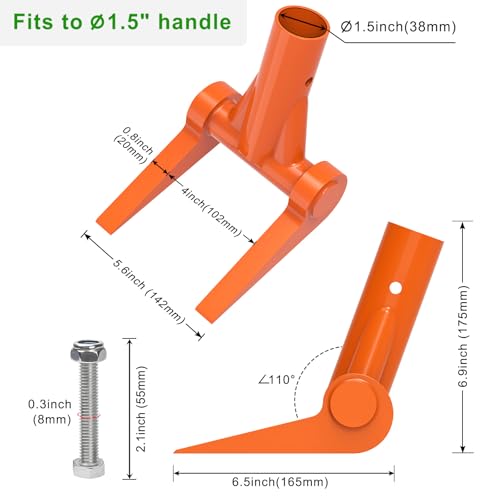
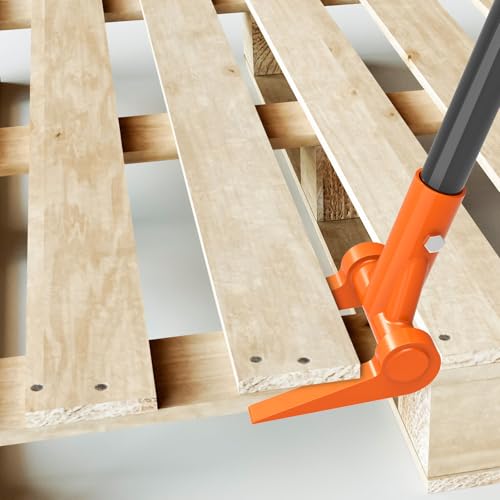
This head-only option is a niche pick, but for the right user, it’s brilliant. By skipping the handle, Insaga lets you pair this with a custom pole, steel, wood, whatever fits your strength and height needs. The 110-degree angle strikes a balance between lift efficiency and clearance, and the fully welded orange-coated head resists bending even when driven hard.
Owners who already have spare handles or want to build a specialized demo bar love this. It’s also lighter to store and ship. But it’s not a grab-and-go solution, you’ll need to source and secure your own handle, which means extra time and effort. If you like building your own systems, this offers smart flexibility.
Product photos
How We Picked These deck board removal tools
Rather than a hands-on lab test, my research for these tools involved a detailed comparison of published specifications and features across numerous models. I weighed owner reviews from major retailers alongside expert opinions found in trade publications and online forums. As someone who’s spent years around workshops and renovation projects, I applied my understanding of use, material strength, and practical usability to rank each tool against clear criteria – efficiency, durability, and ease of use.
For deck board removal, the factors of handle length and head design proved most critical. A longer handle provides use, reducing strain and making quick work of stubborn boards. The head’s angle and construction directly impact how cleanly a board can be lifted without splitting or damaging the wood, which is especially important if you plan to reuse the materials. These two aspects largely decided where a tool landed in the rankings.
Specifications reliably indicate the materials used – steel gauge, handle construction – offering a baseline for durability. However, I placed significant weight on owner feedback regarding real-world performance and longevity. Reports of bending, breaking, or difficulty with specific wood types were carefully considered. Reputation and consistent positive feedback from experienced users often superseded marginally better specs on paper. If you’re tackling a lot of demo, you might also consider some of the top oscillating multi-tools for decks to help with cutting fasteners or making precise cuts.
How To Pick The Right deck board removal tools
Removing old deck boards can be a real pain, and the right tool makes all the difference. It’s about more than just brute force; you need something that protects your back, minimizes damage to the wood (if you’re hoping to reuse it), and actually speeds up the process.
A quality deck board removal tool balances use, durability, and user comfort. Look for hardened steel construction in the head, a comfortable and non-slip grip, and a design that allows you to work standing up to minimize strain. Consider the types of pallets or decks you typically work with – fork spacing is a key factor – and whether you need a tool that can also handle nail pulling or other demolition tasks.
Use and Handle Length
The biggest complaint I hear about deck removal is back pain. A longer handle provides more use, reducing the amount of bending and kneeling required. Don’t automatically assume “longer is better,” though. Too long and you lose control, especially in tight spaces. Forty to fifty inches is a sweet spot for most users. Focus on a solid, comfortable grip. A rubberized or textured handle prevents slippage, even when your hands are sweaty or dirty.
Head Design and Durability
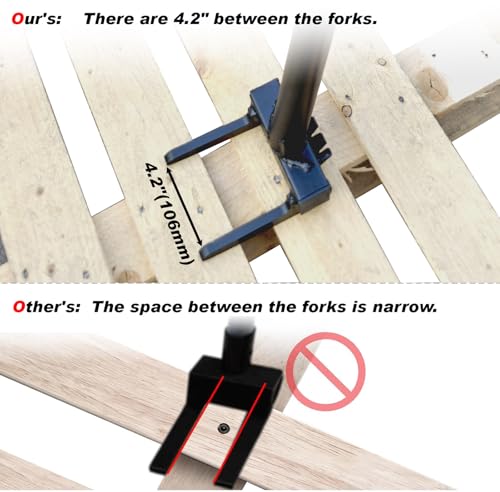
The head of the tool is where the work happens, so it needs to be tough. Heat-treated carbon steel is the gold standard. Avoid tools with flimsy welds or thin metal. A wider fork spacing accommodates more pallet and deck board variations. Here’s what to look for in a head design:
- A narrow fork (under 4″) is great for delicate work or removing boards from closely spaced structures.
- A standard 4-6″ fork is versatile enough for most common pallet and deck board removal tasks.
- An articulating head, like on the VEVOR Articulating Head Pallet Buster, can minimize wood splitting and damage, especially if you plan to salvage boards.
Value and Additional Features
Don’t overspend on features you won’t use, but consider tools that offer added functionality. Some models include nail pullers, which are incredibly handy. If you frequently work with pallets, a dedicated pallet buster might be a better choice. If you are doing a lot of detailed work, you might also look into oscillating multi-tools for deck work to help with precise cuts and removal in tricky spots.
A good rule of thumb: if you’re removing more than a few deck boards, investing in a dedicated removal tool will save you time, effort, and potential injury.
Deck Board Removal Tools Compared
Here is a comparison of key specifications for various deck board removal tools to help you make an informed purchase.
| Product Title | Best For | Handle Length (in) | Steel Type | Head Angle (deg) | Nail Puller |
|---|---|---|---|---|---|
| Duckbill Deck Wrecker | Best Overall | N/A | Heavy-Gauge Steel | 180 | No |
| Insaga 48″ Pallet Buster | Best Budget Friendly | 48 | Hardened Steel | N/A | No |
| VEVOR 50″ Carbon Steel Pallet Buster | Best Heavy-Duty Performance | 50 | 45# Carbon Steel | N/A | No |
| VEVOR Articulating Head Pallet Buster | Best for Non-Damaging Removal | 45 | Carbon Steel | Articulating | No |
| Insaga 50″ All-Steel Pallet Buster | Best Value Long Handle | 50 | Steel | N/A | No |
| Dolibest 48″ Demo Bar | Best Ergonomic Handle | 43.1 | High-Quality Steel | N/A | No |
| Deck Board Straightening & Removal Tool | Best Multi-Function Tool | N/A | 10Ga Steel | N/A | No |
| WujinJoy 40″ Pallet Buster | Best for Nail Pulling | 40 | Steel | N/A | Yes |
| Insaga 110 Degree Pallet Buster Head | Best Customizable Option | N/A | Hardened Steel | 110 | No |
Frequently Asked Questions
What’s the difference between a deck board removal tool and a pallet buster?
A pallet buster is generally built heavier and with a wider fork to tackle the robust construction of pallets, while deck board removal tools often prioritize a narrower profile and features for minimizing damage to decking. Both accomplish similar tasks but are optimized for different materials and applications.
Will a longer handle always make the job easier?
Not necessarily. While a longer handle improves use, reducing strain, excessively long handles can be unwieldy, especially in tight spaces. Forty to fifty inches strikes a good balance for most homeowners, but consider your typical workspace.
Can I reuse deck boards after removing them with these tools?
Yes, but it depends on the tool and your technique. Tools with articulating heads, like the VEVOR model, are designed to minimize splitting, increasing the chances of successful reuse. Careful and controlled lifting is always recommended, regardless of the tool.
What steel type offers the best durability in a deck board removal tool?
Heat-treated carbon steel is the most durable material for the head of these tools. It resists bending and breaking under stress, ensuring the tool can withstand repeated use and challenging boards. Look for 45# carbon steel specifically.
Are there tools that can help with other deck demolition tasks?
Yes, some tools offer added functionality like nail pullers, and for more detailed work, consider looking into cordless oscillating tools for decking to help with cutting fasteners or making precise cuts around railings and posts.
The Bottom Line
Removing deck boards is a trade-off between speed and care. You can muscle through it with a pry bar, but you risk splitting wood and straining your back. For the best balance of both, I recommend the Duckbill Deck Wrecker. It consistently receives high marks for its robust construction and efficient design, making it a solid choice for most homeowners and DIYers.
If you’re on a tighter budget, the Insaga 48″ Pallet Buster delivers surprising performance for the price. For those needing versatility or working with pallets frequently, the VEVOR Articulating Head Pallet Buster stands out – its articulating head minimizes wood damage, and it’s particularly useful if you plan to reuse materials. And if you’re tackling significant demolition, consider pairing a dedicated removal tool with powerful deck board cutters to speed up fastener removal.
Ultimately, though, the best tool is the one you’ll actually use. Don’t get hung up on fancy features or minor spec differences. Focus on a tool with a comfortable grip, a strong head, and enough use to get the job done safely and efficiently – those fundamentals matter far more than any single detail.
