2 Best Crimper Tools of 2026
This post contains affiliate links. As an Amazon Associate, we earn from qualifying purchases.
The Klein Tools 3005CR stands out as the overall best crimper for most users, delivering reliable, consistent crimps across a solid wire gauge range with its ratcheting mechanism and precision dies. For those on a tighter budget, the Klein Tools 1005 offers strong performance and added convenience with integrated wire cutters, though it lacks a ratchet. Both are well-regarded among electricians and DIYers for durability and real-world results.
Choosing the wrong crimper leads to loose connections, wasted time, and potential safety hazards. I’ve seen too many failed joints come from using a tool that can’t handle the job consistently.
After comparing the field and analyzing specs, owner feedback, and performance trends, I focused on what actually matters: crimp quality, gauge range, and long-term reliability. This guide breaks down the top options based on real-world use and practical needs, so you can pick the right tool for solid, dependable connections every time.
Top 2 Crimper Tools in the Market
The Best Crimper Tools, Reviewed
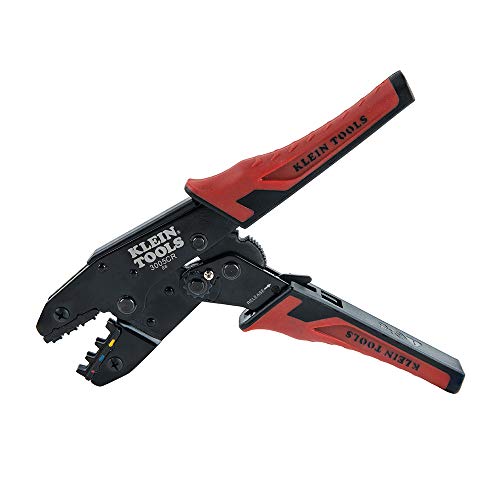
Klein Tools 3005CR Wire Crimper

Strengths
- Adjustable crimping force
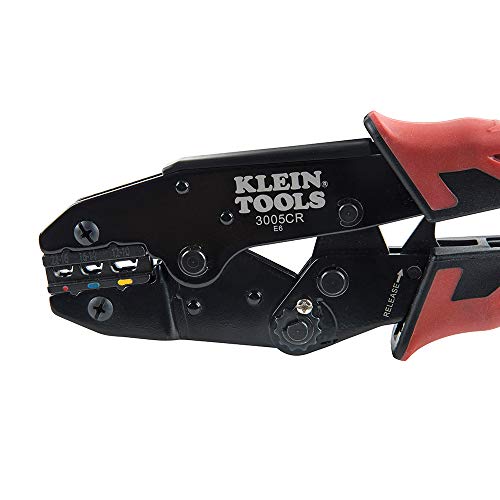
- Color-coded cavities
- Ratcheting mechanism
- Compound use design
- Comfortable dual-material grips
Trade-offs
- Heavier than average
- Not a combo cutter
- Higher price point
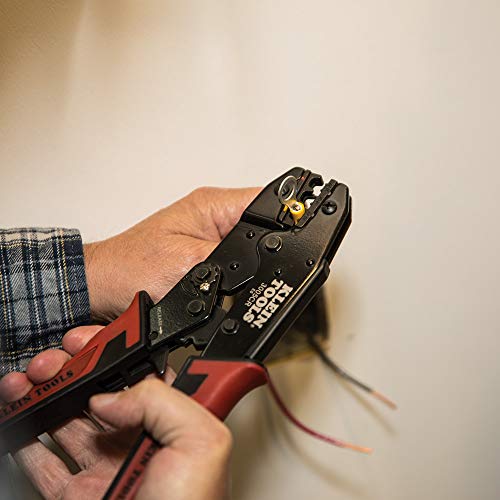
If you’re looking for a crimper that delivers consistent, professional-grade crimps across a wide range of wire sizes, the Klein Tools 3005CR stands out in a crowded field. The adjustable compound action is a real advantage, multiplying your hand force so you get solid, reliable crimps without hand fatigue, especially noticeable on thicker 10 AWG connections. Owners consistently report that the ratchet mechanism ensures full compression every time, and the three clearly color-coded cavities make it easy to match terminals without guesswork.
The ability to crimp from either side thanks to the symmetrical cavity design is a subtle but smart feature, particularly when working at awkward angles. While it’s heavier than some competitors, that extra heft comes from durable forged steel and dual-material grips that absorb pressure. Compared to basic cut-and-crimp combo tools, this one is more specialized and demands a higher commitment, but I’d pick it over generalists when precision matters.
Product photos


Klein Tools 1005 Crimper/Cutter

Strengths
- Built-in wire cutter
- Tapered nose design
- Handles insulated and non-insulated
- Durable USA build
- Comfortable cushioned grips
Trade-offs
- No ratcheting mechanism
- Less use on thick wires
- Crimp consistency depends on user
The Klein Tools 1005 is the kind of no-nonsense, do-it-all tool that earns a permanent spot in your bag if you’re constantly switching between stripping, cutting, and crimping. It’s not as specialized as the 3005CR, but its strength lies in reliability and versatility, this one handles both insulated and non-insulated terminals cleanly across the same 10–22 AWG range. The hardened wire cutter in the nose is a standout, staying sharp much longer than cheaper combo tools, and the tapered head helps when you’re working inside junction boxes or tight panels.
Made in the USA construction gives it a durability edge, and while the crimping die isn’t ratcheting, it’s precisely machined so experienced users can feel when a proper crimp is achieved. Reviewers often note it’s their go-to for field repairs and residential wiring jobs where speed and tool consolidation matter. For most homeowners, this is the more practical pick over the 3005CR unless you’re doing high-volume terminal work.
Product photos


How We Evaluated crimper tools
Rather than a hands-on lab test, my research for these recommendations involved a detailed comparison of published specifications and features across numerous wire crimp tool models. I then weighed owner reviews from major retailers alongside assessments from trusted sources in the trades. Finally, I applied my experience with electrical work and tool performance to rank options against a set of essential criteria.
For crimpers, consistent crimping quality and wire gauge range were the biggest deciding factors. A reliable ratchet mechanism and clearly marked dies are essential for preventing errors and ensuring solid connections. Durability also mattered; I looked for tools built with quality materials and positive owner feedback regarding long-term use.
Specifications clearly define the wire gauge compatibility and physical dimensions of each tool. However, I relied heavily on owner feedback to gauge real-world usability and the tool’s ability to consistently produce solid, reliable crimps. Reputation within the electrical community also informed my assessment of long-term dependability, ensuring I focused on the most trusted electrical wire crimpers.
How To Choose The crimper tools
Choosing a crimper isn’t just about finding something that squeezes a connector onto a wire; it’s about reliable connections that last.
A quality crimper creates a gas-tight seal between the wire and connector, preventing corrosion and ensuring consistent conductivity. Look for tools with properly sized crimping cavities for the wire gauge you’ll be using, a ratchet mechanism for consistent pressure, and durable construction, often indicating higher-quality steel. Consider the types of terminals you work with most frequently, and whether you need features like wire cutters or strippers integrated into the tool.
Gauge and Terminal Compatibility
The biggest mistake I see people make is buying a crimper that doesn’t handle the wire gauge they typically use. Many cheaper models claim broad compatibility, but often struggle with larger or smaller wires. Pay close attention to the American Wire Gauge (AWG) range listed on the tool and match it to your projects. If you work with a variety of wire sizes, a crimper with multiple crimping cavities – like the Klein 3005CR – is a smart investment. Don’t assume a single-size crimper will cover all your needs.
Ratcheting Mechanism and Crimp Quality
A ratcheting mechanism is absolutely essential for a consistent, reliable crimp. It prevents you from releasing pressure before the crimp is fully formed. Without it, you’re relying on your own strength and judgment, which isn’t ideal. Look for a mechanism that feels smooth and robust, not flimsy. A good crimper will give you a clear indication when it’s completed the cycle. For more in-depth information, take a look at our crimping tool reviews.
Features and Ergonomics
Beyond the core crimping function, consider the extra features that can improve your workflow. Some crimpers, like the Klein 1005, include integrated wire cutters, which can be incredibly convenient. Ergonomics matter too, especially if you’re doing a lot of crimping. Here’s what I look for:
- Comfortable grips: Reduces fatigue during extended use.
- Tapered nose: Allows access to tight spaces.
- Clear markings: Makes it easy to identify the correct crimping cavity.
A comfortable tool is a safe tool, and a well-designed tool will save you time and frustration. If you frequently work with uninsulated connectors, you might also consider exploring ferrule crimpers for a more specialized and secure connection. It’s a small detail, but the right tool for the job makes all the difference when dealing with crimping tools for electrical wiring.
A properly crimped connection should feel solid and show visible deformation of the connector around the wire – a sign the connection is mechanically and electrically sound.
Crimper Tools Compared
Here’s a detailed specification comparison of the crimper tools featured in this guide.
| Product Name | Wire Gauge (AWG) | Insulated Terminals | Cutting Function | Ratchet Action | Cavities |
|---|---|---|---|---|---|
| Klein Tools 3005CR | 10-22 | Yes | No | Yes | 3 |
| Klein Tools 1005 | 10-22 | Yes | Yes | No | N/A |
Frequently Asked Questions
What’s the difference between a ratcheting and a non-ratcheting crimper?
A ratcheting crimper applies consistent pressure throughout the entire crimping cycle, guaranteeing a solid connection. Non-ratcheting crimpers rely on your manual strength, which can lead to inconsistent crimps and potential connection failures.
Can one crimper tool handle all wire gauges?
While some claim broad compatibility, it’s uncommon for a single crimper to excel across the entire wire gauge range. Most professionals use multiple crimpers tailored to specific wire sizes to achieve optimal results. If you need versatility, look for a tool with interchangeable dies.
What should a properly crimped connection look like?
A good crimp will show visible deformation of the connector around the wire, indicating a strong mechanical and electrical bond. It should also feel solid and require noticeable force to pull the wire free from the connector.
Are expensive crimpers always better?
Not necessarily. While higher price often correlates with better materials and construction, a well-made, moderately priced crimper from a reputable brand can perform just as well as a premium model for many common tasks. Consider the features you actually need instead of simply paying for extras you won’t use.
What are the best crimp tools for PEX plumbing?
For plumbing applications, you’ll want to explore best PEX crimp tools specifically designed for PEX pipe. These tools often have different jaw shapes and pressure requirements compared to electrical crimpers.
The Bottom Line
Choosing a crimper often comes down to balancing control and convenience. You can spend less for a basic tool, but consistent, reliable crimps demand a bit more investment. For overall performance and dependability, I recommend the Klein Tools 3005CR. It offers a great wire gauge range, a robust ratcheting mechanism, and the quality you expect from a respected brand.
If you’re on a tighter budget, the Klein Tools 1005 delivers solid performance for basic tasks. For those needing versatility, especially working with network cables, exploring the best RJ45 crimpers can expand your capabilities. And if you need specialized tools, consider looking into crimpers for Ethernet cables for precise network connections.
Ultimately, the spec sheet matters less than the quality of the crimp itself. Focus on a tool with a positive ratcheting action, clear markings for wire gauge, and durable construction. A solid connection isn’t about the price paid; it’s about consistent pressure, the right size cavity, and materials that hold up over time.
