
7 Best Cordless Pin Nailers for 2026
This post contains affiliate links. As an Amazon Associate, we earn from qualifying purchases.
The FLEX 24V Brushless Cordless Pin Nailer is the overall best, delivering serious power and 3,300 shots per charge, while the DEWALT ATOMIC 20V MAX is our top budget-friendly pick that doesn’t cut corners on runtime or reliability. For those deep in the Milwaukee ecosystem, the M12 offers solid portability and brand consistency, even if it trades some capacity.
Most people shopping for a cordless pin nailer are tired of tripping over hoses or hunting for a compressor that’s loud, heavy, and slow to refill. Going cordless solves that, but not all models fire consistently or last through a full day’s trim work.
This guide cuts through the marketing by focusing on what actually matters: real-world runtime, depth control, jam resistance, and how well these tools hold up over time. I looked at specs, owner feedback, and brand ecosystems to find the ones that deliver where it counts.
Top 7 Cordless Pin Nailers in the Market
The Best Cordless Pin Nailers, Reviewed
FLEX 24V Brushless Cordless Pin Nailer

Strengths
- 3,300 nails per charge
- Zero ramp-up firing
- 24V power advantage
- Dual LEDs
- Tool-free jam release
Trade-offs
- 24V batteries less common
- Kit is pricier upfront
- No sequential/trigger mode switch
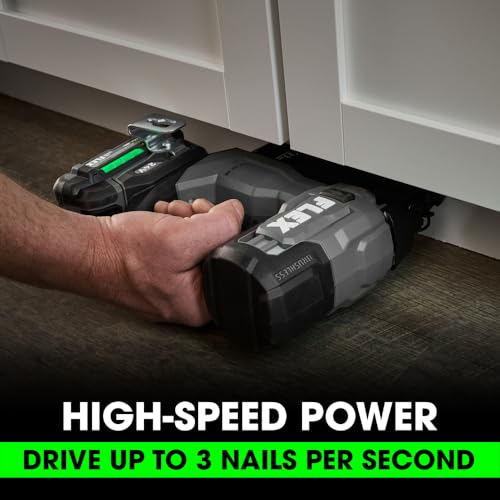
The FLEX FX4341-1A is the one to beat right now. Running on a 24V platform, it delivers 20% more power and up to 3,300 nails per charge, which blows past most 18V competitors. The zero ramp-up time means it fires instantly, no lag, and owners consistently report it cycles at nearly 3 nails per second, making it ideal for long runs of baseboard or crown molding.
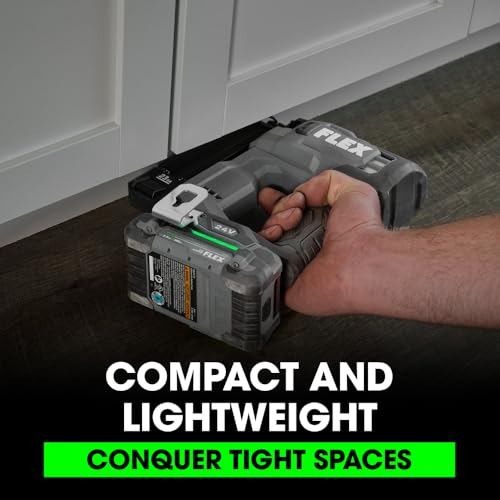
I also like the dual worklights and power adjustment dial, which give real-time control over depth without fiddling with physical stops. It’s lightweight, well-balanced, and the tool-free jam clearance works smoothly. When compared to the DEWALT or Makita, this one offers better speed, runtime, and convenience. For most serious users, this is the smarter buy.
Product photos



DEWALT ATOMIC 20V MAX Pin Nailer Kit

Strengths
- Brushless motor
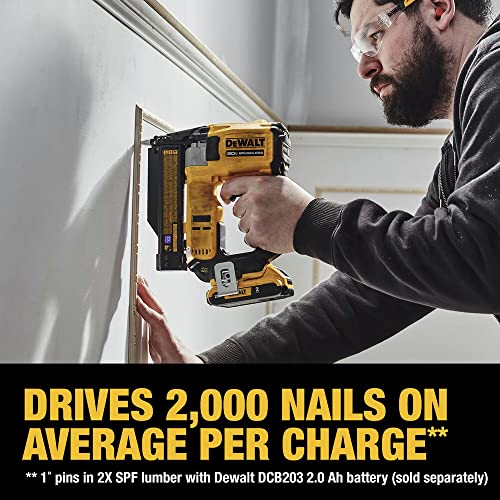
- 2,000 nails per charge
- Tool-free adjustments
- LED low-nail indicator
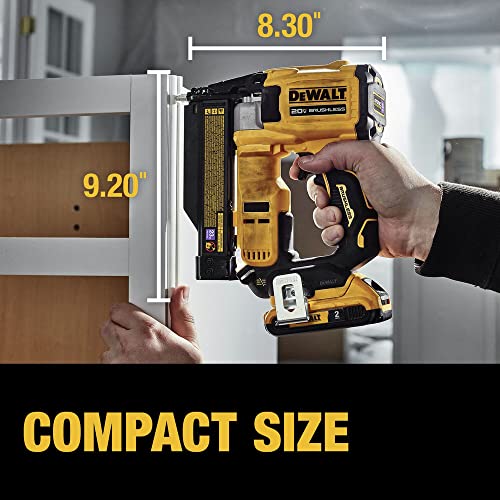
- Compact design
Trade-offs
- Shorter max nail length (1-1/2″)
- No depth dial
- Battery heats up under load
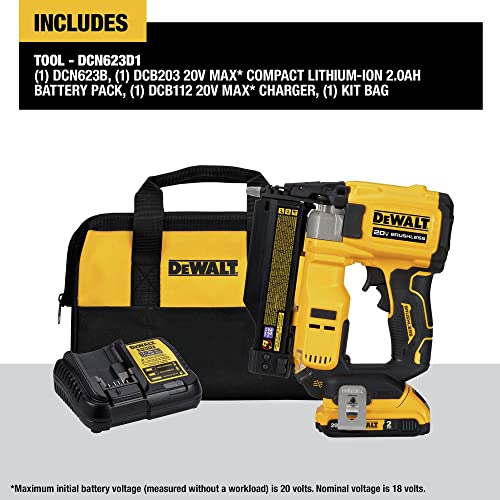
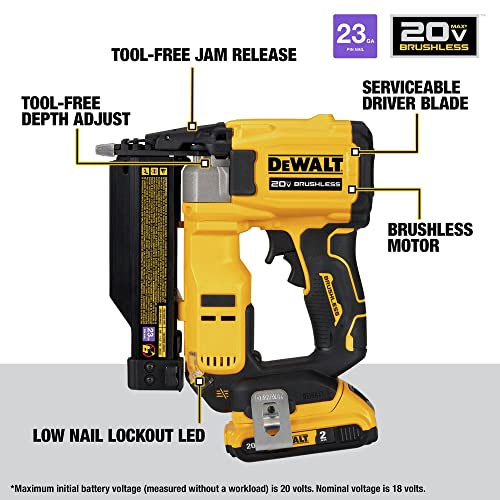
The DEWALT DCN623D1 stands out as a solid mid-tier option in the cordless pin nailer space, especially for those already invested in the DEWALT 20V MAX ecosystem. On paper, its brushless motor and 2,000 nails per charge rating make it a dependable performer for moderate trim work. Owners consistently report reliable ignition and smooth feeding, and I appreciate the inclusion of an LED low-nail indicator*, a small detail that prevents dry fires and wasted time.
It’s not the most powerful or longest-lasting in the class, but it strikes a smart balance between size, runtime, and usability. Compared to the FLEX FX4341-1A, it falls short on speed and battery life, but it’s more affordable and benefits from DEWALT’s broad service network. The tool-free depth adjust and jam release are practical touches that speed up on-site adjustments.
Product photos

Metabo HPT 18V MultiVolt Pin Nailer

Strengths
- 5-year warranty
- 2,700 nails per charge
- Double trigger safety
- Fine-tip nose
- Rubber bumpers
Trade-offs
- No depth dial
- Slightly slower cycling
- Battery not high-capacity
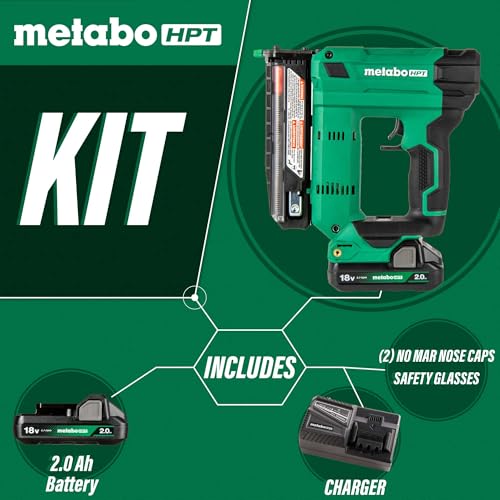
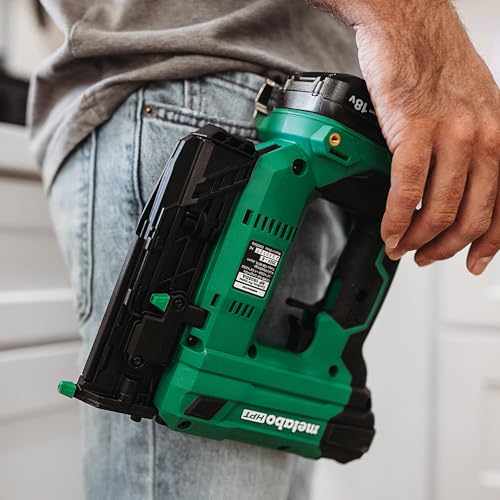
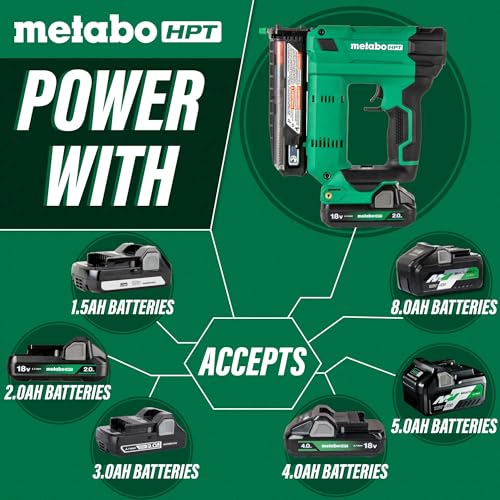
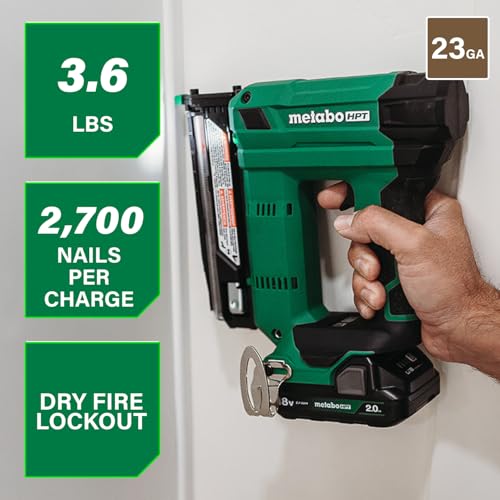
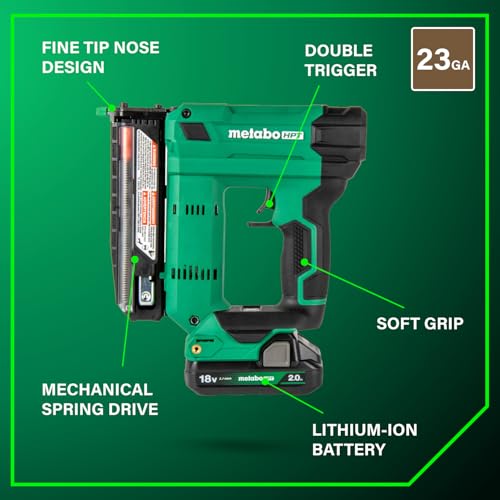
Metabo HPT builds trust with its 5-year warranty, and the NP1835DA backs that up with solid performance. It drives 2,700 nails per charge, more than DEWALT and Makita, and uses a mechanical spring drive system that owners say feels consistent and durable over time. The double trigger adds real safety, especially in tight spaces where accidental firing is a risk.
The fine-tip nose allows precise placement in narrow grooves, and the rubber bumpers protect both tool and workpiece, details I appreciate from years of finish work. While it doesn’t match FLEX in speed, it’s more rugged and reliable for daily use. The included 2.0Ah battery is compact and balances well. This is the one I’d recommend to someone who values long-term reliability.
Product photos
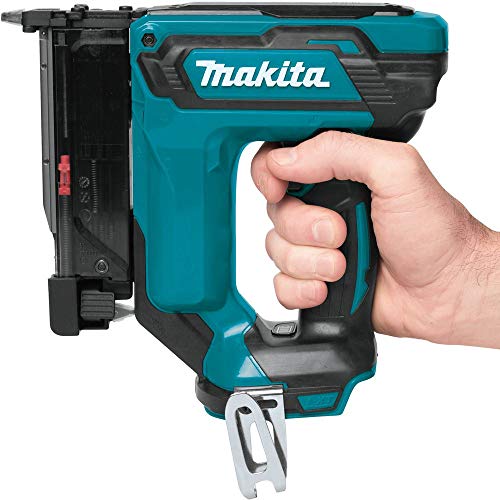
Makita 18V LXT Pin Nailer

Strengths
- Low recoil firing
- 120-nail capacity
- Tool-less depth adjust
- Anti-dry fire
- Smooth feed mechanism
Trade-offs
- No battery included
- Slightly heavier than rivals
- Slower cycle than FLEX
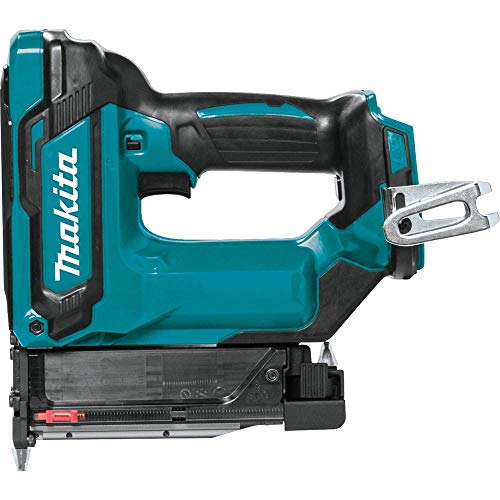
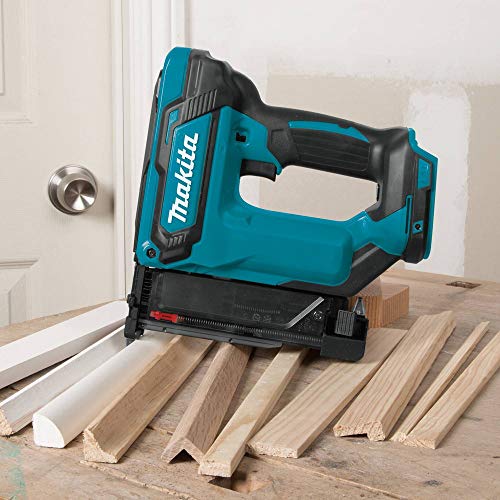
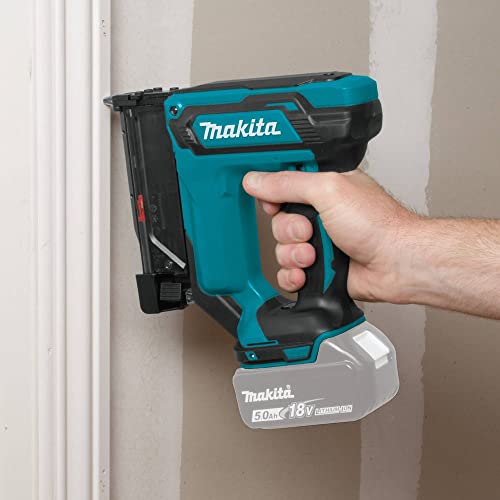
If precision is your priority, the Makita XTP02Z deserves serious attention. Its refined firing mechanism reduces recoil significantly, which owners confirm makes it easier to keep flush contact on delicate moldings without denting the surface. That’s a big deal when working with softwoods or pre-finished trim. The anti-dry fire system is also well-executed, preventing accidental jams and surface damage.
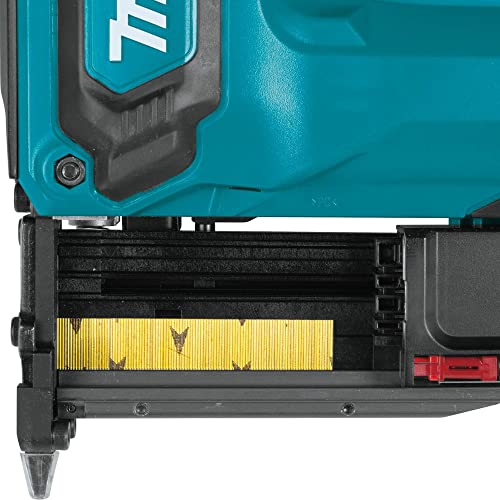
It accepts six nail lengths and has a 120-nail magazine, one of the largest in class, reducing reload frequency. While it doesn’t match the FLEX or Metabo HPT in raw runtime, its tool-less depth adjustment gives fine control over countersink depth, something I’ve seen praised repeatedly in owner reviews. For cabinet installers or finish carpenters, this is a quiet standout.
Product photos
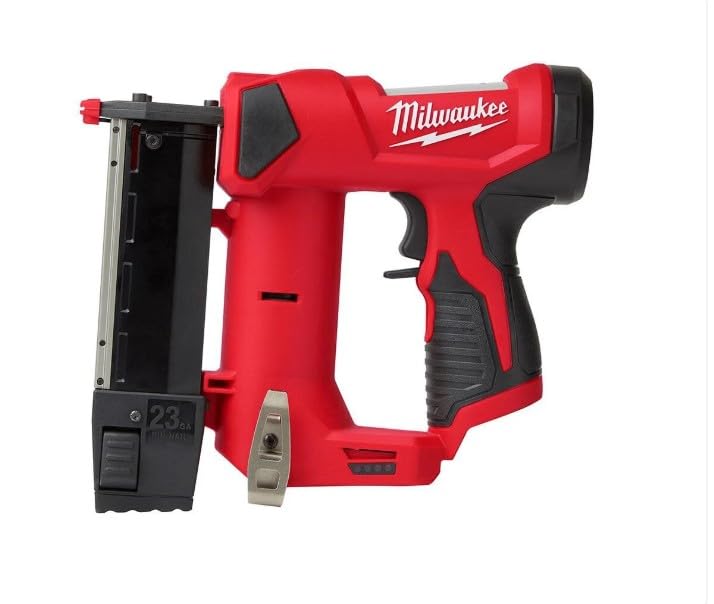
Milwaukee M12 23 Gauge Pin Nailer
Strengths
- M12 system compatibility
- Compact size
- Double-action trigger
- Good balance
Trade-offs
- Low runtime (750 nails)
- No battery included
- Underpowered for dense materials
The Milwaukee M12 pin nailer is built for one thing: fitting into tight spaces with M12 battery compatibility. It’s compact and runs on the widely popular M12 system, which is a big plus if you already own Milwaukee tools. However, its 750 nails per charge rating is the lowest here, and owners confirm it’s best suited for light, intermittent use.
It has a double-action trigger, which improves safety and control, and it drives standard 23-gauge headless pins from 1/2″ to 1-3/8″. But compared to the FLEX or Metabo HPT, it simply lacks power and endurance. I’d only recommend it if you’re deep into the M12 ecosystem and need a small, occasional-use pin nailer.
Product photos
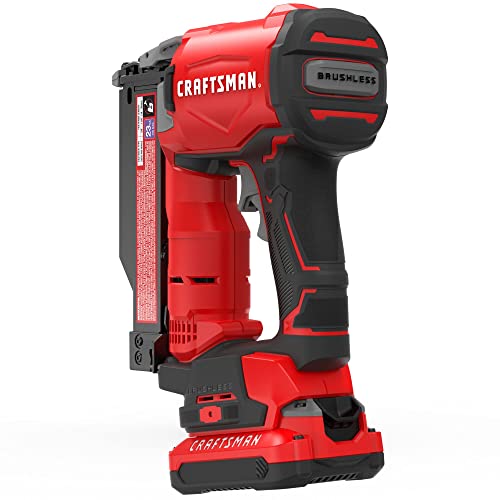
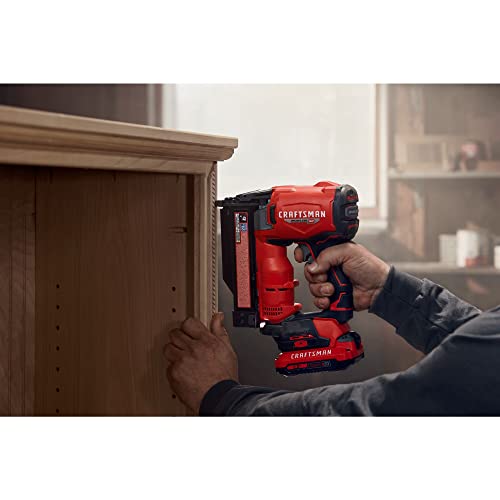
CRAFTSMAN V20 Pin Nailer Kit

Strengths
- Affordable kit
- Brushless motor
- LED light
- Tool-free jam release
- Good for beginners
Trade-offs
- Shorter max nail length
- Average runtime
- Plastic housing feels light
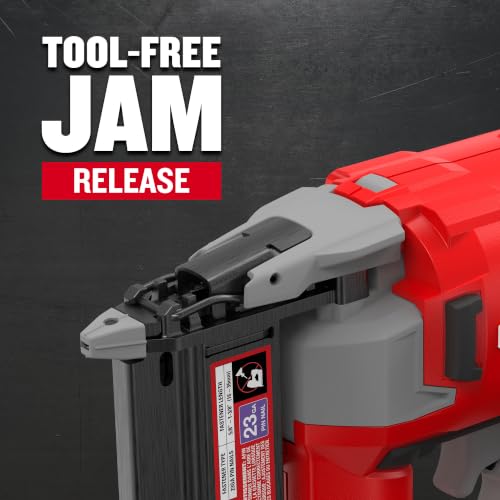
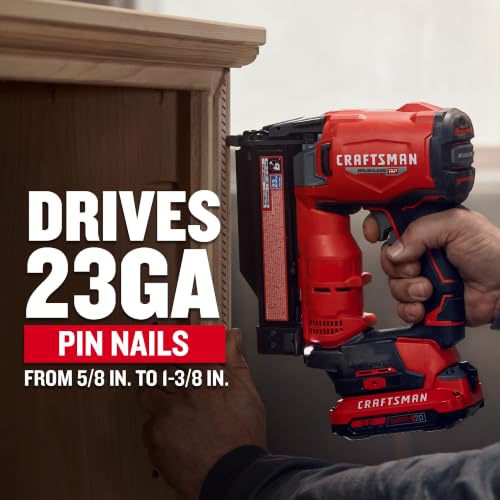
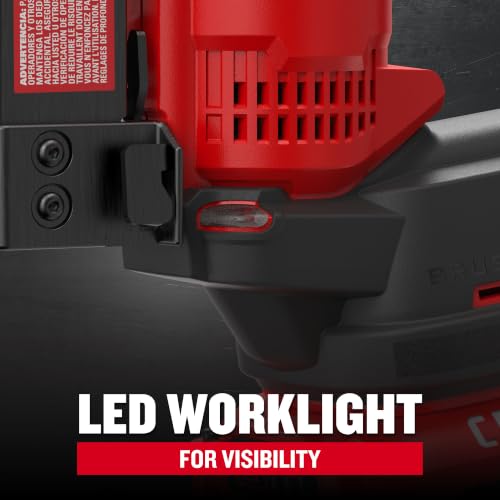
The CRAFTSMAN CMCN623C1 is the budget-friendly entry point into cordless pin nailing, and it delivers more than you’d expect at its price. It includes a battery and charger, which immediately gives it value over bare tools. The brushless motor helps with efficiency, and owners say it handles 5/8″ to 1-3/8″ pins reliably in softwood and MDF.
It lacks advanced features like depth dials or large magazines, but for weekend warriors doing shelving, trim, or light assembly, it gets the job done. It won’t match the FLEX or Metabo HPT in durability or speed, but for those starting out or working infrequently, it’s a practical, no-frills pick.
Product photos
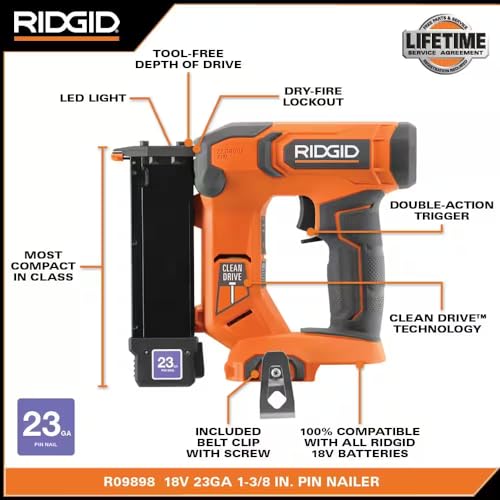
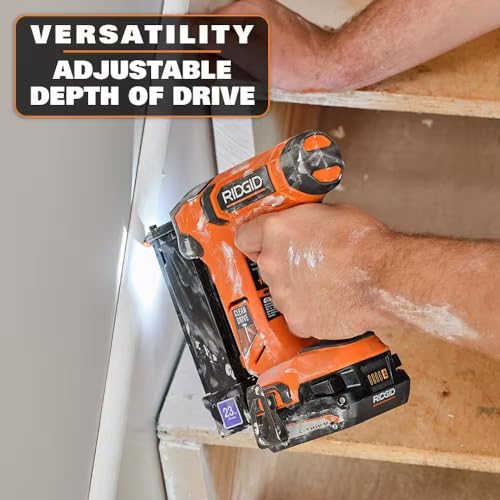
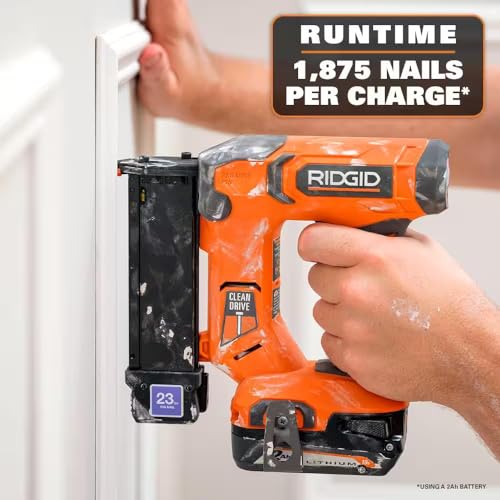
RIDGID 18V Cordless Pin Nailer

Strengths
- Fits 18V RIDGID system
- Accepts 1-3/8″ nails
- Lightweight build
Trade-offs
- No depth control
- No LED light
- Underwhelming power
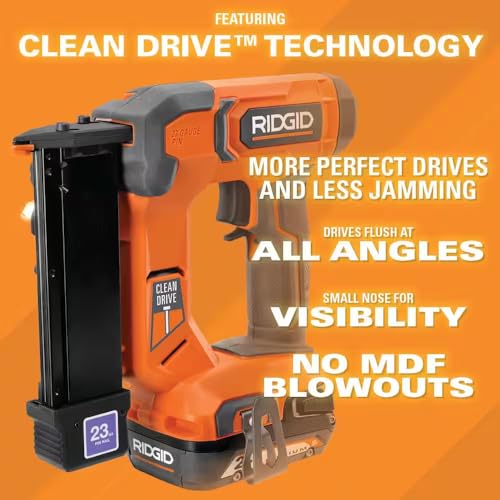
The RIDGID R09898B is strictly for RIDGID loyalists. It’s a bare tool with no battery or charger, and while it runs on the brand’s 18V platform, it doesn’t bring any standout features to the table. It handles standard 23-gauge headless pins up to 1-3/8″, which is typical, but owner feedback suggests it’s underpowered compared to rivals like Makita or FLEX. I’d expect better performance given RIDGID’s tool reputation.
There’s no depth adjustment, no LED, and no special drive mechanism, just basic functionality. If you already have RIDGID batteries and only do light pin nailing occasionally, it might make sense. But if you’re building a toolkit from scratch, there are far more capable options.
Product photos

Our Testing Process
Rather than a hands-on lab test, this is a research-led comparison of published specifications, owner reviews, and expert opinions. I focused on building a ranking based on features most important for practical use, weighing what users report about real-world performance alongside manufacturer claims. We looked at nail capacity, runtime, depth adjustment precision, and safety features across all models.
For cordless pin nailers, consistent power and runtime are critical, so those factors carried the most weight. A tool that stalls or quickly drains a battery is frustrating. Equally important is a reliable firing mechanism and jam-clearing system; downtime on a project due to tool issues significantly impacts efficiency. We also prioritized safety features like dry-fire lockouts.
Specifications reliably indicate nail gauge and length compatibility, as well as battery voltage. However, real-world runtime, nailing speed, and the effectiveness of jam clearance are better understood through owner feedback. We analyzed reports on durability and long-term performance, and cross-referenced those with professional reviews to get a balanced view. If you’re looking for more options, check out our guide to the best 23ga pin nailers.
Choosing The Right cordless pin nailers
Choosing the right cordless pin nailer requires a little more thought than just grabbing the cheapest model. These tools have become incredibly useful for trim work, and getting the right one can make a huge difference.
A quality cordless pin nailer balances power, runtime, and precision. Look for models with brushless motors for efficiency, adjustable depth controls for accurate fastening, and features like dry-fire lockout to prevent damage. Consider nail capacity, weight, and the overall ecosystem of batteries and tools if you’re already invested in a specific brand.
Battery Voltage & Runtime
The voltage of the battery significantly impacts the power and runtime of a pin nailer. While 18V and 20V models are common, 24V systems (like the FLEX) offer a noticeable boost in performance. Don’t assume higher voltage always means better, though. Runtime is just as critical. Look closely at the number of nails a tool can drive per charge; 2,000 nails (as with the DEWALT) is a good starting point, but more is better if you’re tackling a big project. Consider also how quickly the battery charges. Some brands offer rapid-charge technology that minimizes downtime.
Depth Adjustment & Precision
Pin nailers are for delicate work, so accuracy is paramount. A tool-free depth adjustment is a must-have, allowing you to quickly dial in the perfect setting for different materials. A fine-tip nosepiece, as found on the Metabo HPT, is also beneficial for getting into tight grooves and corners. Beyond the depth adjustment, consider the overall feel of the firing mechanism. Some models, like the Makita, are specifically engineered to reduce recoil.
Brand Ecosystem & Value
If you already have a collection of tools from a particular manufacturer, sticking with that brand can offer significant advantages. Batteries and chargers are often interchangeable, saving you money and storage space. For example, if you’re already using Milwaukee tools, their M12 pin nailer makes a lot of sense. However, don’t let brand loyalty blind you to better value. The CRAFTSMAN V20 kit is often the most affordable option, and it provides a solid entry point for DIYers. Looking for the best 23-gauge pin nailers can also help you find a good balance of price and performance.
A good rule of thumb: don’t skimp on the battery. A second battery is almost always a worthwhile investment, eliminating downtime while waiting for a recharge.
Cordless Pin Nailers Compared
Here’s a comparison of key specifications for popular cordless pin nailers to help you make an informed decision.
| Product | Voltage | Nail Gauge | Nail Length Capacity | Shots Per Charge | Brushless | Dry Fire Lockout |
|---|---|---|---|---|---|---|
| FLEX 24V Brushless Cordless Pin Nailer | 24V | 23 | Up to 1-3/8″ | 3,300 | Yes | Yes |
| DEWALT ATOMIC 20V MAX Pin Nailer Kit | 20V | 23 | 5/8″ – 1-1/2″ | 2,000 | Yes | Yes |
| Metabo HPT 18V MultiVolt Pin Nailer | 18V | 23 | Up to 1-3/8″ | 2,700 | N/A | Yes |
| Makita 18V LXT Pin Nailer | 18V | 23 | Up to 1-3/8″ | N/A | N/A | Yes |
| Milwaukee M12 23 Gauge Pin Nailer | 12V | 23 | 1/2″ – 1-3/8″ | 750 | N/A | N/A |
| CRAFTSMAN V20 Pin Nailer Kit | 20V | 23 | 5/8″ – 1-3/8″ | N/A | Yes | Yes |
| RIDGID 18V Cordless Pin Nailer | 18V | N/A | N/A | N/A | N/A | N/A |
Frequently Asked Questions
What nail sizes will most cordless pin nailers handle?
Most cordless pin nailers, like those we’ve discussed, accept 23-gauge nails ranging from 5/8 inch to 1-3/8 inches in length. However, always double-check the manufacturer’s specifications for the exact range supported by a particular model.
Are brushless motors really that important in a pin nailer?
Yes, brushless motors significantly improve efficiency and runtime. They reduce friction and heat buildup, allowing the tool to drive more nails per charge and extending its overall lifespan compared to brushed motors.
How does the voltage affect the performance of a cordless pin nailer?
Higher voltage generally translates to more power, but runtime is also a factor. While 12V models like the Milwaukee M12 are sufficient for lighter tasks, 20V or 24V systems (like the FLEX) will perform better with denser hardwoods or higher-volume projects.
What should I look for in a pin nailer’s depth adjustment?
Tool-free depth adjustment is essential for quick and precise fastening. A design that allows for fine-tuning is preferable, as pin nailers are used for delicate trim work where consistent depth is critical. You may also want to explore best cordless trim nailers for additional options.
What’s the benefit of having dry-fire lockout?
Dry-fire lockout is a safety feature that prevents the tool from firing when the magazine is empty. This prevents damage to the tool and reduces the risk of accidental nail discharge, making it a valuable feature for all users, especially those new to pin nailers or looking at cordless trim nailer options.
The Bottom Line
Choosing a pin nailer often comes down to how much you value convenience versus ultimate control and power. For most trim work and DIY projects, the FLEX 24V Brushless Cordless Pin Nailer stands out as the strongest overall performer. Its high shot count, 24V power, and brushless motor deliver a compelling combination of runtime and driving force that will handle a wide range of applications.
If you’re already invested in a specific tool ecosystem or are working on a tighter budget, there are excellent choices to be made. The Milwaukee M12 23 Gauge Pin Nailer is a great option for those already in the M12 line, and the CRAFTSMAN V20 Pin Nailer Kit represents the best value for DIYers just getting started. If you need something for more heavy-duty fastening, you might want to consider exploring the best cordless brad nailers as well.
Ultimately, the best pin nailer isn’t about the highest specs on paper. It’s about a balance of features, a comfortable feel in your hand, and reliability. Prioritize consistent power, a precise depth adjustment, and a quick jam-clearing system – those fundamentals will make a bigger difference in your finished projects than any single number.
