5 Best Chainsaws for Camping 2026
This post contains affiliate links. As an Amazon Associate, we earn from qualifying purchases.
The SEESII 8-Inch Cordless Mini Chainsaw stands out as the best overall pick for campers, delivering solid power and runtime in a lightweight design. For tighter budgets, the Seesii 6-Inch Mini Chainsaw offers capable performance at a lower price, while the Supstable 8″ & 6″ Mini Chainsaw adds versatility with its dual bar lengths.
Most people don’t realize how quickly a poorly chosen chainsaw can turn a peaceful camping trip into a frustrating hassle. Too heavy, too underpowered, or a pain to maintain, and it becomes dead weight in your pack.
This guide cuts through the noise, focusing on real-world usability, portability, and reliability. I looked at specs, owner feedback, and common pain points to find models that actually make sense for cutting firewood and clearing brush in the backcountry. These picks balance power, weight, and convenience without sacrificing safety or practicality.
Top 5 Chainsaw For Campings in the Market
The Best Chainsaw For Campings, Reviewed
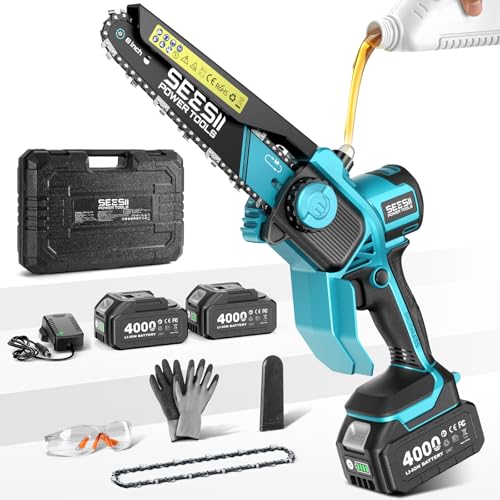
SEESII 8-Inch Cordless Mini Chainsaw
Strengths
- High-capacity batteries
- Fast cutting speed
- Tool-free chain adjust
Trade-offs
- No 6-inch bar option
- Slightly heavier
- Oil not included
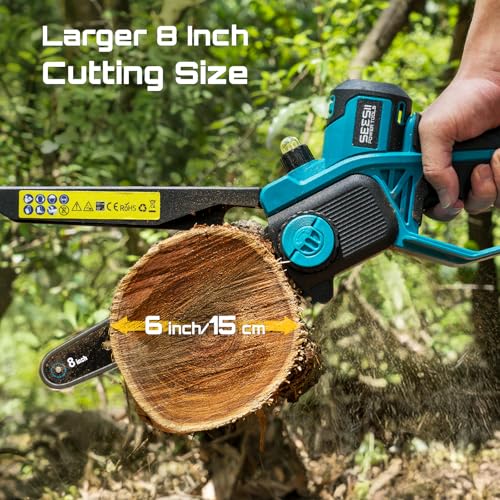
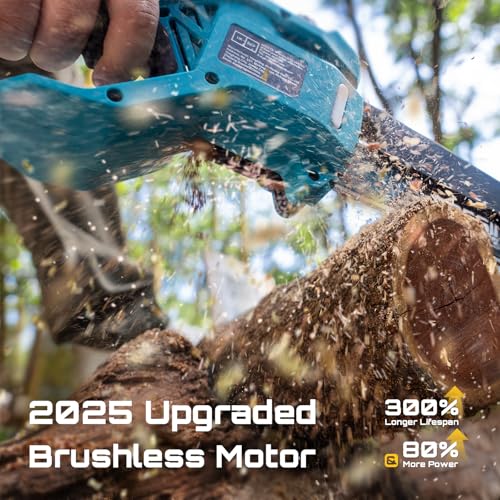
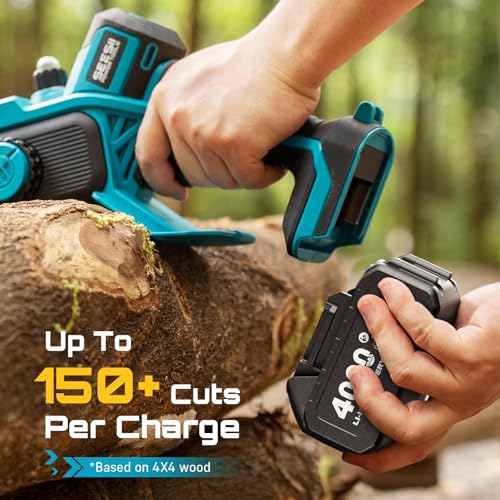
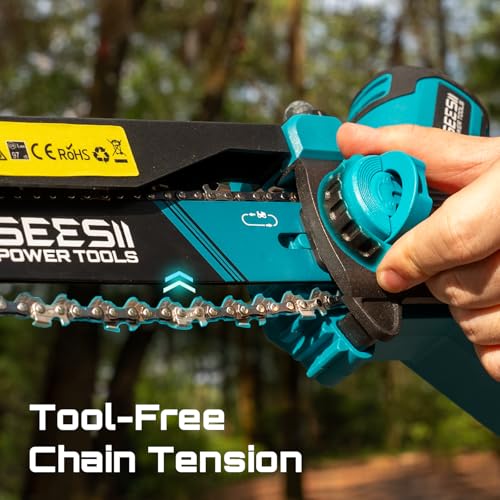
This is the most complete package in the mini saw category. The 1000W brushless motor delivers strong, consistent power, and the 2x4000mAh batteries are a standout, owners report over 150 cuts on a set, which is exceptional. The 8-inch bar handles most campsite pruning and firewood prep without issue, and the tool-free tensioning makes chain maintenance a non-event.
Compared to the Supstable 2-in-1, this one wins on battery life and cutting efficiency. It’s not quite as versatile in bar size, but the real-world performance and included accessories (gloves, goggles, two chains) make it the smarter buy for most. The automatic lubrication works well, and the sealing keeps oil mess under control.
Product photos

Seesii 6-Inch Mini Chainsaw

Strengths
- Lightest in class
- Full kit included
- Low price point
Trade-offs
- Smaller batteries
- Shorter runtime
- Less power than flagship
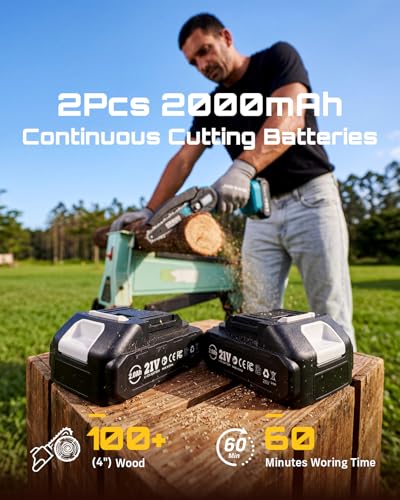
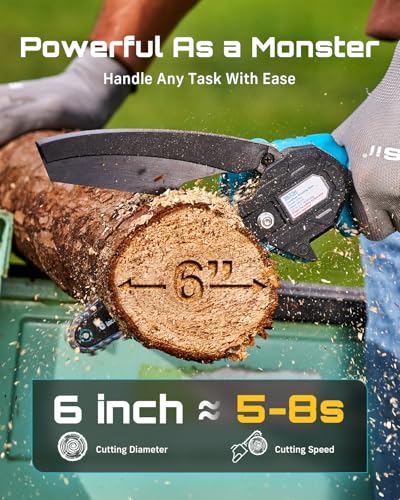
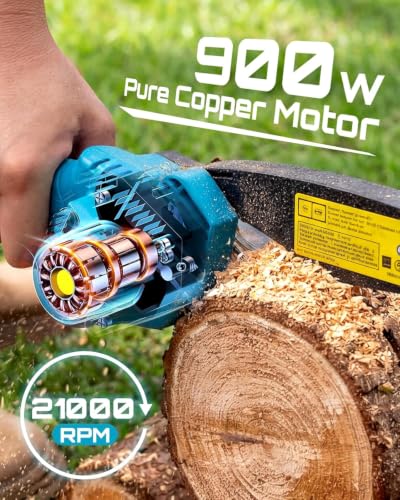
This is the budget pick, and it shows, but not always in bad ways. The 900W motor is slightly weaker than the flagship model, and the 2000mAh batteries don’t last as long, but it still cuts through 6-inch logs in under 10 seconds, per owner tests. For light pruning, garden work, or occasional camp use, it’s more than capable.
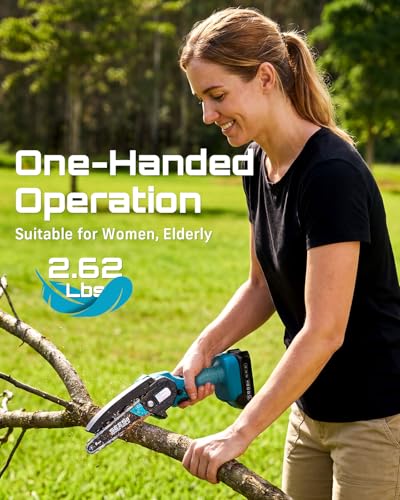
Where it shines is value. You get two batteries, two chains, gloves, goggles, and tools, everything needed to start cutting out of the box. It’s also the lightest at 2.7 lbs, making it a favorite among users with hand fatigue or limited strength. But if you’re planning heavy use, the lower battery capacity will catch up with you.
Product photos
Supstable 8″ & 6″ Mini Chainsaw
Strengths
- Interchangeable guide bars
- Brushless motor
- Good safety kit
Trade-offs
- Heavier than rivals
- Average battery life
- Some oil leaks reported
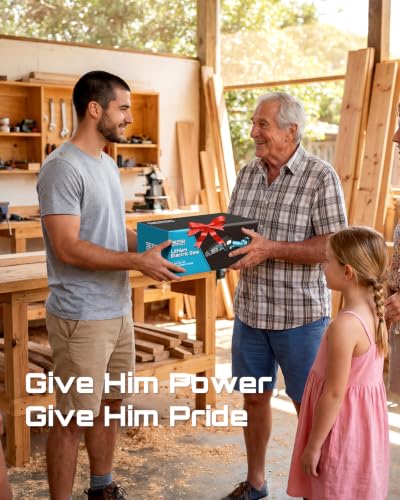
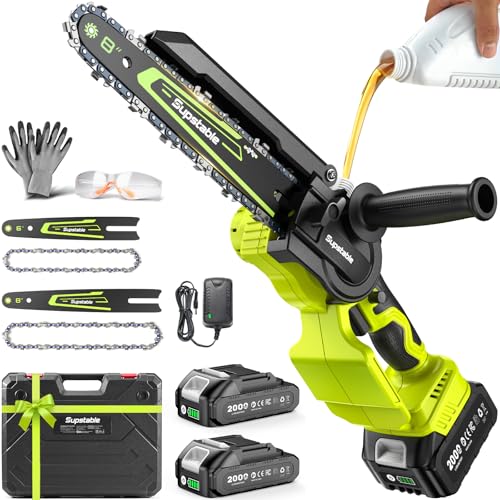
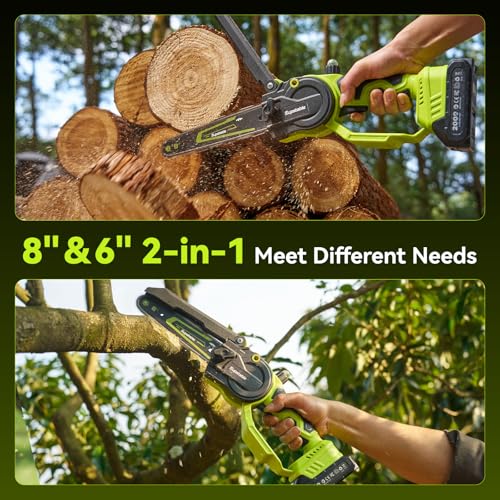
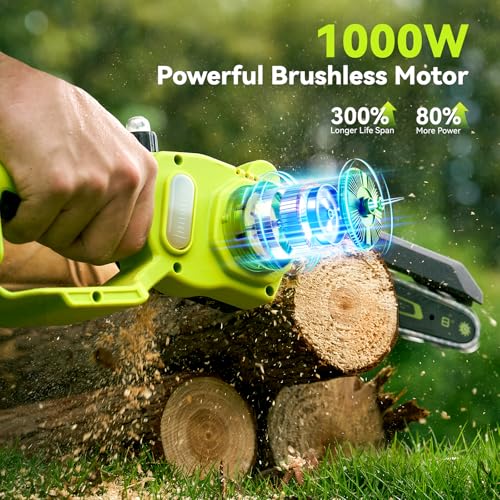
The 2-in-1 guide bar setup here is genuinely clever, being able to swap between 6-inch and 8-inch bars gives you flexibility most mini saws lack. The 1000W brushless motor looks strong on spec, and reviewers note it cuts cleanly through 6-inch limbs with minimal bogging. For campers dealing with storm debris or needing to clear fallen branches, that kind of adaptability matters.
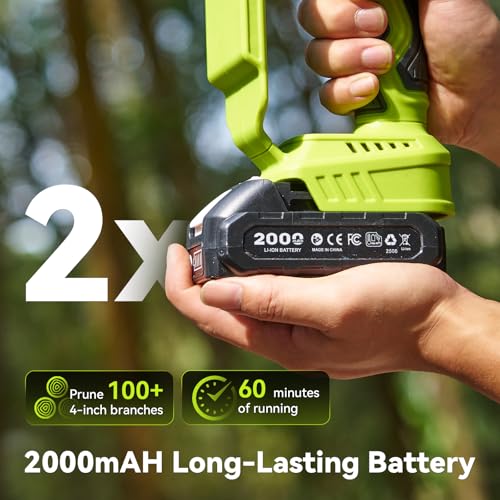
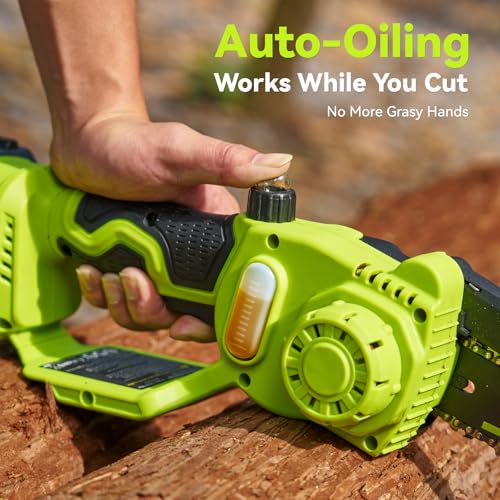
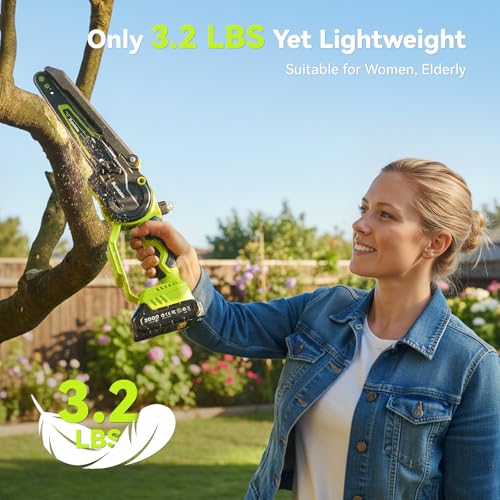
It’s not the lightest at 3.2 lbs, but the ergonomics are solid, and the dual batteries help avoid mid-job shutdowns. The auto-oiler is a nice touch, though some users mention oil consumption can be high if you’re running it hard. Compared to the SEESII models, it’s a bit less refined in battery capacity and build, but the interchangeable bars give it a niche.
Product photos
Sucrain Pocket Chainsaw

Strengths
- Ultra lightweight
- Folds compact
- Rust-resistant chain
Trade-offs
- Manual effort required
- Not for thick wood
- Slower than powered
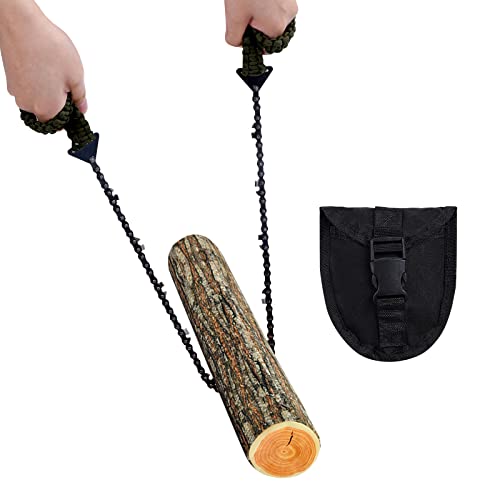
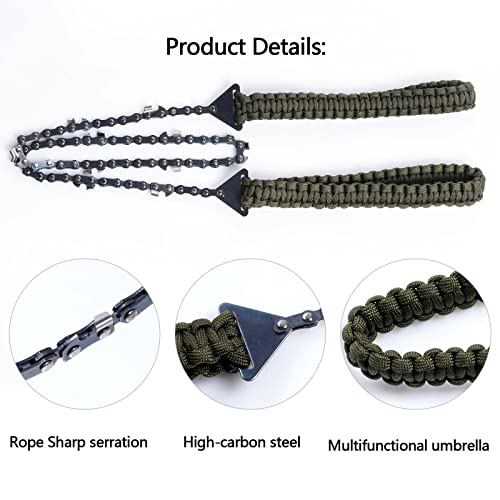
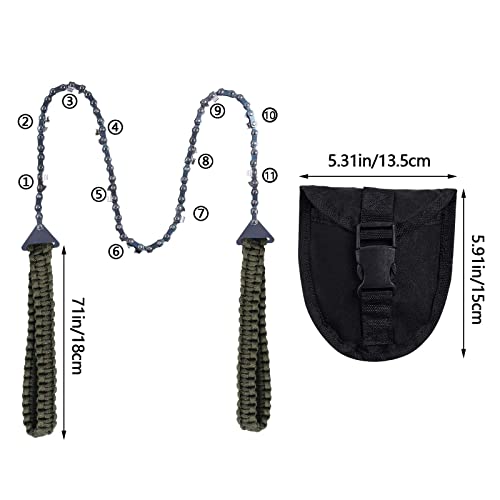
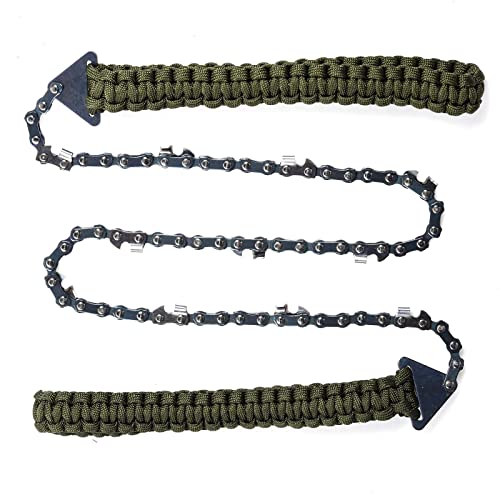
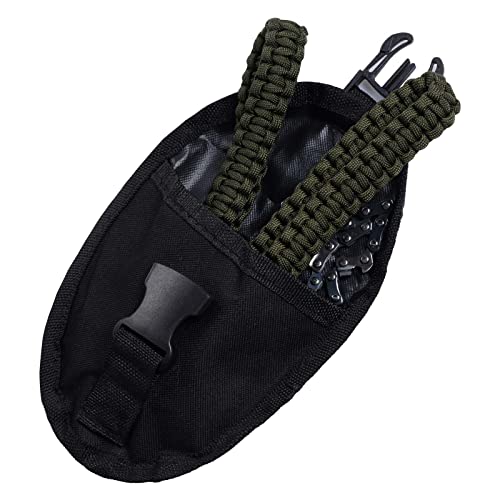
If you’re looking for a chainsaw that weighs less than a granola bar and won’t take up any space in your pack, this pocket chainsaw is about as minimal as it gets. On paper, the 24-inch bi-directional chain with 11 heat-treated steel teeth sounds capable for light-duty tasks like clearing small branches or prepping firewood while camping. Owners consistently report it works well for emergency use or ultra-light backpacking where every ounce counts.
Still, this isn’t a power tool, it’s hand-powered, and that means effort. It’ll get the job done if you’re patient and in decent shape, but don’t expect it to handle anything over 4 inches in diameter without serious elbow grease. The paracord handles help with grip, and the folding design makes storage simple. For true off-grid simplicity, it’s hard to beat.
Product photos
Greenworks 40V 12″ Cordless Chainsaw

Strengths
- Full 12-inch cutting capacity
- Reliable 40V battery
- Doubles as power bank
Trade-offs
- Bulkier than mini saws
- Shorter runtime than some
- Battery included only one
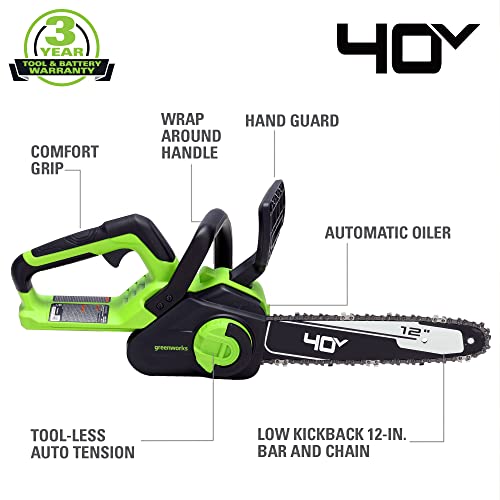
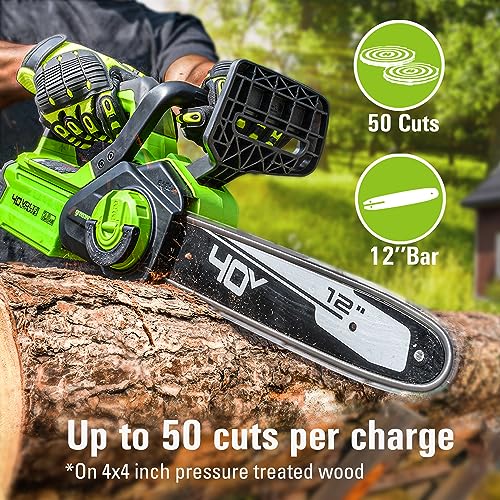
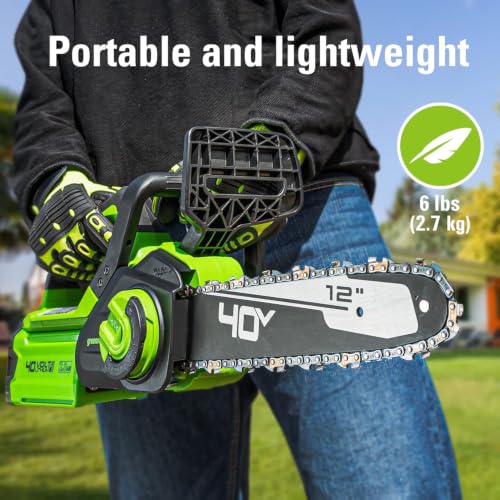
This is the only model here that feels like a real chainsaw, not a mini or novelty tool. The 12-inch bar can handle bigger jobs like splitting firewood or clearing storm-damaged trees around a campsite. The 40V platform is proven, and owners say the battery life is reliable: around 50 cuts on 4x4s per charge is respectable for cordless.
At 6 lbs, it’s heavier than the mini saws, but still far lighter than gas models. The tool-free chain tensioning and auto-oiler make maintenance easy, and the fact that the battery doubles as a power bank is a real perk when you’re off-grid. If you’re doing serious campsite prep or own a remote cabin, this is the kind of saw that pulls its weight.
Product photos

How We Picked These chainsaw for campings
I approach tool selection from the perspective of someone who’s spent years around workshops and job sites, and for this guide, we focused on a research-led comparison of specifications and owner feedback. Rather than a hands-on lab test of each model, we systematically compared published specs – motor power, battery capacity, bar length, weight – alongside owner reviews from major retailers and reputable tool review sites. This allowed us to build a ranking based on real-world reported performance and identify patterns in user satisfaction.
For chainsaws intended for camping, several factors stood out as particularly important. Portability and weight were high priorities, as were runtime and ease of use. A chainsaw that’s too bulky or difficult to operate detracts from the enjoyment of a camping trip. We also heavily weighted safety features, like chain brakes and anti-vibration systems, given the potential for accidents when using these tools outdoors.
When evaluating specs, I looked for indicators of cutting power and efficiency – brushless motors and sufficient battery capacity were key. However, I paid close attention to owner feedback to gauge how these specs translated into actual performance. For example, reported battery life often differed from manufacturer claims, and owner reviews shed light on the durability of the chain and the effectiveness of the automatic oiler. Knowing how to file chainsaw teeth is important to maintaining performance, but we focused on initial out-of-box experience for this guide.
How To Choose The chainsaw for campings
Finding the right chainsaw for camping isn’t about raw power; it’s about balancing capability with portability and ease of use.
A good camping chainsaw prioritizes lightweight design, efficient battery life (if cordless), and safety features. Look for models with tool-free chain tensioning, automatic lubrication, and a manageable size. Cutting capacity should align with anticipated tasks – typically smaller branches and firewood – while overall weight shouldn’t compromise packability or user comfort.
Size and Cutting Capacity
Don’t overestimate your needs. For most camping scenarios, a larger chainsaw is overkill. You’re likely dealing with smaller branches for firewood or clearing light brush, not felling trees. I generally recommend focusing on models with an 8-inch or smaller guide bar. Anything larger adds significant weight and bulk without a corresponding benefit for typical campsite tasks. Consider the diameter of the wood you’ll be cutting most often, and select a chainsaw that comfortably handles it.
Battery Life and Power (Cordless Models)
If you’re leaning toward a cordless model – and for camping, I think that’s the way to go – battery life is critical. Don’t just look at the amp-hour (Ah) rating; consider how many cuts that translates to in real-world use. Some manufacturers state cut numbers (like the Greenworks model), which is helpful, but keep in mind those are often performed under ideal conditions. A second battery is almost essential, especially if you anticipate a longer trip or significant wood processing. Brushless motors are also a plus, as they’re more efficient and deliver more power for a given battery capacity.
Here’s what to look for in a battery setup: * A minimum of 2.0 Ah capacity for basic tasks. * A second battery included or available for purchase to avoid downtime. * Reasonable charge times (under 2 hours is ideal) so you aren’t waiting all day for power.
Safety Features and Ergonomics
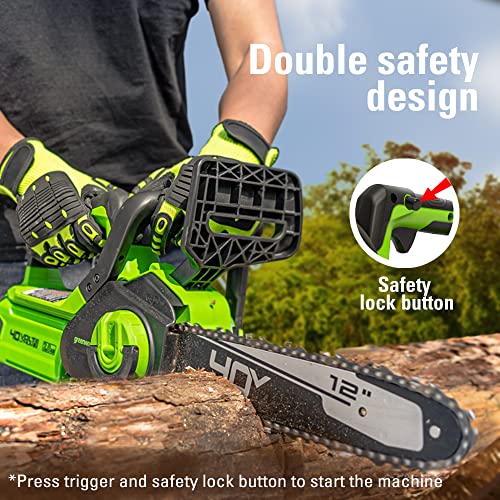
Chainsaws are inherently dangerous tools, so prioritizing safety is paramount. A dual-trigger start mechanism (requiring two actions to initiate) is a must-have. A chain brake that activates quickly in the event of kickback is also essential. Beyond those core features, pay attention to ergonomics. A comfortable grip, balanced weight distribution, and easy-to-access controls will reduce fatigue and improve control. Proper chainsaw chain maintenance, including learning how to sharpen chainsaw chain, is equally important for safe and efficient operation. A lightweight portable cordless chainsaw is easier to manage and less tiring to use.
A dull chain is more dangerous than a sharp one. It requires more force, increasing the risk of kickback and loss of control.
Chainsaw for Campings Compared
Here’s a comparison of key specifications for several chainsaws suitable for camping and outdoor use.
| Product Name | Bar Length (Inches) | Motor Type | Battery Voltage (V) | Battery Capacity (mAh) | Weight (lbs) | Special Features |
|---|---|---|---|---|---|---|
| SEESII 8-Inch Cordless Mini Chainsaw | 8 | Brushless | 21 | 4000 | N/A | Tool-Free Tensioning, Auto-Lubrication |
| Seesii 6-Inch Mini Chainsaw | 6 | Brushed | 21 | 2000 | 2.7 | One-Handed Operation |
| Supstable 8″ & 6″ Mini Chainsaw | 6/8 | Brushless | 21 | 2000 | 3.2 | 2-in-1 Design, Auto-Oiler |
| Sucrain Pocket Chainsaw | N/A | Manual | N/A | N/A | 0.38 | Portable, Bidirectional Cutting |
| Greenworks 40V 12″ Cordless Chainsaw | 12 | N/A | 40 | 2000 | 6 | Auto-Tensioning, Auto-Lubrication |
Frequently Asked Questions
What bar length is best for a camping chainsaw?
An 8-inch bar length strikes a good balance between cutting capacity and portability for most camping needs. Larger bars add weight and bulk that aren’t usually necessary for typical campsite tasks like processing firewood.
Are manual chainsaws a viable option for camping?
Yes, a manual chainsaw like the Sucrain Pocket Chainsaw can be a good backup or lightweight option for very limited cutting. However, they require significantly more physical effort and are much slower than powered chainsaws.
How can I extend the runtime of a cordless camping chainsaw?
Purchasing a second battery is the most effective way to extend runtime. Also, only cut wood within the chainsaw’s recommended diameter range, as struggling with larger pieces drains the battery faster.
What safety features should I prioritize when choosing a chainsaw?
A dual-trigger start and a quick-stopping chain brake are the most important safety features. Look for models with anti-vibration systems as well, as extended use can cause fatigue and reduce control.
Are there alternatives to a chainsaw for campsite wood processing?
Yes, a portable camping saw is a great alternative when you don’t need the power of a chainsaw. Folding saws are lighter, quieter, and safer for smaller tasks, and don’t require fuel or batteries.
The Bottom Line
Choosing a chainsaw for camping often comes down to balancing power with practicality. You don’t want something too cumbersome to carry, but you also want enough cutting ability to handle campsite tasks. For most campers, the SEESII 8-Inch Cordless Mini Chainsaw strikes the best overall balance – it’s lightweight, has a decent runtime, and benefits from a brushless motor for efficient performance.
If budget is your primary concern, or you only anticipate very light use, the Seesii 6-Inch Mini Chainsaw is a solid choice. For those who want versatility and might occasionally need to tackle slightly larger branches, the Supstable 8″ & 6″ Mini Chainsaw offers a two-in-one design. And if you’re looking for a manual option as a backup or for emergencies, the Sucrain Pocket Chainsaw is a surprisingly capable tool. Understanding chainsaw starting steps is useful, even with battery powered models.
Ultimately, the specifications matter less than how well you maintain the tool and how safely you operate it. A sharp chain, a properly lubricated bar, and a healthy respect for the tool’s power are far more important than any particular motor voltage or battery capacity. Prioritize safety features, learn proper technique, and always wear appropriate personal protective equipment – that’s what will make your time in the woods safe and enjoyable.
