
9 Best Bushcraft Saws for 2026
This post contains affiliate links. As an Amazon Associate, we earn from qualifying purchases.
The AGAWA BOREAL21 Tripper Kit is the best overall bushcraft saw for its rugged build, versatile multi-blade design, and reliable performance in tough conditions. If you’re on a budget, the REXBETI 14″ Extra Long Folding Saw delivers serious cutting power at a fraction of the price. For those prioritizing portability without sacrificing too much blade length, the HURRICANE 10″ SK5 strikes a smart balance.
Out in the woods, a failing saw turns a simple camp task into a frustrating slog. You need a tool that won’t let you down when processing firewood or building shelter. After comparing the field and analyzing specs alongside real user experiences, I focused on what actually matters: durable steel, secure folding mechanisms, and practical design.
This guide covers the top-performing bushcraft saws based on blade quality, build reliability, and user feedback. I looked beyond marketing claims to identify models that deliver consistent performance where it counts.
Top 9 Bushcraft Saws in the Market
The Best Bushcraft Saws, Reviewed
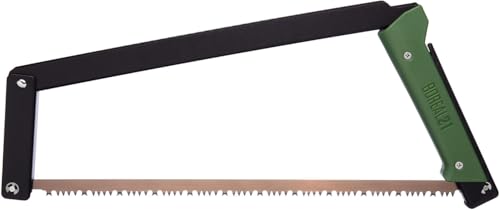
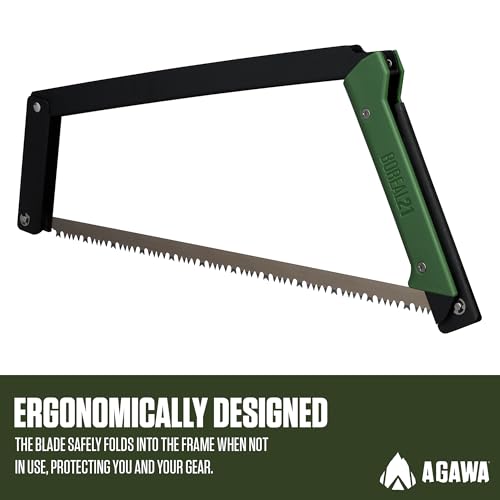
AGAWA BOREAL21 21″ Folding Saw
Strengths
- Full 21-inch blade reach
- Durable aluminum frame
- Tool-free blade swaps
Trade-offs
- Heavy for long hikes
- No second blade included
- Premium price
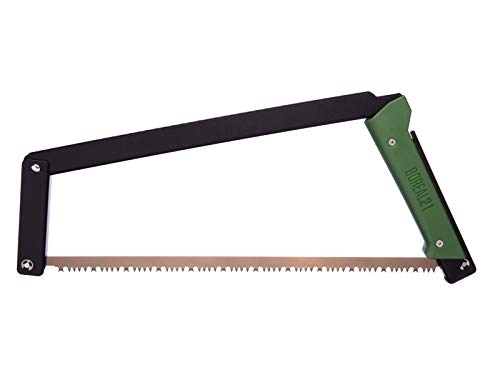
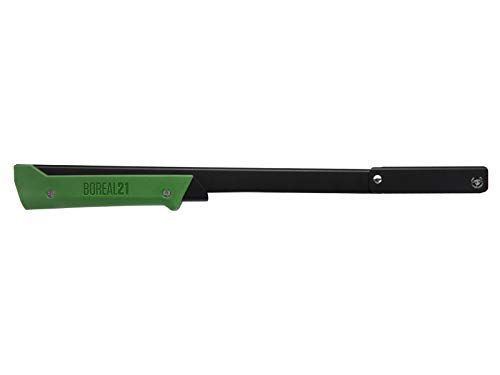
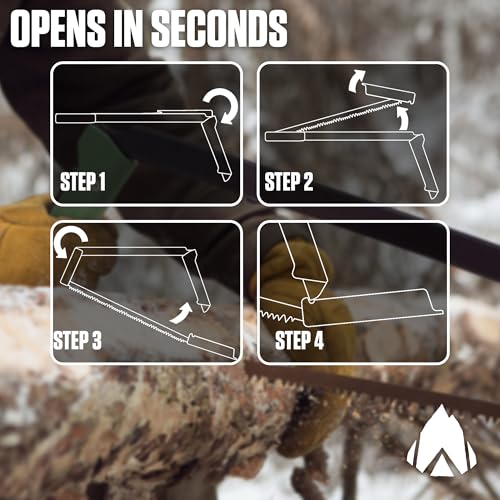
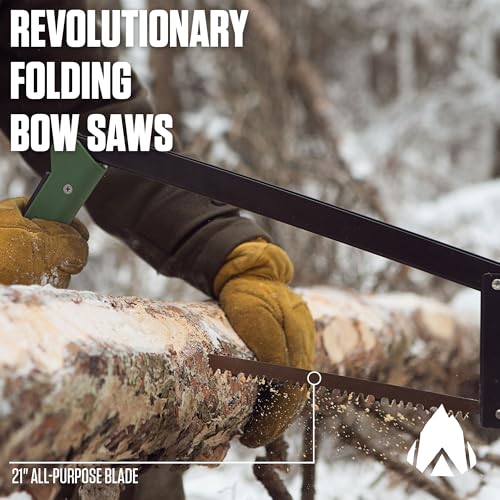
This is the streamlined version of the Tripper Kit, same 21-inch frame, same rugged 6063 aluminum build, but with just the all-purpose blade included. It’s why I consider it the best overall pick for most users. You get the full benefits of a long, efficient blade in a durable, well-balanced package without paying extra for tools you might not use.
The automatic tensioning and three-hinged frame make deployment quick and safe, and owners report it stays tight over time. It’s not the lightest, but at 18oz, it’s acceptable for backpacking when the trade-off is serious cutting power. Compared to the Gerber Freescape, it’s sturdier and more reliable under load. For someone who wants one dependable saw that handles most tasks well, this hits the sweet spot.
Product photos

Silky Gomboy Curve 240mm Outback

Strengths
- Superior mirai-me teeth
- Long-lasting blade edge
- Excellent grip in wet conditions
Trade-offs
- Shorter cutting reach
- Higher price
- Blade not user-replaceable
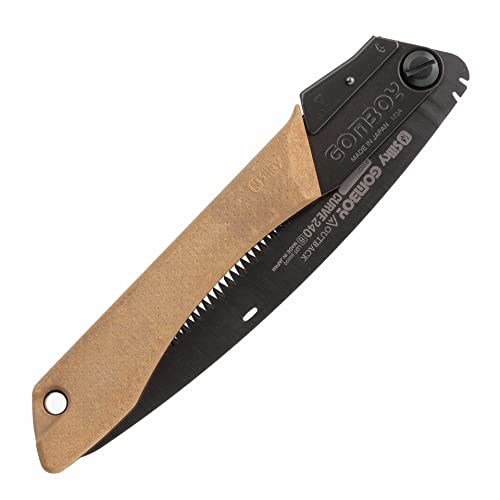
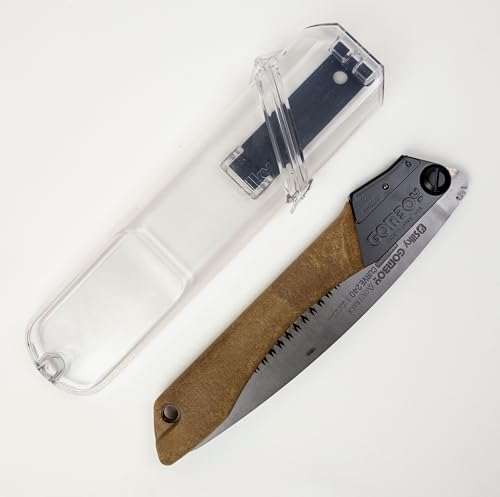
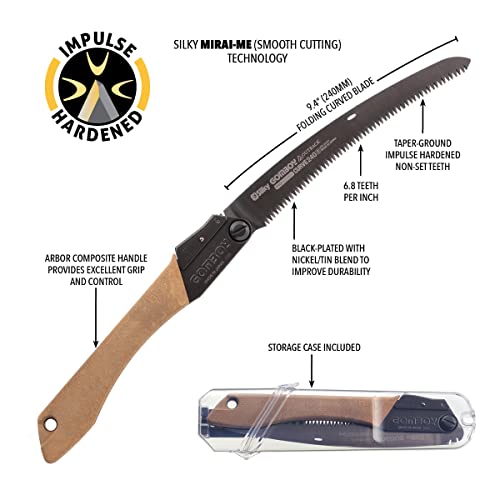
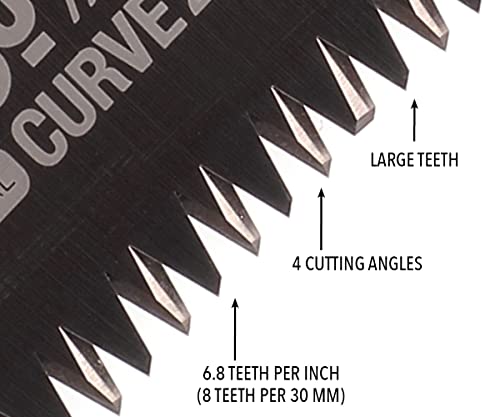
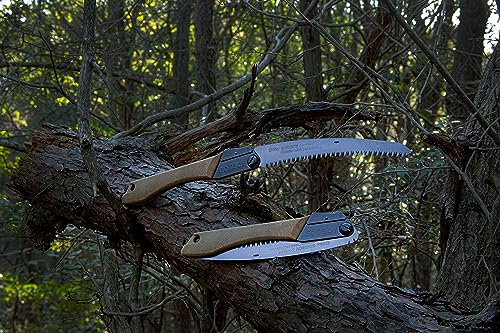
When precision matters, the Silky Gomboy Curve is in a class of its own. The Japanese mirai-me tooth design with four cutting angles delivers a slicing action that other saws can’t match, it’s not just sharp, it’s efficient. Owners consistently praise how little effort it takes to make clean, smooth cuts, even in hardwoods. The taper-ground, impulse-hardened teeth last significantly longer than standard blades, which is a major plus in the field.
The arbor composite handle feels secure in wet or cold conditions, and the folding mechanism is smooth and reliable. At 9.5 inches, the blade is shorter than some, so it’s not ideal for large-diameter logs, but for limbing, carving, or fine camp tasks, it’s exceptional. Compared to the Bahco Laplander, it’s more refined but less rugged. If you value cut quality and longevity over brute force, this is the one to get.
Product photos
Bahco 396LAP 7-1/2″ Laplander Saw
Strengths
- Ultra-compact size
- Excellent grip
- Rust-protected blade
Trade-offs
- Limited cutting diameter
- Shorter handle use
- Harder to find replacement blades
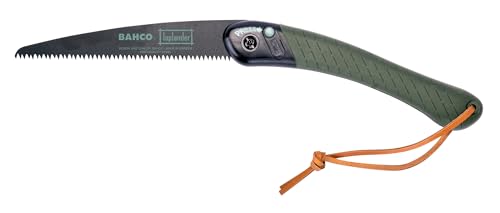
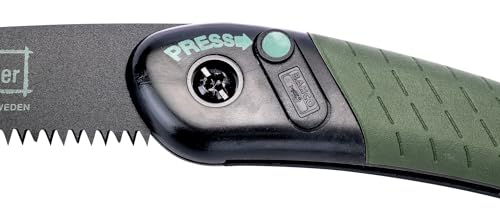
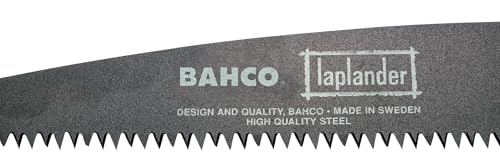
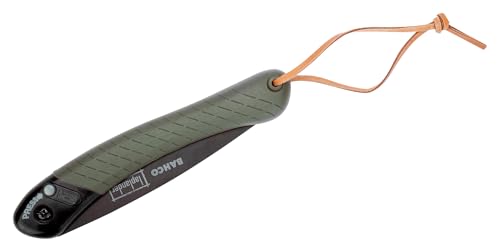
The Bahco Laplander is the definition of a compact bushcraft essential. At just 7.5 inches, it’s small enough to tuck into a pocket or EDC pouch, yet it delivers surprising cutting power thanks to its XT tooth pattern and rust-protected blade. It’s a favorite among hunters and minimalist campers who need a reliable tool without bulk.
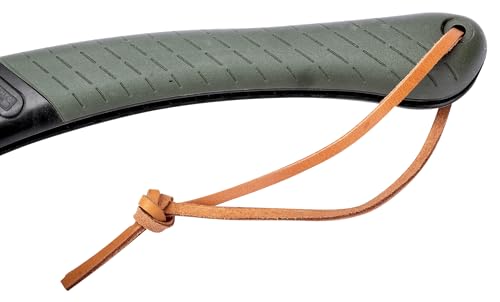
Owners love the two-component handle, it’s grippy in rain, snow, or blood, and the leather strap adds real-world carry options. The blade doesn’t extend as far as others, so it’s not for big jobs, but for feathering, shelter building, or processing small game, it’s spot-on. Compared to the Gerber Freescape, it’s more rugged and better finished. If you value packability and reliability in a small form, this is the gold standard.
Product photos

REXBETI 11″ Folding Saw SK-5
Strengths
- Affordable price
- Good cutting power
- Light and portable
Trade-offs
- Loose folding joint
- Less durable coating
- Average edge retention
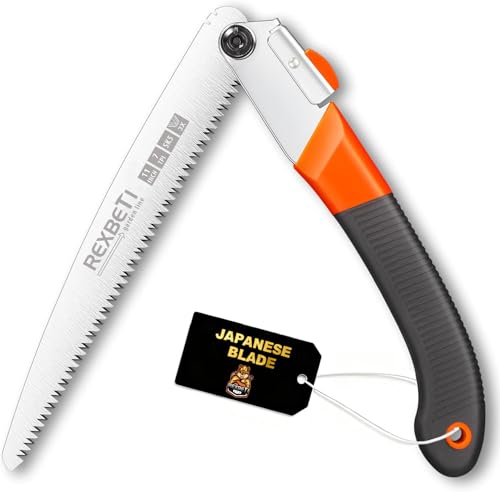
This REXBETI 11-inch model is a solid budget pick that doesn’t completely sacrifice performance. It handles branches up to 6–7 inches with ease, thanks to its SK-5 steel blade and 7 TPI staggered teeth, a setup that mimics more expensive designs. The reinforced blade reduces flex, and owners report it holds up well over months of regular camp use.
It’s lightweight, folds compactly, and the rubber-coated handle offers decent grip, though not quite as secure as the HURRICANE or LAGOM in wet conditions. Where it falls short is refinement, the folding mechanism feels a bit looser, and the blade tension isn’t as consistent. But for someone who wants reliable performance without overspending, this is a smart compromise. Compared to the AGAWA BOREAL21, it’s less versatile but far more affordable.
Product photos


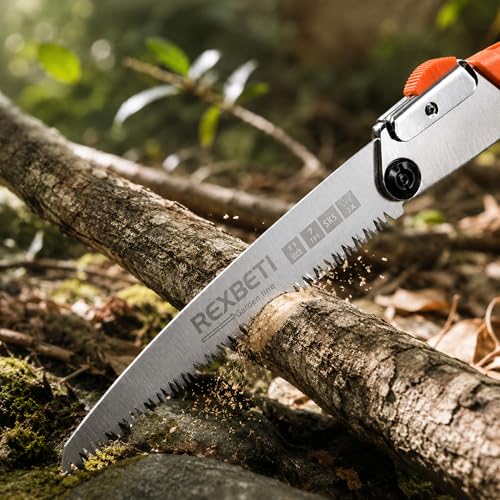

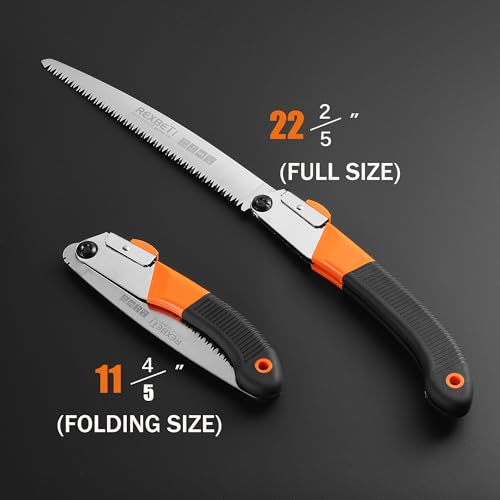
REXBETI 14″ Extra Long Folding Saw
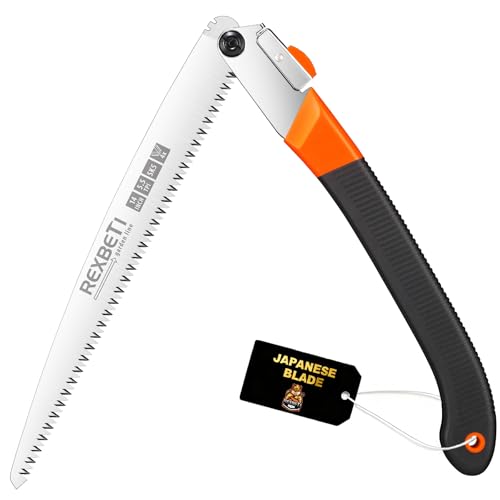
Strengths
- Excellent for thick wood
- Long handle use
- Aggressive tooth pattern
Trade-offs
- Less refined folding lock
- Bulky when folded
- Blade coating wears over time
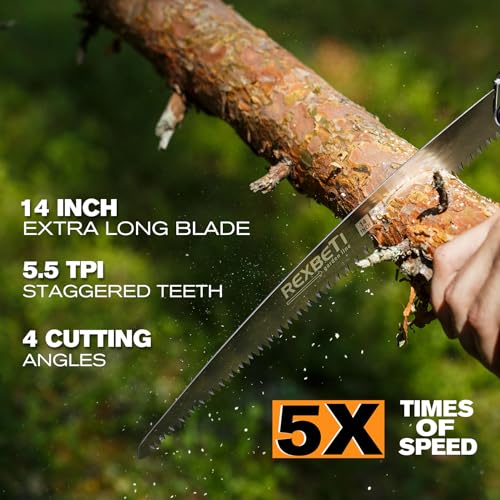
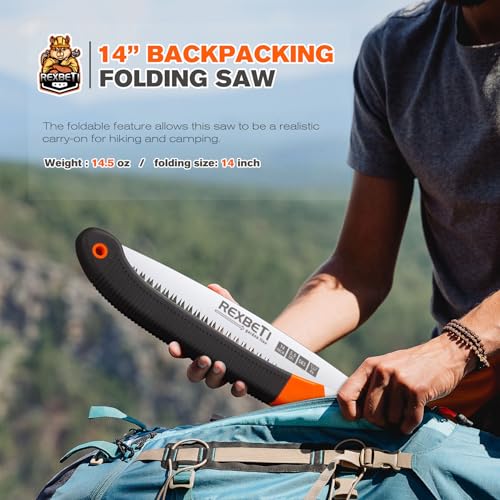
If you’re routinely dealing with thick branches, think 7 to 10 inches in diameter, this REXBETI model is built for that job. The 14-inch SK-5 steel blade is no joke, and reviewers frequently note how it outperforms shorter saws when bucking larger downed trees. The 5.5 TPI staggered teeth cut aggressively, reducing effort and time, which matters when you’re deep in the woods and fatigue sets in.
The handle is one of the longest in this category at 8 inches, giving you serious use, and the rubberized coating stays grippy even with wet gloves. It’s a simple, no-frills design, but it works. Some users mention the folding mechanism feels less refined than premium brands, but for the raw cutting power and value, it’s hard to argue. Compared to the lighter bushcraft-focused saws, this one leans more into utility than elegance.
Product photos
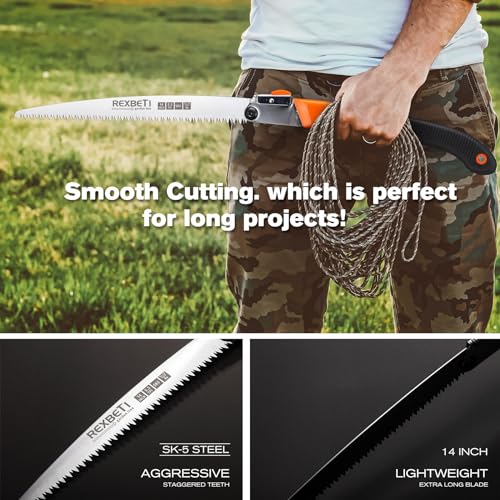


AGAWA BOREAL21 Tripper Kit
Strengths
- Dual blade system
- Robust frame construction
- Automatic tensioning
Trade-offs
- Heavier than average
- Bulkier folded profile
- Higher price point
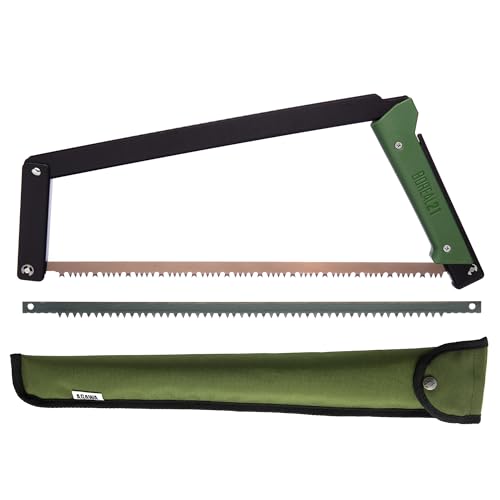
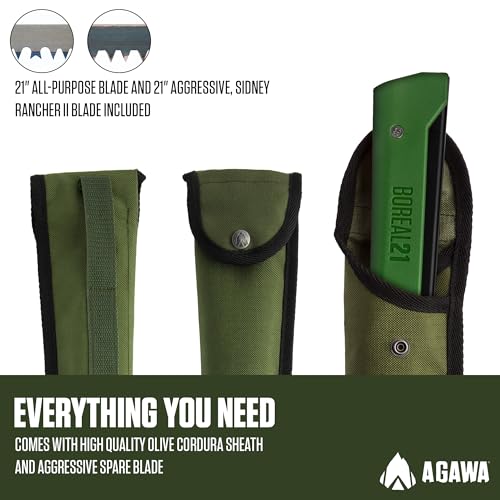
The AGAWA BOREAL21 Tripper Kit stands out in the bushcraft world not just for its performance, but for the sheer flexibility it offers. With two interchangeable blades, one all-purpose and one aggressive, this saw adapts to different wood types and cutting styles without needing multiple tools. On paper, the 21-inch blade length gives it serious reach, and owners consistently report clean, fast cuts even in dry hardwoods. The triple-hinged frame feels solid, and the automatic tensioning system eliminates the fiddly adjustments common in other folding designs.
What really sets this kit apart is the build quality. The anodized aluminum frame and stainless steel hardware resist corrosion, and the fibreglass-reinforced handle doesn’t flex under pressure. It’s heavier than some at 18oz, but that’s the trade-off for durability and blade length. For someone who wants one saw that can handle everything from trail clearing to shelter building, and appreciates having blade options on the fly, this is a compelling package.
Product photos
Gerber Freescape 12″ Camp Saw
Strengths
- Folds flat, no loose parts
- Bright color for visibility
- Simple, intuitive design
Trade-offs
- Flimsy blade under stress
- Plastic handle lacks durability
- Average cutting performance
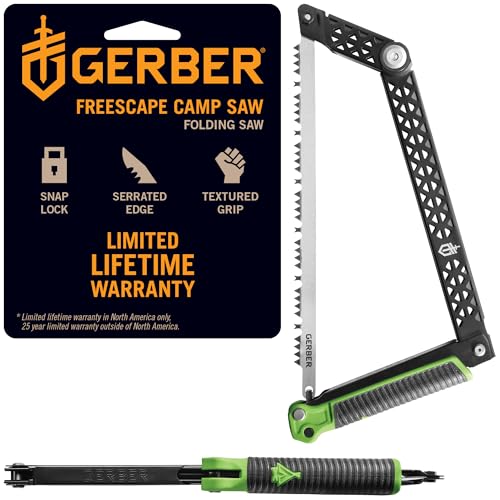
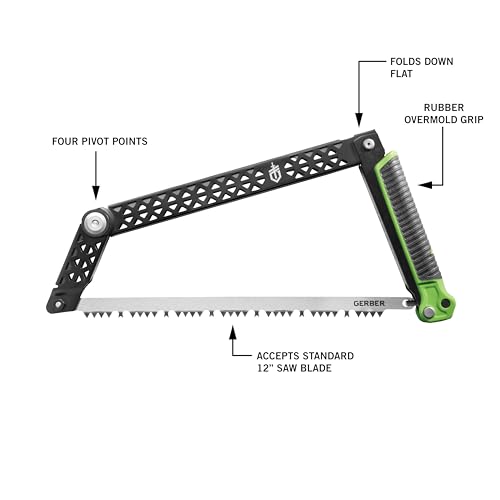
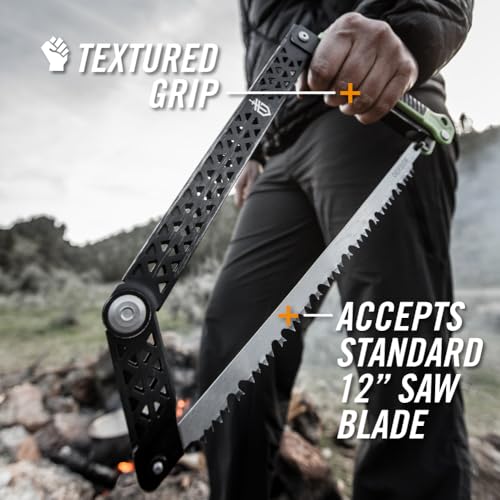
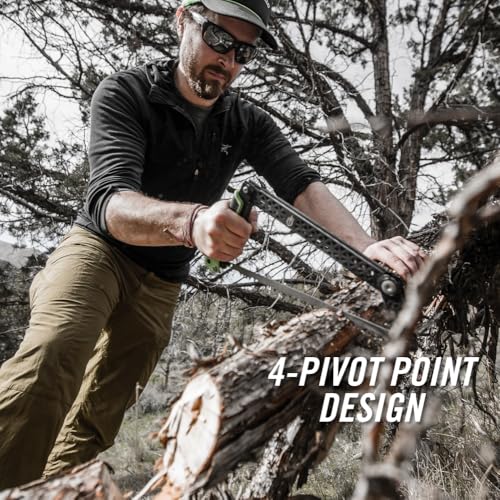
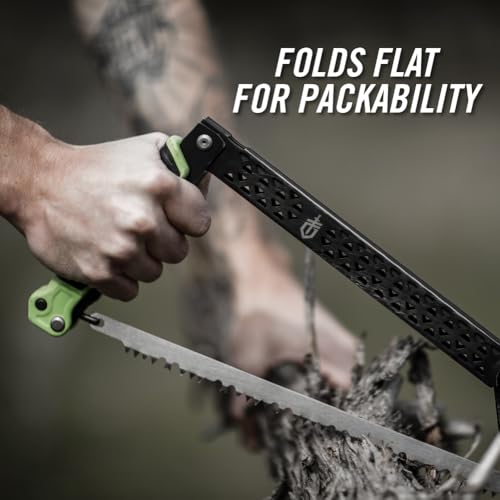
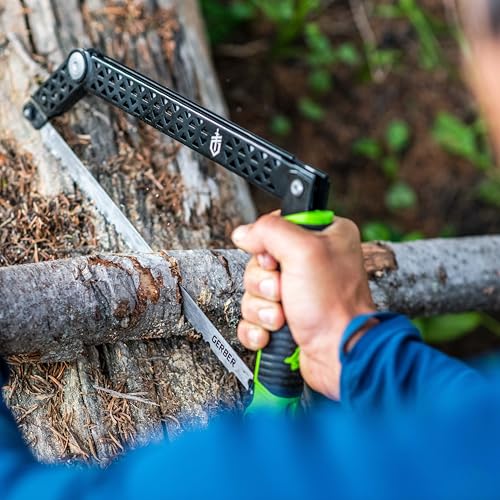
The Gerber Freescape stands out for its folding design, it collapses completely flat while staying assembled, which is a big win for packability and part security. That’s a real advantage over saws that rely on loose pins or multiple pieces. The 12-inch blade uses four pivot points to maximize cutting stroke, and on paper, that should give it efficient reach.
But in practice, owners report mixed results. The blade feels flimsy under heavy load, and the plastic handle, while textured, doesn’t inspire confidence when torquing through thick branches. It’s bright green accents help with visibility, but the overall build feels budget-oriented. Compared to the AGAWA or Bahco models, it’s less durable. Still, for casual campers who need something that won’t rattle or get lost, it has a niche.
Product photos
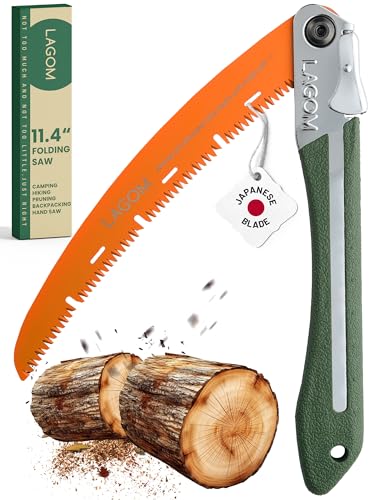
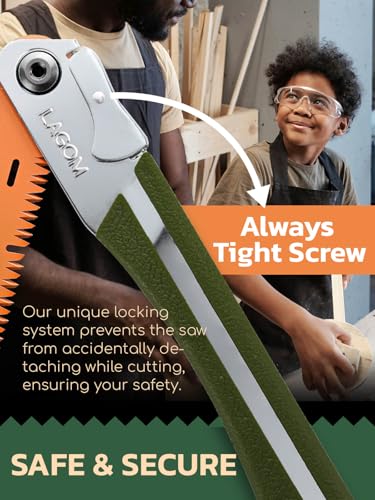
LAGOM 11.4″ Curved Folding Saw
Strengths
- Exceptional handle comfort
- Smooth non-stick blade
- Clean cut performance
Trade-offs
- Shorter blade reach
- Fewer grip texture zones
- Premium price for mid-tier specs
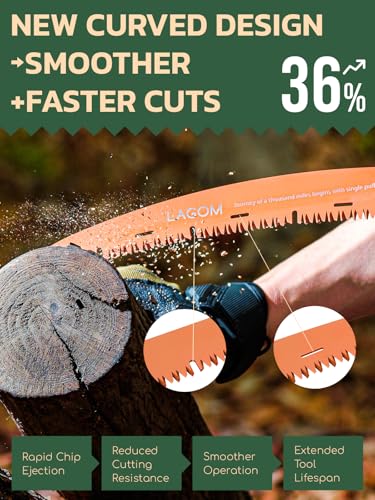
The LAGOM folding saw gets a lot of attention for its handle design, and deservedly so. The ergonomics are spot-on, shaped to fit the hand naturally, with soft-touch zones that reduce fatigue during long cutting sessions. It’s one of the few saws where owners consistently mention how comfortable it feels after repeated use, which matters when you’re processing firewood or clearing brush for hours.
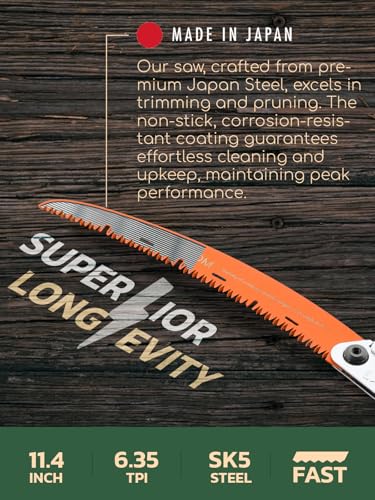
The SK5 steel blade is coated to reduce friction and resist rust, and the non-stick finish helps with chip ejection, a small detail that makes a real difference in sticky pine or green wood. It’s not the longest or fastest saw here, but it’s one of the most pleasant to use. Compared to the REXBETI models, it trades raw power for refinement. If comfort and long-term usability are your priorities, this one stands out.
Product photos

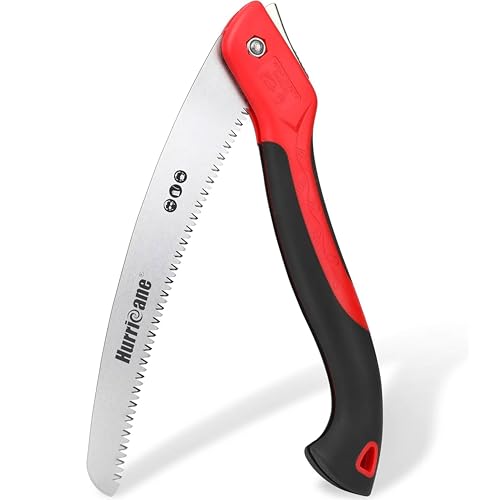
HURRICANE 10″ SK5 Folding Saw
Strengths
- Excellent rust protection
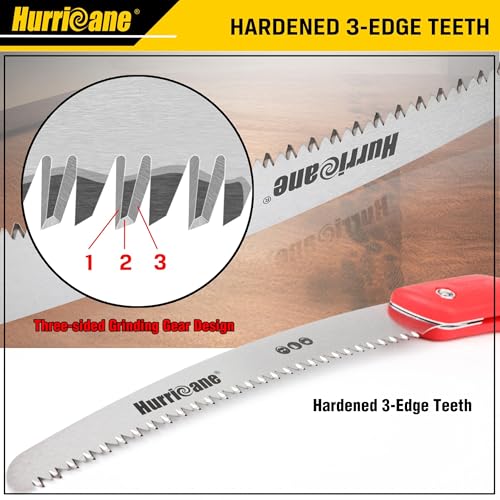
- Sharp triple-cut teeth
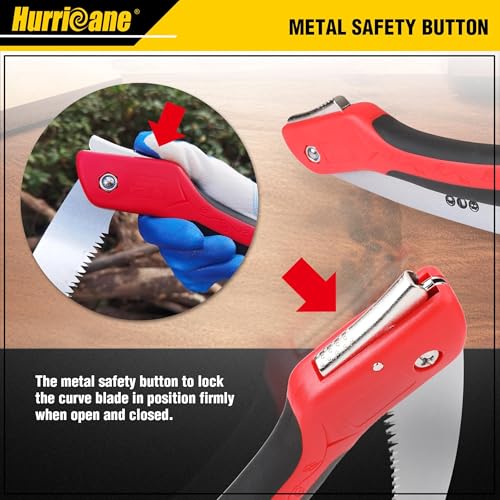
- Secure blade lock
Trade-offs
- Heavier than expected
- Coating can chip if dropped
- Handle slightly bulky
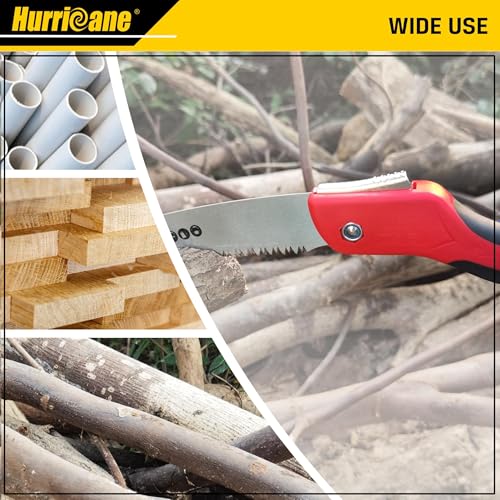
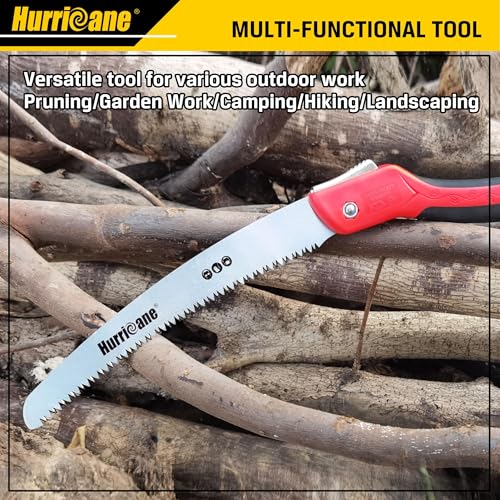
Corrosion resistance is where the HURRICANE 10-inch saw truly shines, thanks to its chrome electrophoretic coating. This isn’t just a surface treatment, it’s a thick, functional layer that owners say holds up in rainy conditions and coastal environments where salt and moisture eat lesser blades. The SK5 steel blade with 7 TPI triple-cut teeth bites hard and delivers clean pulls, especially in dry or fibrous wood.
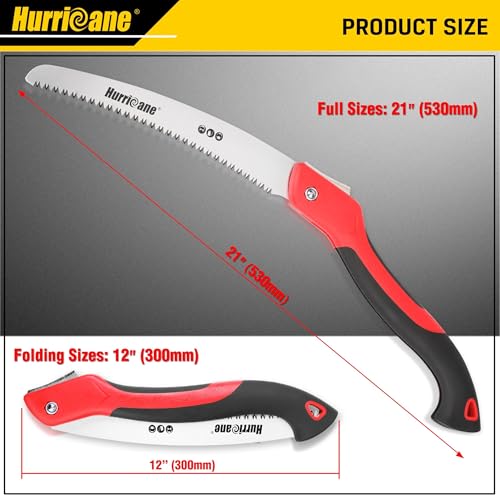
I appreciate the balance here, it’s not the longest, but the 530mm overall length and PP/TPR handle make it comfortable for extended use. The locking mechanism feels secure, and the teeth retract fully, which is a safety win. It doesn’t have the flash of some Japanese models, but it’s a workhorse. Compared to the Silky Gomboy, it’s less refined in cut quality but more resilient in wet, gritty conditions.
Product photos
How We Chose These bushcraft saws
We approached this guide by researching the specifications and features of numerous bushcraft saws available, then weighing those details against owner reviews and assessments from reputable outdoor and tool experts. Rather than a hands-on lab test, this is a research-led comparison of specs and owner feedback, applying my years of experience with tools to identify key differentiators. We ranked saws based on a combination of blade material, build quality, ergonomics, and reported cutting performance.
For bushcraft saws, blade steel and the locking/folding mechanism were the most heavily weighted factors. A high-quality steel like SK-5 is essential for maintaining an edge and resisting wear, especially in demanding conditions. Equally important is a secure and reliable folding design; a saw that’s awkward to open or feels unstable in use is a safety hazard and frustrating to work with.
Specifications reliably indicate blade length, tooth count (TPI), and steel type, giving a baseline for cutting capacity and aggression. However, real-world performance – how easily a saw cuts through different types of wood, how comfortable it is to use for extended periods, and its long-term durability – is best gleaned from owner reviews. Understanding how to maintain chainsaw cutting performance is also a skill bushcraft enthusiasts will need, and applies to keeping these saws in top shape. Reputation and expert opinions helped filter out poorly made or unreliable options.
How To Choose The bushcraft saws
Picking the right bushcraft saw can dramatically improve your time outdoors. It’s not just about cutting wood; it’s about having a reliable tool that fits your specific needs and skill level.
A quality bushcraft saw balances blade material (high-carbon steel is common), tooth geometry (influencing cut speed and smoothness), and ergonomic design. Blade length dictates the diameter of wood you can tackle, while folding mechanisms prioritize portability and safety. Durable construction and corrosion resistance are crucial for longevity in harsh conditions.
Blade Material and Tooth Count
The type of steel used in the blade is paramount. SK5 steel, found in saws like the REXBETI models, is a popular choice for its balance of hardness and flexibility. However, don’t automatically equate higher tooth counts with better performance. Lower TPI (teeth per inch), like the 5.5 TPI on the REXBETI 14” saw, excel at quickly cutting thicker, green wood. Higher TPI saws, such as the 7 TPI on the HURRICANE 10” model, are better suited for finer work and dry hardwoods. I’ve seen many folks overestimate the need for extremely fine teeth in a bushcraft setting; aggressive teeth are often more practical.
Build Quality and Locking Mechanisms
A flimsy saw is a dangerous saw. Look for robust construction. The AGAWA BOREAL21, with its 6063 aluminum frame and stainless steel hardware, demonstrates a commitment to durability. Equally important is a secure locking mechanism. You want to be confident the blade won’t fold unexpectedly mid-cut. Many saws boast safety locks, but examine user reviews to see how reliable they truly are. A poorly designed lock can be more of a hindrance than a help.
- Consider the handle material. Rubberized grips, like those on the HURRICANE saw, offer superior comfort and control, especially when wet.
- Pay attention to blade coatings. Chrome electrophoretic coatings, as used in the HURRICANE, significantly improve corrosion resistance. This is especially vital if you anticipate using your saw in damp environments.
- Look for saws that allow for blade replacement. Swapping blades lets you adapt to different cutting tasks and extend the saw’s lifespan. The AGAWA BOREAL21 Tripper Kit offers this flexibility with its included extra blade.
A dull saw is more dangerous than a sharp one. Learn how to properly maintain your blade, and always prioritize safety when handling and storing it.
Portability and Overall Size
Bushcraft is often about covering ground, so weight and packability matter. The Bahco 396LAP Laplander is a prime example of a compact, lightweight option. However, don’t sacrifice cutting capacity for extreme portability. If you frequently encounter larger branches, a longer blade – like the 14” REXBETI – might be a better choice. Knowing your typical cutting needs will guide your decision. If you’re looking for something to cover a variety of situations, consider exploring compact survival saws to find a balance. For larger jobs, you might also want to understand pole saw uses explained.
Bushcraft Saws Compared
Here’s a comparison of key specifications for popular bushcraft saws to help you make an informed decision.
| Product Name | Blade Length | Steel Type | TPI (Teeth/inch) | Weight (oz) | Features |
|---|---|---|---|---|---|
| AGAWA BOREAL21 | 21″ | Stainless | N/A | 18 | Folding, Multi-Blade Kit |
| Silky Gomboy Curve 240mm Outback | 9.5″ | High Steel | 6.8 | N/A | Folding, Precision |
| Bahco 396LAP | 7.5″ | N/A | 7 | N/A | Folding, Compact |
| REXBETI 11″ Folding Saw SK-5 | 11″ | SK-5 | 7 | N/A | Folding, Budget |
| REXBETI 14″ Extra Long Folding Saw | 14″ | SK-5 | 5.5 | 14.5 | Folding, Long Blade |
| AGAWA BOREAL21 Tripper Kit | 21″ | Stainless | N/A | 18 | Folding, Multi-Blade Kit |
| Gerber Freescape | 12″ | N/A | N/A | N/A | Folding |
| LAGOM 11.4″ Curved | 11.4″ | SK5 | N/A | N/A | Folding, Ergonomic |
| HURRICANE 10″ SK5 | 10″ | SK5 | 7 | N/A | Folding, Corrosion Res |
Frequently Asked Questions
What steel type is best for a bushcraft saw blade?
SK-5 high-carbon steel is generally considered the sweet spot, offering a good balance of hardness, flexibility, and edge retention. Stainless steel, like that found in the AGAWA BOREAL21, provides excellent corrosion resistance, though it may not hold an edge quite as long as SK-5.
How important is the TPI (teeth per inch) of the blade?
The ideal TPI depends on what you’ll be cutting. Lower TPI (around 5.5) cuts thicker, green wood faster, while higher TPI (7 or more) excels at finer cuts in dry hardwoods. For general bushcraft use, a slightly lower TPI is often more practical.
Can I replace the blade on a bushcraft saw?
Some models, like the AGAWA BOREAL21 Tripper Kit, are designed with blade replacement in mind. This allows you to adapt the saw to different tasks or replace a damaged blade, extending the tool’s lifespan. Not all saws offer this feature, so check the specifications.
What size bushcraft saw should I choose?
Blade length dictates cutting capacity. A shorter blade (under 10”) prioritizes portability, making it ideal for ultralight camp saws, but limits the diameter of branches you can cut. A longer blade (14” or more) handles larger wood, but adds weight and bulk.
How do I prevent rust on my bushcraft saw blade?
Look for saws with blade coatings, such as the chrome electrophoretic coating on the HURRICANE 10” model, which provides increased corrosion resistance. Regularly cleaning and drying the blade after use, and applying a light oil, will also help prevent rust, especially if you are using lightweight hiking saws in damp environments.
The Bottom Line
Choosing a bushcraft saw often comes down to balancing how much control you want over your cuts versus how much fuss you’re willing to deal with. For the vast majority of users, I believe the REXBETI 14” Extra Long Folding Saw strikes the best overall balance. It provides ample blade length for tackling substantial wood, uses quality SK-5 steel, and comes at a price that won’t break the bank.
If you’re on a tighter budget, the REXBETI 11” Folding Saw SK-5 is a fantastic starting point. For those prioritizing versatility and wanting a saw that can handle both rough limbing and more delicate work, the AGAWA BOREAL21 Tripper Kit, with its interchangeable blades, is a strong contender. And for those who need a truly compact option, the Bahco 396LAP remains a popular, reliable choice.
Ultimately, the best bushcraft saw isn’t about the highest price tag or the most features. It’s about finding a tool that feels comfortable in your hands, is built to last, and allows you to safely and efficiently process wood. Don’t overlook the importance of learning how to safely start a chainsaw, even if you plan to rely primarily on a hand saw for most tasks.
