
8 Best Air Cleaners for Allergies 2026
This post contains affiliate links. As an Amazon Associate, we earn from qualifying purchases.
The Levoit Core300-P stands out as the best overall air cleaner for allergies, delivering strong performance in typical bedroom and living spaces. For those on a budget, the FULMINARE H13 offers solid filtration at a lower price, while the Dhyala WiFi Air Purifier brings smart features and wide coverage for larger homes.
Allergy sufferers don’t just need clean air, they need relief that works quietly, reliably, and without constant upkeep. Too many air cleaners promise results but fall short in real-world use, whether through weak filtration, excessive noise, or hidden filter costs.
This guide cuts through the hype. I compared specs, analyzed owner feedback, and focused on what actually matters: true HEPA filtration, proper room sizing, and long-term value. These picks are based on performance data and real user experiences, not marketing claims.
Top 8 Air Cleaner For Allergies in the Market
The Best Air Cleaner For Allergies, Reviewed
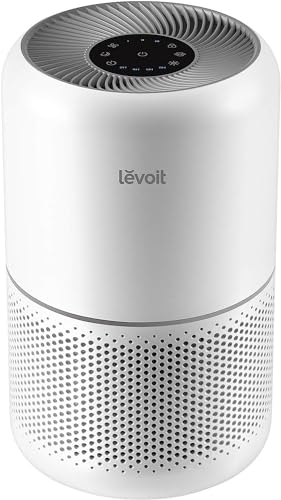
Levoit Core300-P Air Purifier
Strengths
- AHAM VERIFIED performance
- 24 dB sleep mode
- HEPA-grade filtration at low speed
Trade-offs
- Filter replacement cost adds up
- No smart features
- Limited to 1073 ft² on low cycle
If you’re serious about allergy relief and want proven performance, this is the model that keeps coming up in owner reviews. It’s AHAM VERIFIED, which means its CADR ratings aren’t just marketing fluff, 143 CFM for smoke, 153 for dust, 167 for pollen. That translates to cleaning a 222 ft² room nearly five times per hour, which is aggressive for a unit this size.
Owners consistently report fewer allergy symptoms and pet dander buildup, especially when using the Pet Allergy Filter variant. The 24 dB sleep mode is genuinely quiet, and the ability to turn off the display makes it bedroom-friendly. Compared to others in this list, the Core300-P hits the sweet spot of performance, reliability, and price, it’s not flashy, but it works.
Product photos


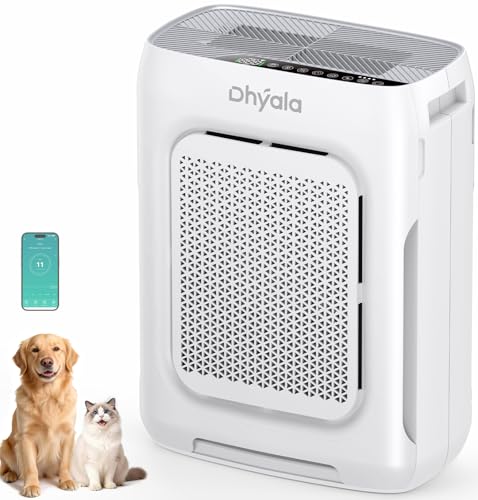
Dhyala WiFi Air Purifier
Strengths
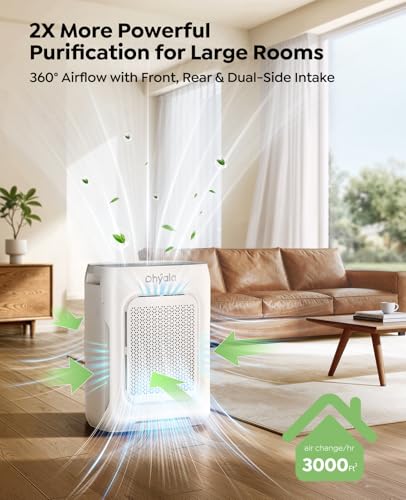
- 3000 ft² coverage
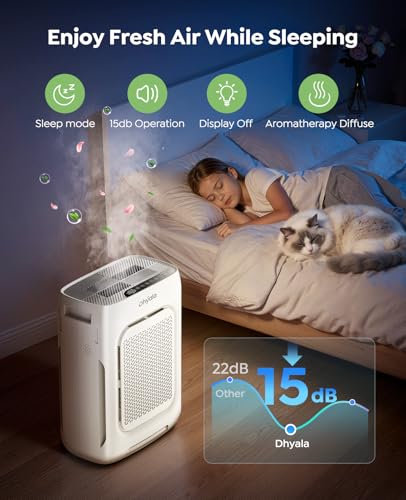
- 15 dB ultra-quiet mode
- Washable pre-filters
Trade-offs
- Large footprint
- Overkill for small homes
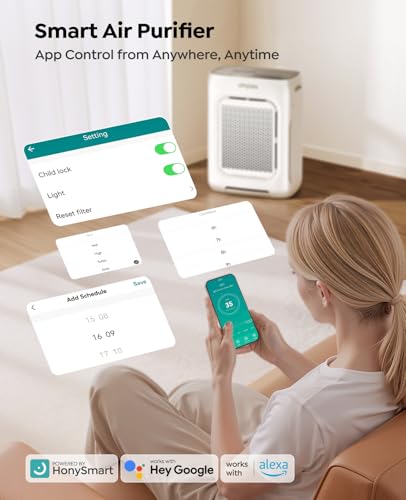
- App interface is basic
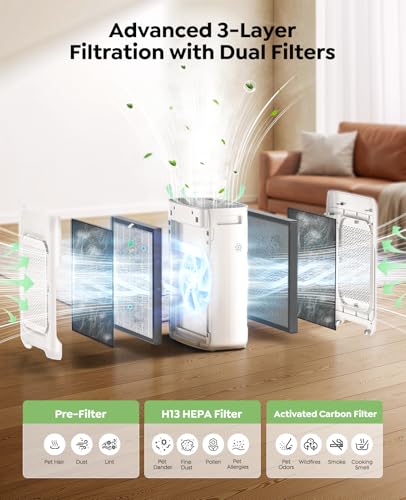
This is the beast of the bunch, 3000 ft² coverage, dual filters, and a CADR of 265 CFM. On paper, it’s built for large homes or open-concept living spaces where air volume is a challenge. The dual-sided intake design helps pull in air from more directions, which matters in big rooms. And the 15 dB sleep mode? That’s whisper-quiet, quieter than most libraries.
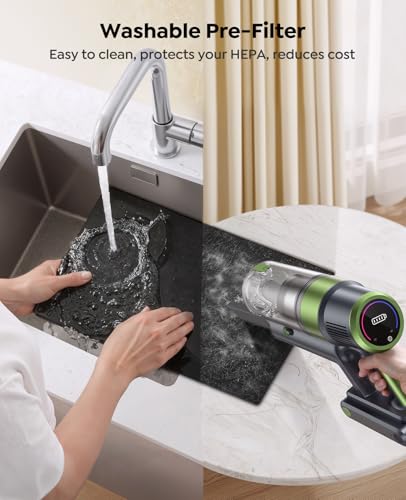
The built-in aromatherapy box is a nice bonus, and the washable pre-filters cut long-term costs. But size comes with trade-offs, this unit is bulky, and some owners report it’s overkill for smaller homes. If you’ve got a spacious layout and pets shedding everywhere, it’s a strong contender. Otherwise, it’s over-engineered.
Product photos
Shark NeverChange Air Purifier

Strengths
- No filter replacements for years
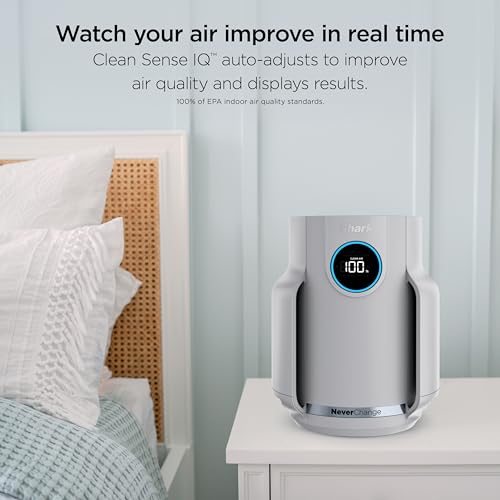
- Real-time air quality display
- Washable pre-filter
Trade-offs
- Smaller room coverage
- Odor cartridge needs replacing
- Display can be overly sensitive
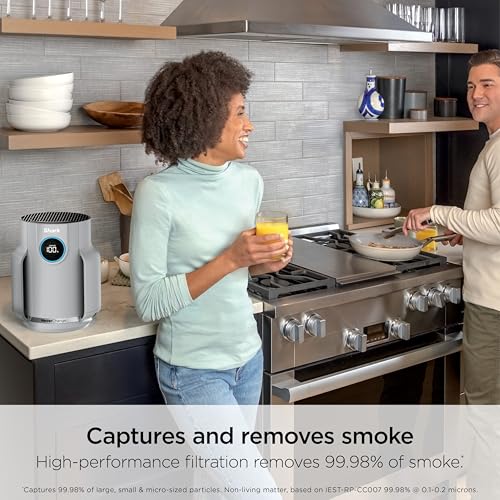
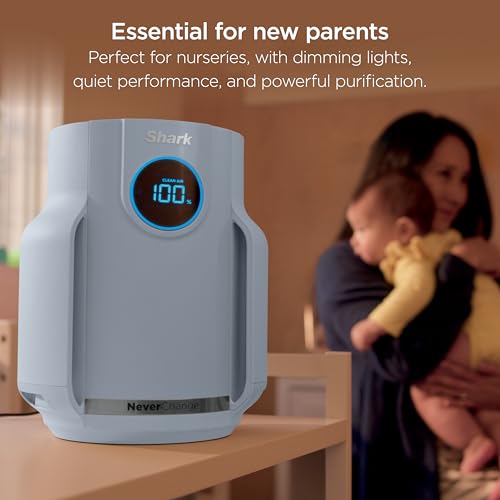
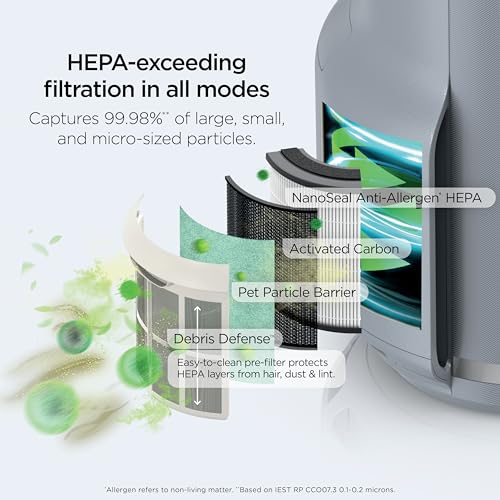
Shark’s NeverChange system is a standout for long-term value. The marketing claims you’ll save up to $150 in filter costs over five years, and given that many HEPA filters run $50–$80 each, that math checks out if you trust the longevity. The filter is built to last, and the washable Debris Defense screen keeps larger particles from clogging the core.
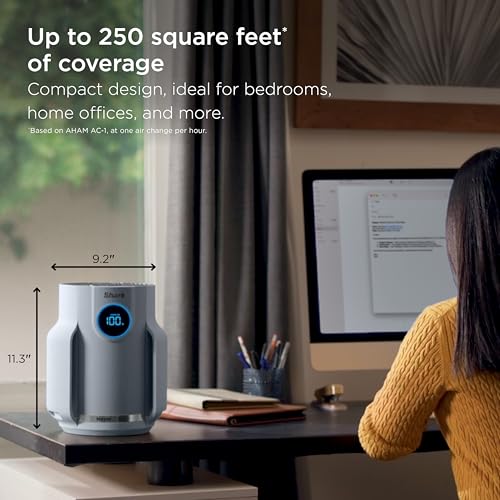
It’s compact but effective for up to 250 ft², and the CleanSense IQ display gives real-time feedback on air quality, which owners find reassuring. It doesn’t have app control, but the trade-off is lower maintenance. Compared to Levoit or MOOKA, it’s less about raw power and more about hassle-free ownership.
Product photos
KNKA APH4000 Air Purifier

Strengths
- Pet Mode for dander control
- AHAM VERIFIED performance
- Real-time AQI display
Trade-offs
- Larger footprint
- Filter replacement cost
- Auto mode can be slow to react
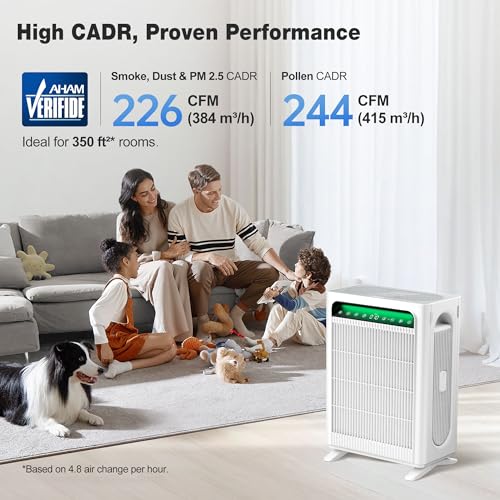
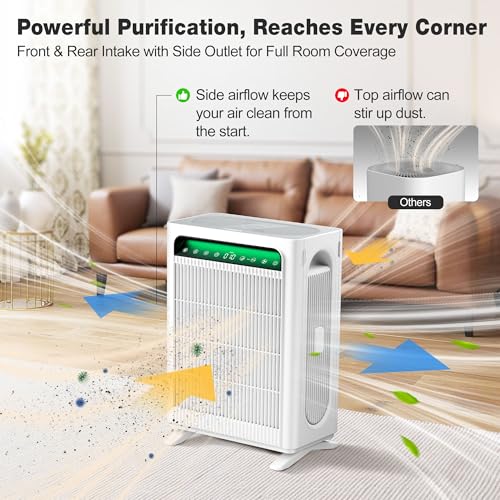
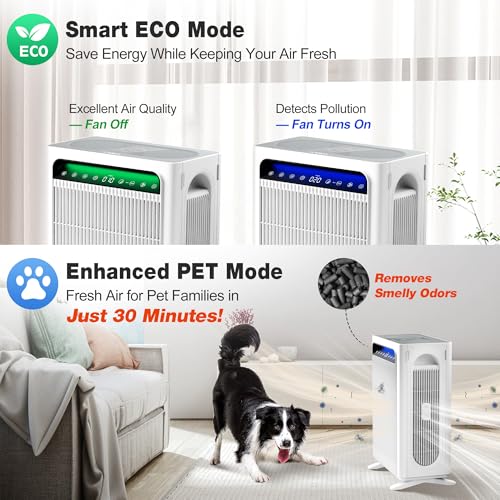
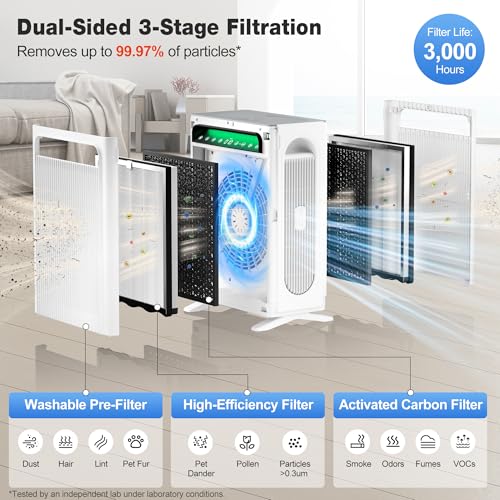
If pet allergies are your main battle, this one deserves serious consideration. With a 244 CFM pollen CADR and AHAM VERIFIED performance, it moves serious air, 1695 ft² per hour, and the Pet Mode boosts airflow to tackle dander and odors fast. The dual intake design helps it pull in more contaminated air, and the real-time AQI display gives instant feedback.
Owners with multiple pets report fewer sneezing fits and cleaner air within hours. The washable pre-filter is a plus, and ECO mode saves energy when air quality is good. Compared to other pet-focused models, it strikes a balance between size, power, and automation.
Product photos
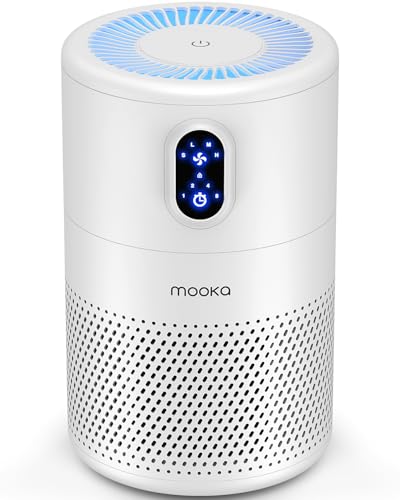
MOOKA B-D02L Air Purifier
Strengths
- Low price point
- 20 dB quiet operation
- H13 True HEPA filter
Trade-offs
- Not AHAM VERIFIED
- Build quality feels lighter
- Filter alerts can be erratic
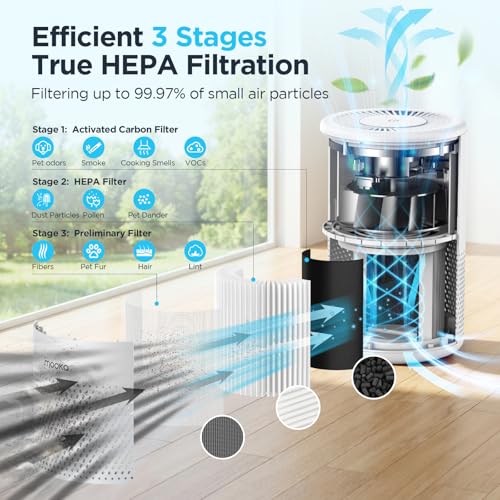
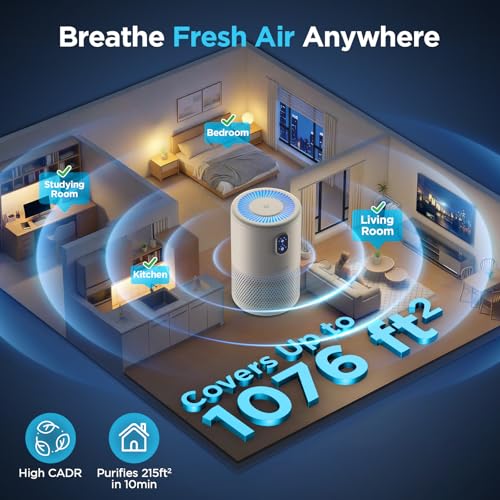
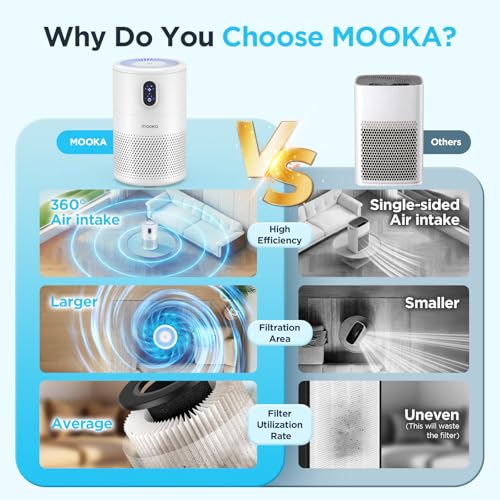
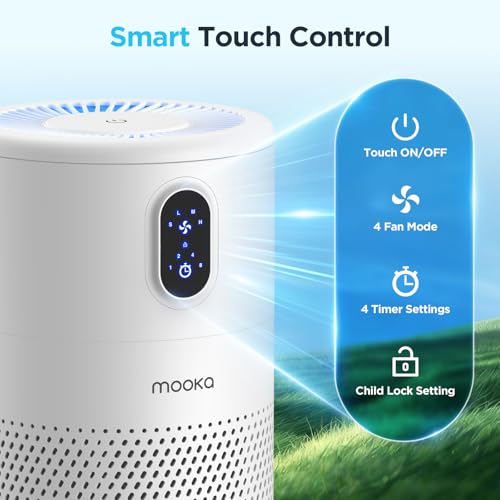
This is the budget king, up to 1076 ft² coverage, H13 HEPA filtration, and a 20 dB noise level for a fraction of the price of premium models. It’s not AHAM VERIFIED, so we can’t independently confirm the CADR, but owners report noticeable improvements in dust and pet dander, especially in medium-sized rooms.
The night light is a nice touch, and the four fan modes give flexibility. But the lack of third-party certification means you’re taking the brand at their word. Still, for first-time buyers or renters who don’t want to invest heavily, it delivers core functionality without fluff.
Product photos

FULMINARE H13 Air Purifier
Strengths
- 24 dB quiet operation
- Night light included
- 5x hourly air changes in small rooms
Trade-offs
- Night light not fully dimmable
- Smaller coverage area
- Filter alerts can be premature
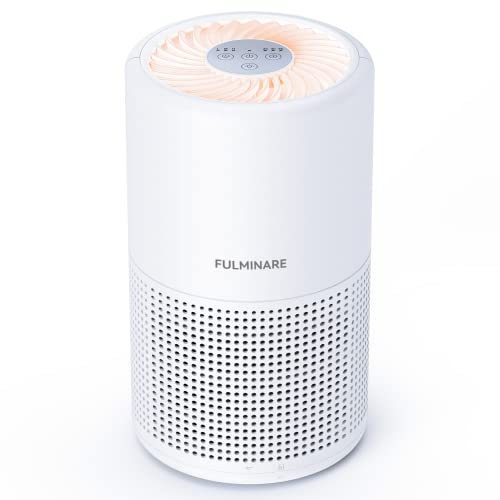
This one’s built for bedrooms, compact, quiet at 24 dB, and with a soft night light that parents of young kids seem to love. It covers up to 215 ft², so it’s best in smaller rooms, and the 5x air changes per hour in that range are solid for consistent cleaning. The H13 HEPA filter matches the standard others use, and dual-channel intake helps with circulation.
The night light is a standout feature, especially for nurseries. But it’s a trade-off, that light can’t be fully disabled in some models, which might bother deep sleepers. Owners praise its quietness and ease of use, but some note the filter indicator is overly sensitive. Still, for a no-nonsense bedroom unit, it holds its own.
Product photos


Levoit Vital 100S-P Air Purifier
Strengths
- Wi-Fi and app control
- Washable pre-filter
- Pet and auto modes
Trade-offs
- 25 dB not the quietest
- App can be glitchy
- Higher initial cost
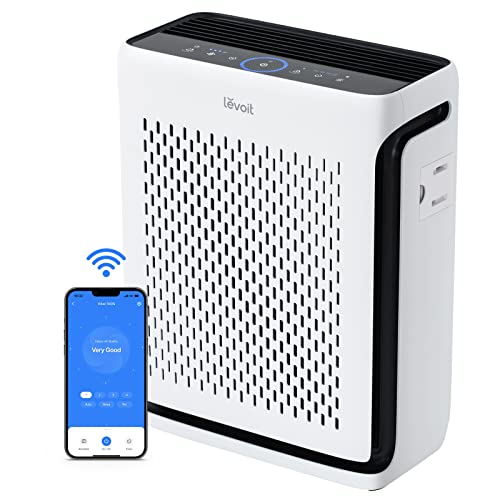
This is the smart pick, literally. With Wi-Fi, app control, voice assistant compatibility, and an auto mode that adjusts to air quality, it’s the most connected unit here. The AHAM VERIFIED rating backs up its 1073 ft² coverage, and the washable pre-filter is a win for long-term owners who hate replacing parts too often.
Pet owners will appreciate the dedicated Pet Mode, which ramps up intake to grab fur and dander fast. The 25 dB sleep mode is slightly louder than others, but still quiet enough for most. Compared to the Core300-P, this one trades some simplicity for automation, if you’re into home ecosystems, it’s worth the jump.
Product photos


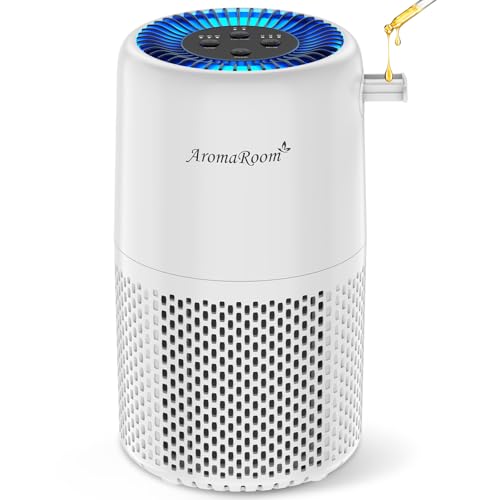
AromaRoom AP103-A Air Purifier
Strengths
- H13 HEPA filter
- 22 dB quiet operation
- Aroma feature included
Trade-offs
- No AHAM verification
- Limited room coverage
- Essential oils not included
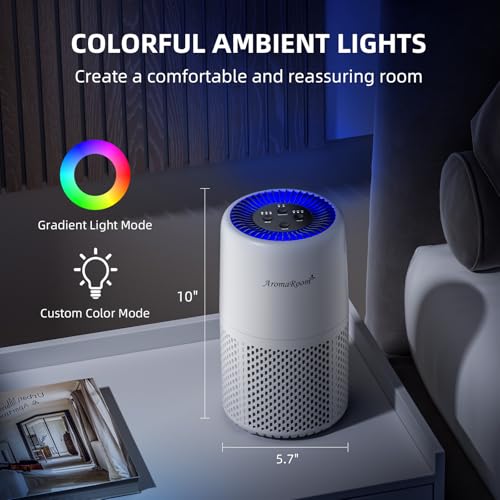
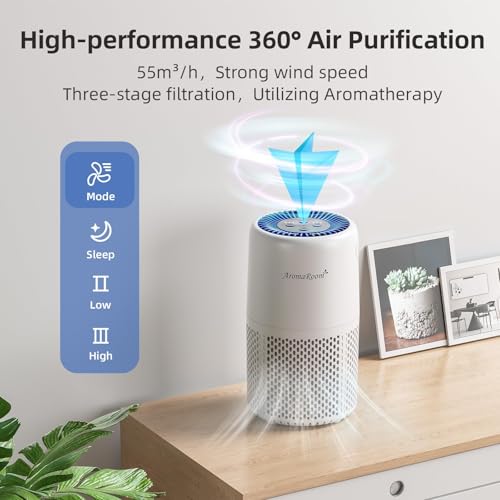
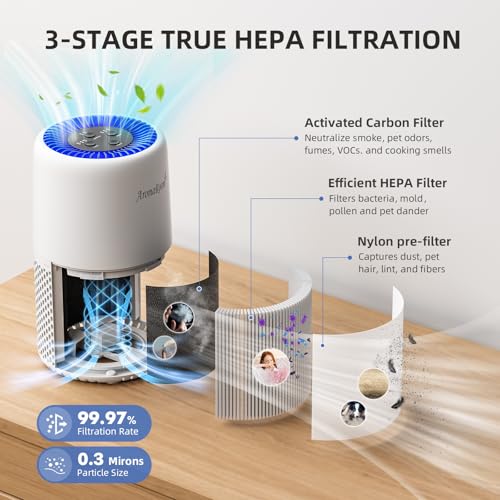
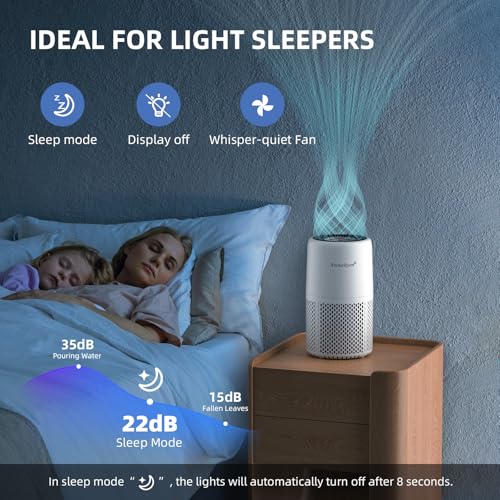
This unit makes a quiet first impression, and that matters for light sleepers. With a 22 dB noise rating on low and a room coverage of 323 ft², it’s suited for smaller bedrooms where noise is a top concern. The H13 HEPA filter is legit, capturing 99.97% of particles down to 0.1 microns, that’s the baseline standard for allergy sufferers, and it delivers on paper.
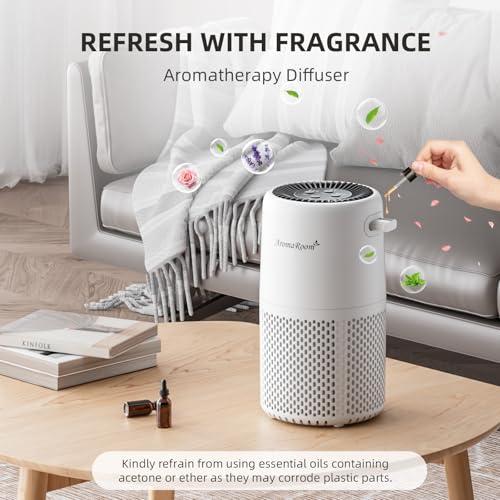
What stands out is the aroma feature, which lets you add essential oils via a fragrance pad. I’m not sold on the health benefits, but if you like a hint of lavender in your air, it’s a nice touch. Still, the lack of AHAM verification gives me pause. Without third-party testing, we’re relying solely on manufacturer claims for CADR and airflow performance, and that’s a risk when comparing to more transparent models.
Product photos
How We Picked These air cleaner for allergies
We approached this guide by first compiling specifications and features from numerous air cleaner models. I then weighed those details against owner reviews sourced from major retailers and independent review sites. Finally, drawing on years of experience with home environmental control and a focus on practical performance, we ranked these units based on how well their features address the core needs of allergy sufferers. Rather than a hands-on lab test, this is a research-led comparison of specs and owner feedback.
The most significant factors in our ranking were CADR (Clean Air Delivery Rate) and filtration efficiency. CADR directly indicates how quickly a unit can clean a given room size, which is critical for allergy relief. Equally important was the type of filtration; we prioritized models with true HEPA filters capable of capturing at least 99.97% of particles down to 0.3 microns. Quiet operation also factored heavily, as many people use air cleaners in bedrooms.
Specifications reliably reveal CADR ratings, filter types, and room coverage areas. However, real-world performance, particularly noise levels and filter lifespan, became clear through careful analysis of owner feedback. We also looked to expert reviews to validate claims and assess the unit’s overall build quality and long-term reliability. Reputation and brand consistency played a role, too; established brands with positive track records tended to score higher.
How To Choose The air cleaner for allergies
Choosing the right air cleaner for allergies isn’t about the highest CADR number; it’s about matching the unit to your space and specific needs.
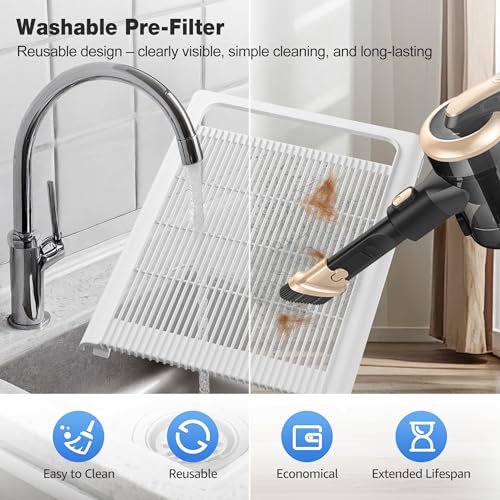
A good air cleaner uses a multi-stage filtration system – a pre-filter for large particles, a true HEPA filter for the microscopic allergens that trigger reactions, and an activated carbon filter to tackle odors and gases. Look for independent verification like AHAM certification to confirm performance claims, and consider long-term costs like filter replacements.
Filter Quality & Stages
The heart of any air cleaner is its filtration system. Don’t settle for “HEPA-type” filters. You want a true HEPA filter, capable of capturing 99.97% of particles down to 0.3 microns. Beyond that, a pre-filter is essential. It extends the life of the more expensive HEPA filter by catching larger debris like dust and pet hair. Finally, an activated carbon filter is a huge plus, especially if you’re sensitive to odors or VOCs (volatile organic compounds) released by cleaning products or new furniture.
Room Size & CADR Ratings
CADR (Clean Air Delivery Rate) is the key metric for matching an air cleaner to your room. Manufacturers will list CADR numbers for dust, pollen, and smoke. To get a realistic idea of performance, focus on the allergen you’re most concerned with. A higher CADR means faster cleaning. But don’t overbuy. An oversized unit is inefficient and noisy.
- For a small bedroom (under 150 sq ft), a CADR of 100 is often sufficient.
- For a medium-sized bedroom or living room (150-400 sq ft), aim for a CADR between 150-250.
- For larger open-concept spaces (over 400 sq ft), you’ll likely need a unit with a CADR of 300 or higher, or consider multiple units.
Smart Features & Long-Term Costs
Smart features like Wi-Fi connectivity and app control are convenient, but don’t let them drive your decision. Focus on practical benefits. Auto mode, which adjusts fan speed based on air quality, is genuinely useful. However, be mindful of ongoing costs.
A seemingly cheap unit can become expensive if replacement filters are pricey or need frequent replacement.
Consider the filter lifespan and the cost of replacements before you buy. Some brands, like Levoit and Shark, offer subscription services for filters, which can save you money.
Air Cleaner for Allergies Compared
Here’s a comparison of key specifications for popular air cleaners designed to help with allergies.
| Product Name | Coverage Area (sq ft) | CADR (CFM) | Filter Type | Noise Level (dB) | Smart Features |
|---|---|---|---|---|---|
| Levoit Core300-P | 222 / 1,073 | 143 | HEPA | 24 | No |
| Dhyala WiFi Air Purifier | 3000 | 265 | HEPA | 15 | WiFi, Voice Control |
| Shark NeverChange | 250 | N/A | NanoSeal (HEPA+) | N/A | Real-Time AQI Display |
| KNKA APH4000 | 350 / 1695 | 226/244 | H13 HEPA | 22-24 | Real-Time AQI |
| MOOKA B-D02L | 1076 | N/A | H13 HEPA | 20 | 4 Timers, Night Light |
| FULMINARE H13 | 215 | N/A | H13 HEPA | 24 | Night Light, 5 Timers |
| Levoit Vital 100S-P | 222 / 1,073 | N/A | HEPA | 25 | WiFi, App Control |
| AromaRoom AP103-A | 323 | N/A | H13 HEPA | 22 | Timer, Aromatherapy |
Frequently Asked Questions
What CADR rating do I really need for my bedroom?
A CADR of 150-250 is generally sufficient for a bedroom between 150 and 400 square feet. However, if your allergies are severe or you have pets, opting for a higher CADR within that range will provide quicker and more effective relief.
Are activated carbon filters truly necessary for allergy relief?
While HEPA filters target particles, activated carbon filters address odors and gases. These gases can irritate airways and worsen allergy symptoms, so carbon filtration provides an extra layer of support for sensitive individuals.
How often should I replace the HEPA filter in my air cleaner?
Most HEPA filters need replacing every 6-12 months, but this varies based on usage and air quality. Watch for a noticeable decrease in airflow or a visible buildup of dust on the filter as key indicators it’s time for a change.
Do “smart” features like Wi-Fi connectivity actually improve air cleaning performance?
Not directly. Smart features like app control and auto mode offer convenience, but they don’t impact the core filtration process. Prioritize CADR and filter quality first, then consider smart features if they appeal to you.
What’s the difference between a HEPA filter and a “HEPA-type” filter?
A true HEPA filter must capture 99.97% of particles 0.3 microns in size. “HEPA-type” filters aren’t held to the same standard and may allow more allergens to pass through, making them less effective for allergy sufferers.
The Bottom Line
Choosing an air cleaner often comes down to balancing initial cost with long-term performance and convenience. While many models promise relief, the Levoit Vital 100S-P strikes the best overall balance, offering solid CADR numbers, true HEPA filtration, and useful smart features for monitoring air quality. It gives you control without a lot of fuss.
For those on a tighter budget, the Levoit Core300-P remains a fantastic entry point. If you have a particularly large space or are dealing with intense odors, the Dhyala WiFi Air Purifier is a strong contender with its high CADR and connectivity. But remember, filter costs and replacement frequency are important considerations alongside the initial purchase price.
Ultimately, the most important factors aren’t a specific CADR rating or a list of smart features. Focus on a unit with a true HEPA filter, a reasonable CADR for your room size, and a filter replacement schedule you can realistically maintain. Consistent filtration is what truly makes a difference in managing allergies and improving indoor air quality.
