
8 Best 7-Inch Angle Grinders of 2026
This post contains affiliate links. As an Amazon Associate, we earn from qualifying purchases.
The DEWALT DWE4597N stands out as the best overall 7 in angle grinder for its combination of power, safety features, and reliability, with the Metabo HPT G18ST as a solid budget-friendly option and the 60V MAX 7″ Brushless Cordless offering strong versatility for cordless users.
If you’re shopping for a 7-inch angle grinder, you’re likely tackling heavy-duty cutting, grinding, or metalwork that demands real power and durability. These tools spin at high speeds and put a lot of stress on both material and operator, so choosing the wrong one can mean poor performance, early failure, or even safety risks. This guide cuts through the noise by focusing on what matters: motor strength, safety mechanisms, real-world feedback, and value. I looked at specs, owner experiences, and brand reputation to find the models that deliver where it counts.
Top 8 7 In Angle Grinders in the Market
The Best 7 In Angle Grinders, Reviewed
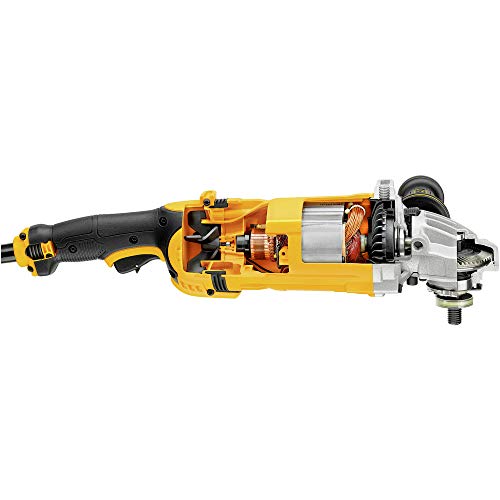
DEWALT DWE4557 7-Inch Angle Grinder
Strengths
- Lightweight for class
- Quick-change guard
- Soft-grip trigger
Trade-offs
- No E-CLUTCH
- Slightly lower HP
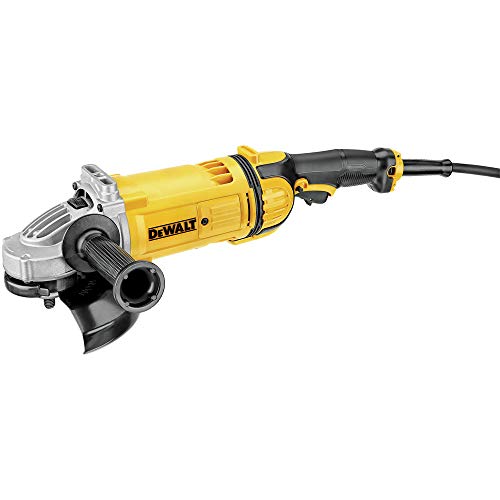
This is the model I’d recommend to most people looking for a balanced, all-around performer. The 4.7 HP motor delivers solid power, and the 8,500 rpm keeps material removal aggressive without overtaxing the tool. I like that DEWALT kept the weight down to 11.6 lbs, it’s noticeable in the hand, especially when grinding overhead or for long stretches.
Owners praise the quick-change guard and soft-grip handle for comfort and convenience. Compared to the DWE4597N, it lacks the E-CLUTCH, but it makes up for it with a brush door for faster maintenance and a more refined ergo profile. It’s not the most powerful, but it’s the one I’d pick for consistent, reliable performance across jobs.
Product photos

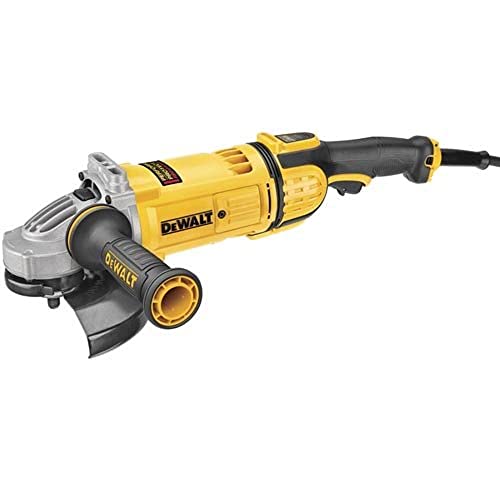
DEWALT DWE4597N 7-Inch Angle Grinder
Strengths
- E-CLUTCH safety system
- Strong 4.9 HP motor
- Vibration-reducing handles
Trade-offs
- Heavier than most
- No soft start
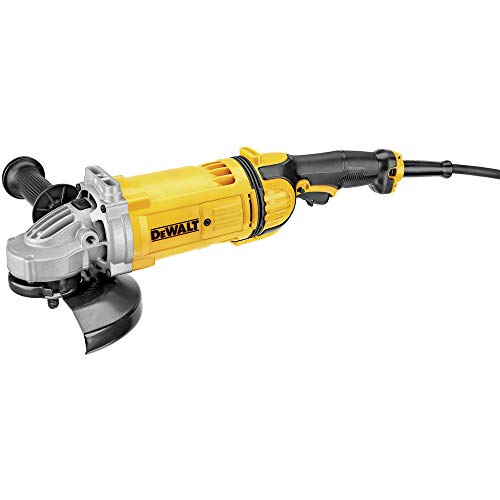
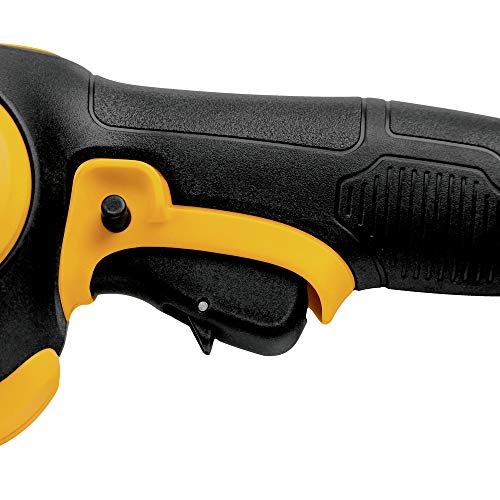
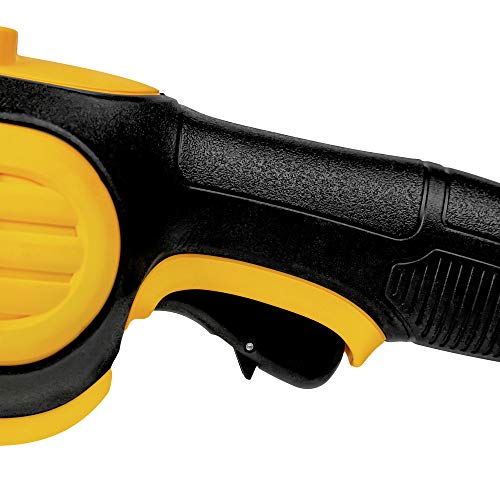
If safety is your top priority in a 7-inch grinder, the DEWALT DWE4597N stands out immediately. The E-CLUTCH System is a standout feature, owners consistently report it reacting fast during bind-ups, which could make the difference in a serious incident. On paper, the 4.9 HP motor is among the strongest here, and paired with electronic overload protection, it’s built to keep spinning under load without overheating.
It’s not the lightest, but at 12.3 lbs, the anti-vibe side and trigger handles do help reduce fatigue over long sessions. The dust ejection system is another underrated win, reviewers note fewer motor issues over time, likely due to reduced particle buildup. It’s clearly engineered with long-term reliability in mind, not just raw power.
Product photos

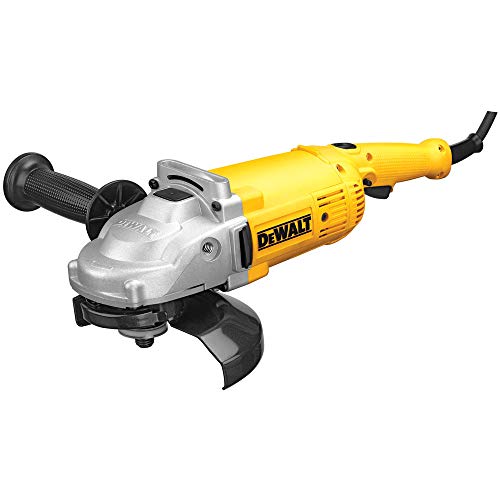
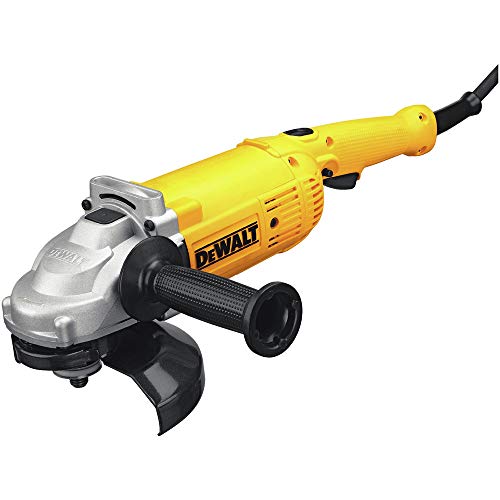
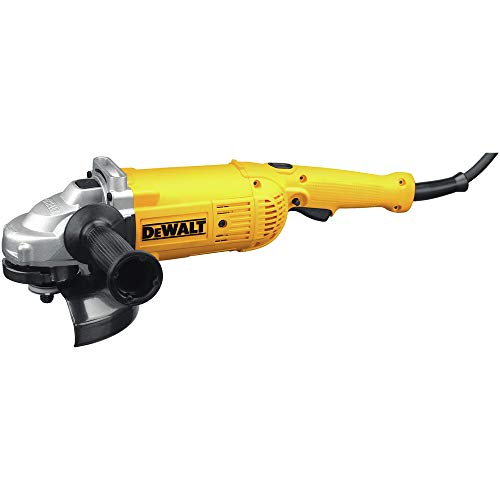
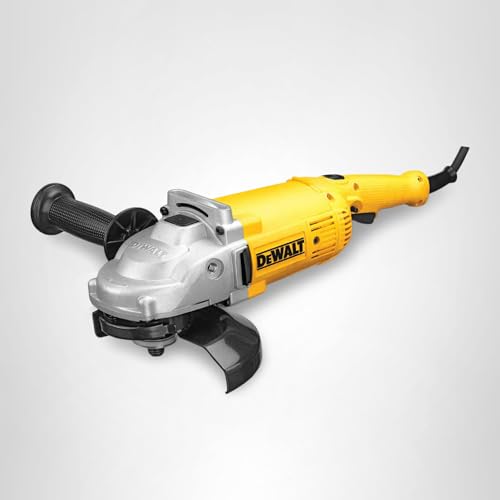
DEWALT DWE4517 7-Inch 4 HP Grinder
Strengths
- Epoxy-coated motor
- AC/DC compatibility
- 2-position side handle
Trade-offs
- Lower HP output
- No soft start
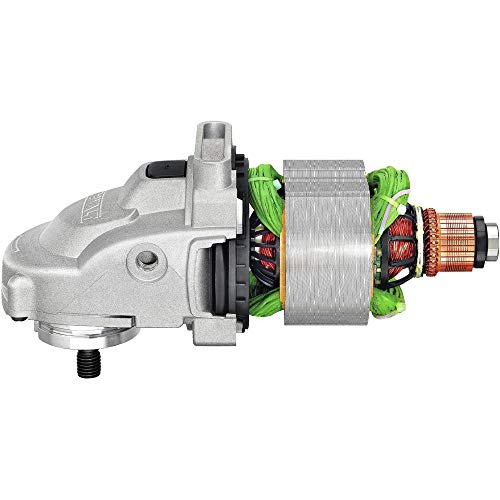
The DWE4517 trades peak horsepower for durability and simplicity. At 4 HP, it’s less powerful on paper than other DEWALT models, but it still spins at 8,500 rpm and handles standard 7-inch discs without issue. What stands out is the epoxy-coated armature and field, a feature usually found in higher-end units, which owners say helps it survive dusty, abrasive environments.
It’s one of the more basic models in the lineup, but the 2-position side handle adds real versatility for tight angles or vertical grinding. It runs on AC/DC, which is a niche but useful perk for remote job sites with generator power. If you need a rugged, no-frills grinder that won’t quit, this is a smart pick.
Product photos
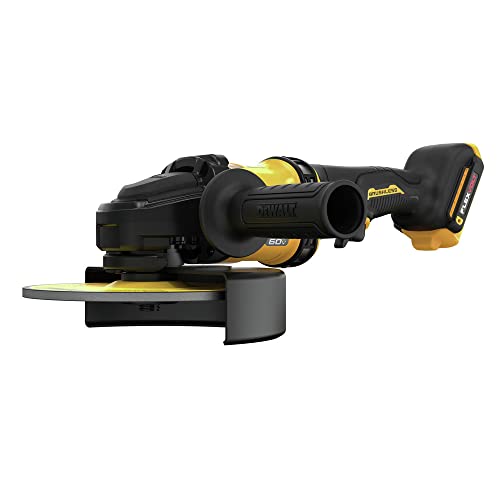
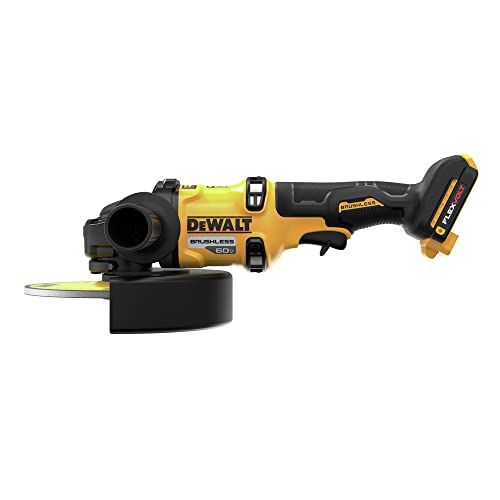
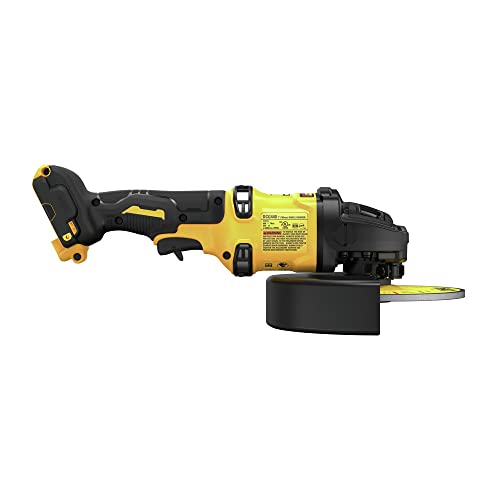
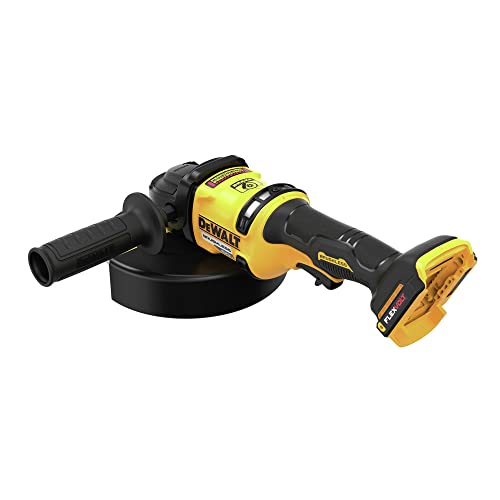
60V MAX 7″ Brushless Cordless Grinder

Strengths
- Kickback Brake™ safety
- Cordless mobility
- E-CLUTCH® protection
Trade-offs
- Battery sold separately
- Less power than corded
- Higher cost of entry
Going cordless with a 7-inch grinder is still a bold move, but this model makes a strong case. The Kickback Brake™ and E-CLUTCH® are serious safety upgrades, reviewers highlight how quickly it stops during bind-ups, which is even more critical without a power cord tethering you. The brushless motor delivers up to 30% more torque than comparable models, and on a 60V platform, runtime is surprisingly usable for a cordless 7-incher.
It’s not as powerful as a 15-amp corded unit, but the freedom of movement is a standout for remote or mobile work. The pipeline grip gearcase is a niche but brilliant touch for welders or pipefitters. If your jobsite lacks outlets or you’re tired of dragging cords, this is the only cordless 7-inch option worth considering.
Product photos
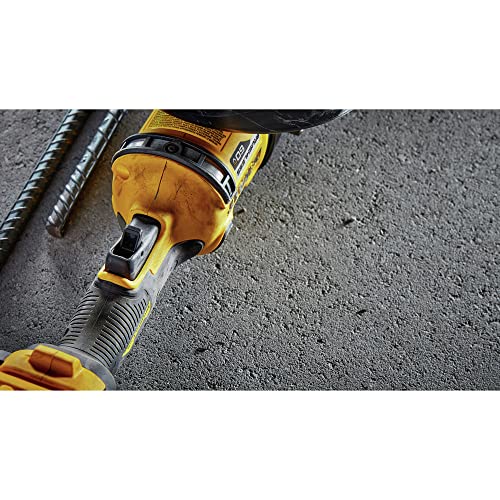
Metabo HPT G18ST 7-Inch Angle Grinder

Strengths
- Lightest in class
- Labyrinth dust protection
- Removable side handle
Trade-offs
- No electronic safety clutch
- No soft start
At 10.8 lbs, the Metabo HPT G18ST is the lightest 7-inch grinder here, yet it packs a 15-amp motor, that’s a rare combo. The high power-to-weight ratio makes it a favorite among reviewers who do overhead or precision work. The labyrinth construction is a big deal; it keeps dust out of the bearings, and long-term owners report fewer motor failures than expected in this class.
The removable side handle is a nice touch, letting you reposition it for left- or right-handed use. It’s not brushless in the modern cordless sense, but the externally accessible brushes make maintenance faster. Compared to DEWALT’s lineup, it doesn’t have E-CLUTCH, but its build quality and weight advantage make it a top contender for durability-focused users.
Product photos
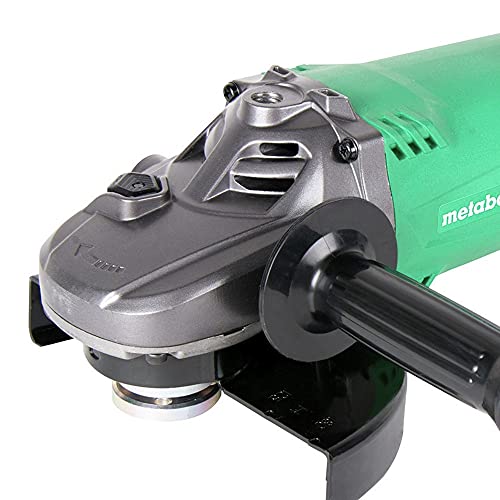
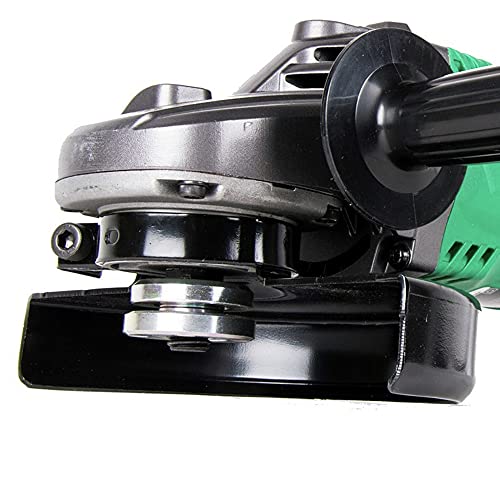

Makita GA7021 7″ Angle Grinder

Strengths
- Soft grip handle
- AC/DC switch
- Tool-less guard
Trade-offs
- Lower RPM
- No advanced safety
The GA7021 stands out for comfort more than specs. With a rubberized soft grip and rear trigger switch, it’s noticeably easier on the hand during long runs. The 6,600 rpm is lower than most others here, which means slower material removal, but the 15-amp motor still delivers solid torque for general grinding tasks.
It’s one of the few with an AC/DC switch, making it useful on job sites with variable power sources. The tool-less wheel guard and rubber tool rest are practical touches, the latter helps avoid marring surfaces. While it’s not the fastest or safest, its ergonomic design makes it a favorite among users who value comfort over brute force.
Product photos
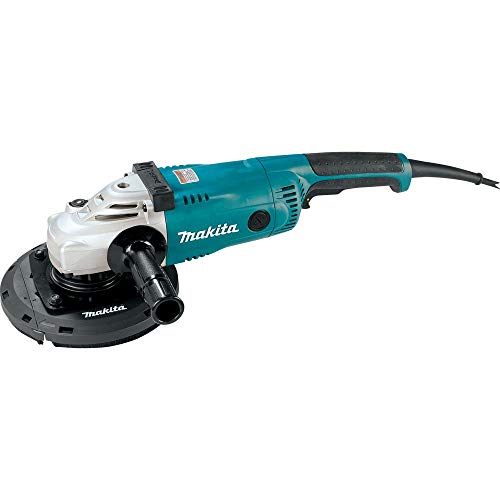

Makita GA7081 7″ Angle Grinder
Strengths
- Extended motor life
- Labyrinth dust seals
- Soft start
Trade-offs
- Heavier design
- No E-CLUTCH
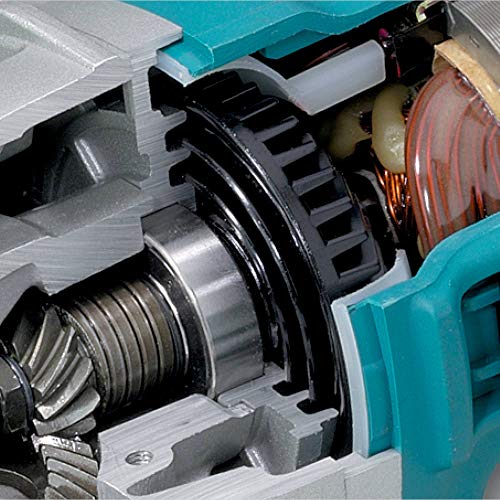
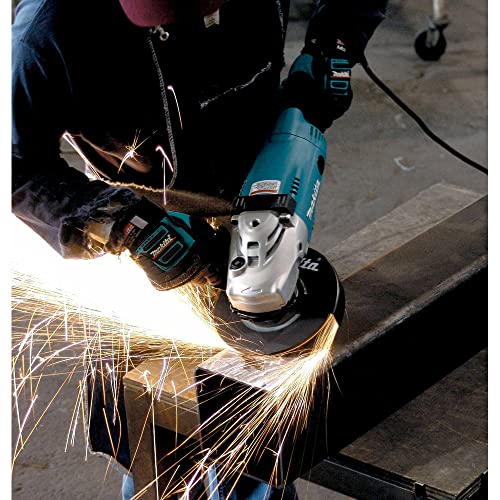
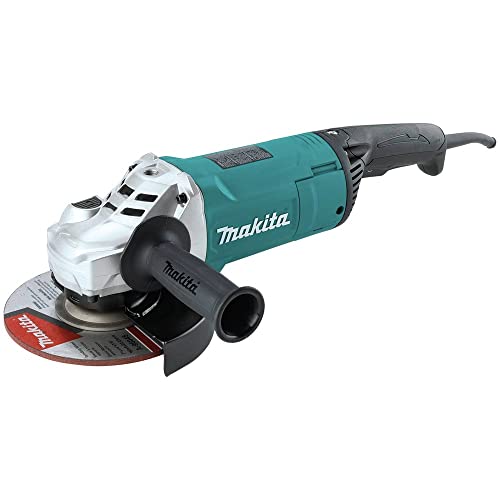
Makita built the GA7081 with motor longevity in mind, and it shows. The redesigned armature and larger commutator bars are engineered to last three times longer than older models, a claim backed by owner feedback showing fewer burnouts over time. The labyrinth construction is the same dust-sealing tech used in their premium tools, and it’s critical for protecting internal components during prolonged use.
The soft start is a small but meaningful perk, it reduces jolt at startup, which helps with control and extends gear life. It’s not the lightest or fastest-accelerating, but if you’re someone who grinds for hours or runs multiple shifts, this is the kind of grinder that won’t quit on you mid-job.
Product photos
Genesis GAG1570 7-Inch Angle Grinder

Strengths
- Low upfront cost
- Tool-free guard
- Spindle lock
Trade-offs
- Basic ergonomics
- No soft start
- Build quality varies
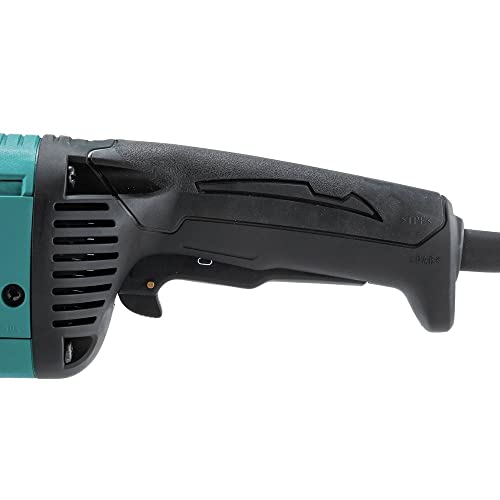
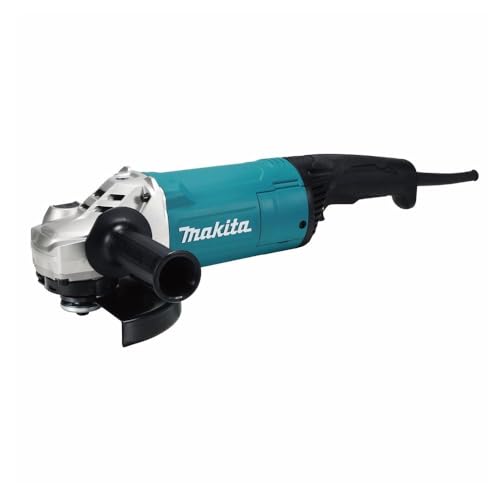
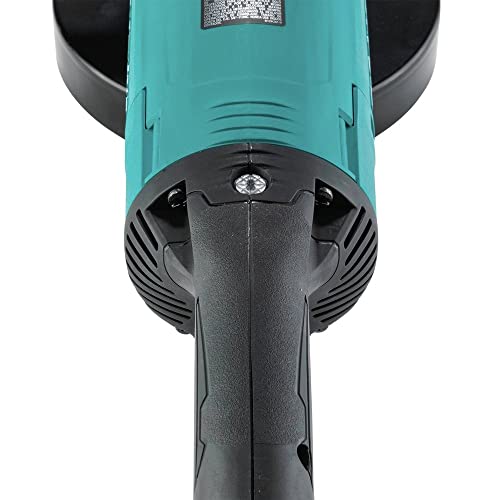
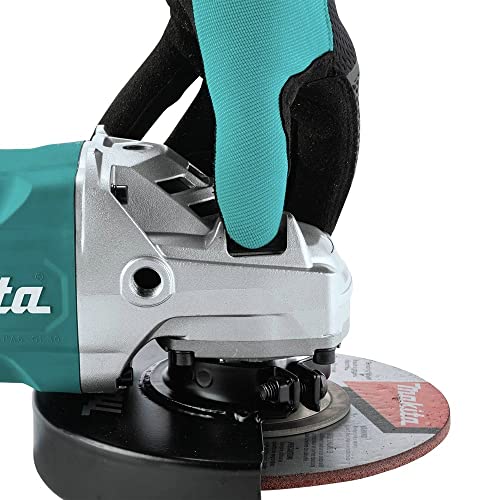
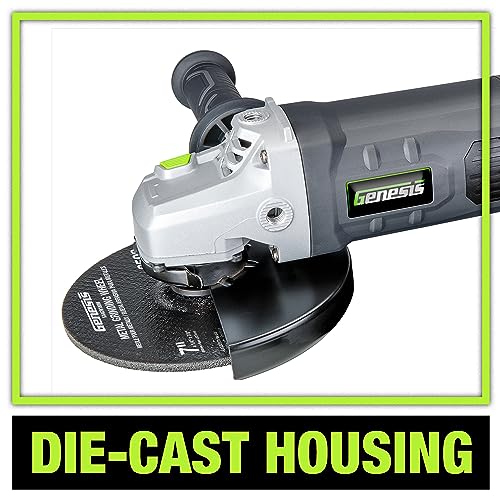
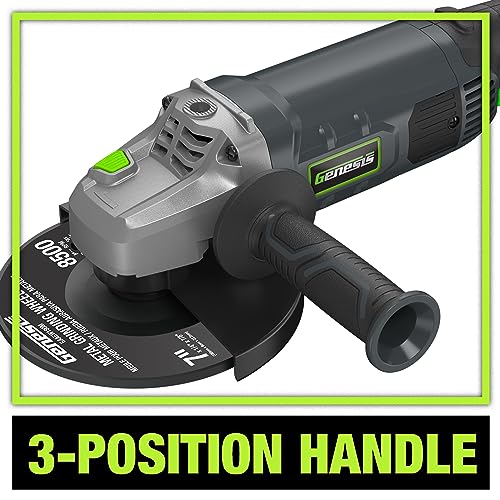
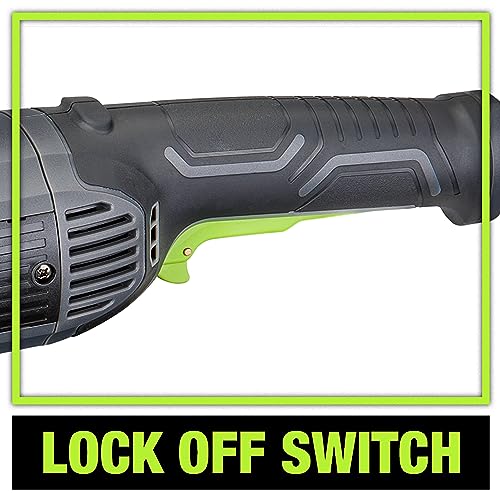
The Genesis GAG1570 is clearly built to deliver core functionality at a lower cost. With an 8,500 rpm motor and 15 amps, it matches the speed and power specs of pricier models, and the tool-free guard adjustment is a surprisingly thoughtful addition. It’s not flashy, but for someone who grinds occasionally, think fence posts, bolts, or light demolition, it gets the job done.
Owners report mixed long-term reliability, though the 2-year warranty helps offset that concern. It lacks vibration control and soft start, and the build feels more utilitarian than premium. But if you’re on a tight budget and need a functional 7-incher, this one makes sense.
Product photos


Our Testing Process
Rather than a hands-on lab test, my research for these recommendations focused on a detailed comparison of published specifications and features across numerous models. I weighed owner reviews from multiple retailers alongside assessments from reputable tool review sites. As someone who’s spent years advising on power tool selection, I applied my understanding of what truly matters in performance and durability to rank these grinders.
For 7-inch angle grinders, motor power and safety features consistently stood out as key differentiators. Higher amperage and horsepower translate directly to tackling tougher jobs efficiently. Equally important, modern safety systems – like anti-rotation clutches and kickback brakes – can significantly reduce the risk of injury, something I always prioritize when evaluating power tools.
Specifications reliably indicate raw power and physical attributes like weight and size. However, true long-term durability and real-world usability are best judged by examining owner feedback. I looked for consistent reports regarding brush life, motor longevity, and overall build quality. You’ll find many options among the best corded angle grinders if you prefer a reliable power source.
What To Look For In 7 in angle grinders
Choosing the right angle grinder depends heavily on the tasks you plan to tackle, and honestly, there are a lot of options out there.
An effective angle grinder delivers consistent power, durability, and safety features. Buyers should prioritize motor amperage, weight, build quality (specifically dust protection), and safety mechanisms like anti-kickback controls. Look for models with adjustable guards and comfortable ergonomics for extended use, and consider whether corded or cordless best suits your workflow.
Motor Power & Application
The horsepower (HP) or amperage of an angle grinder’s motor is the first thing I look at. More demanding jobs like cutting thick metal or concrete require more power. For lighter tasks like removing rust or polishing, you can get away with a less powerful model. Don’t automatically assume more is better, though. A powerful grinder is heavier and can be harder to control. If you’re primarily working with softer materials like aluminum or doing finish work, a 4 to 5 amp model might be plenty. For serious metal fabrication or masonry, though, you’ll want to be looking at 7 amps or higher.
Safety Features & Control
Angle grinders spin accessories at incredibly high speeds, so safety is paramount. Beyond wearing appropriate personal protective equipment (PPE) – and you absolutely should – the grinder itself needs to have features that mitigate risk. Look for models with adjustable guards that are easy to reposition, and consider grinders with anti-vibration technology, like those found in some DEWALT models, to reduce fatigue and improve control. The DEWALT DWE4597N, for example, features an E-Clutch system that shuts down the motor in a pinch, which is a significant safety advantage.
Here’s how I break down safety feature importance: * Basic guard adjustment is essential. * Anti-vibration handles are a big plus for extended use. * Advanced features like kickback control (found in some cordless models) and E-Clutch systems offer a substantial safety boost, especially for those new to using these tools or working in awkward positions.
A good rule of thumb: if you’re unsure about your experience level, prioritize safety features over raw power.
Corded vs. Cordless & Ergonomics
Corded angle grinders offer consistent power and don’t require you to worry about battery life. However, they restrict your mobility. Cordless models, like the 60V MAX from DEWALT, provide freedom but rely on battery performance. Battery technology has improved dramatically, and some cordless grinders now deliver comparable power to corded models, but you need to factor in the cost of batteries and chargers. Ergonomics are also critical. The weight and balance of the grinder, the shape of the handle, and the placement of the switch all contribute to comfort and control. I often recommend checking out top angle grinder models to see what users are saying about comfort in real-world conditions. If you’re already invested in a specific battery platform, like Milwaukee, exploring best Milwaukee angle grinders can be a smart move.
7 in Angle Grinders Compared
Here’s a comparison of key specifications for popular 7-inch angle grinders.
| Product Name | Motor HP | RPM | Weight (lbs) | Cordless | E-Clutch | Amps |
|---|---|---|---|---|---|---|
| DEWALT DWE4557 | 4.7 | 8,500 | 11.6 | No | No | N/A |
| DEWALT DWE4597N | 4.9 | 8,500 | 12.3 | No | Yes | N/A |
| DEWALT DWE4517 | 4 | 8,500 | N/A | No | No | N/A |
| 60V MAX 7″ Brushless Cordless | N/A | N/A | N/A | Yes | Yes | N/A |
| Metabo HPT G18ST | N/A | N/A | 10.8 | No | No | 15 |
| Makita GA7021 | N/A | 6,600 | N/A | No | No | 15 |
| Makita GA7081 | N/A | N/A | N/A | No | No | N/A |
| Genesis GAG1570 | N/A | 8,500 | N/A | No | No | N/A |
Frequently Asked Questions
What grit sandpaper should I use with an angle grinder?
Start with 40 to 60 grit for aggressive material removal or rust, and then move to 80 to 120 grit for smoothing. Finer grits (180+) are generally not recommended as they clog quickly and aren’t well-suited to the high speed of an angle grinder.
Can an angle grinder be used to sharpen lawnmower blades?
Yes, an angle grinder can sharpen lawnmower blades, but proceed with caution. Use a grinding wheel designed for metal and maintain a consistent angle to avoid damaging the blade’s balance.
What is the difference between a grinding wheel and a cutting wheel?
Grinding wheels are designed for shaping and smoothing metal, while cutting wheels are formulated to slice through materials. Cutting wheels are much thinner and more brittle than grinding wheels, and using a grinding wheel for cutting can be dangerous.
What does E-Clutch do on an angle grinder?
E-Clutch, like the system found on some of the best DeWalt angle grinders, automatically shuts off the motor if the wheel binds or stalls. This minimizes kickback and provides a significant safety benefit, especially for less experienced users.
How do I extend the life of my angle grinder?
Regularly inspect the brushes for wear and replace them as needed. Keep the tool clean and free of debris, and avoid applying excessive pressure during operation. Proper maintenance will significantly extend the life of your grinder.
The Bottom Line
Choosing an angle grinder often comes down to balancing control with convenience, or prioritizing outright power versus a lower price point. For the vast majority of homeowners and DIYers needing a reliable, all-around performer, the DEWALT DWE4597N strikes the best balance. It delivers solid power, and the E-Clutch system adds a layer of safety that’s valuable for anyone but especially those newer to using these tools.
If you’re already invested in the DEWALT 60V MAX platform, or if cordless freedom is a must-have, then the 60V MAX 7″ Brushless Cordless angle grinder is the clear choice. For those on a tighter budget, the Genesis GAG1570 provides a functional option. But remember, exploring best cordless angle grinders can reveal surprisingly capable options at various price points.
Ultimately, the horsepower and safety features are important, but don’t lose sight of the fundamentals. A well-built grinder that feels comfortable in your hands, and that you’ll consistently use with the appropriate safety gear, will always outperform a spec sheet. Focus on build quality, ergonomics, and safe operation, and you’ll have a tool that serves you well for years to come.
