
7 Best Chop Saws for Woodworking 2026
This post contains affiliate links. As an Amazon Associate, we earn from qualifying purchases.
The DEWALT 12-Inch Double Bevel Sliding Miter Saw stands out as the best overall chop saw for woodworking, offering unmatched cutting capacity and precision. For those on a tighter budget, the Metabo HPT 10-Inch Single Bevel Miter Saw delivers solid performance without breaking the bank.
Most people don’t realize how quickly a poorly built chop saw can derail a woodworking project. Inaccurate angles, weak motors, and flimsy bases lead to wasted material and endless frustration.
As Robert A. Bennett from PowerToolGuide.net, I’ve spent over 15 years breaking down how tools really perform beyond the specs. This guide cuts through the noise, using detailed spec comparisons and real owner feedback to highlight the models that deliver where it counts, accuracy, durability, and ease of use.
Top 7 Chop Saw For Woodworkings in the Market
The Best Chop Saw For Woodworkings, Reviewed
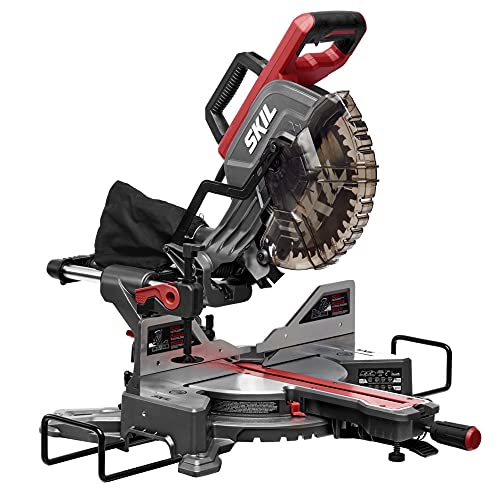
SKIL 10-Inch Dual Bevel Sliding Miter Saw
Strengths
- LED shadow line
- Dual bevel design
- Good cut capacity
Trade-offs
- Build quality average
- Dust collection weak
- Plastic components
The SKIL MS6305 punches above its weight with a 4800 RPM motor, dual bevel capability, and a 2×12 cutting capacity, specs that rival more expensive models. The LED shadow line is a major upgrade over lasers, giving a clear, no-drift cut preview that owners consistently praise for accuracy. Eleven positive miter stops at common angles speed up repetitive cuts, and the dual bevel range (48° left, 45° right) covers nearly every trim scenario.
It’s not as rugged as the DEWALT DWS779, and the dust collection isn’t as efficient, but for the balance of price, features, and performance, it’s hard to beat. I’d pick this over the DOVAMAN or SEESII for a first-time buyer wanting dual bevel and sliding function without overspending. It’s not the most durable, but for home workshops and moderate use, it’s the smarter buy.
Product photos


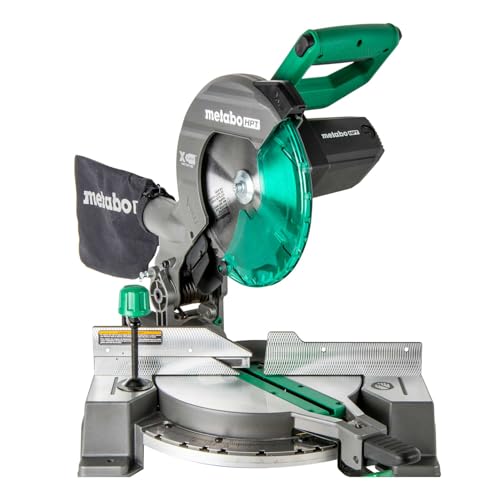
Metabo HPT 10-Inch Single Bevel Miter Saw
Strengths
- Extremely lightweight
- Xact Cut shadow line
- 5-year warranty
Trade-offs
- Single bevel only
- No sliding rail
- Smaller cut capacity
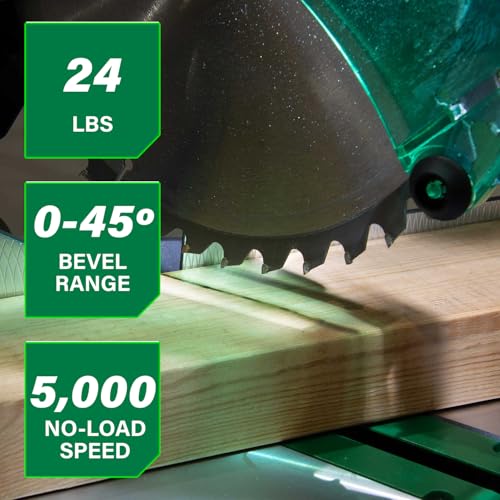
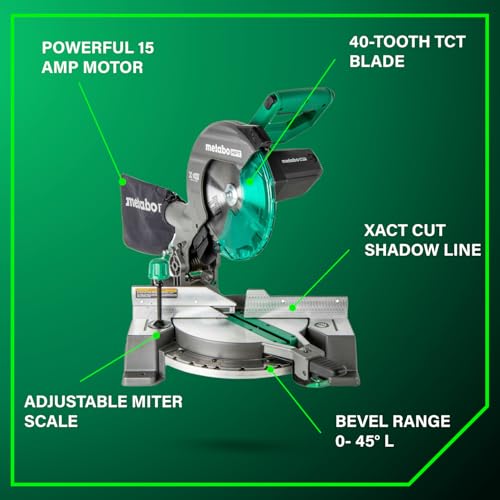
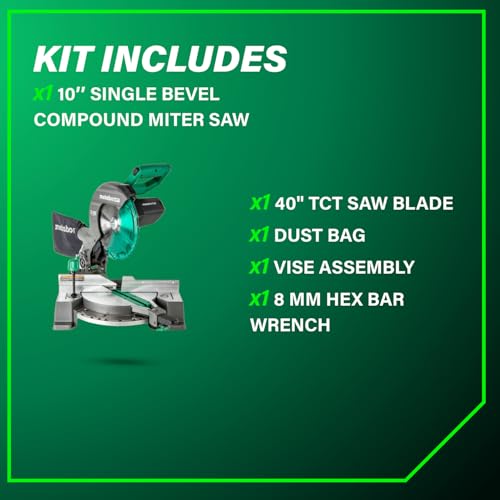
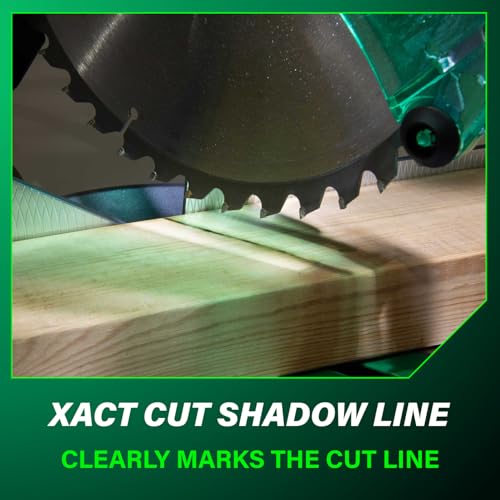
At just 24 pounds, the Metabo HPT C10FCG2 is one of the lightest 10-inch compound miter saws in its class, and that makes it a standout for job-site mobility. The 5000 RPM motor gives it plenty of speed for clean wood cuts, and owners appreciate the Xact Cut shadow line, a feature usually found on pricier models, which improves accuracy over laser guides. It’s not a sliding saw, so crosscut capacity is limited to about 2×6, but for door frames, baseboards, or window trim, that’s often enough.
It’s a single bevel model, so you’ll flip the workpiece for left bevels, which slows things down on complex crown work. But for a weekend warrior hauling tools in a trunk, the compact size and 5-year warranty make it a smart pick. I’d recommend it over the SEESII for anyone wanting brand reliability without the weight.
Product photos

DEWALT 12-Inch Double Bevel Sliding Miter Saw

Strengths
- XPS LED shadow line
- 12-inch crosscut capacity
- Lightweight for size
Trade-offs
- Base less rigid
- No included battery
- Slightly lower durability
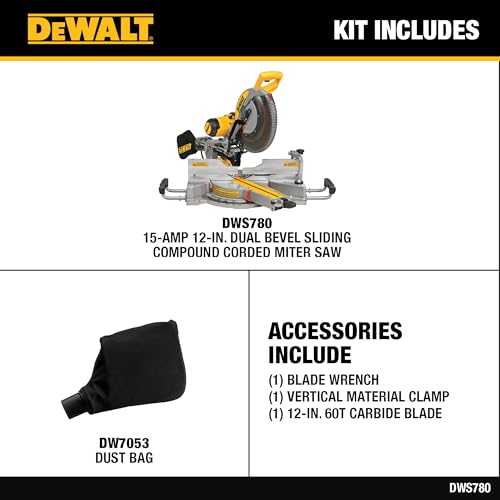
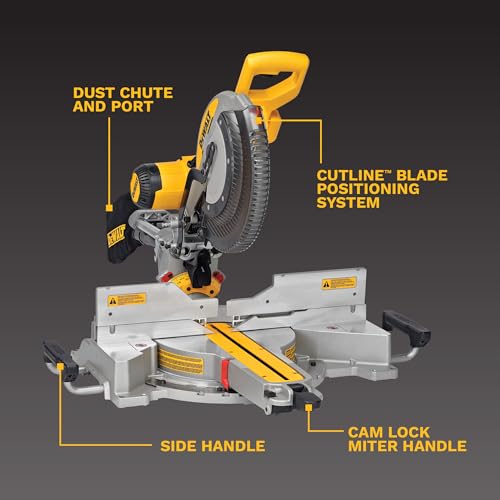
The DWS780 is DEWALT’s value answer to the DWS779, nearly identical in function but with the XPS LED shadow light instead of a basic laser. That shadow line is a standout for accuracy, projecting a blade-width shadow that doesn’t require adjustment. The 2×14 crosscut capacity and tall sliding fences make it ideal for trim work, and the dust collection system performs well in real-world use. At 58 pounds, it’s lighter than many 12-inch saws, which helps on the job site.
It uses the same 15A motor and dual rail system as the 779, but some owners note the base feels slightly less rigid. Still, for the price, it delivers pro-level features. I’d recommend the DWS780 over the SKIL or Metabo HPT if you want the largest capacity with better visibility, it’s the better value for someone stepping up from a 10-inch saw.
Product photos

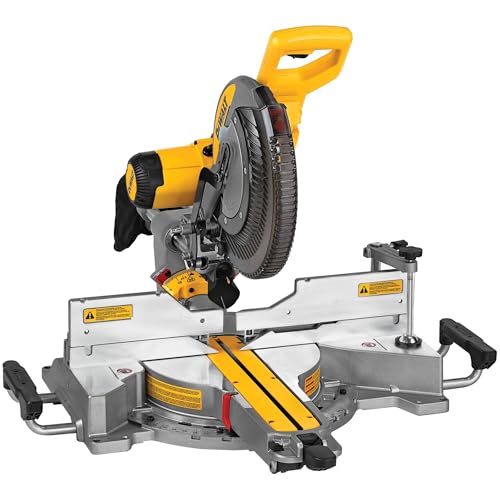
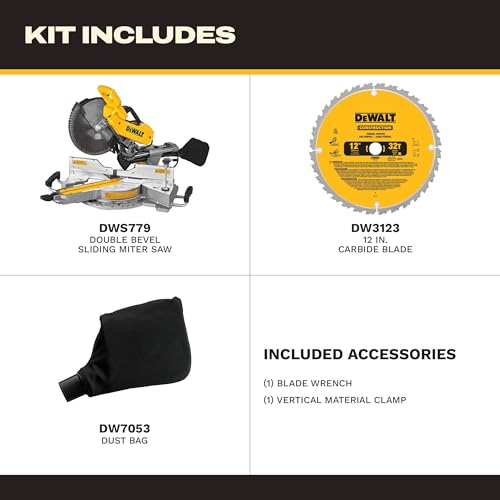
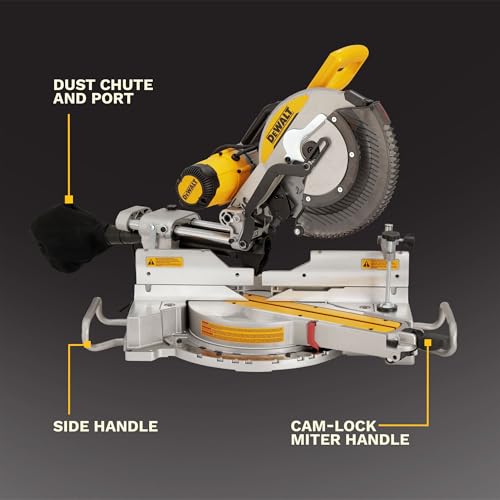
DEWALT 12-Inch Double Bevel Sliding Miter Saw DWS779
Strengths
- Large 2×14 cut capacity
- Excellent dust capture
- Smooth dual rail system
Trade-offs
- No shadow line
- Heavier than average
- Higher price point
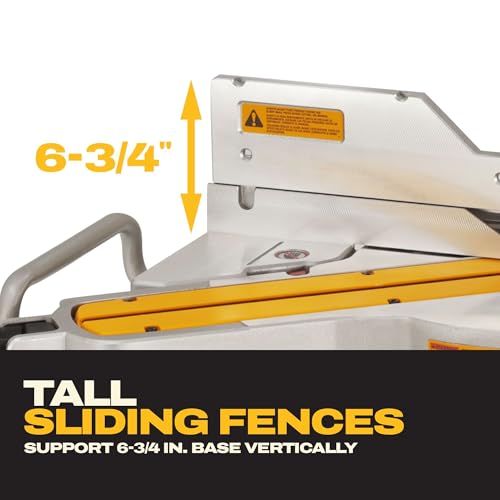
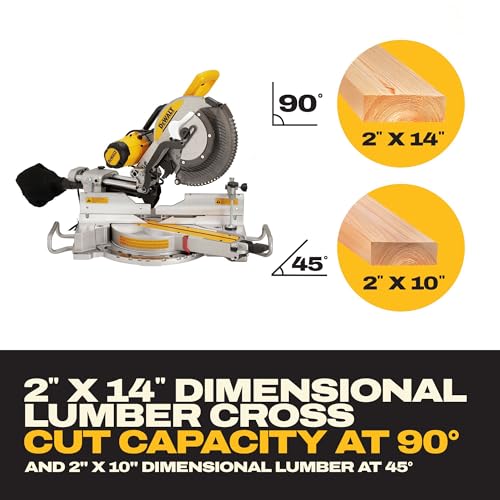
The DEWALT DWS779 is a workhorse built for contractors and serious woodworkers who need wide crosscuts without sacrificing durability. Its ability to cut 2×14 at 90° is a real differentiator, and the tall sliding fences are a godsend when handling crown or base molding. The 15A motor at 3800 RPM delivers smooth power, and the dust collection system, capturing over 75% of debris, is one of the best in class. Reviewers note it’s heavier than some, but that mass contributes to stability.
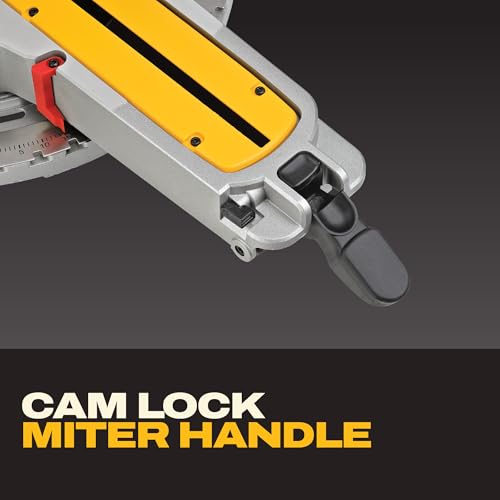
Compared to the DWS780, this model skips the XPS shadow light but gains slightly in build confidence and long-term reliability. The dual steel rails and ball bearings deliver smooth travel, and the cam lock miter handle makes repeat angle changes fast. If you’re framing or building trim packages, this is a go-to. I’d pick it over the SKIL or Metabo HPT for any job where cut capacity and repeat accuracy matter.
Product photos
DOVAMAN 10-Inch Sliding Miter Saw with Laser

Strengths
- Dual-speed motor
- Ambidextrous design
- Includes 3 blades
Trade-offs
- Rail flex reported
- Laser less precise
- No dust port detail
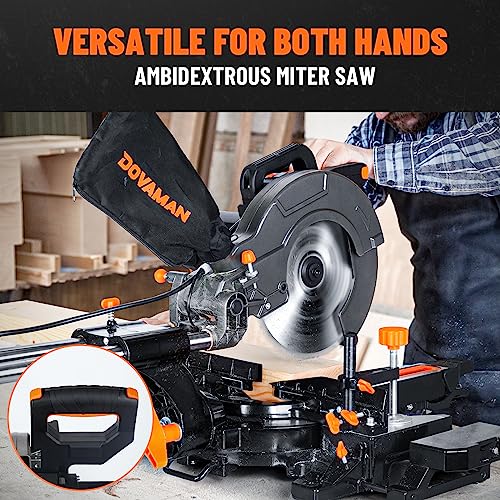
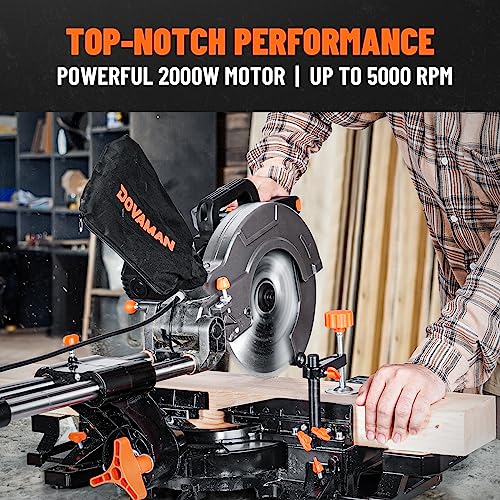
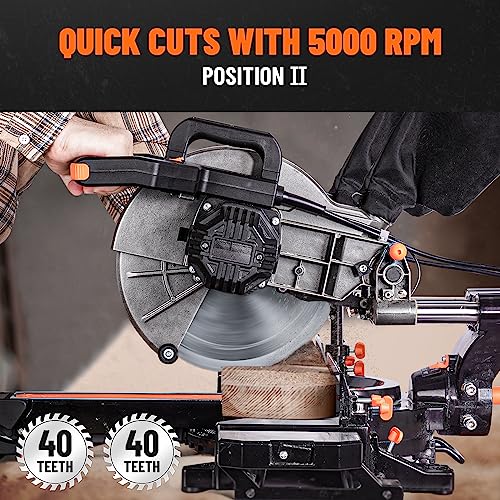
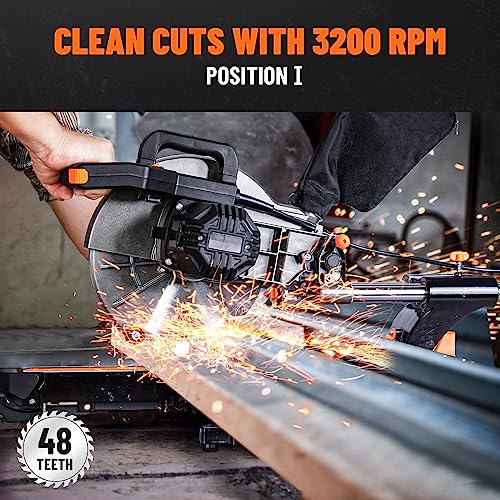
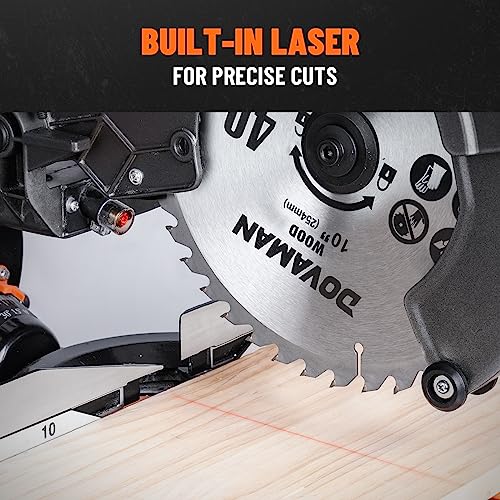
On paper, the DOVAMAN 10-inch sliding miter saw tries to stand out with its dual-speed motor and inclusion of three TCT blades, a thoughtful touch for someone cutting not just wood but PVC or soft metals. The 5000/3200 RPM settings give it flexibility, and owners consistently report clean cuts across material types, especially when paired with the right blade. The laser guide is a nice add for beginners, though seasoned woodworkers know lasers can drift and aren’t as reliable as shadow lines.
Where it gains points is in the ambidextrous design, rare at this level, making it genuinely usable for left-handed operators without compromise. That said, while the extended sliding rail promises up to 4×13-inch capacity, real-world feedback suggests some flex in the rails during aggressive cuts, which hurts repeat accuracy. It’s a solid mid-tier option, but not one I’d trust for high-precision cabinetry.
Product photos
DEWALT 20V MAX XR 10-Inch Cordless Miter Saw
Strengths
- Cordless convenience
- Exceptional dust capture
- High cut count per charge
Trade-offs
- Battery sold separately
- Lower power under load
- Not for heavy framing
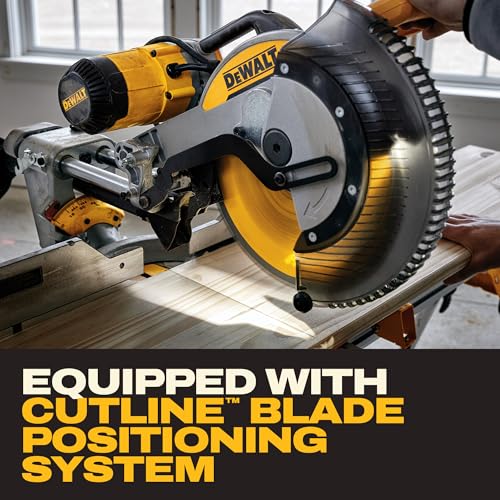
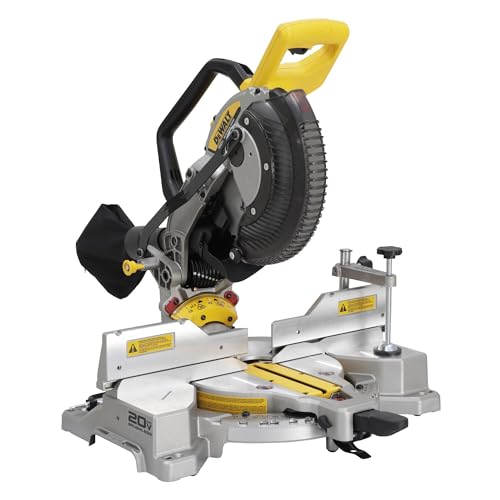
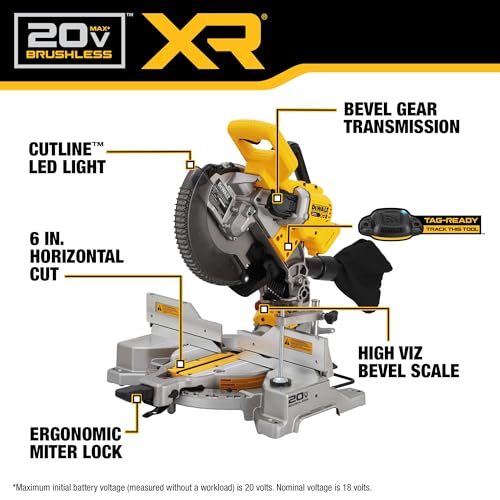
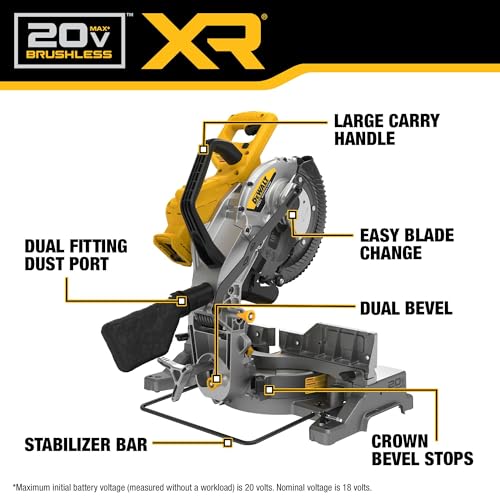
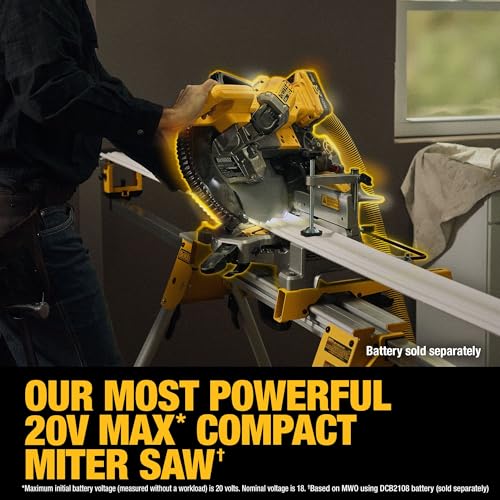
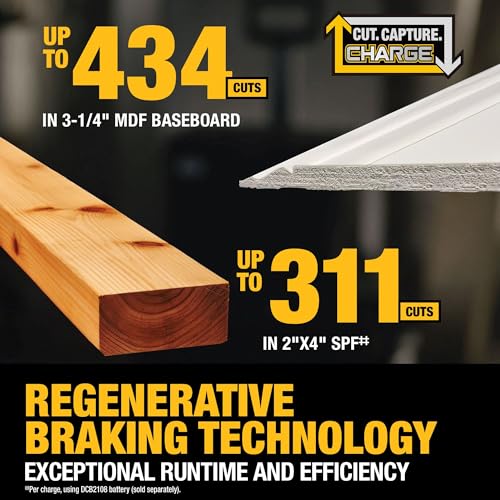
The DEWALT DCS714B flips the script by going cordless, a bold move in a category dominated by plug-ins. Running on 20V MAX or FLEXVOLT batteries, it’s designed for job sites where outlets are scarce. Owners report it handles 3-1/4” base molding with ease, making 400+ cuts on a single charge, which is impressive. The 97% dust capture rate is best-in-class, and the cutline blade positioning system delivers consistent accuracy without calibration.
But there’s a trade-off: runtime drops fast when cutting dense hardwoods or thick stock. And while the 34-pound weight is manageable, you’re paying a premium for battery-powered convenience. It’s not a replacement for a 12-inch sliding saw, but for finish work on a new build where power isn’t accessible, it’s unmatched. I’d take this over the SKIL or SEESII for off-grid precision work.
Product photos

SEESII 8-Inch Compact Miter Saw
Strengths
- Very compact
- Includes useful accessories
- Low cost
Trade-offs
- 8-inch blade limits cuts
- Laser less accurate
- Not for heavy use
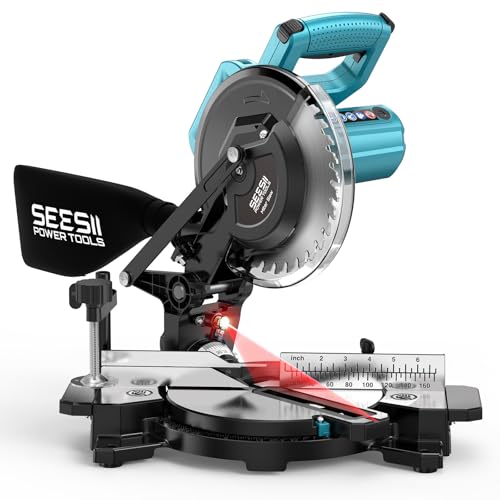
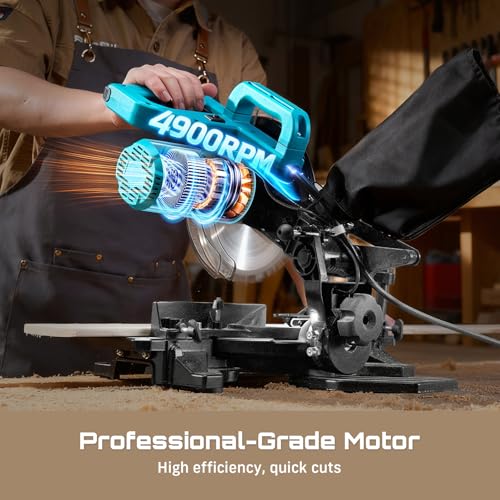
The SEESII 8-inch miter saw is clearly aimed at beginners and light-duty users. At 4900 RPM, it has decent speed, and the laser guide helps keep cuts aligned, though lasers are inherently less accurate than shadow lines. The compact size and lightweight design make it easy to store in a garage or carry to a small job, and the included accessories like clamps and extension tables add value for the price.
But the 8-inch blade limits cut capacity dramatically, maxing out around 2×6 at best. It’s not a sliding saw, and the single bevel design means flipping workpieces often. Owners report it works fine for picture frames or light trim, but struggles with hardwoods or thick stock. I’d only recommend this over the Metabo HPT or SKIL if space and budget are extremely tight.
Product photos
How We Evaluated chop saw for woodworkings
As someone who’s spent years around power tools and helped countless people choose the right equipment, I know a chop saw is a critical piece of kit for anyone doing woodworking. Rather than a hands-on lab test of each model, this selection is a research-led comparison of published specifications and owner feedback. I focused on detailed feature comparisons, weighing owner reviews from multiple sources, and applying my understanding of what truly matters in a chop saw’s performance.
For chop saws, cutting capacity and accuracy are paramount. I prioritized models offering a good balance of these, alongside build quality and the types of materials they can handle. A powerful motor is essential, but it must be paired with a stable base and precise miter/bevel adjustments to deliver reliable results. Portability and dust collection were also considered, as they impact usability on different jobsites.
Specifications reliably indicate motor power, blade size, and maximum cutting dimensions. However, things like long-term durability, smoothness of operation, and the accuracy of angle adjustments are best gleaned from owner reviews and reputable expert opinions. I carefully analyzed feedback regarding common issues, ease of use, and overall satisfaction, looking for patterns that indicated a saw’s real-world performance. Understanding chop saw functionality is also key to knowing what features matter most for your needs.
Choosing The Right chop saw for woodworkings
Picking the right chop saw isn’t just about horsepower; it’s about matching the tool to the work you actually do.
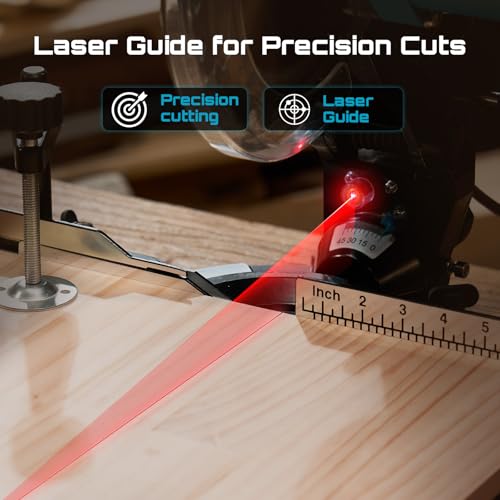
A good chop saw balances power with precision. Key features include a robust motor (at least 15 amps for consistent performance), a stable base to minimize vibration, and accurate angle adjustments with clear markings. Look for features like laser guides or LED shadows for enhanced cutline visibility, and consider the cutting capacity relative to the materials you’ll be working with most often.
Motor Power and Duty Cycle
Don’t automatically assume more watts equal better. While a powerful motor is essential, especially if you plan on tackling hardwoods or thicker stock, it’s the consistent power delivery that matters. Many cheaper saws advertise high amperage but struggle to maintain speed under load. I’ve seen too many projects stalled by a motor that overheats quickly. Consider the duty cycle – how long you can continuously run the saw before needing a break. If you’re a professional or anticipate extended use, a brushless motor can be a significant benefit, offering longer life and reduced maintenance.
Bevel and Miter Capabilities
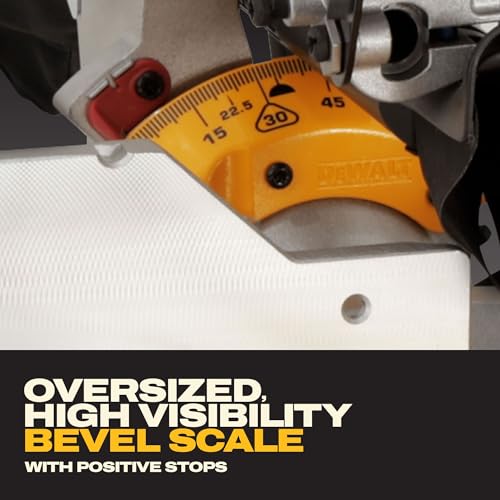
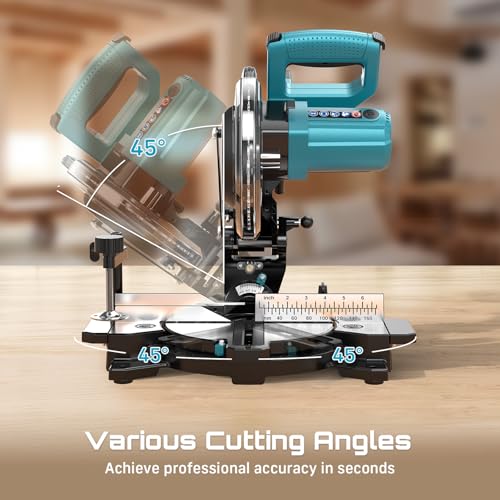
The range of miter and bevel adjustments dictates the types of cuts you can make. A single bevel saw is fine for basic trim work, but a dual bevel saw opens up a world of possibilities, especially when dealing with crown molding or complex angles. When evaluating these features, pay attention to how easy it is to adjust and lock the angles. A clear, positive-locking system is crucial for accuracy. A good miter saw overview will help you understand the difference between these cuts and how they’re used.
Portability and Value
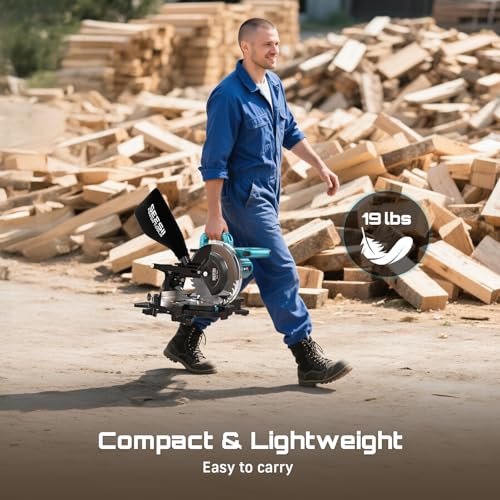
For a shop-bound saw, weight isn’t a huge concern. But if you’re frequently moving the saw around a job site, or you have limited storage space, portability becomes a key factor. Lightweight models, like the Metabo HPT, offer convenience, but often at a trade-off in terms of sheer cutting power.
Here’s what I look for when balancing portability and value: * Weight: Under 30 lbs is ideal for easy transport. * Price: Don’t overspend on features you won’t use. A solid, reliable saw doesn’t need to be the most expensive. * Included Accessories: A dust bag and a decent blade are a good starting point, saving you additional costs down the road.
Don’t buy a saw based on its maximum cutting capacity alone. Focus on the capacity you actually need for your typical projects. A larger saw is often heavier and less maneuverable.
I often recommend folks also check out guides to the best chop saw for wood to get a sense of what’s available in their price range. Ultimately, the best chop saw is the one that fits your specific needs and budget.
Chop Saw for Woodworkings Compared
Here’s a comparison of key specifications for various chop saws designed for woodworking applications.
| Product Name | Motor (Amps) | Blade Size (in) | Bevel (Left/Right) | Sliding Rails | Laser Guide | Cordless |
|---|---|---|---|---|---|---|
| SKIL 10-Inch Dual Bevel Sliding Miter Saw | 15 | 10 | 48/45 | Yes | No | No |
| Metabo HPT 10-Inch Single Bevel Miter Saw | 15 | 10 | 0-52 / 0-45 | No | No | No |
| DEWALT 12-Inch Double Bevel Sliding Miter Saw | 15 | 12 | 60/50 | Yes | Yes | No |
| DEWALT 12-Inch Double Bevel Sliding Miter Saw DWS779 | 15 | 12 | 49/49 | Yes | No | No |
| DOVAMAN 10-Inch Sliding Miter Saw with Laser | 15 | 10 | N/A | Yes | Yes | No |
| DEWALT 20V MAX XR 10-Inch Cordless Miter Saw | N/A | 10 | N/A | No | No | Yes |
| SEESII 8-Inch Compact Miter Saw | N/A | 8 | N/A | No | Yes | No |
Frequently Asked Questions
What blade arbor size should I look for when replacing a chop saw blade?
Most standard chop saws use a 5/8-inch arbor size, but some, particularly older or smaller models, may use a 1/2-inch arbor. Always check your saw’s manual or the existing blade’s arbor size before purchasing a replacement to guarantee a proper fit.
Is a sliding chop saw really necessary for most woodworking projects?
While not essential, a sliding chop saw significantly expands your cutting capacity and versatility. It allows for wider boards to be cut and more complex angled cuts, making it a worthwhile investment if you regularly work with larger materials or intricate designs.
How much dust can I expect from a chop saw, and what are my options for dust collection?
Chop saws generate a considerable amount of dust, so effective dust collection is important. Many models come with a dust bag, but these are often insufficient. Connecting the saw to a shop vacuum with a dust port is a much more effective solution, and some saws are compatible with dedicated dust collection systems.
What’s the difference between a single bevel and a dual bevel chop saw, and which should I choose?
A single bevel saw can only bevel in one direction, limiting the types of angled cuts you can make. A dual bevel saw bevels in both directions, offering much greater flexibility, particularly for crown molding. If you do much crown molding or complex angled work, a dual bevel saw is a better choice.
Where can I find more information on specific chop saw brands like DeWalt?
You can find detailed reviews and comparisons of DeWalt chop saw models on my site, PowerToolGuide.net. These resources cover everything from features and performance to price and user feedback to help you make an informed decision.
The Bottom Line
Ultimately, choosing a chop saw comes down to how much precision you demand versus how much you’re willing to spend. For most woodworking tasks, the DEWALT 12-Inch Double Bevel Sliding Miter Saw strikes an excellent balance; it offers the power and adjustability serious woodworkers need, along with features like a laser guide for accurate cuts. It’s a significant investment, but one that will pay off in the quality and efficiency of your projects.
If you’re on a tighter budget, or you’re primarily tackling smaller projects, the Metabo HPT 10-Inch Single Bevel Miter Saw is a solid performer. For those who value portability above all else, the DEWALT 20V MAX XR 10-Inch Cordless Miter Saw provides freedom from cords without sacrificing too much power, though you’ll need to factor in battery and charger costs. Understanding chop saw cutting techniques is a great first step to getting the most out of any saw.
Don’t get too caught up in chasing the highest amperage or the biggest blade. A stable base, accurate adjustments, and a well-maintained blade are far more important than raw power. Focus on building a solid foundation of technique – learning proper safety procedures and mastering accurate measurement – and you’ll get far better results from any saw, regardless of its price tag.
