7 Best Pin Nailers of 2026
This post contains affiliate links. As an Amazon Associate, we earn from qualifying purchases.
The Makita AF353 stands out as the overall best pin nailer for its durability, smooth operation, and reliable performance across countless trim jobs. For those on a budget, the KEENTECH Pneumatic Pin Nailer 23 Gauge delivers solid results without the need for a compressor. If you value portability and hate cords, the DEWALT ATOMIC Cordless Pin Nailer Kit is the most versatile pick, giving you freedom of movement without sacrificing power.
Choosing the wrong pin nailer can turn a simple trim job into a frustrating mess of misfires, visible holes, or constant jams. After 15 years of working with power tools and helping DIYers avoid costly mistakes, I’ve learned that the best tool isn’t always the flashiest, it’s the one that performs consistently where it counts.
This guide cuts through the noise by focusing on real-world feedback, build quality, and practical features. I compared specs and owner reviews to find models that actually hold up on the job, whether you’re installing crown molding or assembling delicate cabinetry.
Top 7 Pin Nailers in the Market
The Best Pin Nailers, Reviewed
Metabo HPT Pro Pin Nailer Kit

Strengths
- 2″ pin compatibility
- Depth adjustment
- Dry-fire lockout
- Durable aluminum magazine
Trade-offs
- Heavier than some
- No built-in air duster
If you’re after the most trusted name in pro-grade pinners, this Metabo HPT NP50A is hard to ignore. It’s been rated Pro-Preferred for over a decade, and that reputation holds up in owner feedback: users praise its depth adjustability, durability, and smooth firing action. It drives 23-gauge pins from 1/2″ to 2″, which gives it more range than most competitors, this is critical when you’re switching between thin moldings and thicker paneling on the same job.
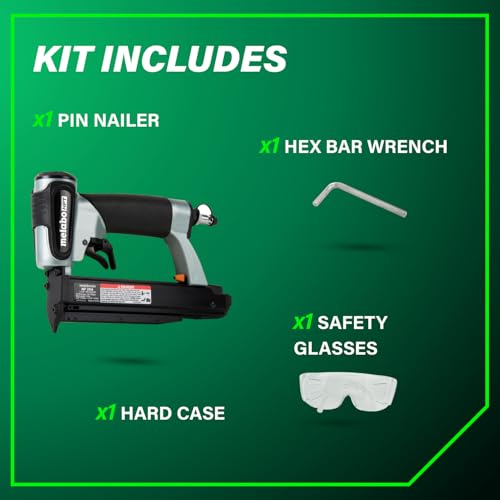
The aluminum magazine resists jams, and the dry-fire lockout is a smart feature that protects both the tool and your workpiece. While it’s not the lightest at 2.2 lbs, it’s balanced well. I’d choose this over the Makita AF353 or Arrow PT23G if I were a contractor doing full trim-outs regularly. The included accessories like safety glasses, no-mar tips, and oil add real value right out of the box.
Product photos


Metabo HPT Pin Nailer NP35A

Strengths
- Ultra-lightweight
- No-mar tip
- Rear exhaust
- 5-year warranty
Trade-offs
- Max 1-3/8″ pin length
- No air duster
- Smaller magazine than AF353
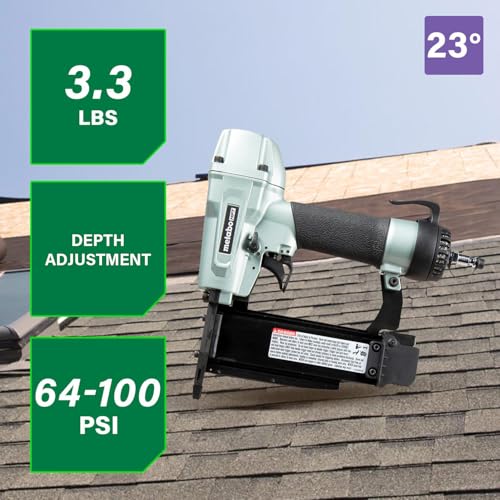
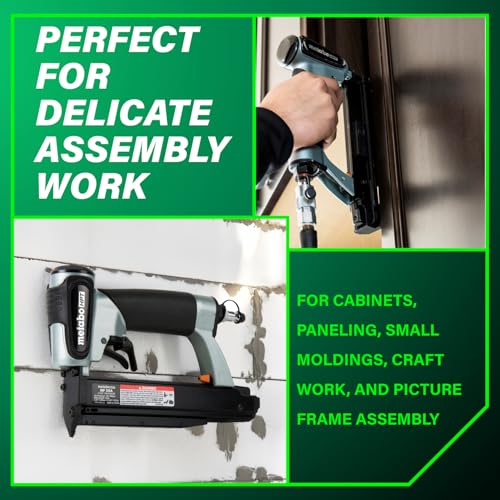
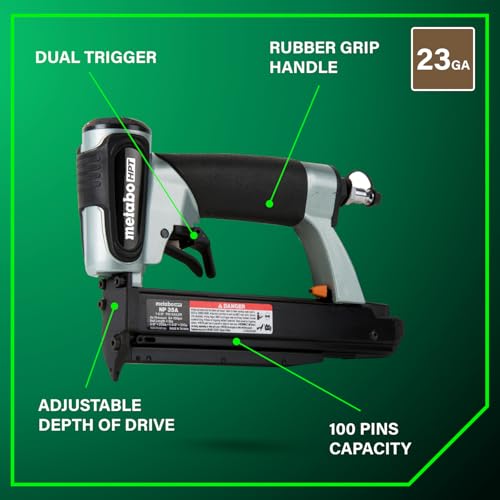
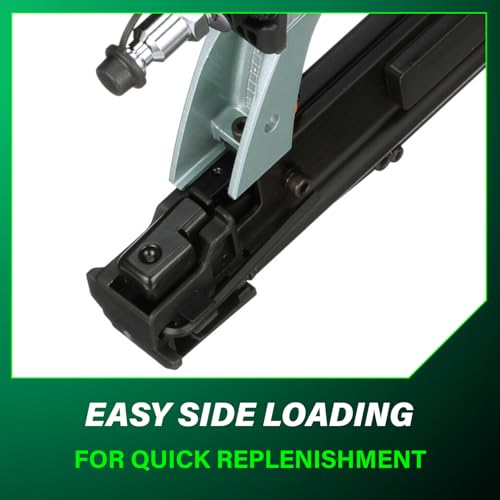
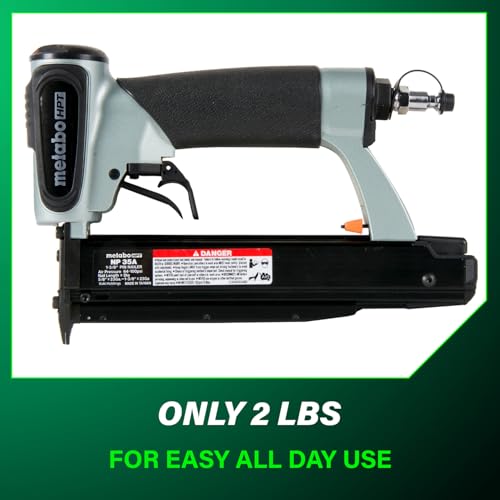
At just 2.0 lbs, the Metabo HPT NP35A is one of the lightest 23-gauge pinners available, and that makes a real difference during overhead or extended work. Owners praise its comfort and balance, calling it a favorite for all-day trim jobs. It handles 5/8″ to 1-3/8″ pins with automatic adjustment, so you’re not fiddling with settings when switching sizes. The rear exhaust keeps oil mist off your work, a small detail that matters on clean finishes.
It lacks the 2″ reach of the NP50A, but for cabinet installers and finish crews focused on light to medium trim, that’s rarely an issue. The 5-year warranty is a strong vote of confidence. I’d pick this over the Makita AF353 if weight is your top concern and you’re doing detailed work where fatigue adds up.
Product photos
DEWALT ATOMIC Cordless Pin Nailer Kit

Strengths
- 2,000 shots per charge
- Tool-free jam release
- LED low-nail indicator
Trade-offs
- Heavier than pneumatic options
- Battery adds cost
- No 2″ pin support
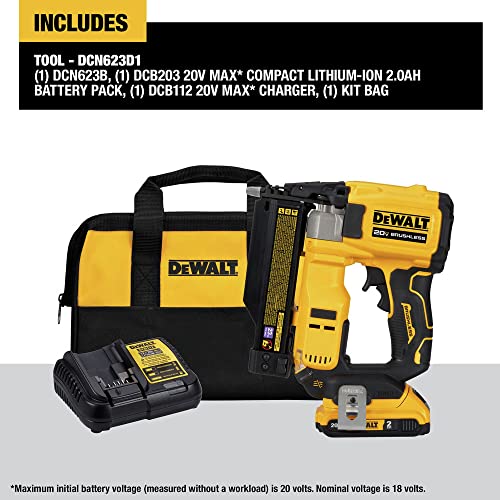
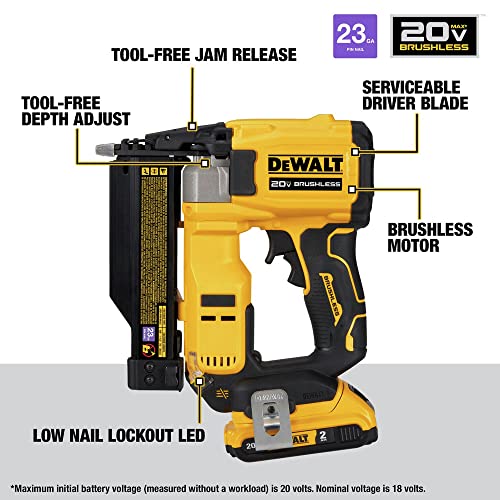
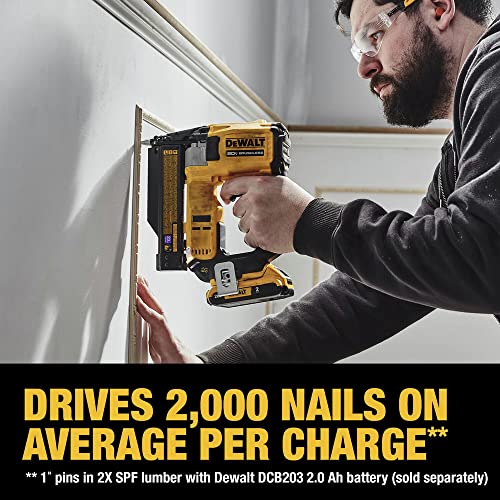
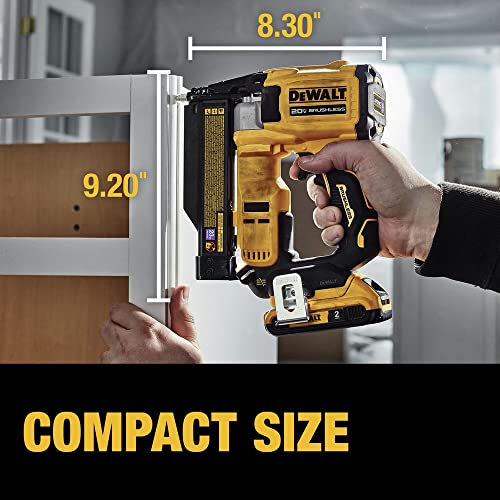
DEWALT’s DCN623D1 is the most practical cordless pin nailer here if you value runtime and ease of use. With an average of 2,000 shots per charge, it outlasts the Makita XTP02Z by a wide margin, owners confirm it handles full-day jobs without swapping batteries. The LED low-nail indicator is a small but smart addition, letting you reload before dry-firing. The tool-free jam release and depth adjust make it user-friendly, especially for newer carpenters.
It drives pins up to 1-1/2″, giving it more reach than the Makita cordless model. While it’s slightly heavier, the balance is good. I’d choose this as the smarter buy over the Makita XTP02Z for remodelers or finishers who move between sites and hate being tethered to a compressor. It’s the most complete cordless package available.
Product photos

Makita XTP02Z Cordless Pin Nailer

Strengths
- Tool-less depth adjustment
- Low recoil firing
- Cordless convenience
Trade-offs
- Shorter pin range
- Battery sold separately
- Lower shot count than DEWALT
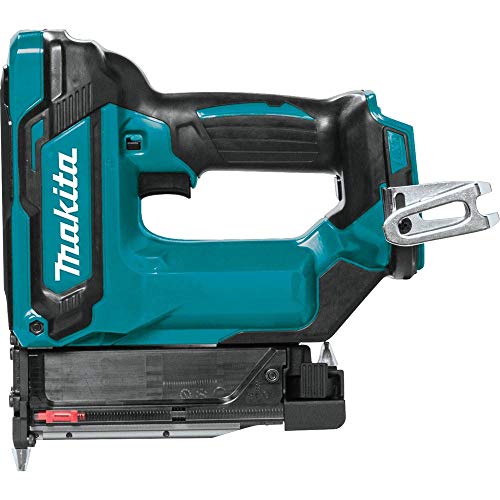
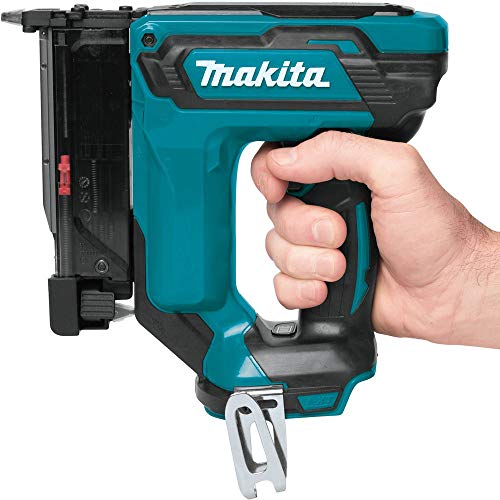
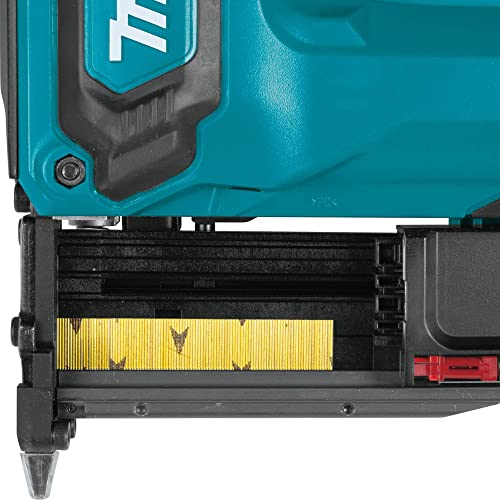
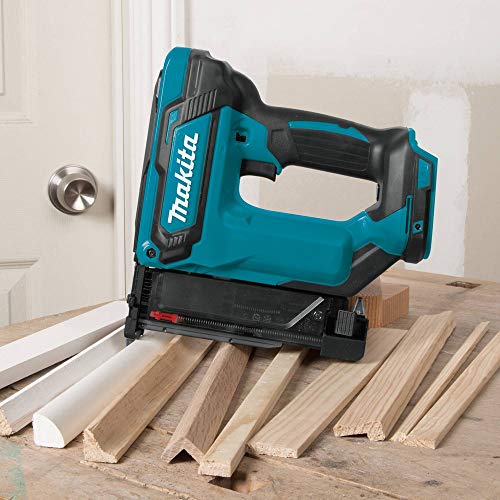
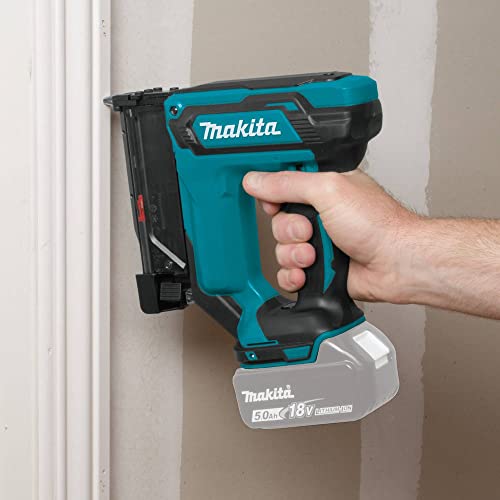
The Makita XTP02Z is one of the few cordless pinners that feels like a serious upgrade from pneumatic models, not a compromise. Its refined firing mechanism reduces recoil, which owners say improves control on delicate work. The tool-less depth adjustment is a standout, it lets you switch between flush and countersunk finishes fast, a feature most cordless models still lack. It drives 23-gauge pins from 5/8″ to 1-3/8″, making it ideal for trim, cabinetry, and furniture.
While DEWALT’s DCN623D1 offers more shots per charge, the Makita wins on precision. The anti-dry fire mechanism works well, and the 120-nail capacity is competitive. I’d pick this over the DEWALT if you’re doing high-end finish work where depth control matters more than raw runtime. It’s a premium cordless option that justifies its place in a pro’s kit.
Product photos
KEENTECH Pneumatic Pin Nailer 23 Gauge

Strengths
- Lightweight design
- High nail count included
- Low reported jam rate
Trade-offs
- No depth adjustment
- Fixed air inlet
- Not suited for long 2″ pins
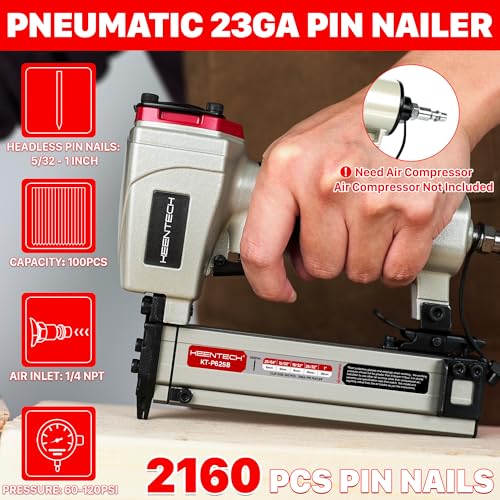
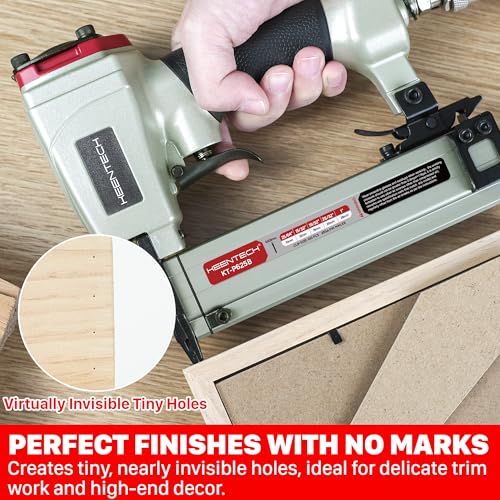
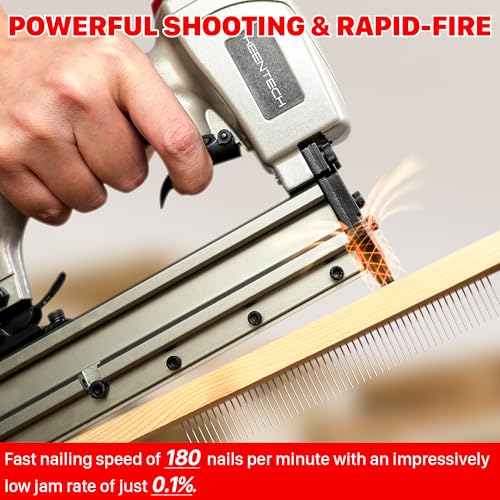
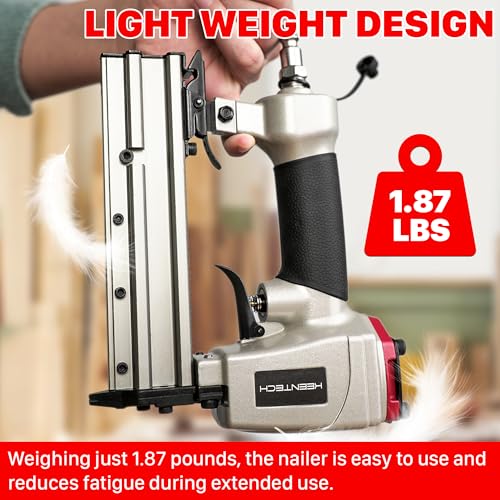
This KEENTECH 23 gauge pin nailer makes a strong case for budget-conscious buyers who still want pro-level features. On paper, the specs are solid: a 0.1% jam rate is impressive for this price tier, and the 1.87-pound weight keeps fatigue low during long sessions. Owners consistently report smooth operation and reliable performance, especially when used with the included 2,160 nails in three common sizes. The slim nose design helps land fasteners precisely in tight spots, which matters when working on cabinets or trim.
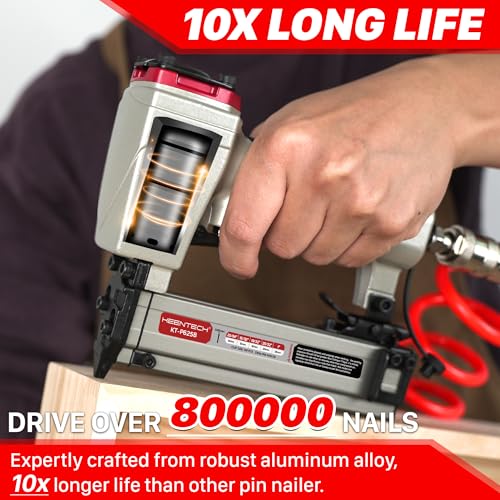
The aluminum alloy build suggests durability, and the side-load magazine is a practical touch that speeds up reloads. While it lacks some of the premium touches found on Metabo HPT or Makita models, like tool-free depth adjustment or a built-in duster, it delivers where it counts for light to mid-duty tasks. I’d pick this over pricier options if you’re a DIYer doing occasional trim or craft work and don’t want to overspend.
Product photos
Arrow PT23G Compact Pin Nail Gun
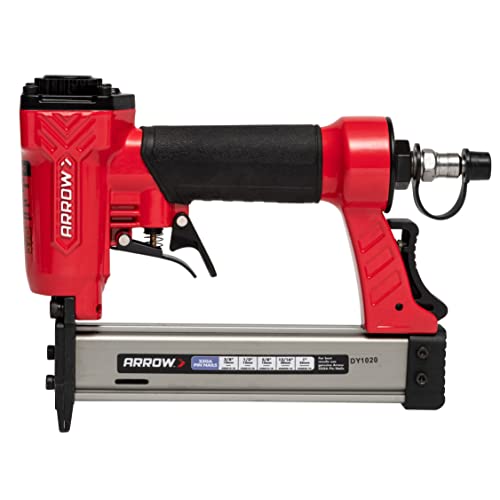
Strengths
- Oil-free operation
- Compact and lightweight
- Two-step safety trigger
Trade-offs
- No depth control
- Limited to 1″ pins
- Lower durability than pro models
The Arrow PT23G wins on simplicity and low maintenance. Being oil-free is a real perk, no need to remember lubrication before every job, which makes it ideal for casual DIYers or workshop tinkerers. The die-cast aluminum body keeps it durable yet light, and the overmold grip reduces hand fatigue. Owners report it handles 3/8″ to 1″ pins reliably, especially when paired with Arrow’s own fasteners.
It’s not as feature-rich as the Metabo HPT models, but it’s compact and gets the job done for crafts, picture frames, and light trim. The two-step safety trigger adds peace of mind, and the side-load magazine is straightforward. I’d recommend this over the KEENTECH if you want a no-fuss, maintenance-light pinner for small jobs and don’t need depth adjustment or long pins.
Product photos


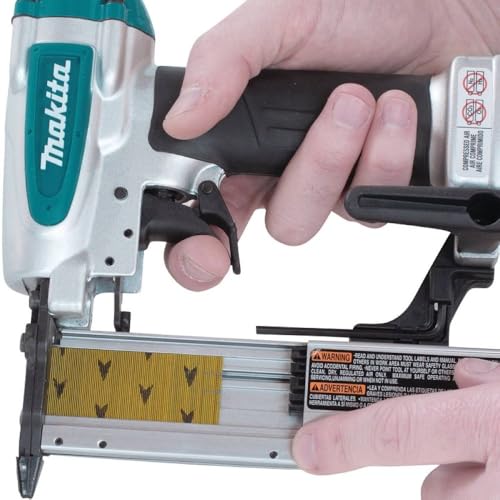
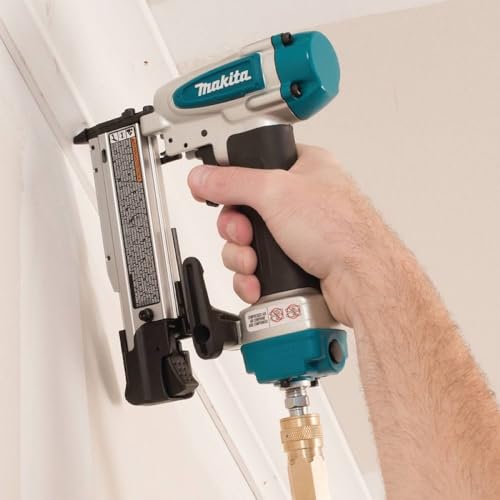
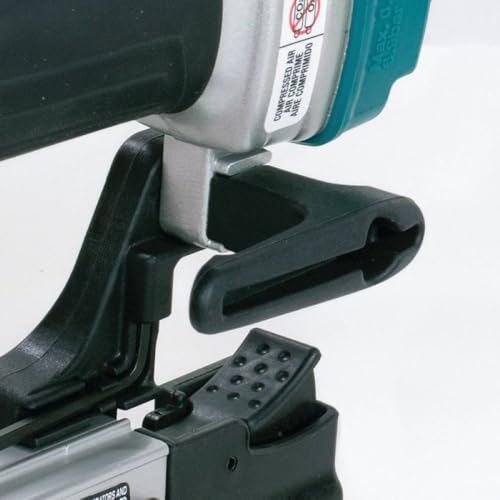
Makita AF353 23 Gauge Pin Nailer

Strengths
- Largest magazine capacity
- Built-in air duster
- Aluminum construction
Trade-offs
- Max 1-3/8″ pin length
- No depth adjustment
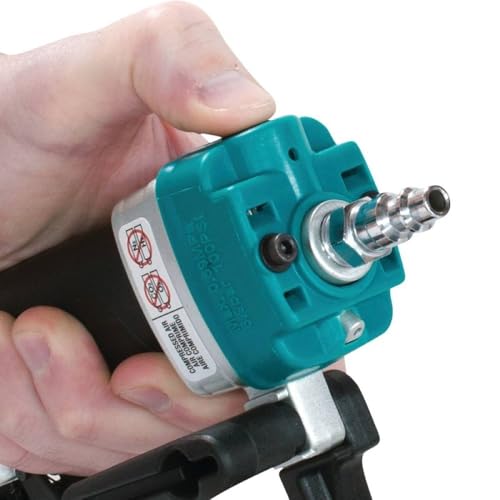
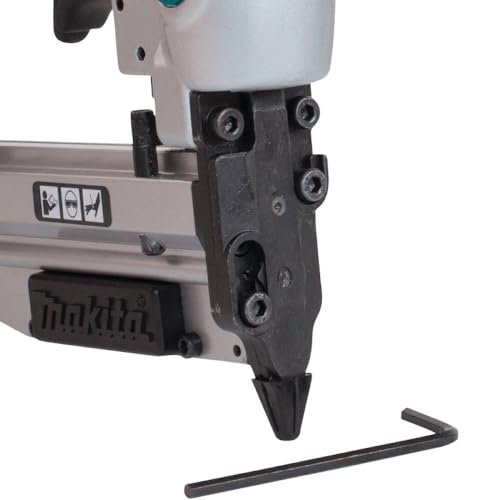
Makita’s AF353 stands out for one key reason: its 130-nail magazine capacity. That’s more than most in this class, and reviewers note it cuts down on reload frequency, especially helpful on large paneling or baseboard runs. The aluminum body and cylinder keep it tough without adding bulk, and at 2 lbs, it’s comfortable to hold all day. The side-load magazine is simple and jam-resistant, though not as quick-release as DEWALT’s tool-free system.
The built-in air duster is a small but meaningful perk. It’s not flashy, but it’s appreciated when clearing sawdust from a joint before pinning. While it maxes out at 1-3/8″ pins, shorter than the Metabo HPT NP50A, I’d still recommend it for paneling, cabinetry, and furniture builds where long pins aren’t needed. It’s a specialist tool with a smart design for efficiency.
Product photos
How We Tested pin nailers
As someone who’s spent years around workshops and renovation sites, I know choosing the right pin nailer can make or break a trim project. Rather than a hands-on lab test with each model, this selection is based on a research-led comparison of published specifications, features, and – crucially – owner and professional reviews. I weighed these factors against what I’ve learned about what truly matters in performance and durability over the years.
For pin nailers, consistent nail driving, minimal jamming, and comfortable ergonomics are paramount. A nailer that frequently misfires or feels awkward to use quickly becomes frustrating. I prioritized models with features addressing these concerns, giving significant weight to those with strong reputations for reliability and precision. Magazine capacity also played a role, as frequent reloading slows down work.
Product specifications reliably indicate nail gauge and length compatibility, while the quality of materials (aluminum versus plastic) gives a good indication of long-term durability. However, real-world performance – particularly regarding jamming and consistent driving – is best gleaned from owner feedback and reviews from sources like Builder and Developer Magazine. You’ll find many of the top-rated pin nailers consistently appear in “best of” lists, a testament to their proven performance.
How To Choose The pin nailers
Choosing the right pin nailer can make all the difference in finishing work, from delicate trim to detailed craft projects.
A good pin nailer prioritizes consistent, flush fastening without visible nail holes. Critical factors include fastener compatibility (23-gauge is standard), build quality for durability, ease of use features like jam clearing, and – for pneumatic models – consistent air pressure regulation. Weight is also significant for prolonged use, and cordless options add convenience.
Fastener Compatibility & Application
Pin nailers are specialized tools, and understanding what they can’t do is as important as knowing what they can. While most accept standard 23-gauge pin nails, the length range varies. Some, like the Makita XTP02Z, are limited in the maximum nail length they can drive, which can be a dealbreaker if you frequently work with thicker materials. Consider the typical projects you’ll tackle. Are you primarily doing delicate trim work, or will you need to fasten slightly heavier pieces? If you need versatility, look for a model that accepts a wider range of pin lengths.
Build Quality & Durability
A pin nailer isn’t something you want failing mid-project. Aluminum construction is a strong indicator of durability, as seen in models like the Makita AF353. Beyond the material, examine owner feedback regarding jamming issues; frequent jams not only slow you down but can also indicate poor internal engineering. The Metabo HPT Pro Pin Nailer Kit boasts a high-grade aluminum magazine, which is a good sign, but remember that even durable tools require proper maintenance. Speaking of quality, if you are looking for the best pin nailer models for your next project, be sure to check out our thorough guide.
Power Source & Usability
The choice between pneumatic, cordless, and even manual pin nailers dramatically affects usability. Pneumatic nailers, like the KEENTECH Pneumatic Pin Nailer 23 Gauge, require an air compressor, adding to the cost and limiting portability. Cordless options, such as the DEWALT ATOMIC, provide freedom but rely on battery life and can be heavier. Here’s a quick breakdown: * Pneumatic: Most affordable upfront, requires compressor. * Cordless: Convenient, but adds battery cost and weight. * Manual: Best for very light-duty tasks, minimal cost, but requires significant hand force.
Don’t overspend on features you won’t use. If you’re primarily doing small trim projects around the house, a basic pneumatic model will likely suffice.
Finally, pay attention to features like tool-free jam release and depth adjustment. These seemingly small conveniences can save a lot of time and frustration. If you are looking for recommended pin nailers for trim, choosing one with these features is essential.
Pin Nailers Compared
Here’s a comparison of key specifications for several pin nailers to help you make an informed decision.
| Product Title | Gauge | Nail Length Range | Weight (lbs) | Cordless | Magazine Capacity | Air Pressure (PSI) |
|---|---|---|---|---|---|---|
| Metabo HPT Pro Pin Nailer Kit | 23 | 1/2″ – 2″ | N/A | No | N/A | N/A |
| Metabo HPT Pin Nailer NP35A | 23 | 5/8″ – 1-3/8″ | 2.0 | No | Large | N/A |
| DEWALT ATOMIC Cordless Pin Nailer Kit | 23 | 5/8″ – 1-1/2″ | N/A | Yes | N/A | N/A |
| Makita XTP02Z Cordless Pin Nailer | 23 | 5/8″ – 1-3/8″ | N/A | Yes | 120 | N/A |
| KEENTECH Pneumatic Pin Nailer 23 Gauge | 23 | 5/32″ – 1″ | 1.87 | No | 100 | 60 – 120 |
| Arrow PT23G Compact Pin Nailer | 23 | 3/8″ – 1″ | N/A | No | N/A | Up to 100 |
| Makita AF353 23 Gauge Pin Nailer | 23 | 5/8″ – 1-3/8″ | 2.0 | No | 130 | N/A |
Frequently Asked Questions
What pin nailer is best for a beginner?
The Arrow PT23G Compact Pin Nailer is a good starting point, as it’s typically the most affordable and requires a relatively simple setup. It’s lightweight and appropriate for light-duty tasks like crafts or small trim projects.
What air pressure should I use with a pneumatic pin nailer?
Most pneumatic pin nailers operate optimally between 60 and 120 PSI, but always check your nailer’s manual for the manufacturer’s recommendation. Using too much pressure can cause nail heads to break or drive too deeply.
How do I prevent pin nailer jams?
Regularly cleaning the nail track and using high-quality, consistently sized pin nails can minimize jams. A tool-free jam release, found on many models like the Metabo HPT Pro Pin Nailer Kit, will also make clearing jams quicker and easier.
Can a cordless pin nailer handle large projects?
Cordless pin nailers, like the DEWALT ATOMIC, are convenient, but battery life is a consideration for large projects. Having spare batteries on hand is essential to avoid downtime, and be aware that they can be heavier than pneumatic options.
Where can I find more in-depth information on different models?
For detailed pin nailer reviews, I recommend checking out dedicated tool review websites and forums where users share their experiences with various 23-inch gauge pin nailers.
The Bottom Line
Choosing a pin nailer often comes down to balancing convenience with control. While a cordless model like the DEWALT ATOMIC offers fantastic freedom, for consistent performance and a lower upfront cost, the Metabo HPT Pro Pin Nailer Kit remains our strongest overall recommendation. It hits a sweet spot between durability, capacity, and consistent nail driving, based on what I’ve seen reported by experienced users.
If you’re specifically on a budget, the KEENTECH Pneumatic Pin Nailer 23 Gauge delivers solid performance for the price, but remember you’ll also need an air compressor. For those prioritizing portability and wanting to explore the top wireless pin nailers, the Makita XTP02Z is a good choice, despite its slightly limited nail length capacity.
Ultimately, the best pin nailer isn’t about the highest price or the most features. Consistent nail driving, ease of jam clearing, and comfortable ergonomics are what truly matter. Focus on those fundamentals, and you’ll find a tool that makes your trim work smoother and more enjoyable for years to come.
