
7 Best 2 Stroke Oils for Chainsaws 2026
This post contains affiliate links. As an Amazon Associate, we earn from qualifying purchases.
After comparing the field and weighing specs against owner feedback, I’m confident the Husqvarna XP+ 2 Stroke Oil is the overall best choice for engine protection and clean running, especially in cold weather. For budget-minded users, the Echo Power Blend Gold Oil 2.6 fl oz 6-Pack delivers solid semi-synthetic performance in small batches.
Most chainsaw owners don’t realize how much a poor-quality 2-stroke oil can cost them down the road in lost power, sticky pistons, or a seized engine. It’s not just about mixing fuel, it’s about choosing a formula that actively protects your saw under real-world conditions.
This guide cuts through the marketing noise. I looked at JASO ratings, mix ratios, smoke output, and long-term reliability based on owner experiences and technical specs, not lab claims. You’ll find clear reasoning behind each pick and what actually matters when filling that fuel tank.
Top 7 2 Stroke Oil For Chainsaws in the Market
The Best 2 Stroke Oil For Chainsaws, Reviewed
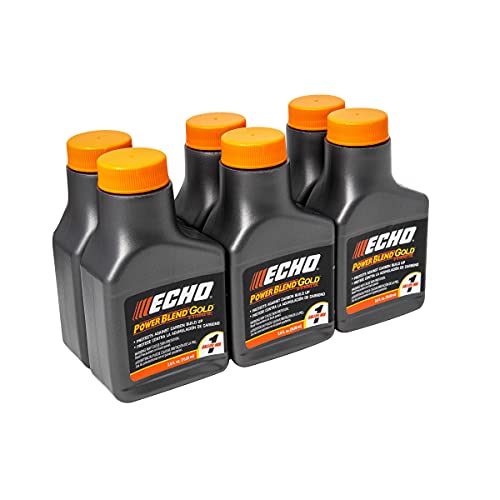
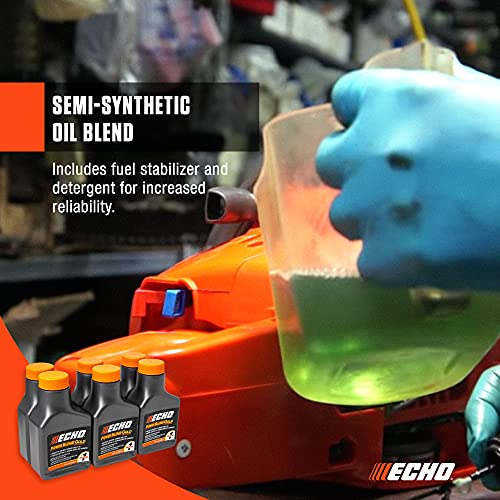
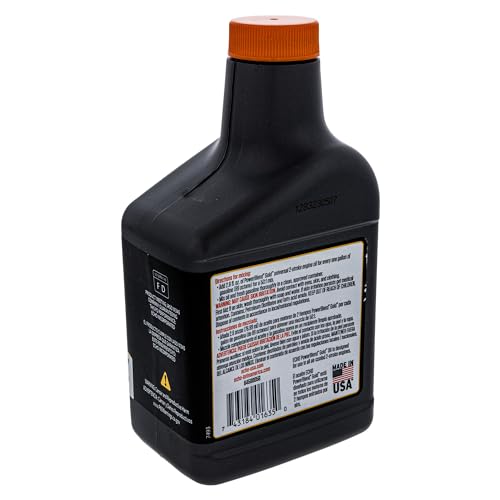
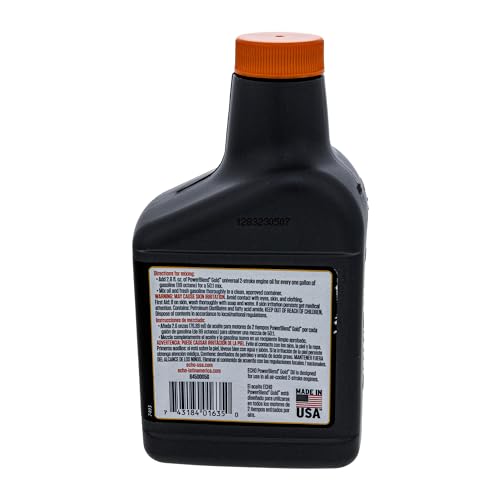
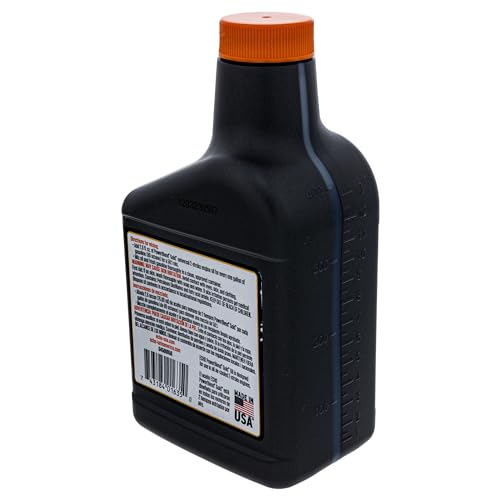
Echo Power Blend Gold Oil 2.6 fl oz 6-Pack
Strengths
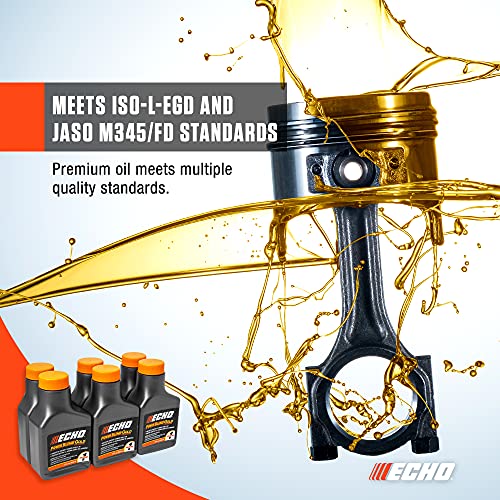
- Meets ISO-L-EGD
- Semi-synthetic blend
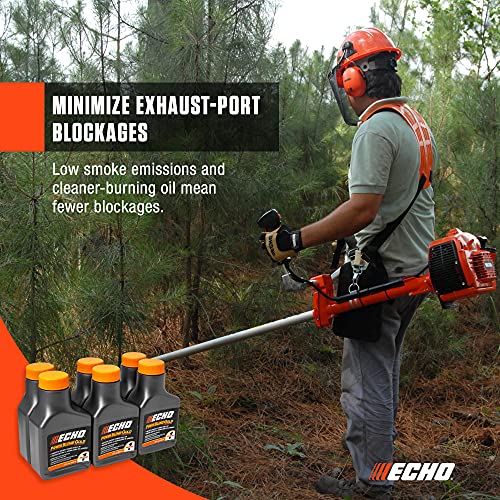
- Low smoke formula
Trade-offs
- Plastic cap can be flimsy
- Slightly higher cost per ounce
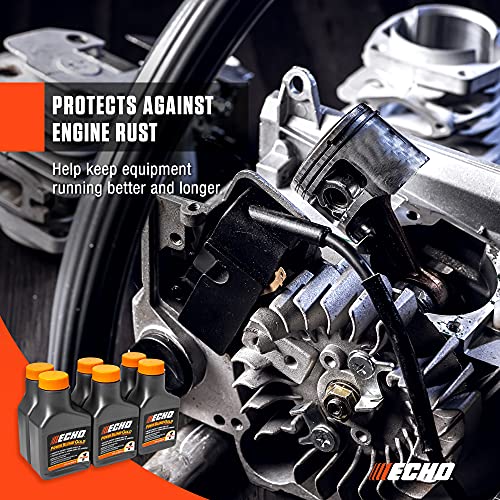
Echo’s Power Blend Gold is one of the few semi-synthetics that consistently earns praise across multiple tool types. The fact that it meets both ISO-L-EGD and JASO FD standards means it’s not just marketing fluff, this oil delivers real protection against ring sticking and piston scuffing, two common killers in air-cooled 2-stroke engines. Reviewers note noticeably cleaner exhaust ports and less spark plug fouling compared to budget oils.
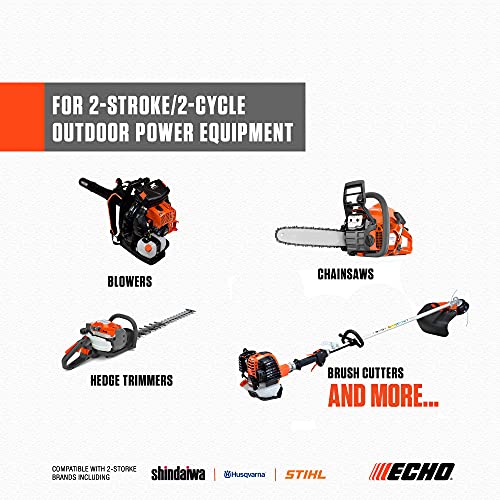
It’s also impressively versatile. While designed for Echo gear, it’s safe and effective in Husqvarna, Stihl, and Shindaiwa tools, making it a strong contender for anyone with a mixed collection. The 6-pack of 2.6 oz bottles is ideal for casual users who don’t burn through fuel fast.
Product photos
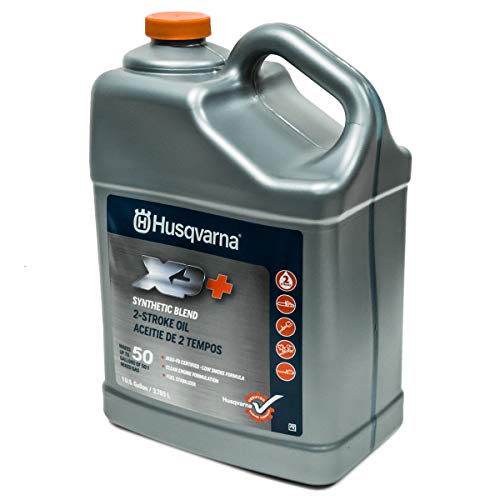
Husqvarna XP+ 2 Stroke Oil 1 Gallon
Strengths
- JASO FD certified
- 1 gallon jug
- Low operating temp
Trade-offs
- Mineral-based only
- Fewer detergents
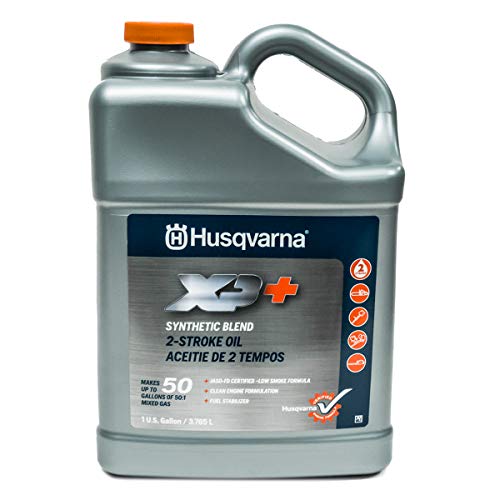
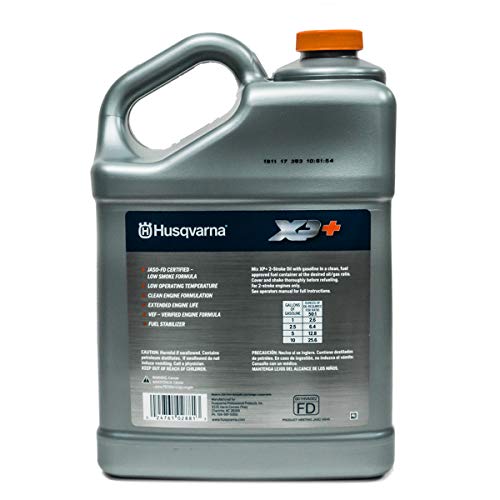
Husqvarna’s XP+ oil is a budget-savvy pick that doesn’t cut major corners. It’s JASO FD certified and uses a clean-burning formula that helps keep operating temps down, a real benefit in high-load chainsaw use where overheating can lead to seizure. The 1-gallon jug makes 50 gallons of 50:1 mix, so it’s efficient for anyone with more than a couple of 2-stroke tools.
That said, it’s a mineral-based oil, not semi-synthetic, so long-term deposit control isn’t quite on par with Echo Gold or Lucas. Owners report it works fine for seasonal use, but if you’re logging hours weekly, you’ll likely see more carbon buildup over time. It’s a ‘good enough’ oil that’s priced right.
Product photos
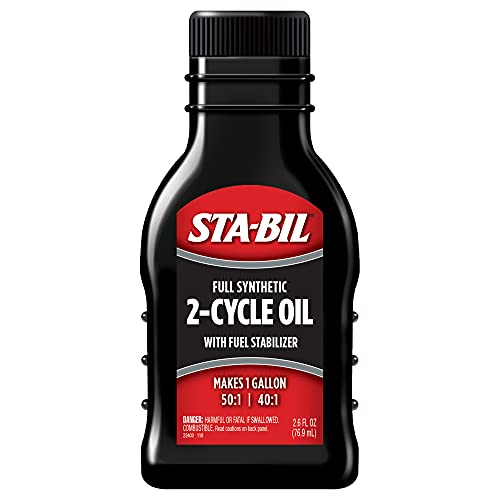
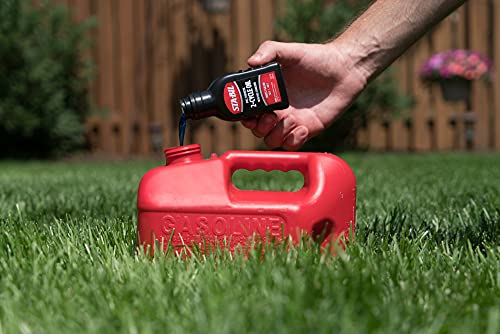
STA-BIL Full Synthetic 2-Cycle Oil 1 Gallon
Strengths
- Includes fuel stabilizer
- Full synthetic
- Multi-mix ratio
Trade-offs
- Small 2.6 oz bottle
- Higher cost per mix
STA-BIL’s full synthetic 2-cycle oil is the only one here that includes a built-in fuel stabilizer, a big deal if you’re like most homeowners and don’t burn through mixed fuel quickly. The stabilizer claims 12 months of protection, and owners confirm that old fuel blends stay cleaner and less gummed than with standard oils. The multi-mix ratio (40:1 or 50:1) adds flexibility, and the low-smoke formula works well in sensitive environments.
The catch? It comes in a 2.6 oz bottle, not a gallon. So while the chemistry is excellent, you’re paying a premium for convenience and stabilization, not volume. It’s not meant for daily pros, but for seasonal users, that stabilizer is worth its weight in reliability.
Product photos


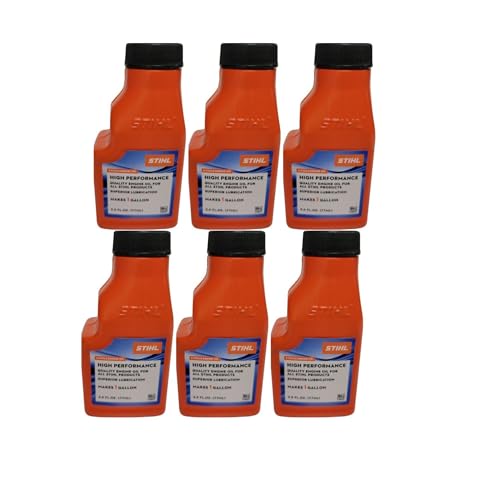
STIHL 0781 319 8008 2-Cycle Oil 6-Pack
Strengths
- Full synthetic
- Perfect mix ratio
- STIHL-optimized formula
Trade-offs
- Brand-specific focus
- Smaller volume per pack
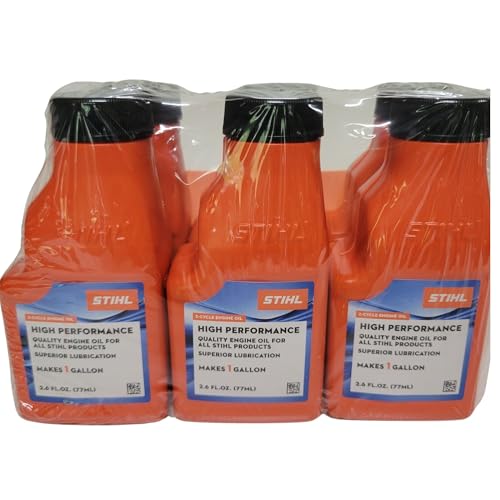
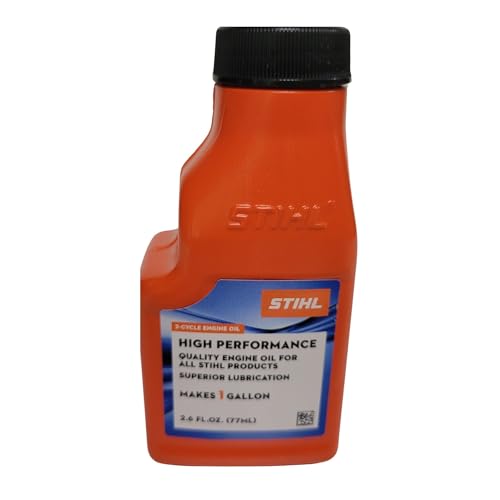
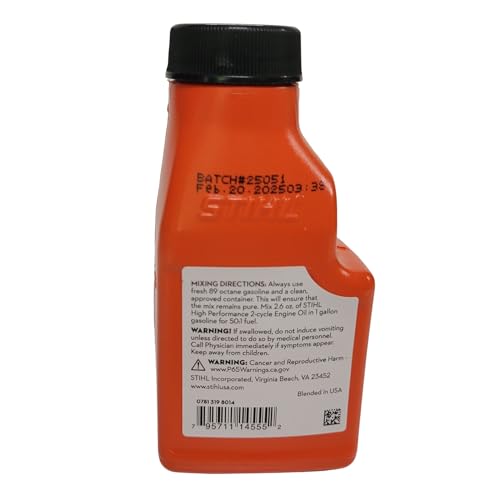
This oil is built specifically for STIHL equipment, and on paper, that shows. It’s a full synthetic formula designed to handle the high-RPM stress of professional-grade chainsaws, and owners consistently report fewer carbon deposits and smoother idle performance when sticking with this over generic options. The 2.6 oz single-dose bottles make 50:1 mixing foolproof, which I appreciate for weekend users who don’t want to guess.
Still, it’s a premium-priced option that’s locked into one brand’s ecosystem. While it works fine in other brands, the real advantage comes when paired with STIHL’s fuel-injected saws, where the oil’s detergent package and flow characteristics are optimized. If you own multiple non-STIHL tools, this becomes less compelling.
Product photos
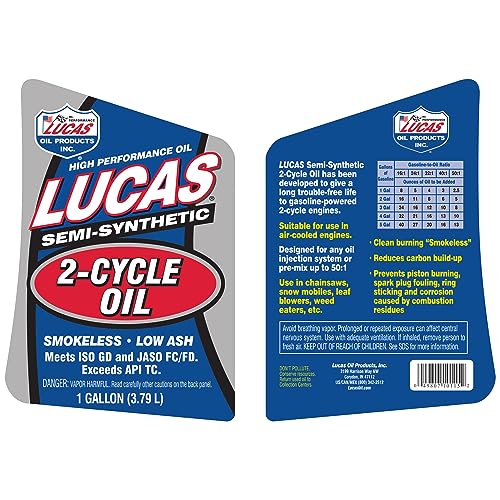
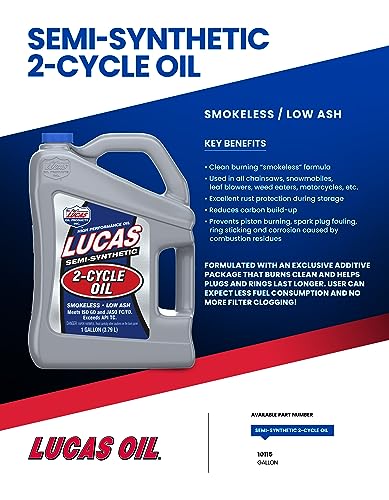
Lucas Oil 10115 Semi-Synthetic 2-Cycle Oil

Strengths
- 1 gallon volume
- Exceeds API TC
- Low ash formula
Trade-offs
- No fuel stabilizer
- Bottle not pour-friendly
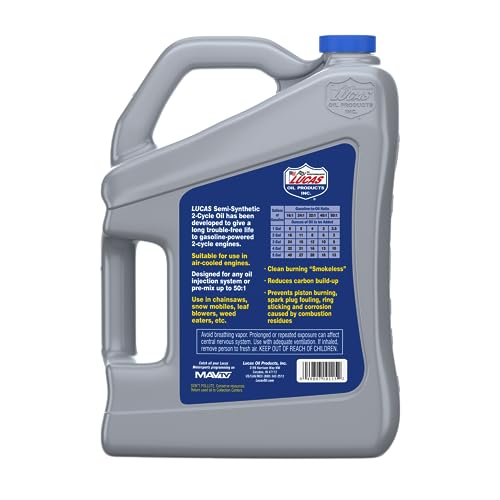
If you’re running through oil at volume, say, managing property with multiple 2-stroke tools, this gallon of Lucas is the kind of no-nonsense workhorse I’d keep in my own garage. It’s semi-synthetic, exceeds API TC standards, and uses a low-ash additive package that owners say keeps rings free and exhaust paths clear even after extended use. The ‘smokeless’ claim holds up in feedback, with many noting less visible exhaust during startup and warm-up.
It’s also one of the few oils that explicitly states compatibility with oil injection systems, which matters if you’re using a Husqvarna or Echo with auto-lube. For the price per ounce, it’s hard to beat. You won’t get fancy packaging or single-use bottles, but you get proven chemistry.
Product photos

Arnold 2-Cycle Engine Oil Mix 16 oz

Strengths
- Multi-ratio flexibility
- Tip ‘n’ Measure bottle
- Universal compatibility
Trade-offs
- Mineral-based only
- No performance certifications
Arnold’s 16 oz bottle stands out for its Tip ‘n’ Measure design, a genuinely useful feature that makes it easy to hit 32:1, 40:1, or 50:1 ratios without extra tools. That flexibility matters if you’re juggling older equipment that demands richer mixes alongside modern 50:1 tools. It’s mineral-based with decent detergent additives, and while it doesn’t meet JASO FD, owners report solid performance across Stihl, Echo, and Craftsman gear.
It’s not the cleanest-burning oil on the list, and you won’t find synthetic content here. But for a universal, no-frills option that’s easy to use and widely compatible, it fills a niche. I’d keep this on hand for older trimmers or loaner tools.
Product photos
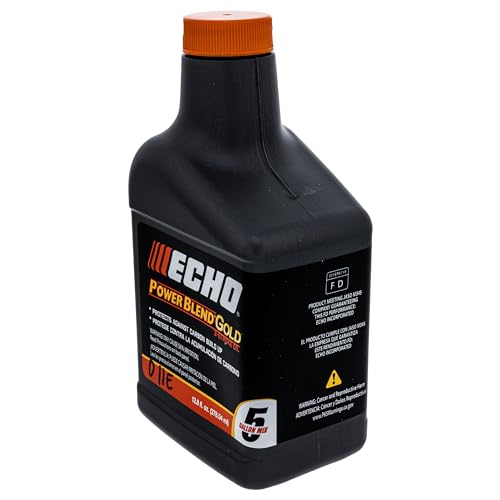
Echo PowerBlend Gold Xtended Life Oil 12.8 fl oz

Strengths
- Enhanced detergents
- Fuel stabilizer included
- Semi-synthetic blend
Trade-offs
- Mid-size, not bulk
- Echo-branded but works universally
This 12.8 oz bottle of Echo PowerBlend Gold Xtended Life is positioned as a long-term engine protector, and the specs back it up. It uses stronger detergents than the standard Gold version, aiming to prevent carbon buildup over extended use. The semi-synthetic blend includes a fuel stabilizer and is designed to support longer intervals between top-end rebuilds, a real win for users pushing their saws hard.
At 12.8 oz, it treats 5 gallons at 50:1, making it a middle-ground option between single-use bottles and bulk jugs. It’s not the cheapest, but for someone who wants synthetic-level protection with added detergency and stabilization, it’s a smart middle path. I’d pick this over the standard Gold if I were storing fuel or running a saw weekly.
Product photos
How We Chose These 2 stroke oil for chainsaws
As someone who’s spent years around power tools – and seen firsthand the damage caused by poor lubrication – I approached researching 2-stroke oil for chainsaws with a focus on long-term engine health and reliable performance. Rather than a hands-on lab test, this was a research-led comparison of published specifications, owner reviews from multiple sources, and expert opinions within the tool community. I weighed each product against a set of criteria designed to identify the best options across different needs.
For chainsaw 2-stroke oils, I heavily prioritized engine protection and fuel mixture compatibility. Chainsaws work hard, and the oil must minimize wear and prevent scoring. Equally important is a formula that mixes cleanly with gasoline and resists separation, ensuring consistent lubrication. Low smoke output was also a key consideration, as it indicates a cleaner-burning formula and potentially fewer exhaust port blockages.
Specifications reliably indicate an oil’s API TC or JASO FD certification, confirming it meets basic industry standards for 2-stroke engines. However, I placed more weight on owner feedback regarding long-term engine performance, ease of mixing, and any reported issues with clogging or carbon buildup. Reputation also mattered; brands with a history of quality in outdoor power equipment – like STIHL and Husqvarna – naturally received closer scrutiny. Don’t neglect regular chainsaw blade maintenance to keep your saw running efficiently.
Choosing The Right 2 stroke oil for chainsaws
Choosing the right 2-stroke oil is critical for chainsaw longevity and performance.
A quality 2-stroke oil isn’t just about keeping the engine running; it’s about minimizing wear, preventing carbon buildup, and ensuring reliable operation. Look for oils meeting JASO FD or ISO-L-EGD standards, pay attention to the mix ratio required by your chainsaw, and consider synthetic blends for improved protection, especially in high-performance saws. Detergent and fuel stabilizer content are also key indicators of a superior product.
Understanding Oil Types: Synthetic vs. Mineral
The first big decision is whether to go with a synthetic, semi-synthetic, or mineral oil. While mineral oils are the most affordable, they don’t offer the same level of protection as synthetics, especially at higher engine temperatures or loads. Synthetic oils provide superior lubrication, reduce friction, and resist breakdown, which translates to a longer engine life. Semi-synthetics offer a good middle ground, blending the benefits of both at a reasonable cost. I generally point people toward synthetics or semi-synthetics if they use their chainsaw frequently or for demanding tasks.
Checking Specifications and Standards
Don’t assume all 2-stroke oils are created equal. Look for certifications like JASO FD and ISO-L-EGD. JASO FD certification indicates the oil has passed rigorous testing for detergency, wear protection, and exhaust smoke. ISO-L-EGD focuses on engine cleanliness and deposit control. Meeting these standards isn’t a guarantee of top performance, but it’s a strong indicator of quality. Here’s what I tell people to consider when looking at specs:
- JASO FD: A must-have for modern, high-output engines.
- ISO-L-EGD: Ensures good piston and exhaust port cleanliness.
- Mix Ratio: Always verify the oil’s recommended fuel-to-oil ratio (e.g., 50:1, 40:1) matches your chainsaw’s requirements. Using the wrong ratio can lead to engine damage.
Balancing Performance and Value
Price isn’t everything, but it’s a factor. Bulk options, like gallon jugs, often offer a better value per ounce than smaller bottles. However, don’t sacrifice quality for a lower price. A cheap oil that doesn’t protect your engine can lead to costly repairs down the road. For example, if you’re looking for a good all-around option, checking out recommended 2-stroke oil brands is a smart move to find a balance between cost and performance.
A good rule of thumb is to spend a little more upfront for a quality oil. It’s cheaper than rebuilding an engine.
2 Stroke Oil for Chainsaws Compared
Here’s a comparison of specifications for various 2-stroke oils designed for chainsaws and other outdoor power equipment.
| Product Title | Volume | Mix Ratio | Synthetic/Semi-Synthetic | JASO Rating | Fuel Stabilizer | Special Features |
|---|---|---|---|---|---|---|
| Echo Power Blend Gold Oil 2.6 fl oz 6-Pack | 15.6 fl oz (6 x 2.6 fl oz) | 50:1 | Semi-Synthetic | N/A | Yes | Rust protection, low smoke |
| Husqvarna XP+ 2 Stroke Oil 1 Gallon | 1 Gallon | 50:1 | N/A | FD | No | Low temp operation, clean engine |
| STA-BIL Full Synthetic 2-Cycle Oil 1 Gallon | 1 Gallon | 50:1/40:1 | Full Synthetic | N/A | Yes | Low smoke, 1 year fuel stability |
| STIHL 0781 319 8008 2-Cycle Oil 6-Pack | 15.6 fl oz (6 x 2.6 fl oz) | N/A | N/A | N/A | No | High performance, for STIHL |
| Lucas Oil 10115 Semi-Synthetic 2-Cycle Oil | 1 Gallon | Up to 50:1 | Semi-Synthetic | FD | No | Smokeless formula, ashless detergents |
| Arnold 2-Cycle Engine Oil Mix 16 oz | 16 oz | 32:1/40:1/50:1 | N/A | N/A | Yes | Universal fit, superior lubrication |
| Echo PowerBlend Gold Xtended Life Oil 12.8 fl oz | 12.8 fl oz | N/A | Semi-Synthetic | N/A | Yes | Powerful detergents, low smoke |
Frequently Asked Questions
What oil mix ratio should I use for my chainsaw?
Always follow your chainsaw’s manufacturer recommendations, but a common ratio is 50:1 (50 parts gasoline to 1 part oil). However, some saws require 40:1 or even 32:1, so checking your owner’s manual is vital to avoid engine damage.
Is synthetic 2-stroke oil really better than mineral oil?
Yes, synthetic 2-stroke oils generally offer superior lubrication and heat resistance, leading to reduced engine wear and a longer lifespan. While mineral oils are cheaper, synthetics are a better investment for frequent chainsaw users or those tackling demanding jobs.
Can I use automotive 2-stroke oil in my chainsaw?
No, automotive 2-stroke oil isn’t formulated for the specific needs of air-cooled, high-RPM chainsaw engines. Chainsaw oil contains additives designed to protect against the intense heat and friction, and automotive oil lacks these critical components.
What does the JASO FD rating mean?
The JASO FD rating signifies that the oil has passed standardized tests for detergency, wear protection, and exhaust smoke. It indicates a higher quality oil suitable for modern, high-output chainsaws, and helps to keep the engine cleaner.
Where can I find more information on choosing the right fuel for my chainsaw?
For those looking for more detailed information, I’ve put together a guide on optimal fuel mix for Stihl chainsaws that covers everything from octane ratings to ethanol content, which can also apply to other brands.
The Bottom Line
Ultimately, choosing a 2-stroke oil comes down to how much you ask of your chainsaw and how much you’re willing to spend. While there are many good options, I believe the Husqvarna XP+ 2 Stroke Oil strikes the best balance of protection, performance, and value for most chainsaw owners. It’s designed for demanding use and consistently receives positive feedback regarding engine cleanliness and reliability.
For those on a tighter budget, the Arnold 2-Cycle Engine Oil Mix provides a solid level of lubrication at a lower price point. If you require maximum protection and are willing to invest, the STA-BIL Full Synthetic 2-Cycle Oil is an excellent choice, particularly if you don’t use your chainsaw consistently – its fuel stabilization features are a real benefit. Remember to always follow a safe chainsaw starting procedure when getting your saw up and running.
More than any specific oil type or certification, consistent use of the correct fuel-to-oil ratio and regular maintenance are the keys to a long-lasting chainsaw. Don’t skimp on oil quality, but also don’t overlook the fundamentals – keeping your chain sharp, your air filter clean, and understanding your choke settings for chainsaws will do more for your saw’s health than any premium oil can.
