9 Best Plumbing Tools of 2026
This post contains affiliate links. As an Amazon Associate, we earn from qualifying purchases.
The iCrimp Ratchet PEX Cinch Tool stands out as the best overall plumbing tool for reliable, repeatable PEX connections, while the Vorhixa 6-Piece Plumbing Tools Kit is a top choice for tackling stubborn angle stop repairs. For tight spaces and general under-sink work, the 6 Pcs Sink Wrench Set delivers unmatched versatility.
Most homeowners don’t realize how quickly a simple leak or clog can turn into a bigger problem when the wrong tool is used. A stripped fitting, a cracked pipe, or a half-fixed joint can mean costly calls to a pro, or worse, water damage.
That’s why I put together this guide. After comparing the field and analyzing specs, owner feedback, and what pros actually use, I focused on tools that deliver real-world performance without gimmicks. These picks are based on durability, smart design, and the ability to get the job done right the first time, whether you’re replacing a valve, clearing a drain, or working with PEX or copper lines.
Top 9 Plumbing Tools in the Market
The Best Plumbing Tools, Reviewed
iCrimp Ratchet PEX Cinch Tool

Strengths
- Cinch and remove functions
- All-in-one kit
- Ratcheting mechanism
- Pre-calibrated
- Works with all brands
Trade-offs
- Clamp supply limited
- Heavier than basic tools
- Not for copper crimp rings
This is the most complete PEX tool kit in the lineup, and it earns the ‘Best Overall’ tag for good reason. The ratcheting cinch mechanism makes clamp installation fast and consistent, and the built-in removal function is a rare but valuable feature, reusing fittings saves money and waste. It’s compatible with all major stainless steel clamp brands and sizes from 3/8″ to 1″.
Owners highlight the precision wire-EDM cut jaws and the fact that it comes pre-calibrated, no guesswork. The included cutter and assortment of clamps mean you can start working right out of the box. Compared to standalone cinchers, this one offers more functionality at a fair price. My pick for anyone installing or repairing PEX regularly.
Product photos


Vorhixa 6 Pcs Plumbing Tools Kit
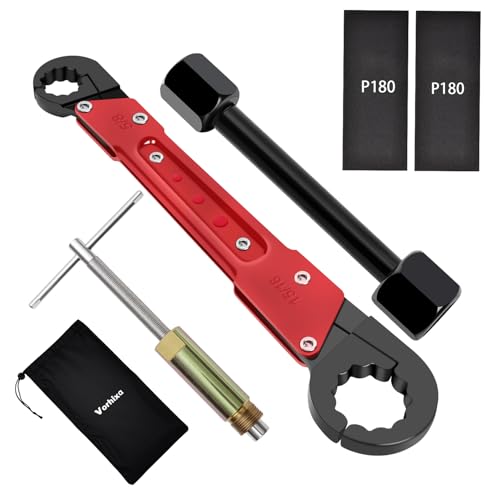
Strengths
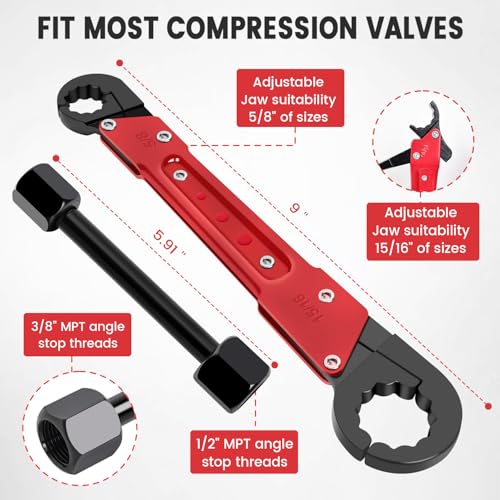
- Angle stop wrench included
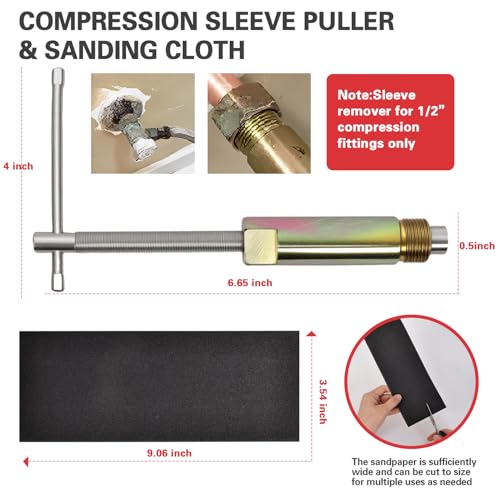
- Compression sleeve puller
- Corrosion-resistant
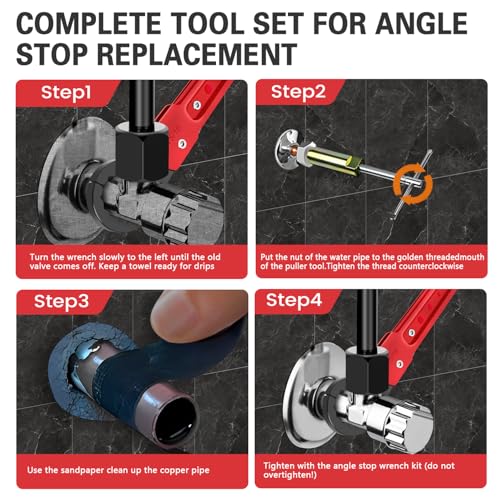
- Step-by-step guide
- Storage bag
Trade-offs
- Only for 1/2″ fittings
- Limited to angle stop work
- Fewer universal tools
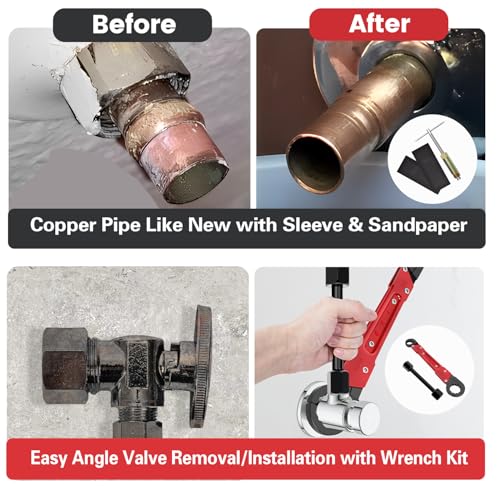
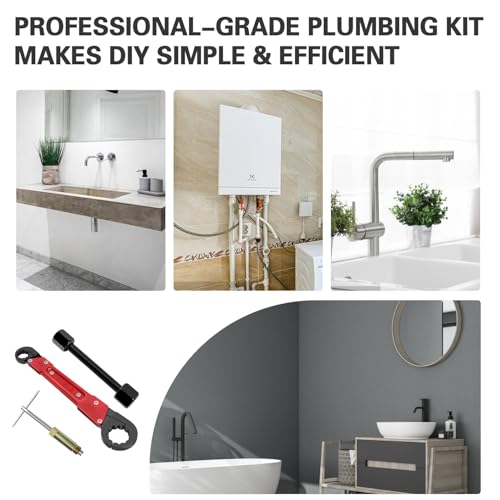
This kit zeroes in on a very specific pain point: replacing frozen or corroded angle stop valves. The 2-in-1 wrench fits both 15/16″ and 5/8″ nuts and threads directly onto 1/2″ compression outlets, which is a clever design touch that eliminates wobble. Owners appreciate the included compression sleeve puller, which works cleanly on 1/2″ copper without damaging the pipe or wall.
The sandpaper and storage bag feel like small bonuses, but they add up in real-world use. Compared to buying these tools separately, this set offers solid value. I’d recommend it over generic wrench kits because it’s purpose-built, this isn’t a general plumbing set, but for its niche, it’s one of the smarter buys.
Product photos
9 Pack Drain Clog Remover Set
Strengths
- Multiple tools included
- Flexible, pipe-safe design
- Good reach on claw tool
- Reusable
- Affordable
Trade-offs
- Not for severe clogs
- Plastic snakes lack rigidity
- Brushes wear over time
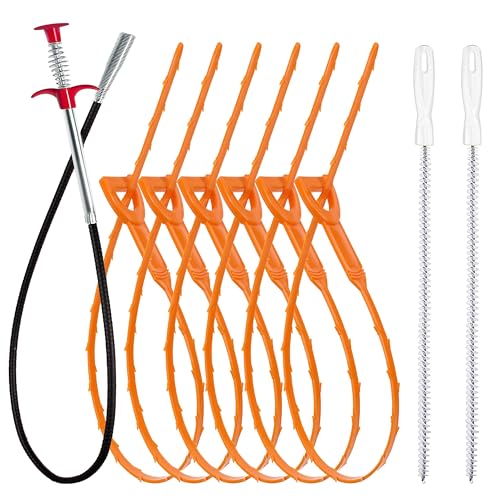
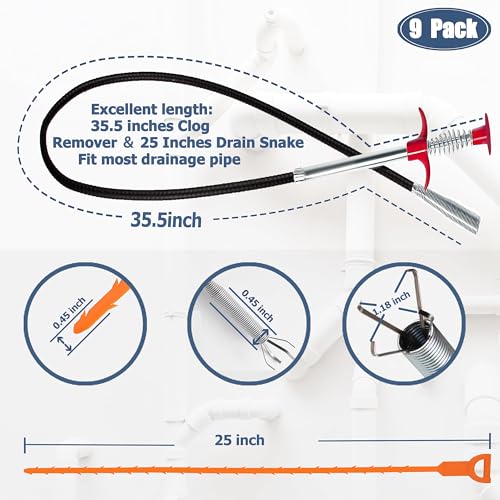
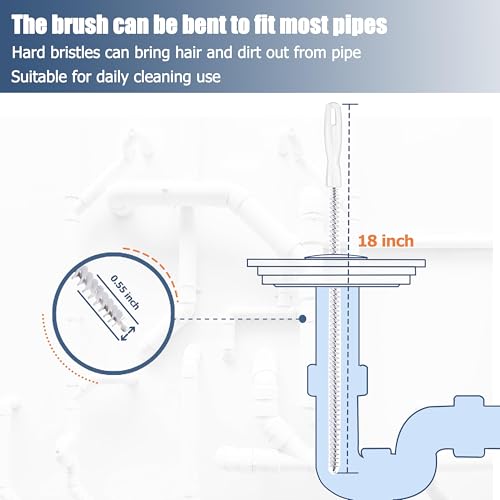
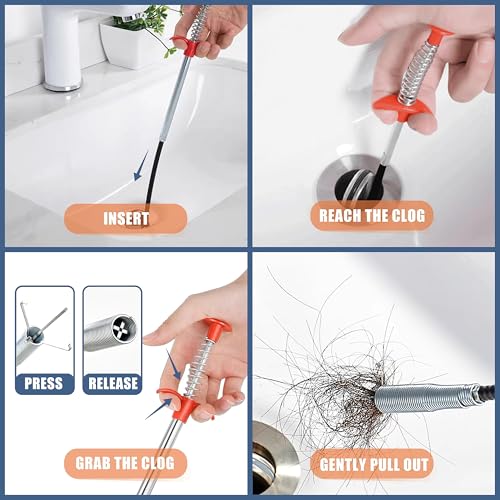
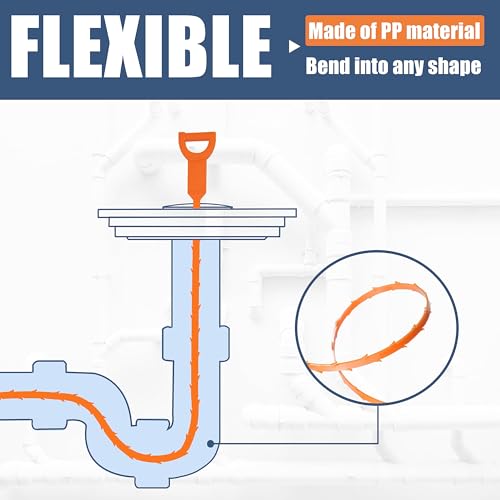
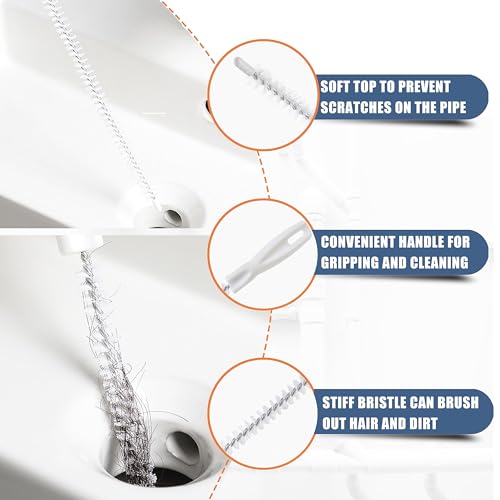
This budget set delivers more than expected for basic household clogs. The 35.5-inch metal claw tool reaches deeper than most sink traps, and the six flexible drain snakes with hooked teeth are surprisingly effective on hair buildup. Reviewers note the PP material resists snapping, and the bendable design helps navigate tight curves without scratching pipes.
It’s not a replacement for a powered auger, but for quick bathroom sink or tub cleanouts, it gets the job done. The inclusion of two bendable brushes adds value for routine maintenance. While it won’t tackle tree roots or main line blockages, it’s a smart pick for renters or homeowners wanting a low-cost, reusable alternative to chemical drain cleaners.
Product photos
6 Pcs Sink Wrench Set
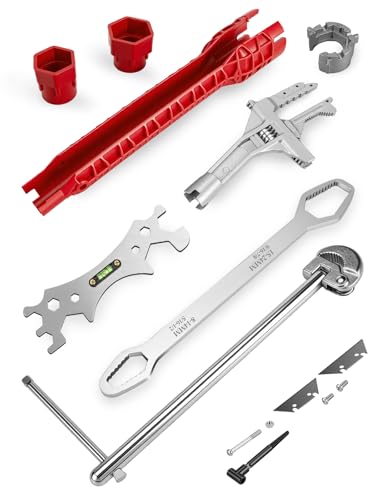
Strengths
- Swivel head design
- Telescoping handles
- Non-marring jaws
- 6-piece set
- Storage pouch
Trade-offs
- Some tools feel lightweight
- Limited use on large nuts
- Not for outdoor use
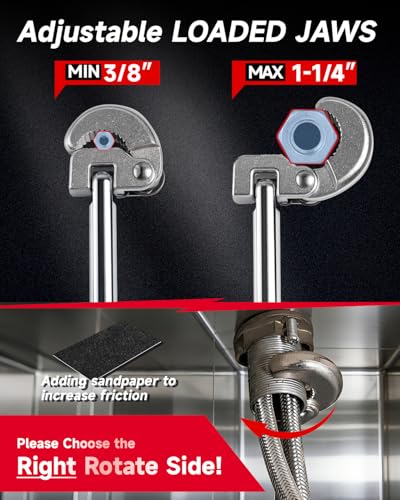
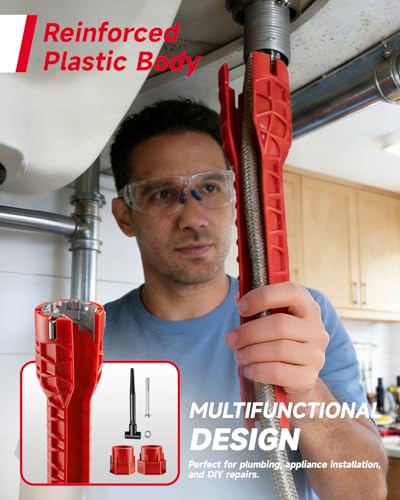
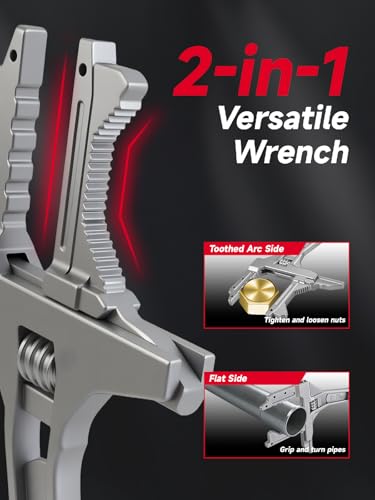
Tight under-sink spaces are where this set shines. The 180° swivel heads and telescoping handles let you reach nuts behind faucets and valves without removing cabinets. The 8-in-1 faucet wrench and self-tightening jaws are particularly praised in owner reviews for gripping stubborn fittings without stripping.
Made from hardened steel and aluminum alloy, these tools resist bending and won’t mar chrome finishes. The non-marring jaws are a big win over traditional pipe wrenches. While it’s not a full plumbing kit, it solves a very common frustration. For most homeowners, this is the smarter buy than a single basin wrench.
Product photos
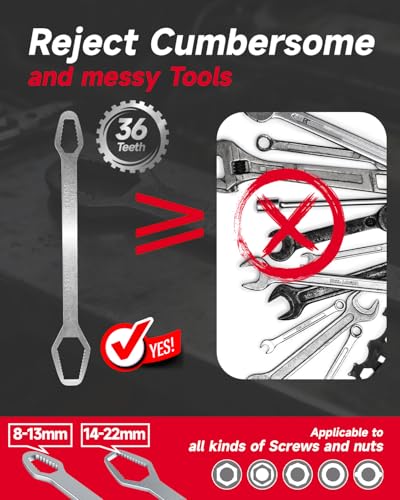
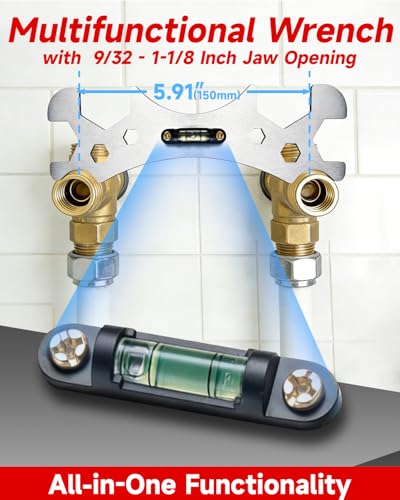
25 Feet Drain Auger with Drill Adapter
Strengths
- 25-foot steel cable
- Drill-ready
- Durable drum housing
- Includes gloves
- Works on multiple drains
Trade-offs
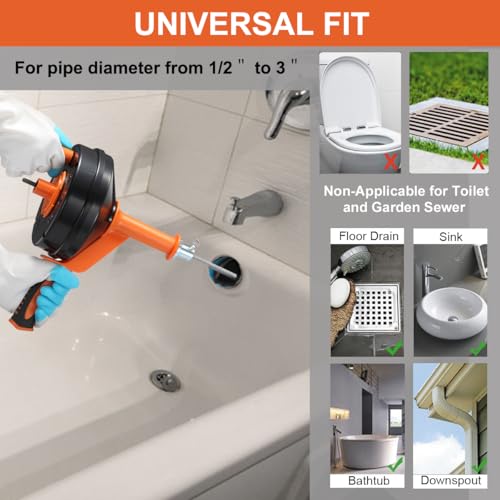
- Not for toilets
- Manual feed only
- Bulky for small kits
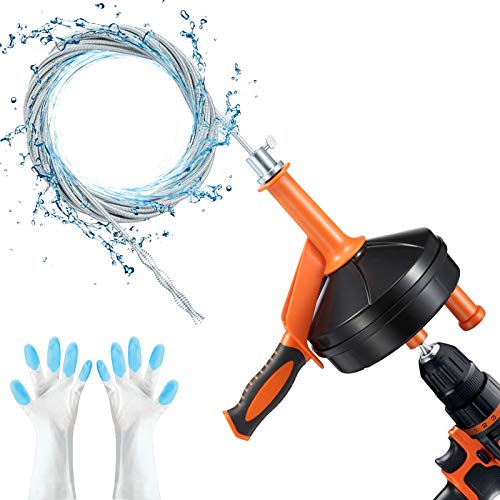
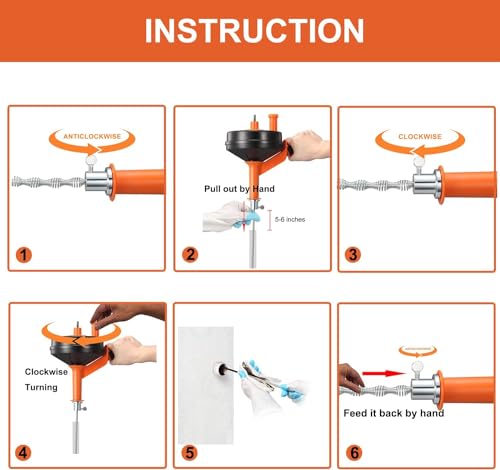
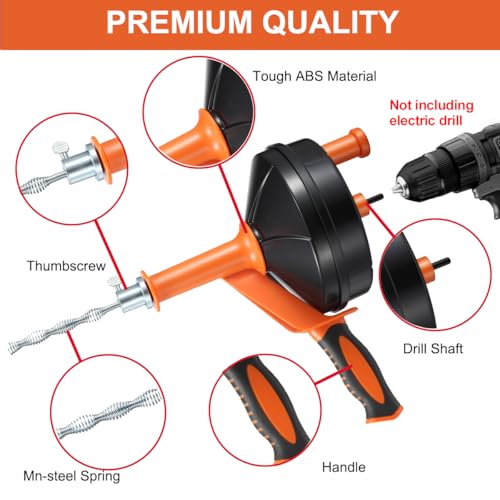
At 25 feet, this auger bridges the gap between basic drain snakes and pro-grade machines. The steel cable is flexible enough for tight bends but tough enough to punch through stubborn clogs, and the option to attach it to a drill (not included) makes it a serious tool for tough jobs. Owners praise the drum design, it keeps the cable neatly wound and reduces kinks.
The gloves and metal mouth upgrade add practical touches, and the lifetime support is a confidence booster. While it’s not meant for toilets, it excels in kitchen sinks, showers, and floor drains. Compared to shorter, flimsier snakes, this one feels like a long-term investment. For most households, this is the last drain snake you’ll need to buy.
Product photos


iCrimp CRQ01 Disconnect Tong

Strengths
- One-handed operation
- Fits 3 sizes
- Compact design
- Prevents fitting damage
- Easy collar release
Trade-offs
- Only for brass push-fit
- No storage case
- Not for plastic disconnects
Push-fit fittings are everywhere now, and this tool makes disassembly fast and safe. The three-sized teeth (1/2″, 3/4″, 1″) handle most common brass push-to-connect fittings, and the wide grip allows one-handed operation, even in tight corners where fingers can’t reach the release collar.
Owners consistently note it reduces fitting damage during removal, which is a big deal when reusing expensive manifolds or valves. The compact design slips into narrow spaces behind toilets or under sinks. Compared to pliers or improvised tools, this one minimizes risk. If you’re working with PEX push-fit systems regularly, this should be in your bag.
Product photos


THINKWORK Inside PVC Pipe Cutter

Strengths
- Internal cutting design
- 6 blades included
- Measurement scale
- Drill-compatible
- Cuts PVC and ABS
Trade-offs
- Blades are sharp, safety risk
- Not for metal
- Requires drill
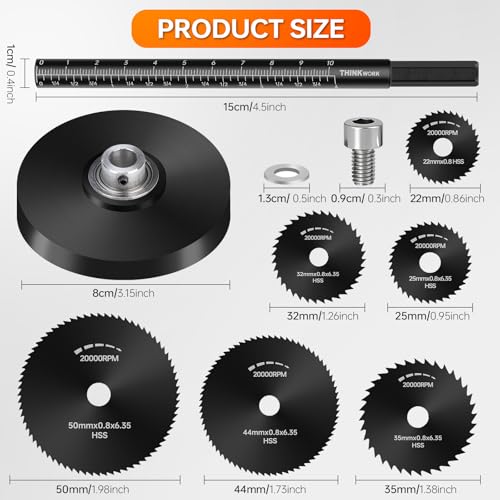
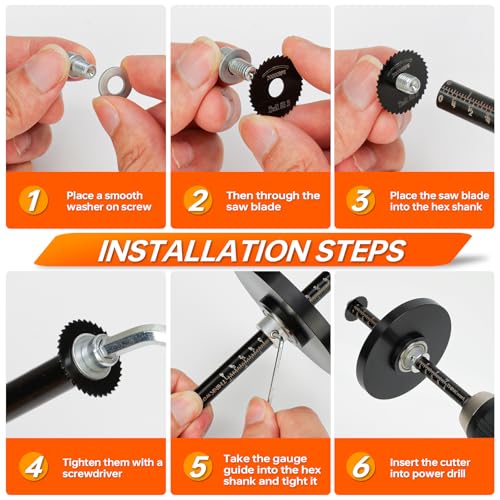
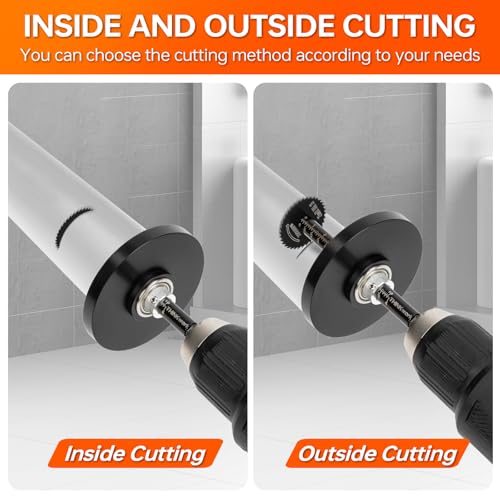
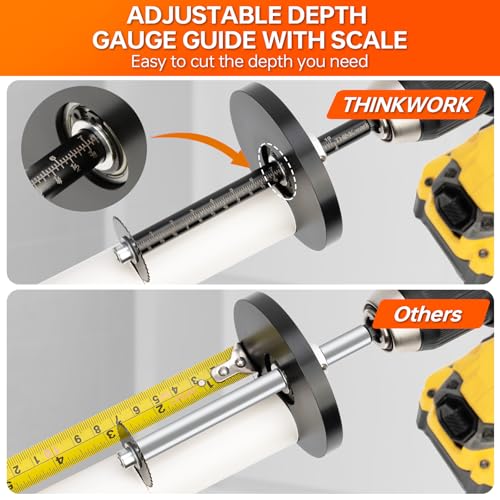
Cutting PVC from the inside is a game-saver when you can’t access both ends or don’t want to tear up flooring. This tool delivers on that promise with a solid set of six blades and a stainless steel shank that fits any 3/8″ drill. The integrated measurement scale is a small but smart feature, no need to guess depth or measure separately.
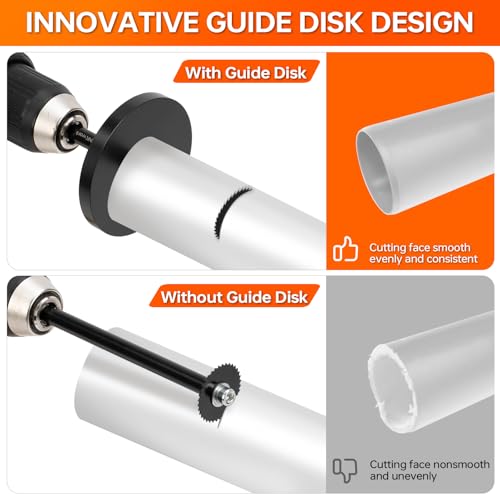
Owners report clean, flush cuts in PVC and ABS, and the bearing-guided disk helps maintain alignment. It’s not for metal pipes, but that’s not the point. Compared to external cutters, it’s ideal when space is tight or the pipe is set into a wall. I’d pick this over hacksaws or reciprocating saws for precision internal work.
Product photos
Compression Sleeve Puller Tool 1/2″

Strengths
- Corrosion-resistant steel
- No pipe cutting needed
- Works on frozen fittings
- Precision machined
- Easy alignment
Trade-offs
- 1/2″ only
- Single-use design
- No storage case
This is a no-frills, precision-machined tool built to do one job extremely well: removing 1/2″ compression sleeves without cutting the pipe. Its fully machined body handles corrosion and freeze-up better than cheaper pullers, and users consistently report success even on decades-old, rusted fittings. The lever-action design means you can extract stubborn nuts and ferrules in tight spaces with minimal effort, just 10 turns and it’s done.
It’s not versatile, but it’s reliable. Unlike improvised methods that risk crushing copper lines, this tool preserves the pipe and reshapes crimped tubing back to round. For anyone tired of sawing out old valves and sweating new joints, this puller saves both time and material. My recommendation? Keep one in your emergency kit if you’re dealing with aging plumbing.
Product photos


RIDGID Model 223S Pipe Reamer

Strengths
- 45 cutting edges
- Ergonomic grip
- Dual measurement system
- Hardened steel
- Inner/outer reaming
Trade-offs
- Limited to 1-1/4″ max
- No storage case
This reamer stands out in a category where precision and durability matter most. With 45 cutting edges and a dual inner/outer design, it’s built for fast, clean deburring on copper and stainless steel tubing from 1/4″ to 1-1/4″. The hardened steel construction matches what pros expect from RIDGID, and owners consistently report it holds up over time, even with daily use.
The ergonomic knurled grip and integrated measurement bar add real utility, no fumbling for a tape measure or slipping during aggressive reaming. For anyone working with refrigerant lines, gas lines, or plumbing stubs, the ability to quickly bevel and clean cut edges makes joints safer and smoother. I’d pick this over cheaper reamers any day for its consistency and build.
Product photos


How We Chose These plumbing tools
I approached researching plumbing tools much like I do any category – by looking beyond marketing hype and focusing on what truly matters for performance and longevity. Rather than a hands-on lab test, this is a research-led comparison of published specifications, features, and, crucially, owner and expert reviews. I weighed these factors against my own experience with plumbing systems and the needs of both DIY homeowners and professionals. My goal was to identify tools offering the best combination of functionality, durability, and value.
For plumbing tools, the factors that most heavily influenced my rankings were material quality, ease of use in confined spaces, and the ability to avoid damaging existing pipes or fittings. A tool that’s built to last from corrosion-resistant materials is essential, as is one designed to navigate the often-tight quarters under sinks and behind walls. Avoiding damage is also key; a tool that needlessly ruins a pipe connection is simply not worth recommending.
Specifications reliably indicate build materials and size ranges, giving a good baseline for comparing tools. However, I leaned heavily on owner feedback to gauge real-world durability and usability. Reputation among plumbers also played a significant role, particularly when assessing specialized tools. For instance, knowing which tools are consistently recommended in professional forums informed my evaluation of everything from drain snakes to PEX crimpers – you can find more information on the best PEX crimping tools on my site.
How To Pick The Right plumbing tools
Choosing the right plumbing tools can be a surprisingly complex undertaking. It’s not always about buying the most expensive option, but about matching the tool to the job and prioritizing quality where it matters most.
A good plumbing toolset balances durability with practicality. Look for tools constructed from robust materials like hardened steel or high-impact ABS. Consider features like ergonomic grips, precise measurement markings, and compatibility with common pipe materials (copper, PVC, PEX). Prioritize tools designed for specific tasks to avoid overspending on unnecessary features, and ensure any specialty tools meet relevant standards like ASTM for PEX connections.
Prioritize Application-Specific Tools
I often see people try to get by with a single “do-it-all” tool, but plumbing rarely works that way. The best approach is to build a collection of tools each optimized for a specific task. For example, a standard basin wrench won’t cut it when you’re dealing with corroded angle stops; that’s where a specialized angle stop wrench kit, like the Vorhixa 6-Piece Plumbing Tools Kit, really shines. Don’t assume a general-purpose tool will suffice when a dedicated option exists.
Focus on Material Quality & Construction
Cheap tools will fail, often at the worst possible moment. Look beyond the price tag and pay attention to what a tool is made of. High-strength ABS plastic, hardened carbon steel, and corrosion-resistant finishes are all good signs. A tool like the iCrimp Ratchet PEX Cinch Tool, designed for repeated use, benefits immensely from a forging process and wire EDM cutting to ensure precision and longevity. The materials used dictate how long the tool will last and how reliably it will perform under pressure.
Here’s what I look for when evaluating build quality: * Steel Hardness: Higher Rockwell hardness ratings indicate greater resistance to wear and deformation. * Grip Material: Overmolded rubber or textured grips improve comfort and control, especially when working in wet conditions. * Joint Integrity: Check that connections (rivets, welds, etc.) are solid and show no signs of weakness. A flimsy connection is a sure sign of a poorly constructed tool.
A good rule of thumb is to pay a little more upfront for a tool that won’t need replacing after a single project. You’ll save money and frustration in the long run.
Consider Usability and Accessibility
Even the toughest tool is useless if you can’t get it into the tight spaces under a sink or around a toilet. Special attention should be paid to tools designed for these scenarios. The 6 Pcs Sink Wrench Set, with its swivel heads and telescoping extensions, is a perfect example. Don’t overlook features like compact designs, adjustable heads, and long handles that provide use in confined areas. Also, if you are looking for high-quality plumbing tools, you’ll want to consider a kit that includes a storage pouch or case to keep everything organized and readily accessible.
Plumbing Tools Compared
Here’s a comparison of key specifications for the featured plumbing tools.
| Product Title | Best For | Capacity/Size | Material | Features | Power Source |
|---|---|---|---|---|---|
| iCrimp Ratchet PEX Cinch Tool | Best Overall | 3/8-1 inch PEX | Steel | Cinch & Remove, Ratcheting | Manual |
| Vorhixa 6 Pcs Plumbing Tools Kit | Best for Angle Stop Repairs | 1/2″, 5/8″, 15/16″ | N/A | Angle Stop Repair, Wrench | Manual |
| 9 Pack Drain Clog Remover Set | Best Budget Friendly | N/A | PP, Metal | Drain Cleaning, Hair Removal | Manual |
| 6 Pcs Sink Wrench Set | Best for Tight Spaces | Varies | ABS, Aluminum Alloy, Carbon Steel | Multi-tool Kit, Tight Space Access | Manual |
| 25 Feet Drain Auger with Drill Adapter | Best Heavy-Duty Drain Cleaning | 1/2″-3″ Pipe | Steel, ABS | Drain Cleaning, Drill Adaptable | Manual/Drill |
| iCrimp CRQ01 Disconnect Tong | Best for Push-Fit Fittings | 1/2″, 3/4″, 1″ | N/A | Push-Fit Disconnect | Manual |
| THINKWORK Inside PVC Pipe Cutter | Best for Internal Pipe Cutting | Up to 50mm | Stainless Steel, HHS | Internal Pipe Cutting | Manual (Drill) |
| Compression Sleeve Puller Tool 1/2″ | Best Corrosion-Resistant Sleeve Remover | 1/2″ | N/A | Sleeve Removal, Corrosion Resistant | Manual |
| RIDGID Model 223S Pipe Reamer | Best for Deburring Copper Tubing | 1/4″-1-1/4″ | Hardened Steel | Reaming, Deburring | Manual |
Frequently Asked Questions
What size drain snake should I buy for a typical household?
A 1/4 to 5/16 inch diameter drain snake is usually sufficient for most common household clogs(like hair and soap scum) in sinks and tubs. Larger diameter snakes are better suited for main drain lines, but can be harder to maneuver in tighter plumbing.
Are PEX crimping tools really necessary, or can I just use push-fit connectors?
While push-fit connectors are convenient, a PEX crimping tool provides a more secure and reliable long-term connection. Properly crimped connections resist higher pressures and temperatures, and are generally preferred for concealed installations as recommended in my article on essential tools for plumbers.
What material is best for a basin wrench if I live in a humid climate?
Look for a basin wrench with a chrome or nickel-plated finish, as these materials resist corrosion much better than bare steel. A wrench constructed from aluminum alloy is also a good choice, offering lightweight durability without the risk of rust.
What’s the difference between a pipe reamer and a deburring tool?
A pipe reamer is specifically designed to enlarge the diameter of a pipe opening, often after cutting, while a deburring tool simply removes sharp edges. Reamers are essential when preparing copper tubing for fittings, whereas deburring is a general finishing step for many pipe types.
Beyond a basic set, what’s one specialized tool a homeowner should consider adding to their plumbing toolkit?
I recommend an angle stop wrench kit. These tools are designed to access and turn corroded or hard-to-reach angle stops under sinks and behind toilets, a common issue that a standard wrench can’t resolve. Investing in a kit like this can save you a call to a plumber.
The Bottom Line
Choosing plumbing tools often comes down to balancing initial cost with long-term dependability. While you can assemble a basic kit on a budget, investing in quality, especially for frequently used items, will save you headaches and replacement costs down the road. In my view, the iCrimp Ratchet PEX Cinch Tool strikes that balance best, offering professional-grade performance and durability without an exorbitant price tag.
For those with specific needs, there are excellent options tailored to particular jobs. If you frequently work with angle stops, the Vorhixa 6 Pcs Plumbing Tools Kit is a clear winner. The 9 Pack Drain Clog Remover Set provides exceptional value for basic drain cleaning, while the 6 Pcs Sink Wrench Set is essential for tackling tight, awkward spaces. And if you’re working with copper, exploring high-performance crimping tools for copper might be a worthwhile investment.
Ultimately, the best plumbing tools aren’t necessarily the most expensive or feature-rich. Prioritize solid construction, appropriate materials for the task, and designs that make the job easier and less likely to damage existing plumbing. A well-chosen, thoughtfully maintained set of tools will deliver years of reliable service and help you tackle any plumbing project with confidence.
