
7 Best LVP Flooring Installation Tools (2026 Guide)
This post contains affiliate links. As an Amazon Associate, we earn from qualifying purchases.
The NAACOO Pro 5-in-1 Flooring Kit stands out as the best overall choice, combining durable carbon steel and HDPE with smart design. For a budget-friendly option, the NAACOO Heavy Tapping Block Kit delivers core tools without the extras. If you need maximum versatility for complex layouts, the WORKPRO 63-Piece Kit offers a wide range of components.
I’ve seen plenty of LVP projects derailed by flimsy tools, cracked planks, uneven gaps, and frustration mounting with every misplaced tap. It’s not just about having the right pieces, but having ones that hold up and work the way they should. This guide cuts through the noise, focusing on kits built with quality materials and backed by real user experience. We looked at specs, build quality, and what installers actually say about performance to find the tools that get the job done right.
Top 7 Lvp Flooring Installation Tools in the Market
The Best Lvp Flooring Installation Tools, Reviewed
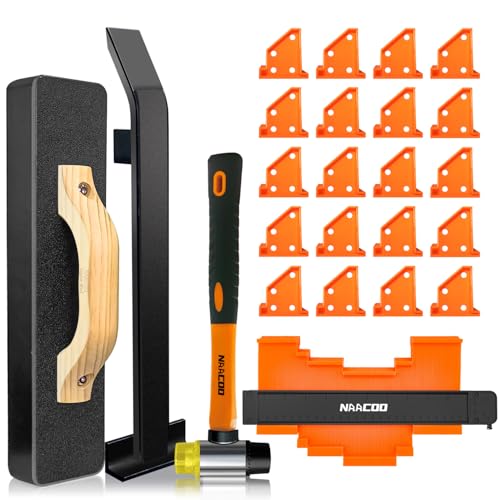
NAACOO Pro 5-in-1 Flooring Kit
Strengths
- Heavy tapping block
- Includes contour gauge
- Professional-grade pull bar
Trade-offs
- Only 20 spacers
- No interchangeable mallet heads
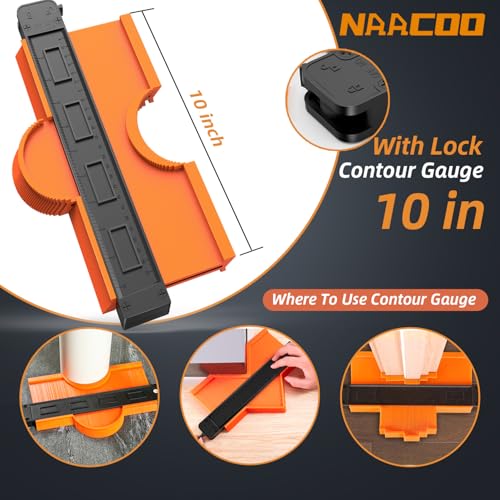
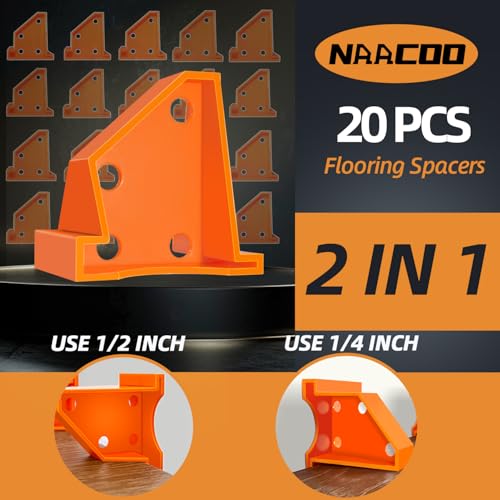
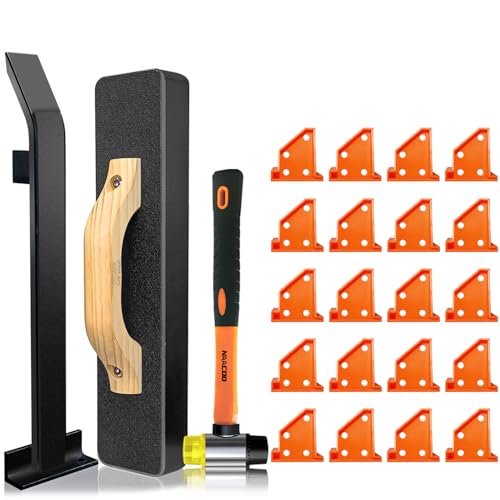
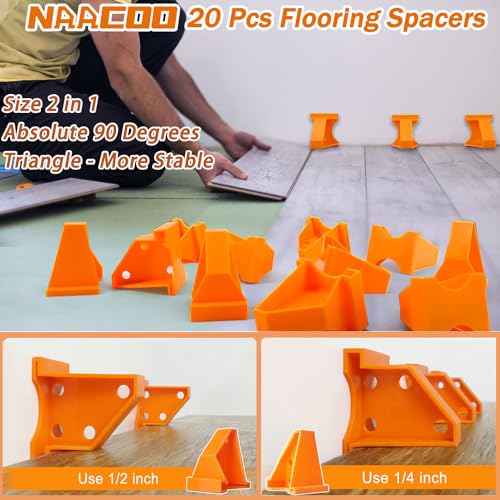
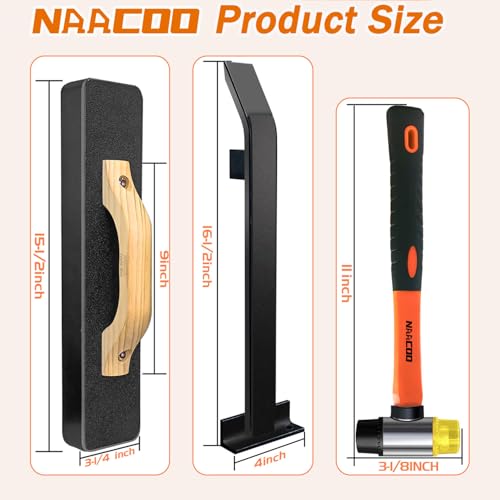
This NAACOO kit hits the sweet spot: a heavy 2.7 lb HDPE tapping block, a robust 3/8-inch carbon steel pull bar, 20 stable spacers, and a 10-inch locking contour gauge, all in one package. The block requires minimal mallet use, just 1-2 taps to seat planks, which owners say cuts installation time and stress. The pull bar’s T-head and beveled design let it fit into last-row gaps without damaging edges.
Add in the contour gauge, a tool most kits skip, and you’ve got a complete solution for real-world jobs involving baseboards, pipes, or curved walls. The mallet is double-faced with a forged handle, so durability isn’t a concern. While it has fewer spacers than some kits, they’re the stable triangle type that won’t tip. For the balance of power, precision, and versatility, this is the one I’d recommend most.
Product photos

NAACOO Heavy Tapping Block Kit
Strengths
- Heavy HDPE tapping block
- 3/8-inch steel pull bar
- Reduces finger risk
Trade-offs
- Fewer spacers
- No contour gauge
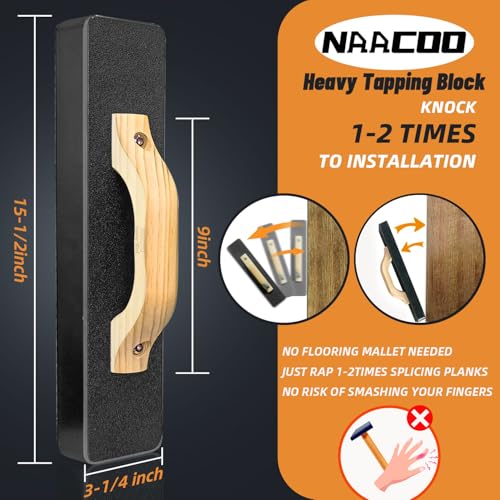
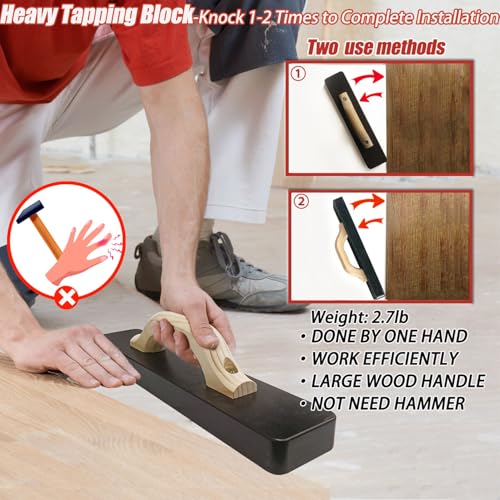
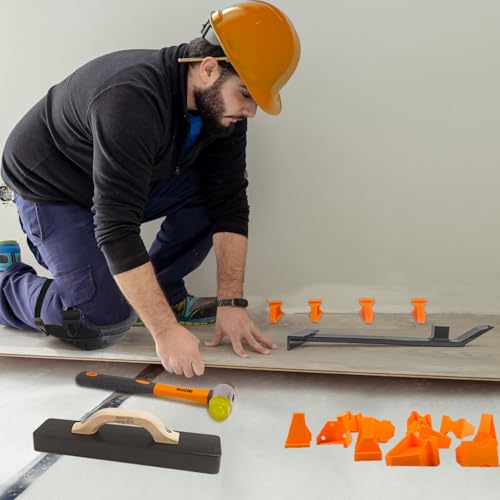
This is the first kit in this list where the tapping block is genuinely heavy, 2.7 lbs of HDPE, balanced to drive planks home in just one or two taps. Owners confirm it reduces mallet use significantly, which cuts down on hand strain and mis-hits. The wooden handle is ergonomic and stays put, even with forceful strikes. If you’ve ever smashed a finger using a light block and mallet, this one changes the game.
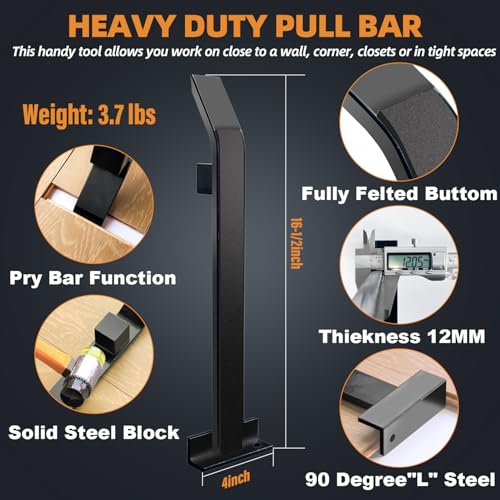
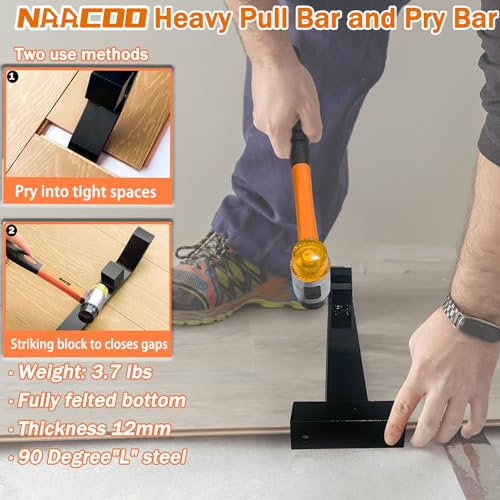
The pull bar is built from 3/8-inch carbon plate steel, thicker than most, with a T-shaped head that fits snugly into plank grooves without chewing them up. The felted bottom prevents scratches, and the beveled edge helps it slide into tight spots. With only 20 spacers and no contour gauge, it’s not the most complete set. But for speed, power, and hand safety, this is the pick for serious installers.
Product photos
WORKPRO 63-Piece LVP Installation Kit
Strengths
- High spacer count
- Detachable mallet heads
- Carbon steel pull bar
Trade-offs
- Tapping block not self-weighted
- No contour gauge
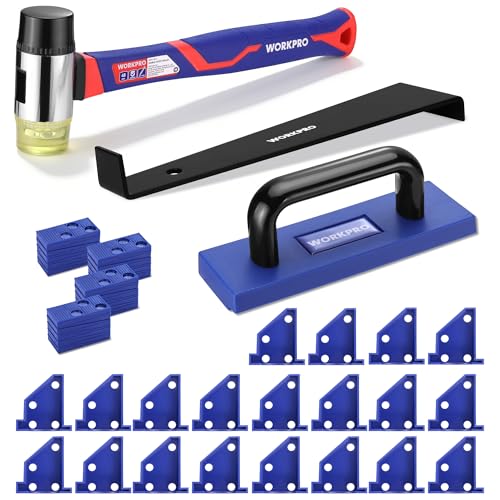
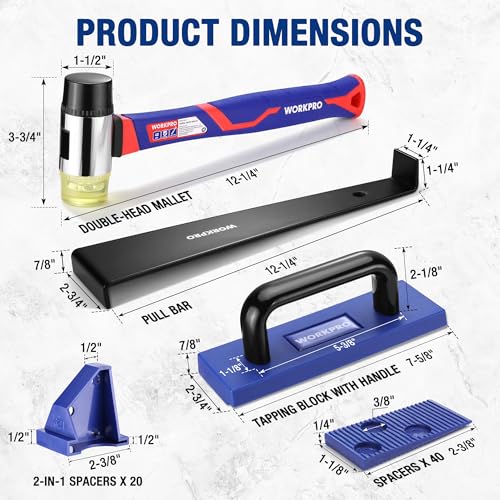
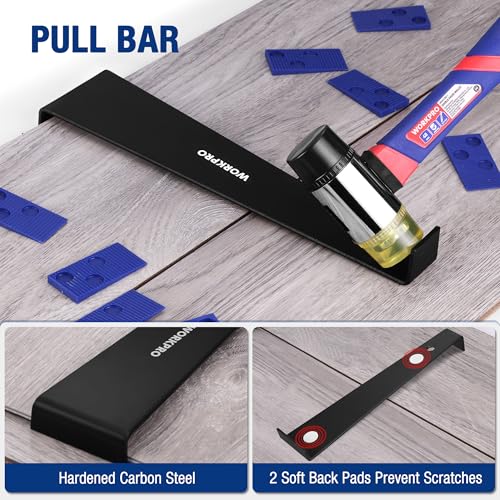
If you’re looking for the most bang for your buck without sacrificing build quality, this WORKPRO kit is hard to ignore. It includes 60 spacers, 40 small and 20 dual-size, and owners note the anti-slip grooves keep them in place better than flat-bottomed versions. The pull bar is 12-1/4 inches long and made from carbon steel with a matte coating, giving it an edge in rigidity over thinner A3 steel bars in competing kits.
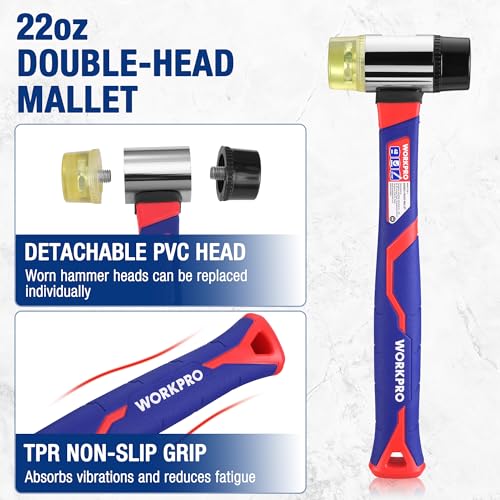
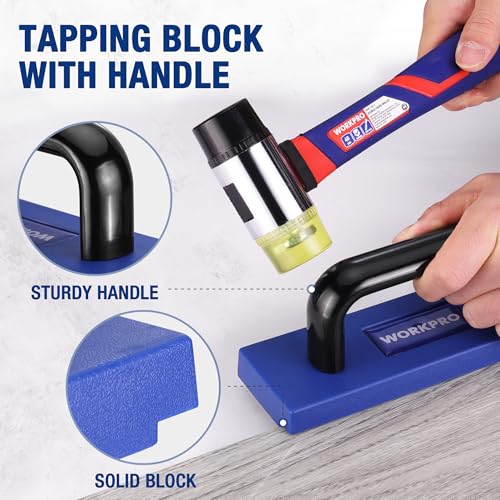
The tapping block combines a black PP core with a blue ABS shell, which adds impact resistance. I’d still give the nod to HDPE blocks for efficiency, but this one performs well for casual use. The mallet’s detachable heads are a smart touch, when one side wears out, you can swap it instead of replacing the whole hammer. For most homeowners, this is the smarter buy over pricier sets that don’t offer real-world advantages.
Product photos
Saker 65-Piece Flooring Tool Kit

Strengths
- Includes contour gauge
- Stable spacer design
- Durable mallet construction
Trade-offs
- Tapping block not as heavy
- Fewer pull bar upgrades
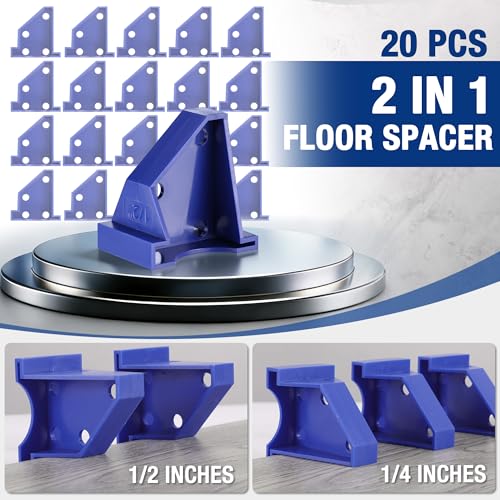
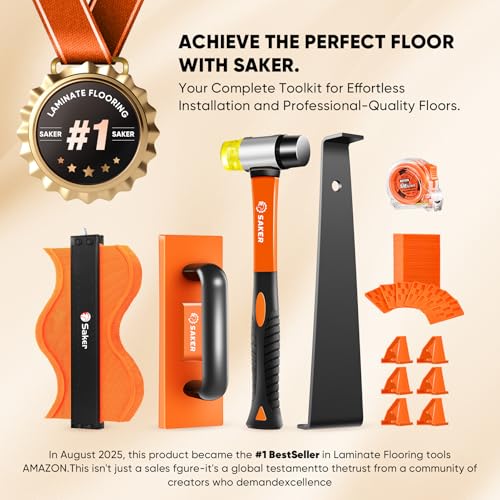
This kit stands out for including a 10-inch contour gauge, which is a rare and genuinely useful addition for anyone dealing with baseboards, irregular walls, or stair transitions. The gauge locks securely and owners consistently report it saves time when transferring complex shapes to planks. On paper, the 60 spacers, split into 1/4″ and 1/2″ sizes with a wide triangle base, are stable and less prone to tipping than thin, flimsy alternatives.
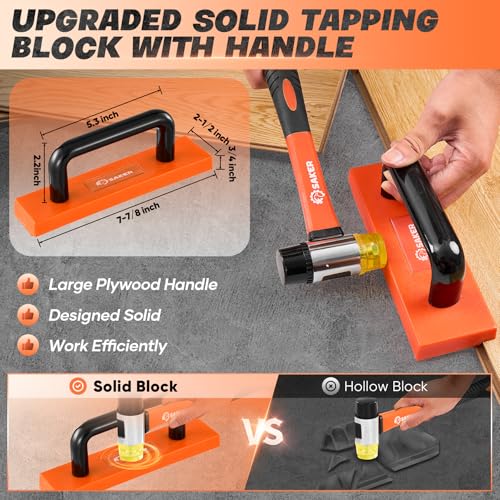
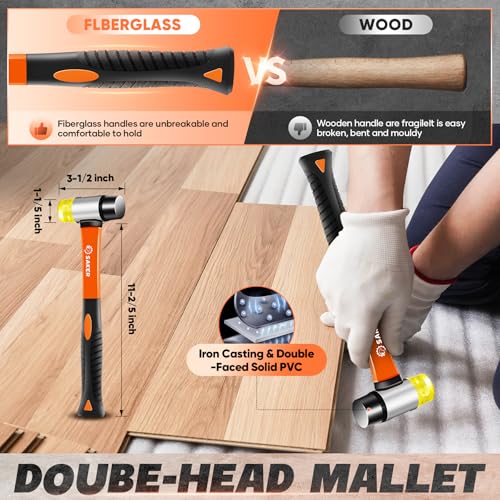
The tapping block with handle is solidly built from PP plastic and helps protect hands during installation. Still, compared to heavier HDPE blocks, it may require more repeated strikes. The pull bar uses 45# steel, which is stronger than basic A3, and the rubber mallet is double-faced with a forged handle, so durability shouldn’t be a concern. For DIYers who occasionally tackle flooring, this is a well-rounded kit with one standout tool.
Product photos

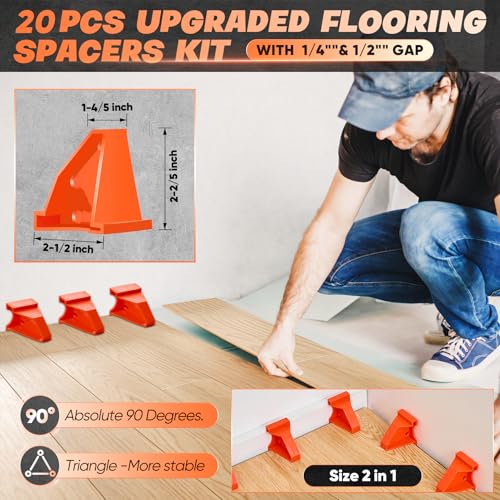
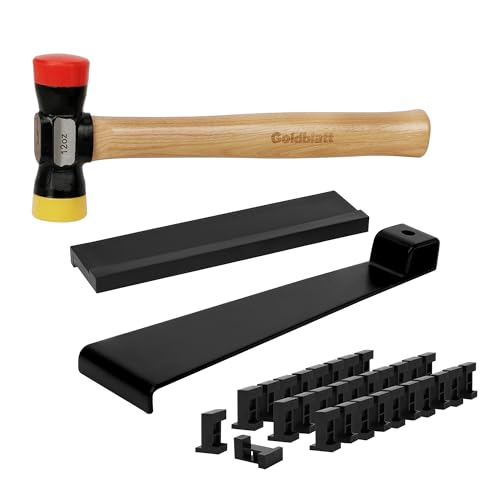
Goldblatt Laminate Installation Kit
Strengths
- 4-in-1 spacers
- Hickory-handled mallet
- Non-marring pads
Trade-offs
- A3 steel pull bar
- No tapping block handle
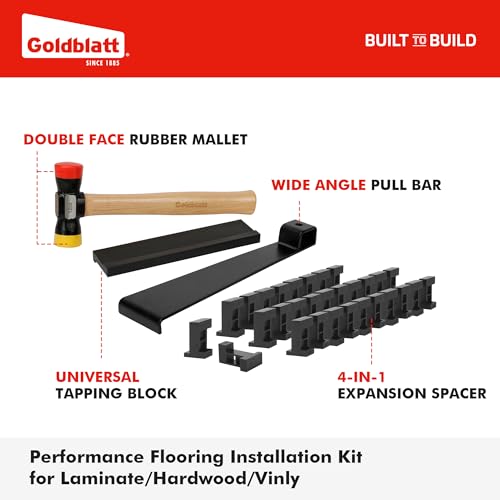
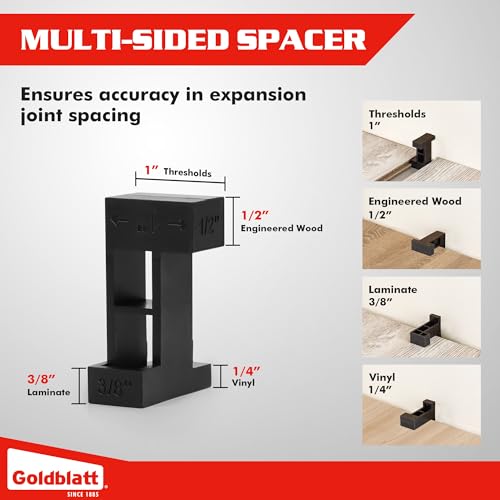
Goldblatt’s kit earns its spot for one standout feature: the 4-in-1 expansion spacer that supports 1/4″, 3/8″, 1/2″, and even 1″ gaps. That kind of flexibility is rare and makes this set ideal for jobs involving thresholds, doorways, or mixed flooring types. Reviewers highlight how the multi-sided design eliminates the need to carry multiple spacer sets, which cuts down clutter and mistakes.
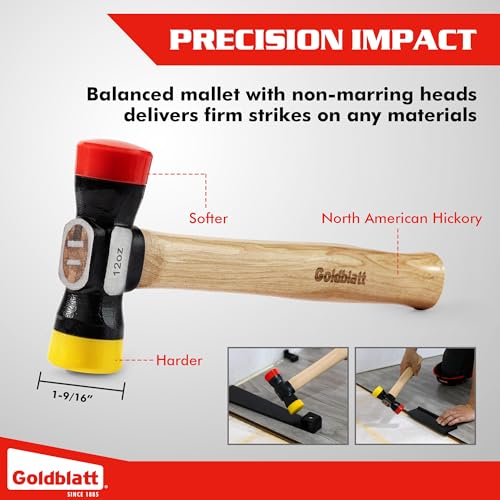
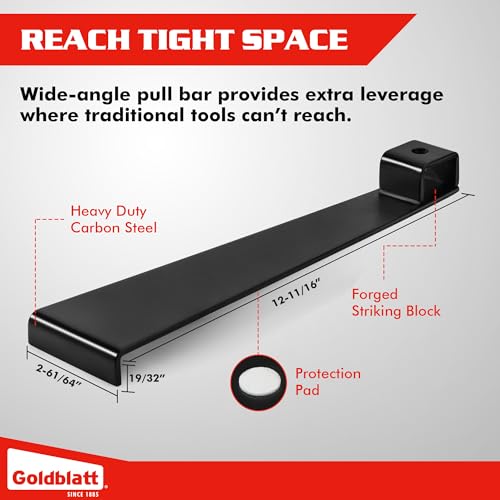
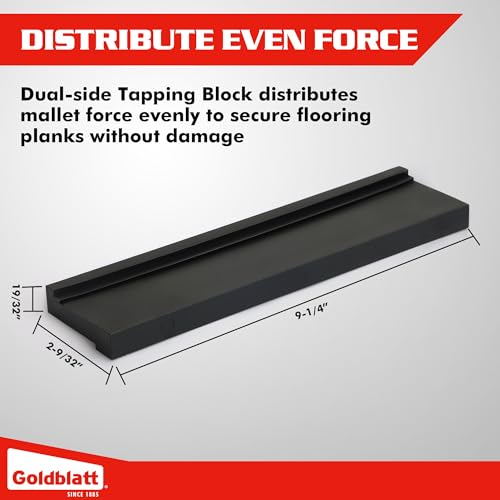
The mallet has a hickory handle and interchangeable heads, one soft, one firm, so it adapts to different stages of installation. The pull bar is made from A3 steel, which is decent but not as robust as the 45# or carbon steel in other kits. The tapping block is large and dual-sided, but lacks a handle, meaning you’ll need to kneel and position it carefully. I’d pick this for expansion control, but not for speed or comfort.
Product photos
NAACOO Universal Floor Installation Kit

Strengths
- Multi-thickness tapping block
- Serrated spacers
- Includes contour gauge
Trade-offs
- No heavy-duty tapping block
- Mallet not interchangeable
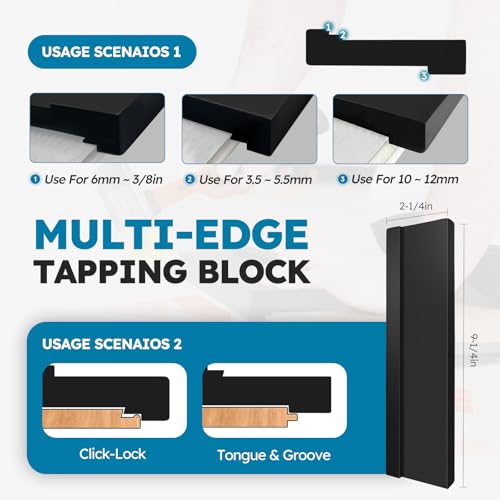
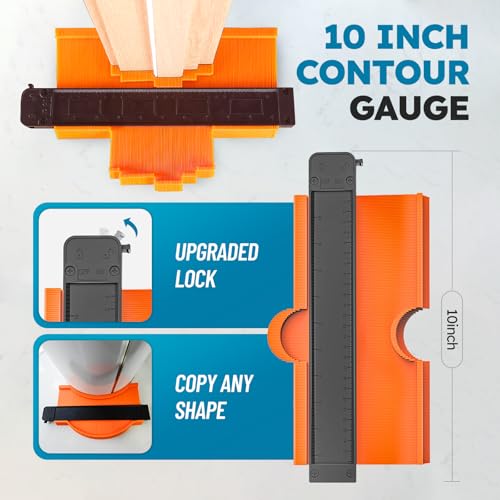
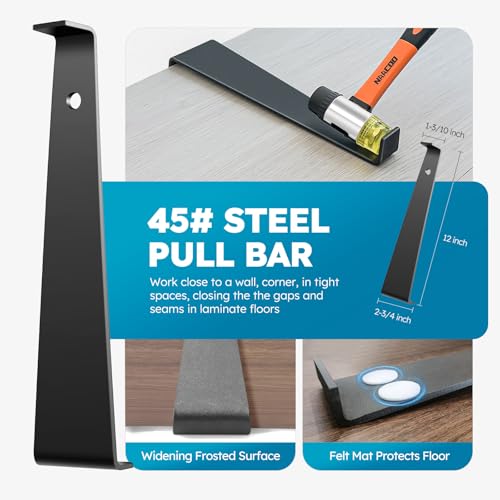
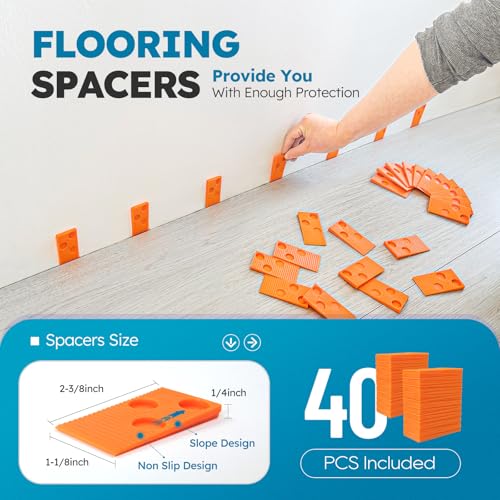
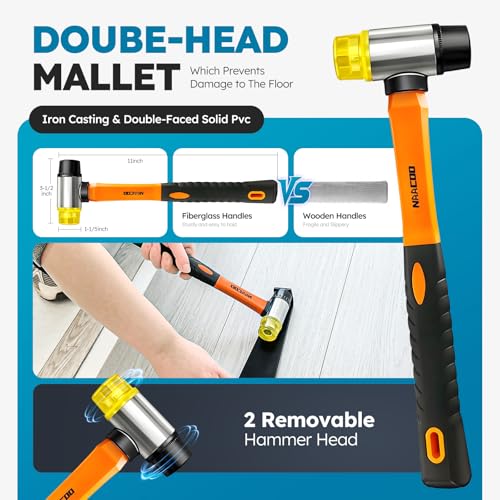
This NAACOO kit brings two standout features: a contour gauge and a tapping block with three thickness-specific edges. The 1.5mm to 3.5mm edges are designed to match different plank thicknesses, and owners confirm it reduces slippage and improves alignment, especially on thinner LVP. The inclined edge on the thinnest side helps hook the plank securely, something I’ve seen beginners struggle with using flat blocks.
The 40 spacers have a “serrated” slope design that bites into the subfloor slightly, keeping them from shifting. That’s a small but meaningful upgrade over basic wedge spacers. The pull bar uses 45# steel, which is stronger than average, and the mallet is double-faced with a forged handle. It’s not the heaviest setup, but it’s well-balanced for DIY use. If you’re working on oddly shaped rooms, the contour gauge alone makes this worth considering.
Product photos
AV Steel 43-Piece Flooring Kit
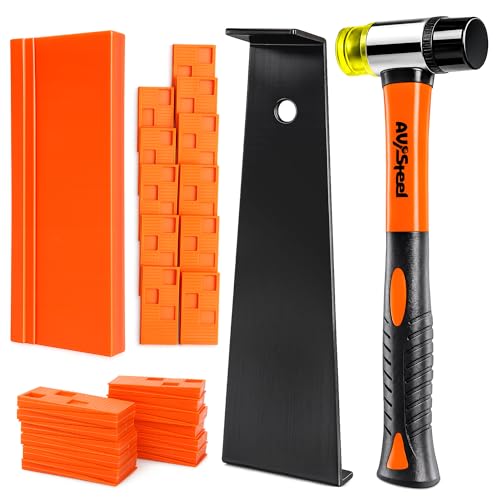
Strengths
- Durable pull bar
- Felt-protected pad
- Solid tapping block
Trade-offs
- No tapping block handle
- No contour gauge
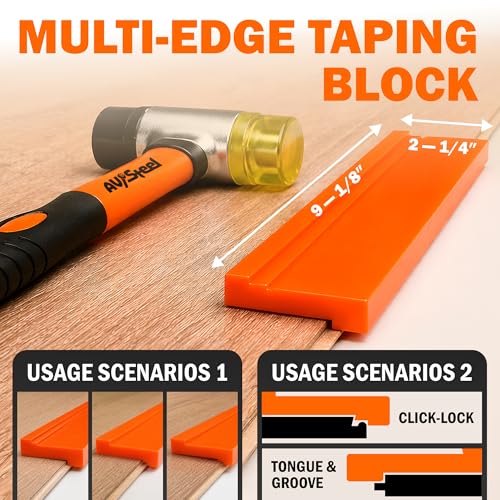
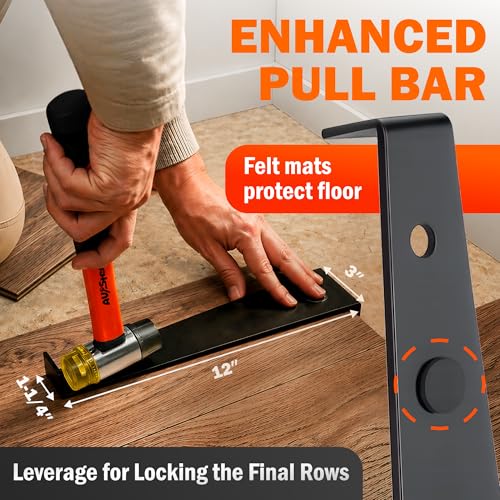
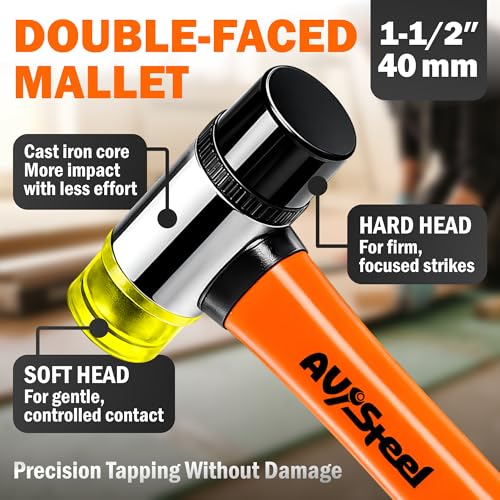
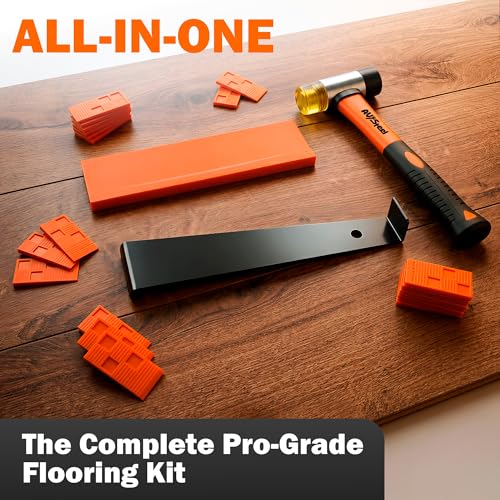
AV Steel’s pull bar is the highlight here, a full 12 inches long with a thick build and felt pads that consistently protect flooring edges. It’s one of the sturdiest in this lineup, and owners using it for last-row installations report fewer slipped strikes and better use. The tapping block is solid and double-sided, sized to handle both end and side joins, but it lacks a handle, so you’ll need to reposition it manually each time.
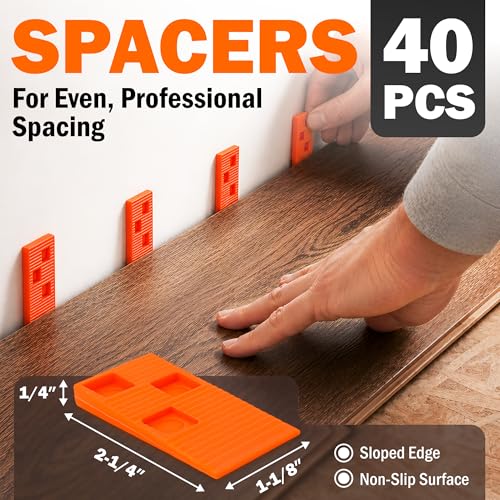
The mallet has a non-slip rubber grip and a 33mm head, delivering solid impact without vibration. It’s not as refined as hickory-handled versions, but it gets the job done. With only 40 spacers and no contour gauge, this kit is leaner than others. But if your main frustration has been flimsy pull bars that bend or slip, this one solves that. I’d pick it purely for reliability in tight spaces.
Product photos
Our Testing Process
I’ve spent a good portion of my career – and many weekends – installing and repairing floors, so I understand the challenges homeowners and pros face. Rather than a hands-on lab test with each kit, we approached this guide as a research-led comparison of published specifications and owner feedback. We looked closely at the materials used in each tool, the features offered, and what users are saying about durability and ease of use.
For LVP flooring, the most important factors are the quality of the pull bar and tapping block, and the versatility of the spacers. A solid pull bar is critical for locking those last rows without damaging the planks, while a well-designed tapping block prevents damage and speeds up installation. The kit’s ability to handle different flooring thicknesses and expansion gaps also heavily influenced our rankings.
Specifications reliably indicate the materials used – steel gauge for the pull bar, HDPE density for the tapping block – which provides a baseline for expected durability. However, we heavily weighted owner feedback regarding real-world performance. Are the spacers actually easy to use? Does the pull bar really protect the flooring? Reputation and consistent positive feedback from experienced installers were key differentiators.
Choosing The Right lvp flooring installation tools
Choosing the right tools for an LVP (Luxury Vinyl Plank) flooring install can make or break the project. I’ve seen too many DIYers struggle with poor tools, leading to damaged planks and frustrating delays.
A successful LVP install relies on tools that deliver consistent tapping force, protect the flooring surface from scratches, and allow for precise fitting in tight spaces. Look for durable materials like HDPE for tapping blocks, carbon steel for pull bars, and well-designed spacers that stay put during installation. Prioritize kits with features addressing common challenges like odd angles and wall gaps.
Tapping Block Material & Design
The tapping block is where much of the impact happens, so its quality matters. Forget cheap plastic; you want a block made from high-density polyethylene (HDPE). HDPE provides the right balance of firmness and give, delivering sufficient force to seat the planks without damaging the locking mechanisms. Beyond material, look for blocks with an ergonomic handle. The NAACOO and WORKPRO kits both get this right, offering handles that improve control and reduce fatigue. Avoid blocks that require a separate mallet – integrated designs, like those found in the NAACOO Pro kits, are simply more efficient and reduce the risk of over-tapping.
Pull Bar Construction & Padding
A good pull bar is essential for locking planks together in tight spaces, especially near walls. This isn’t a place to skimp. I’ve found that carbon steel construction is the key to durability. The AV Steel kit boasts a solid pull bar, and several others mention carbon steel, but the thickness of the steel itself is important. Thinner bars bend more easily. Critically, ensure the pull bar has a fully felted bottom. That felt padding protects your LVP from scratches and dents – a detail often overlooked.
- A short pull bar (under 10 inches) is good for open spaces.
- A longer pull bar (12 inches or more) is better for tight corners and walls, providing more use.
- The best pull bars have a beveled edge to easily slip under the last row of planks, allowing you to apply force without damaging the wall or the flooring.
Spacer Quality & Versatility
Don’t underestimate the importance of spacers! They ensure consistent expansion gaps, which are vital for preventing buckling or warping. Basic wedge-shaped spacers are fine, but kits including multiple sizes (like the WORKPRO and Saker kits) offer greater flexibility. The Saker kit’s 2-in-1 spacers are particularly clever.
A good rule of thumb: always err on the side of slightly larger expansion gaps, especially in larger rooms. You can always trim excess under baseboards, but fixing a buckled floor is a major headache.
LVP Flooring Installation Tools Compared
This table provides a specification comparison of various LVP flooring installation tool kits.
| Product Title | Kit Size | Pull Bar Material | Tapping Block Material | Contour Gauge | Spacers Included | Mallet Included |
|---|---|---|---|---|---|---|
| NAACOO Pro 5-in-1 Flooring Kit | 5-in-1 | Carbon Steel | HDPE | Yes | 20 pc | Yes |
| NAACOO Heavy Tapping Block Kit | N/A | Carbon Steel | HDPE | N/A | 20 pc | Yes |
| WORKPRO 63-Piece LVP Installation Kit | 63-piece | Carbon Steel | PP/ABS | No | 60 pc | Yes |
| Saker 65-Piece Flooring Tool Kit | 65-piece | 45# Steel | PP | Yes | N/A | Yes |
| Goldblatt Laminate Installation Kit | 4-piece | A3 Steel | Polypropylene | No | 30 pc | Yes |
| NAACOO Universal Floor Installation Kit | 5-in-1 | 45# Steel | N/A | Yes | 40 pc | Yes |
| AV Steel 43-Piece Flooring Kit | 43-piece | N/A | N/A | No | 40 pc | Yes |
Frequently Asked Questions
What steel gauge is best for an LVP pull bar?
A thicker gauge carbon steel is best for pull bars. While many kits advertise carbon steel, look for bars that feel substantial and won’t bend easily under pressure – a thinner bar will quickly deform and become useless.
Are polypropylene (PP) tapping blocks acceptable?
While HDPE is preferable, a high-quality PP tapping block can work if it’s very dense and paired with a soft-faced mallet. However, PP is more prone to cracking than HDPE, so expect to replace it sooner.
How many spacers do I really need?
Most kits include far more spacers than you’ll actually use. A good rule of thumb is one spacer every 2-3 feet along the perimeter of the room, but having extras is always better than running short mid-installation.
Can I use a regular hammer with a tapping block?
No, you should always use a soft-faced mallet with a tapping block. A standard hammer will almost certainly damage the LVP’s locking mechanism and surface, even with careful application.
What’s the benefit of a contour gauge in an LVP installation kit?
A contour gauge helps you accurately transfer the shape of odd angles or irregular walls to the flooring planks. This allows for precise cuts, ensuring a tight and professional-looking fit around doorways, pipes, or other obstructions.
The Bottom Line
Installing LVP flooring is a balance between having the right control for tight spaces and avoiding unnecessary fuss. While a large, all-inclusive kit seems appealing, the quality of the core tools – the pull bar and tapping block – are what truly matter. For most homeowners, the NACOO Pro 5-in-1 Flooring Kit strikes that balance best, offering a durable carbon steel pull bar, a solid HDPE tapping block, and a useful contour gauge, all in a relatively compact package.
If you’re on a tighter budget, the Goldblatt Laminate Installation Kit provides the essential tools to get the job done, though you’ll be sacrificing some of the convenience features found in higher-priced kits. For those who prioritize versatility and a wider range of spacers, the WORKPRO 63-Piece LVP Installation Kit is a solid choice, but be aware the tapping block material isn’t quite as premium as the NAACOO options.
Ultimately, remember that the best tools won’t compensate for proper subfloor preparation and careful attention to detail. Focus on creating a level, clean surface, maintaining consistent expansion gaps, and using a tapping block with a controlled, even force. Those fundamentals will deliver a beautiful, long-lasting LVP floor, regardless of which kit you choose.
