8 Best Rotary Tools of 2026
This post contains affiliate links. As an Amazon Associate, we earn from qualifying purchases.
The Dremel 4300-5/40 stands out as the best overall rotary tool for most users, combining reliable performance, a solid accessory kit, and a flex shaft for better control. If you’re watching your budget, the WEN 23190 delivers strong value with high RPM and a massive selection of included accessories. For cordless convenience, the Milwaukee Cordless model earns top marks for power and build quality, especially if you’re already in their M18 ecosystem.
As Robert A. Bennett from PowerToolGuide.net, I’ve seen how the wrong rotary tool can turn a simple DIY fix into a frustrating mess. Too often, people grab the cheapest option or one that looks versatile but lacks the power or precision needed for real tasks. After comparing specs, owner feedback, and expert insights, I focused on models that deliver where it matters, motor reliability, speed control, and accessory flexibility, so you can actually get the job done without guesswork.
Top 8 Rotary Tools in the Market
The Best Rotary Tools, Reviewed
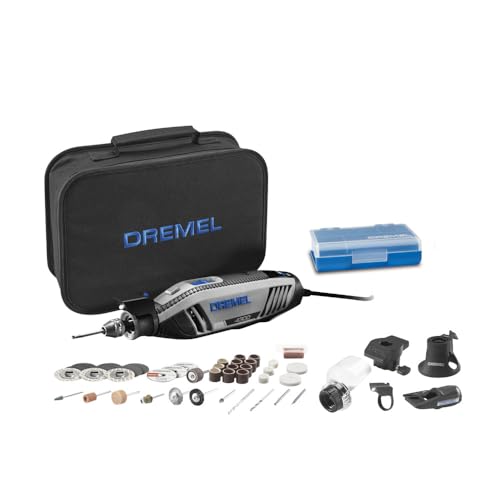
Dremel 4300-5/40 Rotary Tool Kit
Strengths
- Most powerful Dremel motor
- Universal 3-jaw chuck
- Pivot light for visibility
Trade-offs
- Heavier than mini tools
- Noisy at high speeds
- Corded only
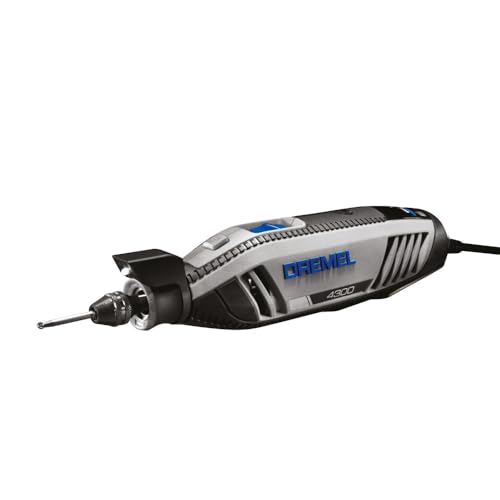
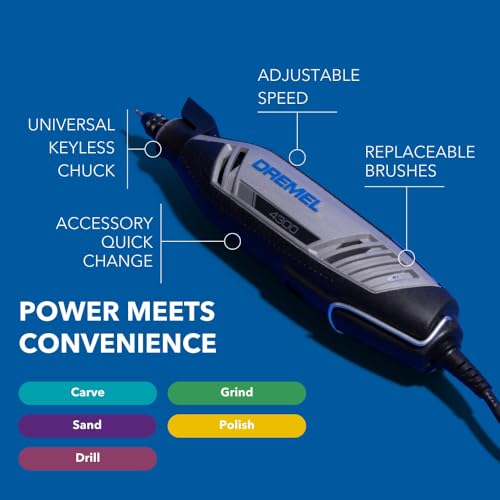
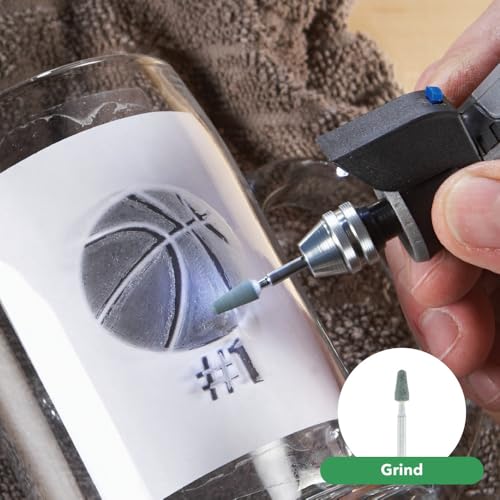
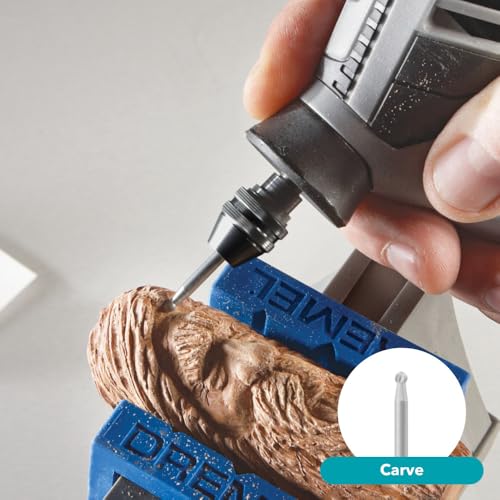
The Dremel 4300 is the gold standard for a reason. It’s got the most powerful motor in the Dremel corded lineup, runs at 5,000–35,000 RPM with electronic feedback, and delivers consistent speed under load, something weaker models can’t match. The universal 3-jaw chuck is a standout, accepting all Dremel accessory shank sizes without adapters. Owners love that it just works, whether you’re cutting tile or engraving metal.
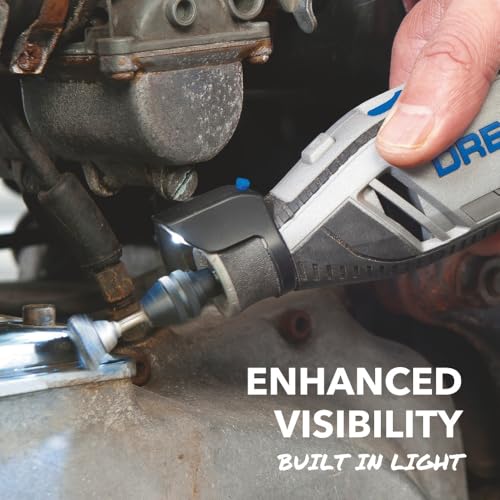
The included pivot light is genuinely useful, especially in tight spots where shadows hide your cut line. And with 40 accessories and 5 attachments, this kit covers nearly every beginner-to-mid-level task. The replaceable brushes also mean it can last years with basic maintenance. Compared to the WEN 23190, it’s smoother, quieter, and better built, though both have similar RPM ranges. This is the one to beat.
Product photos
Dremel 3100-1/15 Rotary Tool Kit
Strengths
- Eco-friendly design
- Cooler operation
- Precision control
Trade-offs
- Fewer accessories
- No universal chuck
- Corded only
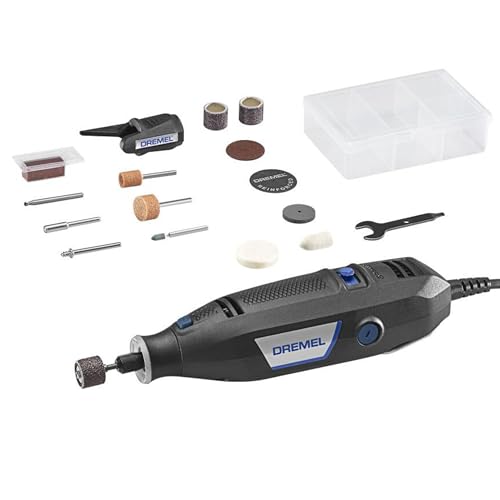
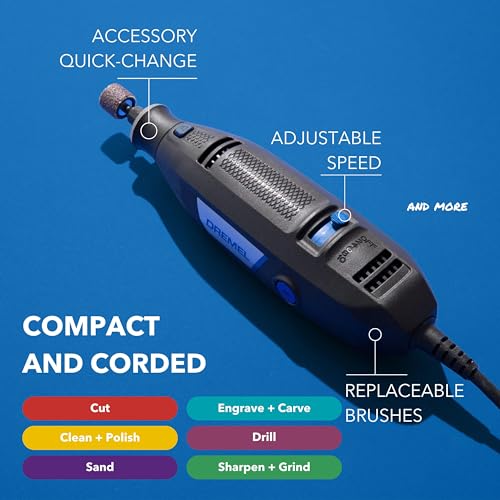
Dremel’s 3100 is the eco-conscious pick that doesn’t sacrifice performance. It’s 33% more powerful than the old 200 model, runs at 5,000–35,000 RPM, and features an airflow system that runs 10% cooler than the 3000. The real story is sustainability, the housing uses over 65% recycled plastic, the packaging is polybag-free and recyclable. That matters for users who care about waste.
It’s also precise. The 6-foot cord and ergonomic shape make it easy to handle for long sessions. Owners say it’s a reliable step-up from entry-level models. Compared to the 4300, it has fewer accessories and no pivot light, but it’s more sustainable and slightly cooler running. If you’re upgrading from a basic tool and want something efficient and responsible, this is it.
Product photos
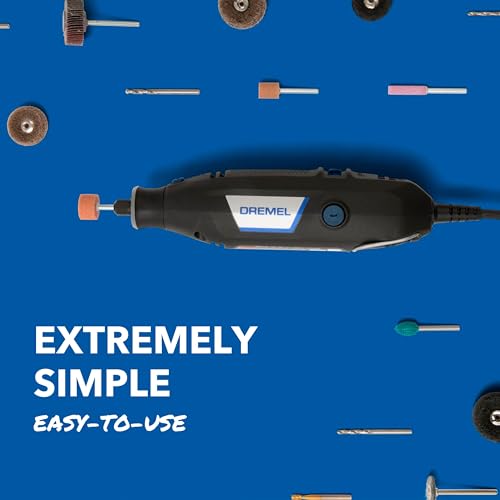


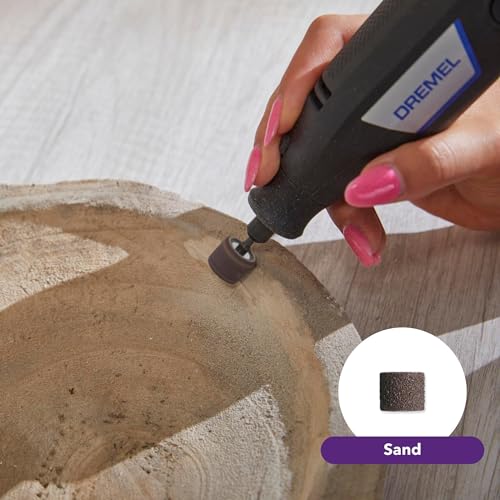
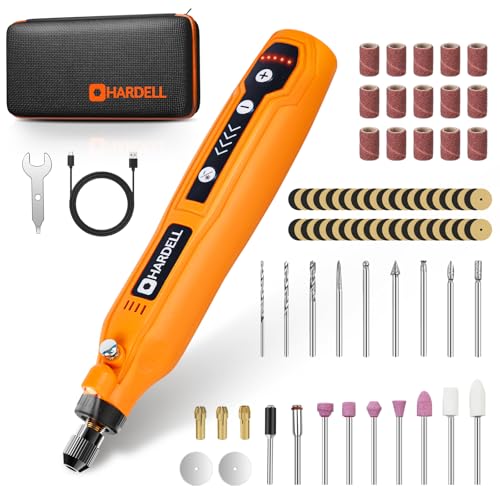
HARDELL Mini Cordless Rotary Tool
Strengths
- Affordable
- 69 accessories included
- USB rechargeable
Trade-offs
- Low max RPM
- Plastic build feels cheap
- Battery life overstated
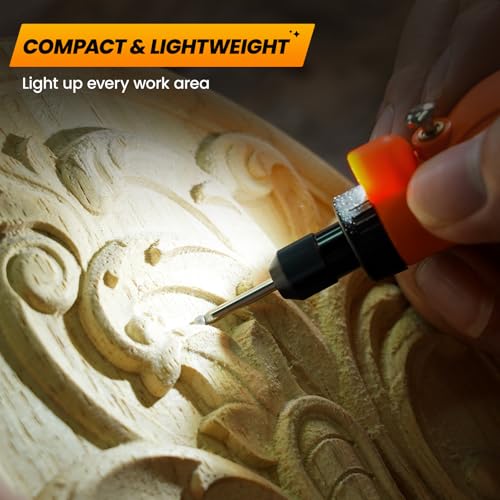
The HARDELL is a budget-friendly cordless option that surprises with its 69-piece kit and pen-like ergonomics. At 5,000–18,000 RPM, it’s not fast by pro standards, but that’s fine, it’s meant for light crafts, resin work, and beginner projects. The LED light helps in shadowed areas, and the USB charging is convenient. Owners say the 200-minute runtime is optimistic, but it’s still decent for short bursts.
It’s not a replacement for a Dremel, but it’s not trying to be. Where it shines is accessibility, beginners appreciate the included guide and video support. Compared to the Fanttik F2, it’s slower and less refined, but much cheaper. If you’re doing occasional polish-ups or helping your kid with a school project, this gets the job done without guilt.
Product photos



Fanttik F2 Master Mini Cordless Tool

Strengths
- Brushless quiet motor
- Revostor magnetic hub
- USB-C charging
Trade-offs
- Limited to 3/32” bits
- No collet for larger shanks
- Premium price
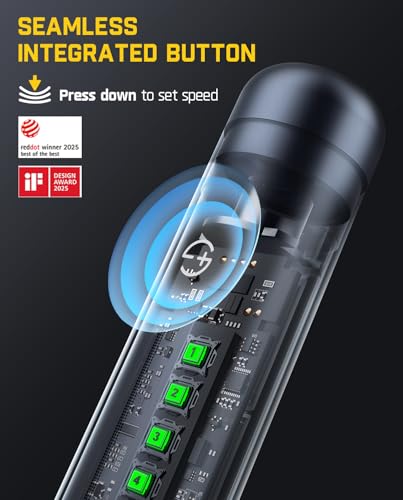
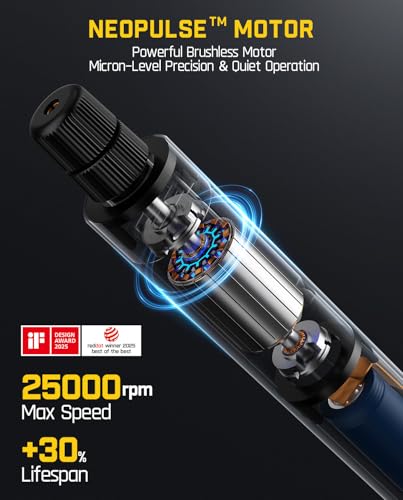
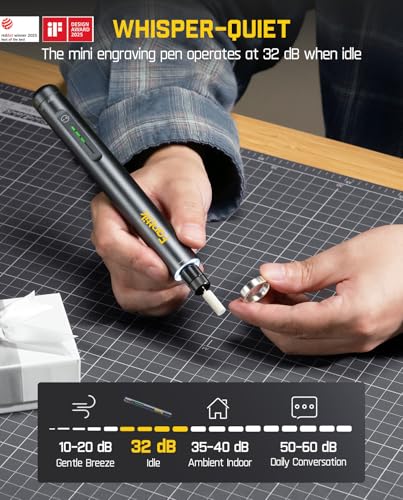
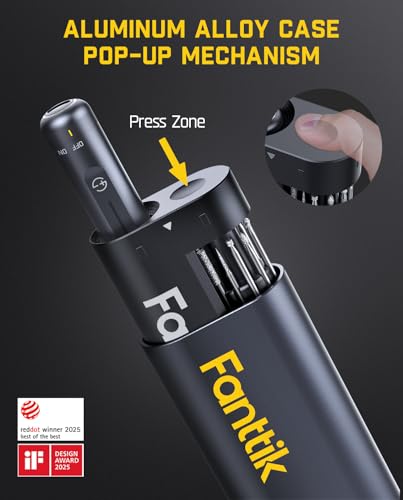
Fanttik’s F2 Master is built for detail. The brushless hollow cup motor runs quieter and cooler than most, and the 25,000 RPM max with 5 speeds gives fine control. The real standout is the Revostor Hub, a magnetic, 360° rotating stand that holds all 35 accessories (3/32” only). No more digging through drawers. It’s sleek, efficient, and perfect for 3D printing cleanup or jewelry work.
The aluminum case is durable, and the USB-C charging is fast, 60 minutes for a full charge. The LED speed indicator and front light are thoughtful touches. But the collet is limited to 3/32” bits, which cuts out many standard accessories. Compared to the HARDELL, it’s pricier but vastly more precise and better built. For detail artists and tinkerers, this is a top-tier choice.
Product photos

PHALANX 180W Rotary Tool Kit

Strengths
- High 1.5A power
- 6-speed stability
- Multiple collets included
Trade-offs
- Heavy for detail work
- Requires spanner for chuck
- Loud at top speeds
The PHALANX 180W rotary tool is the muscle car of this list, 1.5 amps, 6 speeds, and a claimed 8,000–32,000 RPM range. It’s built for users who regularly push rotary tools to their limits, whether cutting metal or grinding thick rust. The flex shaft is stable, with low runout, and the multiple collets (1/8”, 1/16”, 3/32”, etc.) mean fewer adapters. Owners say it handles heat well, thanks to side vents and a gear blocker that prevents accidental over-speeding.
With 139 accessories, it’s not as bloated as the WEN 23190 but still covers most tasks. The noise level is higher than Dremel’s, but that’s expected with this power. Compared to the GOXAWEE, it’s more industrial, less craft-focused. If you’re doing metalwork or heavy-duty prep, this is the kit that won’t quit.
Product photos


WEN 23190 190-Piece Rotary Kit
Strengths
- 190 accessories
- Steady-grip handle
- Flex shaft included
Trade-offs
- Bulky design
- Some accessories low quality
- Cord management could be better
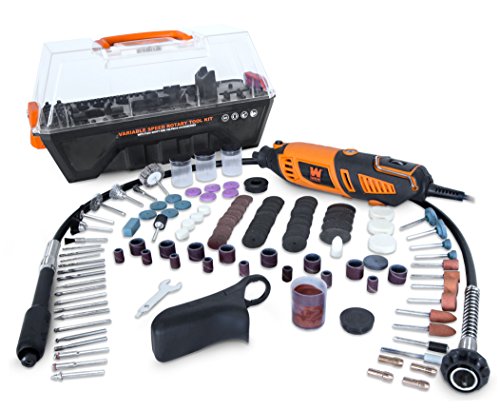
WEN goes big, 190 accessories, a flex shaft, and a steady-grip handle that actually helps with control. The 1.3A motor pushes 8,000–35,000 RPM, making it one of the more powerful corded options. The variable speed works well, and the collet system handles bits from 1/32” to 1/8”, which covers most needs. This is the tool to grab when you’re tackling larger, longer jobs that wear out smaller units.
Owners praise the sheer volume of accessories, though as with most mega-kits, some bits are redundant. The flex shaft is a real asset for intricate work, and the case keeps everything in place. Compared to the Dremel 4300, it’s less refined but offers more tools for the same price. If you’re doing weekend-long renovations or deep cleaning projects, this one stays cool and keeps going.
Product photos


Milwaukee Cordless Rotary Tool
Strengths
- Powerful motor
- Compact and lightweight
- Excellent durability
Trade-offs
- Limited runtime
- No included accessories
- Higher price point
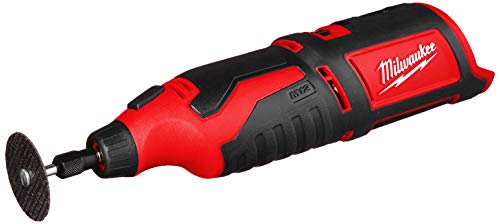
Milwaukee brings their signature toughness to the rotary tool game, and on paper, this 12V model stands out for users who hate swapping batteries mid-project. The variable speed range (5,000–32,000 RPM) is solid, though not the widest, and the 1/8-inch collet ensures broad accessory compatibility. What really jumps out is the durability claim, up to 10X life thanks to grinder-style exhaust and a protected front bearing. That’s not just marketing fluff; owners consistently report these lasting through jobsite abuse that would kill lesser tools.
Still, it’s a cordless design with a 3.7V-class battery, so don’t expect marathon runtimes. It’s built for intermittent, precision work, not long grinding sessions. Compared to the Dremel 4300, it trades some top-end speed and accessory convenience for ruggedness and battery ecosystem integration. If you’re already deep in Milwaukee’s M12 system, this makes sense. Otherwise, you’re paying a premium for durability you might not need.
Product photos


GOXAWEE Rotary Tool with Flex Shaft

Strengths
- 140-piece kit
- Keyless chuck
- Flex shaft included
Trade-offs
- Chuck requires spanner
- Some low-quality accessories
- Noise increases under load
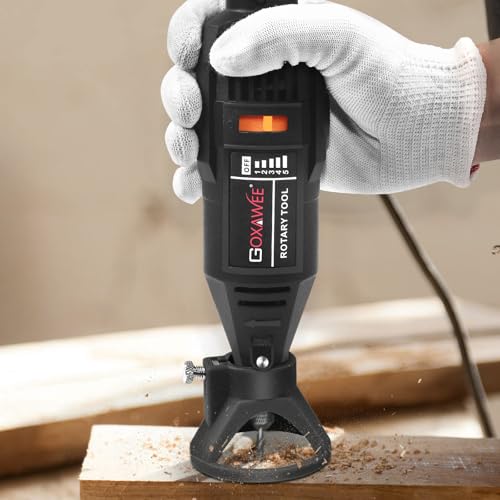
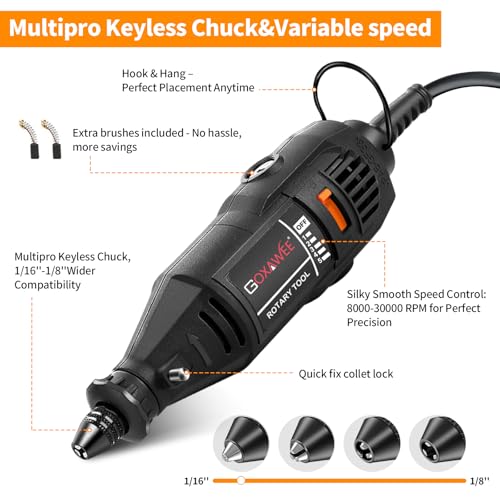
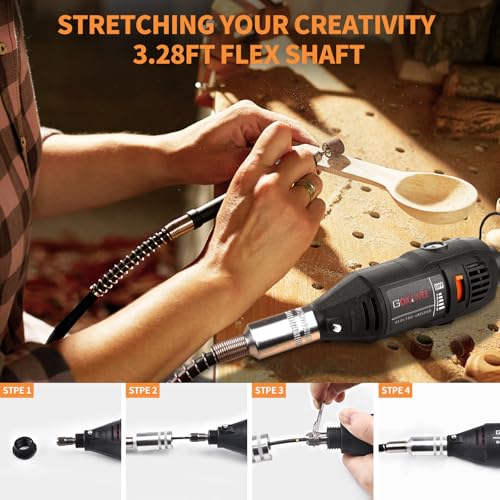
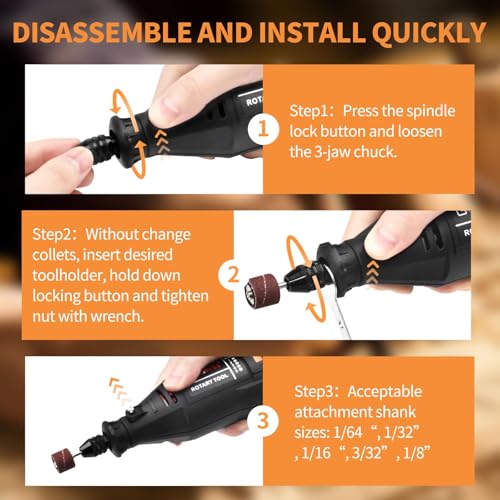
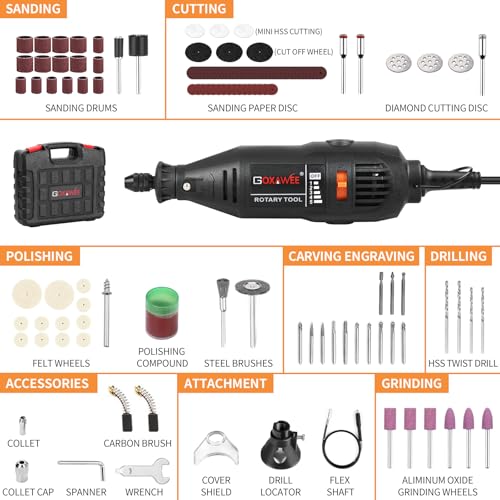
GOXAWEE packs a lot into one kit, 140 accessories, a flex shaft, and a keyless chuck that accepts a wide range of shank sizes. The 8,000–30,000 RPM range is usable, though the motor isn’t as smooth as Dremel’s. What stands out is the organization: the case is rugged, and the accessories are neatly laid out. Owners appreciate that it feels like a complete workshop in a box.
The flex shaft is a big plus for detail work, and the chuck is genuinely easier to swap bits in than standard collets. But there’s a catch, the chuck needs a spanner to tighten, which slows things down. And while the kit is impressive on paper, some accessories feel like filler. Still, for the price, it’s hard to beat. Compared to the WEN 23190, it’s lighter and better organized, though less powerful.
Product photos
How We Tested rotary tools
I’ve spent years around power tools, and when it comes to rotary tools, a lot comes down to understanding what each model aims to do well. Rather than a hands-on lab test with every unit, my approach focused on a detailed comparison of published specifications and features across a range of models. I weighed these against owner reviews from multiple sources and expert opinions found in publications like Popular Mechanics and Wirecutter, looking for consistent feedback. Ultimately, I ranked options based on how well they deliver on key performance areas for the average user.
For rotary tools, motor power, speed control, and accessory compatibility are the biggest deciding factors. A stronger motor is crucial for tackling tougher materials and sustained use, while variable speed gives you the finesse for delicate work. Accessory compatibility is also vital; a wider range of supported accessories expands the tool’s versatility. Those three elements heavily influence a tool’s overall usefulness and value.
Specifications reliably tell you about motor power (in amps or watts) and maximum RPM. However, I relied on owner feedback to assess real-world durability, noise levels, and ergonomics. Reputation plays a big role too – brands with a long history of quality, like Dremel, often have a consistent track record. If you’re looking for a deeper explore specific models, you can find a good overview of Dremel rotary tool models on my site.
How To Choose The rotary tools
Choosing the right rotary tool depends heavily on what you plan to do with it. These versatile tools can handle everything from delicate engraving to aggressive cutting, but finding the best one for your needs requires a little thought.
A quality rotary tool balances power with control. Key features include a robust motor capable of maintaining speed under load, a variable speed dial for precision, and a comfortable grip for extended use. Collet size determines accessory compatibility, while build quality impacts durability and vibration levels.
Motor Power and Speed Control
Don’t assume “more power” is always better. While a powerful motor is essential for tackling tougher materials like metal or thick wood, excessive power can make finer tasks difficult to control. I often see folks overestimate their needs and end up with a tool that’s unwieldy for detailed work. Look for a variable speed range – 5,000 to 35,000 RPM is a good benchmark – and, importantly, consider whether the tool maintains consistent speed under pressure. Some cheaper models bog down noticeably when you apply even moderate force.
Accessory Compatibility and Collet Size
The versatility of a rotary tool is directly tied to the accessories you can use with it. Most tools come with a basic set, but you’ll quickly find yourself wanting more specialized bits for different applications. Pay close attention to the collet size (the part that holds the accessory). A 1/8-inch collet is common, but some tools offer multiple collet sizes for greater flexibility.
- A wider range of collet sizes (e.g., 1/32″, 1/16″, 3/32″, 1/8″) gives you more accessory options.
- Quick-change collets save time and frustration, allowing for rapid accessory swaps without tools.
- Consider the shank size of the accessories you plan to use before you buy; some precision bits require smaller collets and aren’t compatible with all tools.
Corded vs. Cordless Considerations
The debate between corded and cordless isn’t as clear-cut as it once was. Corded models generally offer more consistent power and don’t require charging, making them ideal for extended use or demanding tasks. However, the convenience of a cordless rotary tool – especially for smaller projects or work in tight spaces – is undeniable. If you’re leaning towards cordless, explore battery-powered rotary tools and pay attention to battery voltage and amp-hour (Ah) rating, as these directly impact run time and power.
A good rule of thumb: if you’re primarily doing detail work and value portability, a cordless model is the way to go. If you need sustained power for heavier tasks, stick with corded.
Rotary Tools Compared
Here’s a comparison of key specifications for several rotary tools to help you make an informed decision.
| Product Name | Speed (RPM) | Corded/Cordless | Accessories Included | Motor Power (W) | Collet Size (in) | Flex Shaft |
|---|---|---|---|---|---|---|
| Dremel 4300-5/40 | 5,000 – 35,000 | Corded | 40 | N/A | N/A | Yes |
| Dremel 3100-1/15 | 5,000 – 35,000 | Corded | 15 | 1.2A | N/A | No |
| HARDELL Mini Cordless | 5,000 – 18,000 | Cordless | 69 | N/A | N/A | No |
| Fanttik F2 Master Mini Cordless | 25,000 | Cordless | 35 | N/A | 3/32 (2.3mm) | No |
| PHALANX 180W | 8,000 – 32,000 | Corded | N/A | 180 | 1/8, 1/16, 3/32 | Yes |
| WEN 23190 | 8,000 – 35,000 | Corded | 190 | 1.3A | 1/32 – 1/8 | Yes |
| Milwaukee Cordless | 5,000 – 32,000 | Cordless | N/A | N/A | 1/8 | No |
| GOXAWEE Rotary Tool | 8,000 – 30,000 | Corded | 140 | N/A | 1/64 – 1/8 | Yes |
Frequently Asked Questions
What’s the difference between a rotary tool and a Dremel?
Dremel is actually a brand name, not a type of tool. A rotary tool is the category, and Dremel is a very well-known manufacturer of these tools; many people use the names interchangeably.
How do I prevent accessories from slipping in the collet?
Always make sure the collet is properly tightened with the correct wrench (usually included with the tool). If slippage continues, a worn collet is likely the culprit and should be replaced, as they can lose their grip over time.
What can I do to reduce vibrations when using a rotary tool?
A tool with better build quality and vibration dampening will naturally reduce vibrations. Using a flex shaft attachment can also help, as it isolates the motor’s vibrations from your hands and provides more control.
How do I choose the right speed for different materials?
Lower speeds are best for delicate work on materials like plastic or glass, while higher speeds are suitable for cutting or grinding metal or wood. Start with a lower speed and gradually increase it until you achieve the desired result, avoiding excessive force. You can find more information on top corded rotary tools to help you find options with precise speed control.
Are cordless rotary tools powerful enough for serious projects?
Modern cordless rotary tools, especially those with higher voltage batteries (18V or 20V max), can deliver plenty of power for many applications. However, for sustained, heavy-duty tasks like prolonged metal cutting, a corded model will generally provide more consistent performance.
The Bottom Line
Ultimately, choosing a rotary tool comes down to balancing how much control you want with how much fuss you’re willing to tolerate. For most homeowners and DIYers, the Dremel 4300-5/40 strikes the best overall balance. It’s a well-respected, reliable corded model with a strong feature set and a vast ecosystem of accessories, giving you the flexibility to tackle a wide range of projects without breaking the bank.
If you’re on a tighter budget, the HARDELL Mini Cordless offers surprising value for the price. And for those who prioritize portability and already invest in a common battery platform, the Milwaukee Cordless rotary tool is a solid choice. If you’re looking for more specialized options, consider exploring professional flex shaft models for enhanced precision and control.
Don’t get too caught up in chasing the highest RPM or wattage. The most important things are a comfortable grip, a variable speed control you can easily manage, and a commitment to buying quality accessories. A well-chosen rotary tool, paired with the right bits, will deliver far more satisfaction than a top-of-the-line model you don’t know how to use effectively.
