9 Best Multitools of 2026
This post contains affiliate links. As an Amazon Associate, we earn from qualifying purchases.
The Leatherman Wave+ stands out as the overall best multitool for most people, combining rugged build quality with essential, easy-to-access tools. If you’re watching your budget, the Leatherman Wingman delivers solid performance without the premium price. For keychain carry, the Gerber Dime is lightweight and surprisingly capable.
Too many multitools promise versatility but fail when you actually need them, loose pliers, flimsy blades, or tools that are a pain to use. After comparing the field and reviewing real-world feedback, I focused on models that deliver reliability and practical functionality.
This guide breaks down what actually matters: blade steel, locking mechanisms, tool selection, and carry comfort, so you can pick a multitool that works as hard as you do.
Top 9 Multitools in the Market
The Best Multitools, Reviewed
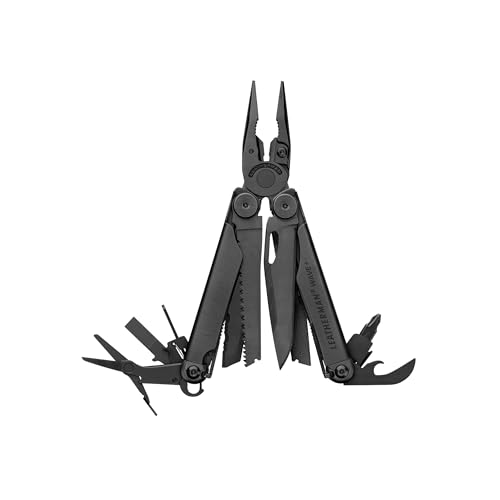
Leatherman Wave+ 18-in-1 Multi-tool
Strengths
- Replaceable wire cutters
- Spring-action scissors
- Full tool access
Trade-offs
- Heavier carry
- Higher price
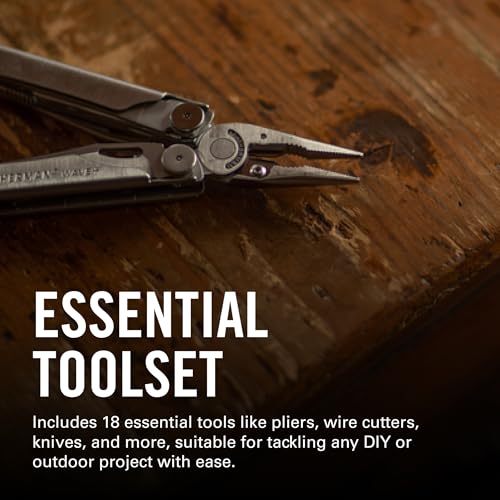
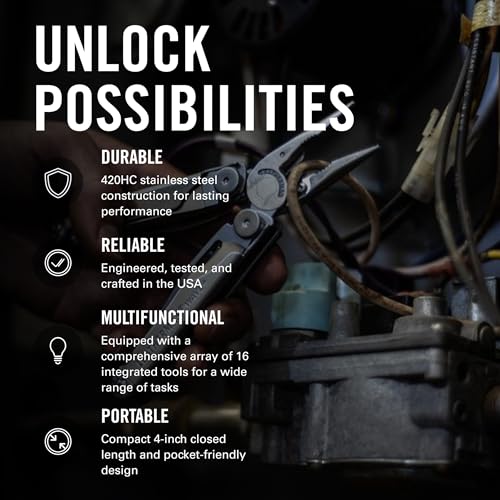
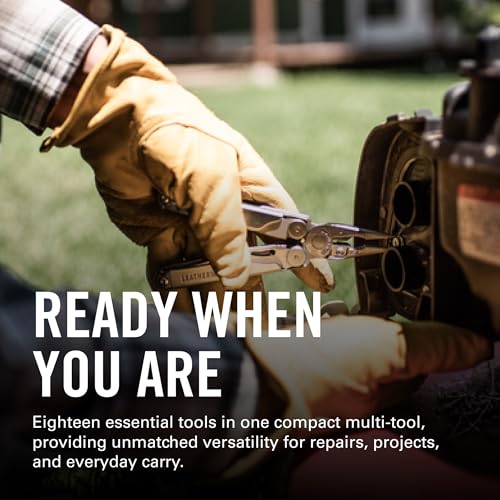
The Wave+ is what I’d call the gold standard for full-size multitools. With 18 tools, including spring-action scissors, a saw, and replaceable wire cutters, it’s built for real work. The scissors are a standout; unlike many multitools where they’re an afterthought, these actually perform well.
It’s also one of the few models with outside-accessible tools that lock open, making it fast and safe to use. Owners praise its durability and versatility, whether fixing a fence, wiring a outlet, or prepping gear in the field. At 8.5 ounces, it’s not light, but you’re getting unmatched utility.
Product photos

Leatherman Charge Plus TTI

Strengths
- Titanium handles
- Replaceable cutters
- Full tool set
Trade-offs
- Expensive
- Overkill for casual users
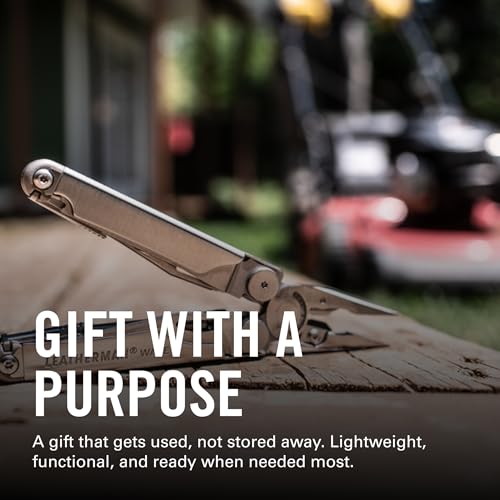
This is the multitool for users who want premium materials and maximum confidence in build quality. The titanium handles aren’t just for looks, they reduce weight slightly while improving grip and durability. With 19 tools, including a bit driver and replaceable wire cutters, it’s one of the most complete packages available.
It shares DNA with the Wave+ but elevates the experience with better ergonomics and a sleeker profile. Reviewers note it feels more refined in hand, and the pocket clip keeps it secure. If you’re willing to pay more for a long-term heirloom-grade tool, this is the smarter buy over the stainless models.
Product photos


Leatherman Skeletool CX

Strengths
- Ultra-lightweight
- Slim profile
- Strong one-hand access
Trade-offs
- Limited tool count
- No scissors
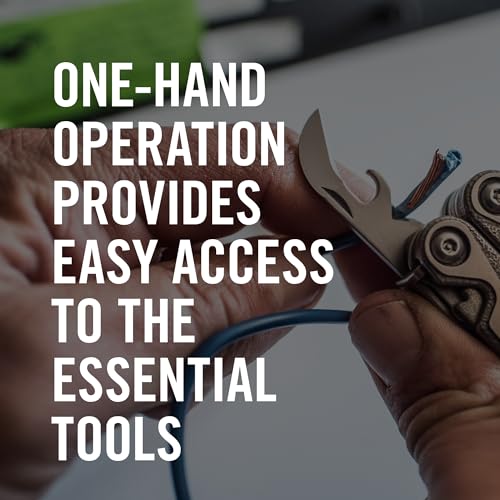
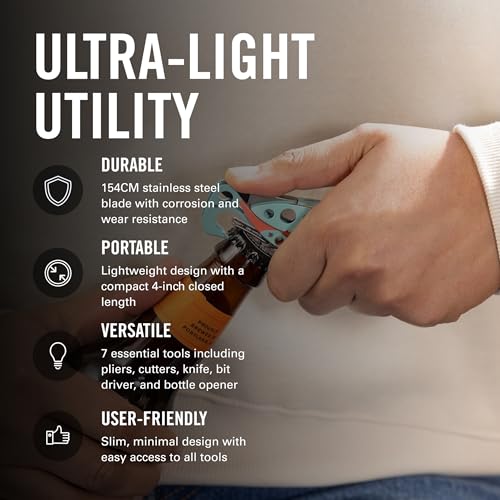
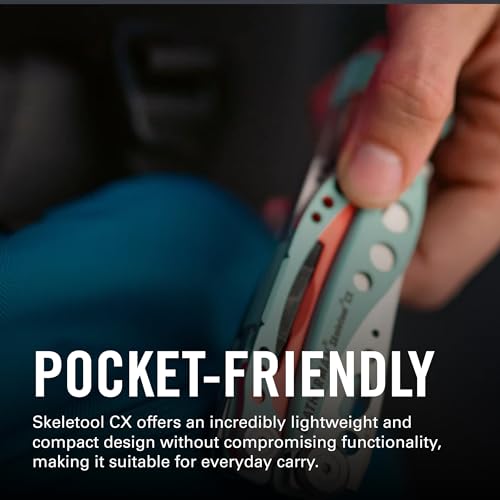
If you’re after minimalism without sacrificing core functionality, the Skeletool CX is a standout. At just 5 ounces, it’s one of the lightest Leathermans, yet it still packs pliers, a decent blade, bit driver, and wire cutters. The slim profile makes it disappear in your pocket, ideal for everyday carry without adding bulk.
It doesn’t have the tool count of bigger models, but that’s the point. Reviewers note it’s become their go-to for quick fixes, trailside repairs, and urban EDC. I’d pick this over bulkier tools for daily use, especially if you’re just getting into multitools or want something you won’t mind carrying every day.
Product photos

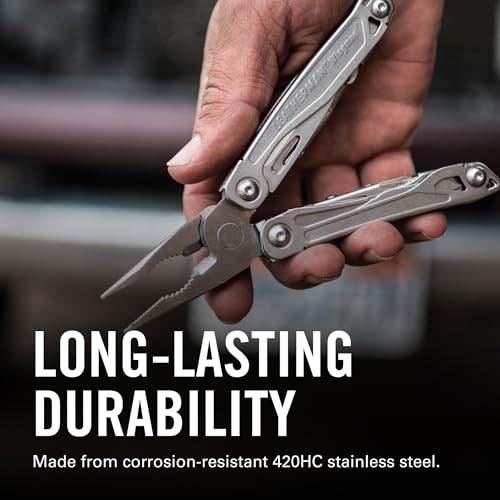
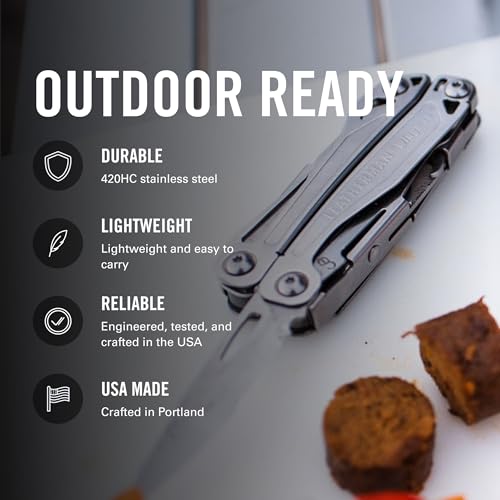
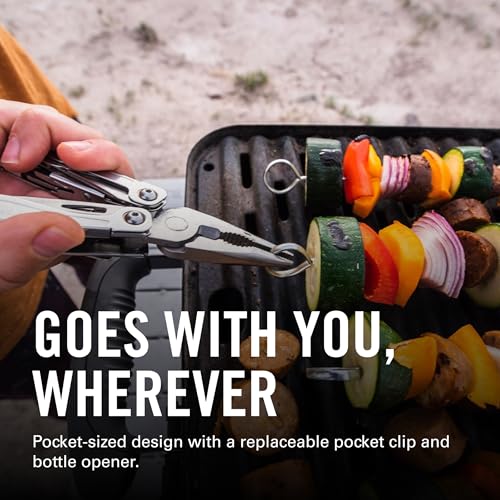
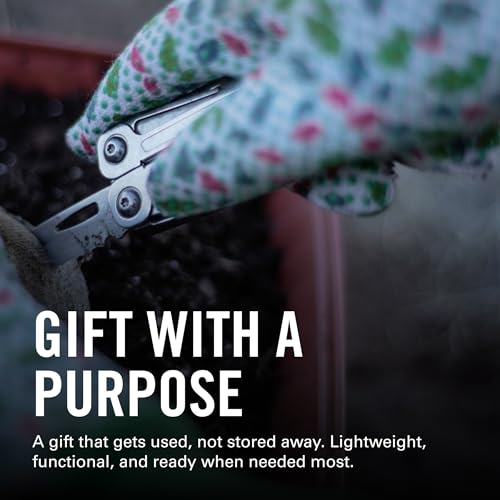
Leatherman Wingman Multi-tool
Strengths
- Solid build
- One-hand opening
- 25-year warranty
Trade-offs
- Heavier than ultralight models
- No replaceable wire cutters
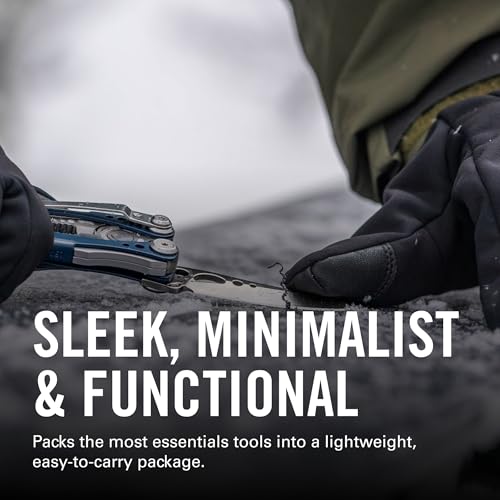
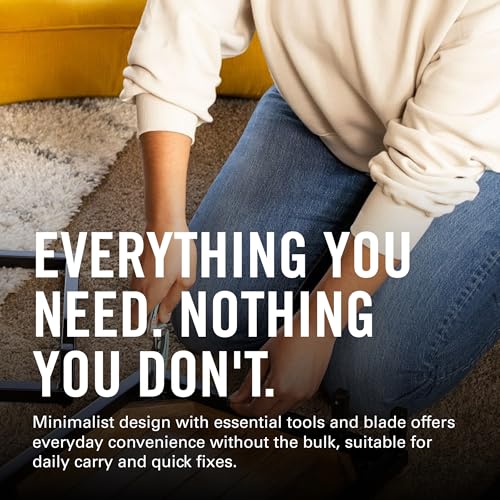
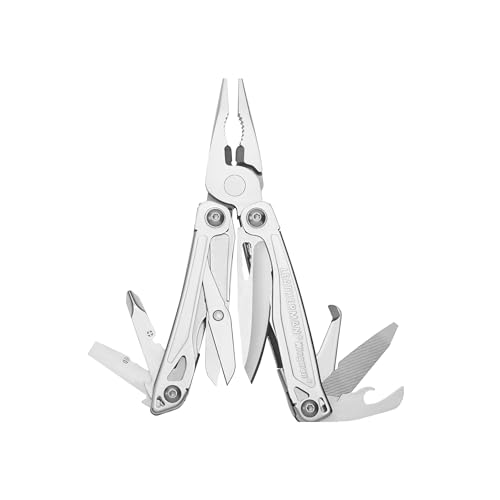
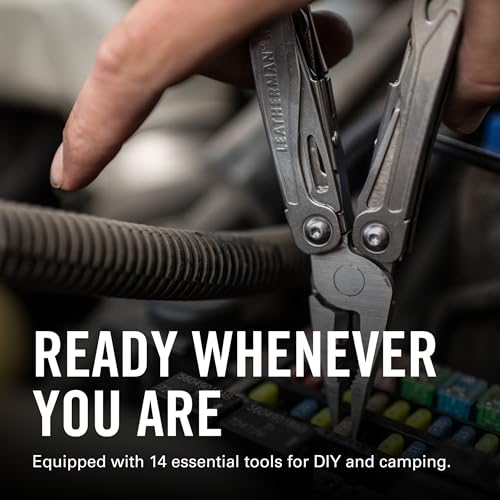
The Wingman sits at that sweet spot where capability meets value, and it’s clear why it’s been a long-standing favorite. With 14 tools including spring-action scissors and a decent knife, it covers most daily tasks without overcomplicating things. The one-hand opening on key tools is a real usability boost, and the locking blade adds peace of mind when cutting.
Owners consistently report it holds up well under routine use, and the 25-year warranty speaks volumes about Leatherman’s confidence in their build quality. It’s not the lightest or most compact, but for those stepping into multitools or wanting something reliable without overspending, it’s tough to beat.
Product photos
WETOLS 21-in-1 Stainless Multi-tool

Strengths
- High tool count
- Affordable
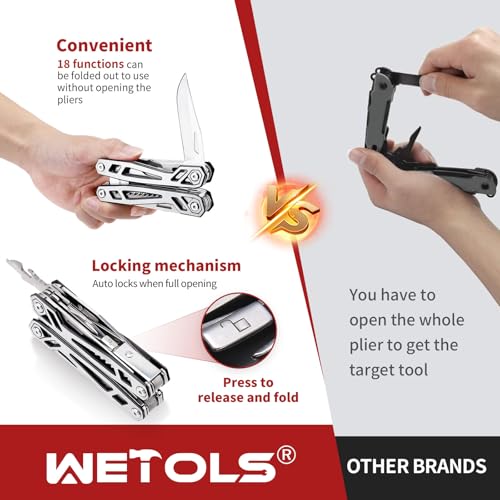
- Self-locking design
Trade-offs
- Build quality inconsistent
- Tools can feel cramped
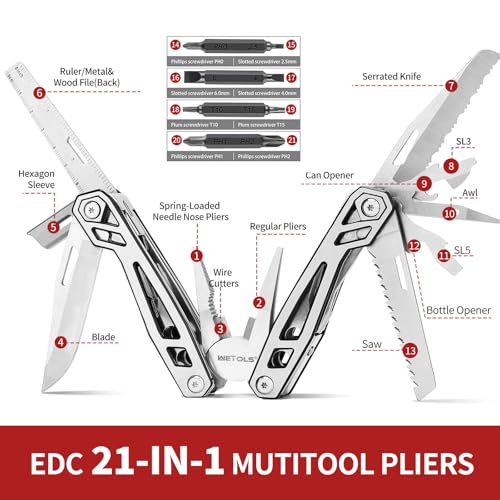
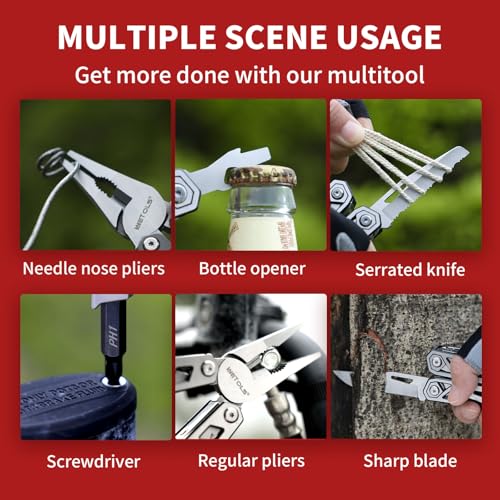
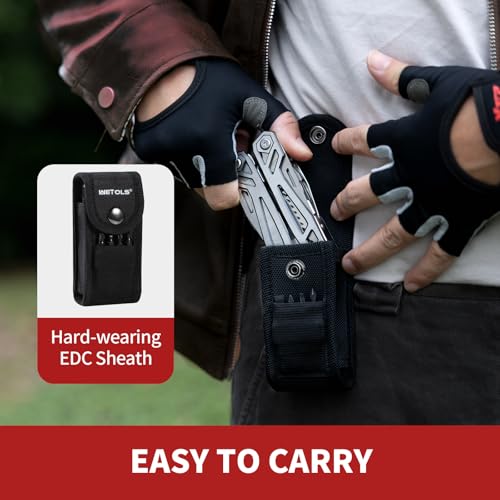
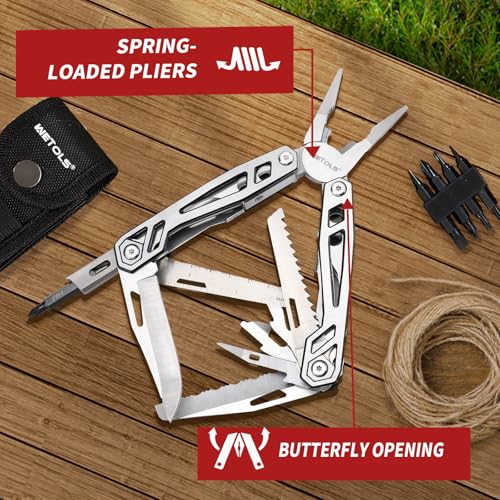
This multitool throws in every tool imaginable, and that’s both its strength and weakness. With 21 tools, including dual pliers, multiple screwdrivers, and a hex sleeve, it looks like a bargain on paper. And for the price, it delivers surprising functionality for home, camping, or emergency kits.
But owner feedback shows mixed durability. While it works fine for light tasks, the pliers and blade don’t match Leatherman or Gerber in strength or longevity. Still, as a budget starter multitool or backup in a glove box, it makes sense. Just don’t expect it to last decades.
Product photos
Gerber Suspension-NXT EDC Multitool

Strengths
- Good tool variety
- Secure locking
- Comfortable grip
Trade-offs
- Heavier than rivals
- No replaceable cutters
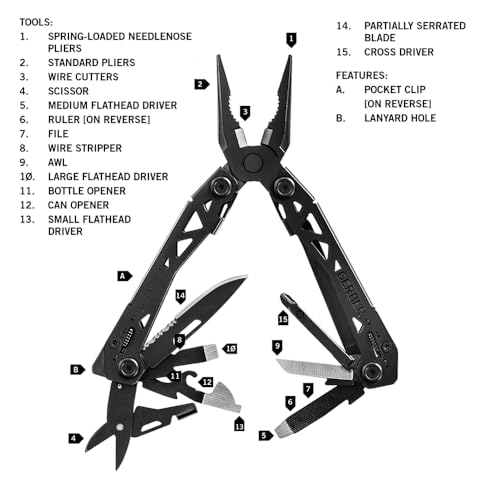
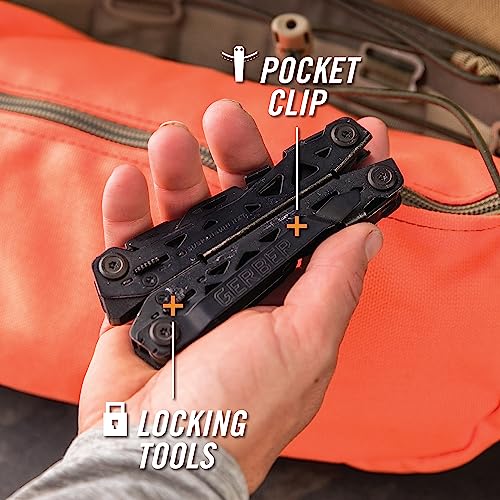
The Suspension-NXT brings Gerber’s design focus squarely into the EDC space. With 15 tools and a partially serrated blade, it balances utility and carry comfort. The needle nose pliers are strong, and the inclusion of a wire stripper and multiple drivers adds real value for electricians or outdoor tinkerers.
It’s a bit bulkier than the Skeletool CX, but the butterfly-opening design makes deployment quick and the lock solid. Owners say it holds up well over time, though it doesn’t quite match Leatherman’s long-term reputation. Still, for someone wanting a rugged, feature-rich EDC option from a trusted brand, this is a strong alternative.
Product photos


Gerber Truss 17-in-1 Multitool

Strengths
- Dual pliers
- High tool count
- Slim profile
Trade-offs
- No replaceable cutters
- Slightly bulky
The Truss stands out with 17 tools, including both standard and needle nose pliers, two full blades, and a saw, making it one of the most versatile multitools here. The dual pliers offer flexibility, and the butterfly-opening design ensures quick access.
At 8.4 ounces, it’s not light, but the slim handle helps it carry better than it should. Reviewers appreciate the range, especially the inclusion of a full plain edge blade and multiple drivers. While it lacks replaceable wire cutters, the sheer tool variety makes it a solid workhorse.
Product photos


SOG PowerPint Mini Multi-tool

Strengths
- High cutting power
- Magnetic bit driver
- Dual blades
Trade-offs
- Build quality slightly below Leatherman
- Tighter tool access
The PowerPint surprised me with how much use and cutting power it delivers for its size. Thanks to SOG’s patented compound use system, the pliers offer twice the cutting force of similar mini tools, this isn’t just marketing fluff, owners confirm it slices through wire with noticeably less effort.
At 4.2 ounces and under 3.5 inches closed, it’s compact enough for a pocket or keychain, yet feels rugged. The dual blades and magnetic bit driver add real utility. While it doesn’t beat Leatherman on long-term reputation, it’s a strong contender for anyone who needs serious grip and cutting performance in a small package.
Product photos


Gerber Dime Mini Multitool

Strengths
- Extremely lightweight
- Keychain compatible
- Good for fine tasks
Trade-offs
- Limited strength
- Pliers lack power
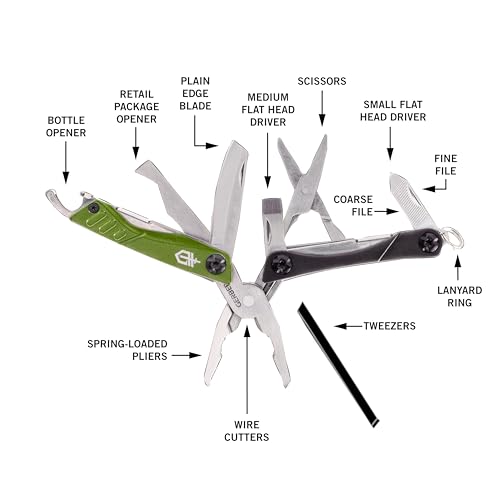
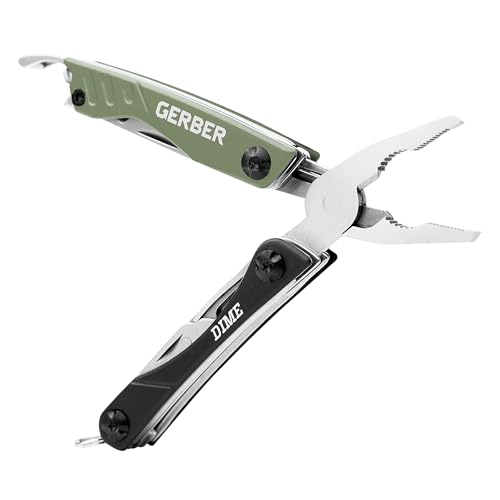
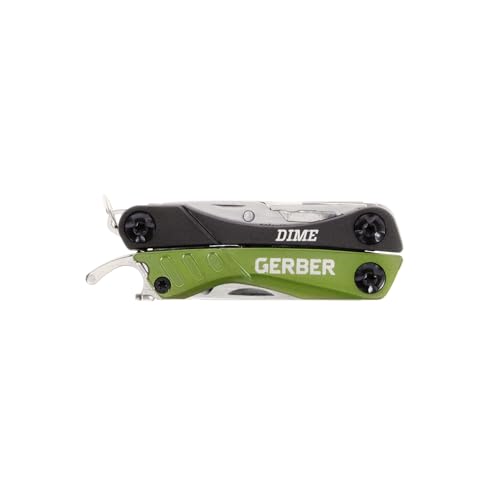
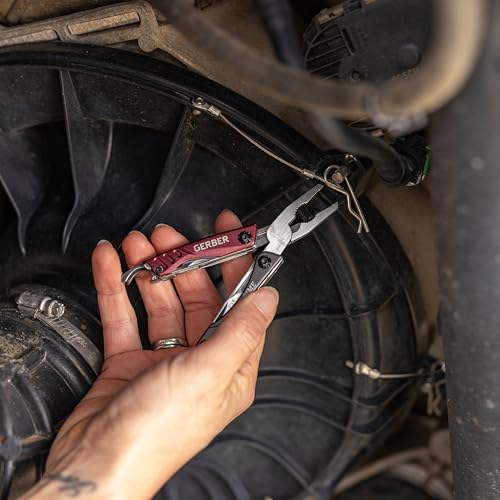
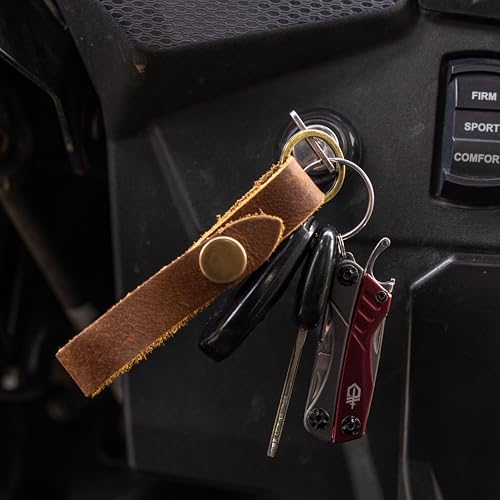
For keychain carry, the Gerber Dime is in a class of its own. At just 2.2 ounces, it’s featherlight, yet includes needle nose pliers, a blade, scissors, tweezers, and more, 12 tools total. The spring-loaded pliers are surprisingly functional for small jobs, and the compact size means it won’t weigh down your keys.
It’s not built for prying or heavy clamping, but that’s not the point. Reviewers love it for precision tasks like fixing eyeglasses, cutting fishing line, or opening retail packaging. If you want a minimalist tool that fits anywhere and handles delicate jobs, this is the one.
Product photos
How We Evaluated multitools
As someone who’s spent years around power tools and DIY projects, I understand the value of having the right tool at hand. Rather than a hands-on lab test of each model, my approach to evaluating multitools was research-led. I compared published specifications and features across a range of brands and price points, then weighed those against owner reviews from sites like Amazon and dedicated tool forums. Finally, I applied my understanding of what makes a truly useful multitool, ranking options based on how well they delivered on core functionality.
For multitools, the most important factors are blade quality and the robustness of the pliers. A dull or flimsy blade renders many tasks impossible, and pliers are often the first component to loosen or break with repeated use. Beyond that, the variety of included tools matters – but only if those tools are actually useful, not just added to inflate a number. I prioritized models offering a solid base set of essentials, rather than an overwhelming collection of rarely-used implements.
Specifications reliably tell you about materials (stainless steel grades, handle construction) and the number of tools included. However, real-world durability and ease of use are better judged from owner feedback. I paid close attention to comments regarding tool locking mechanisms, long-term build quality, and whether the multitool felt comfortable and secure in the hand. If you’re looking for something even more portable, be sure to check out our guide to the pocket-sized multitools available today.
How To Pick The Right multitools
Choosing the right multitool is about understanding what you’ll actually use it for. Too many people get caught up in tool count and forget that a tool you don’t need just adds weight and complexity.
A quality multitool balances portability, durability, and a carefully selected suite of implements. Look for stainless steel construction, locking blades for safety, and a design that prioritizes the tools you will use most often. Consider the locking mechanism, handle ergonomics, and overall weight – these significantly impact usability.
Blade Steel and Locking Mechanisms
The blade is often the first tool people reach for, so its steel quality matters. 420HC is a common choice for good corrosion resistance and decent edge retention, but higher-end options like S30V or CPM-154 will hold an edge significantly longer. More importantly, ensure the blade locks securely in place. A solid lock prevents accidental closure during use, a critical safety feature. Many models use liner locks or frame locks; both are effective, but a frame lock generally offers a stronger, more reliable hold.
Tool Selection & Prioritization
Don’t fall for the “more is better” trap. A 20-tool multitool is less useful if 15 of those tools are things you’ll never touch. Think about your typical tasks. If you frequently work with electrical wiring, prioritize good wire strippers and cutters. For general home repair, pliers, screwdrivers, and a saw are essential. If you’re looking for best EDC multitools for daily tasks, a slim profile and lightweight build are key. Here’s what to consider:
- A bottle opener is nice to have…
- …but a high-quality knife blade is essential for almost any user.
- A range of screwdriver bits, including Phillips and flathead, is extremely valuable if you frequently tackle household repairs or electronics work. This is especially true if you want a multitool that can double as a handy replacement for a full toolkit.
Size, Weight, and Carry Options
This is where personal preference really comes into play. A larger multitool, like the Leatherman Wave+, will offer more features but will also be heavier and bulkier. If you want something you can comfortably carry in your pocket every day, a smaller model like the Gerber Dime or Leatherman Skeletool CX is a better choice. Consider how you plan to carry it. Some models have belt sheaths, while others have pocket clips or lanyard attachments. If you’re a painter or handyman, you might also want to consider best multitools for painters for specific tasks like scraping and scoring.
A multitool is only useful if it’s with you when you need it. Prioritize a size and weight you’ll actually carry consistently.
Multitools Compared
Here’s a comparison of key specifications for popular multitools to help you make an informed decision.
| Product Name | Tool Count | Weight (oz) | Blade Type | Pliers Type | Key Feature |
|---|---|---|---|---|---|
| Leatherman Wave+ | 18 | 8.5 | Straight/Serrated | Needle Nose | Replaceable Cutters |
| Leatherman Charge Plus TTI | 19 | 8.9 | Straight/Serrated | Needle Nose | Titanium Handles |
| Leatherman Skeletool CX | 7 | 5.0 | Straight | Needle Nose | Lightweight |
| Leatherman Wingman | 14 | N/A | Straight | Needle Nose | Value Priced |
| WETOLS 21-in-1 | 21 | N/A | Serrated/Straight | Needle Nose | Bit Set Included |
| Gerber Suspension-NXT | 15 | 6.7 | Partially Serrated | Needle Nose | Stainless Steel |
| Gerber Truss | 17 | 8.4 | Serrated/Straight | Needle Nose | Slim Design |
| SOG PowerPint | 18 | 4.2 | Serrated/Straight | Mini Pliers | Compound Use |
| Gerber Dime | 12 | 2.2 | Straight | Needle Nose | Keychain Compatible |
Frequently Asked Questions
What’s the difference between a liner lock and a frame lock on a multitool?
A frame lock generally provides a stronger and more durable hold compared to a liner lock. Both prevent accidental blade closure, but a frame lock uses the tool’s frame itself to engage the blade, offering more resistance.
Do I really need replaceable wire cutters on a multitool?
Replaceable wire cutters are beneficial if you frequently cut wire, as they can be swapped out when they become dull or damaged. However, they add to the cost and complexity; for occasional use, fixed wire cutters are often sufficient.
What steel grade is considered “high-end” for multitool blades?
S30V and CPM-154 are considered high-end steel grades for multitool blades, offering superior edge retention and corrosion resistance. These steels will hold a sharper edge longer than more common choices like 420HC, though they are typically found on more expensive models.
Are multitools with more tools always better?
No, multitools with a higher tool count aren’t always better; they often include implements you won’t use, adding unnecessary weight and bulk. Prioritize a core set of essential tools that match your typical tasks, rather than chasing a larger number. If you are looking for more specialized tools, you might consider the best oscillating multitools for a wider range of projects.
Should I choose a full-size or a mini multitool?
Choose a full-size multitool if you need a robust set of features and don’t mind the extra weight. Opt for a mini multitool if portability and everyday carry are your priorities, accepting that you’ll have fewer tools available.
The Bottom Line
Choosing a multitool often comes down to balancing how much capability you want against how much you’re willing to carry. If you want a single tool to handle almost any repair or outdoor task, the Leatherman Wave+ stands out as the most well-rounded option. It offers a superb blend of durable construction, a thorough toolset, and replaceable cutters – features owners consistently praise.
For those on a tighter budget, or needing something specific, there are excellent alternatives. The Leatherman Wingman provides a solid set of essential tools at a great price, while the Gerber Dime is the clear choice if portability and keychain compatibility are your priorities. If you’re a cyclist, don’t overlook dedicated options like the best bike multitools designed for on-the-go cycling repair kits.
Ultimately, the specifications matter less than how well a multitool suits your needs. Focus on build quality – especially the pliers and blade lock – and choose a tool with the implements you’ll realistically use. A properly selected multitool isn’t just a gadget; it’s a reliable companion that can save you time, trouble, and a trip to the toolbox.
